Building Confidence in a Timid Labrador
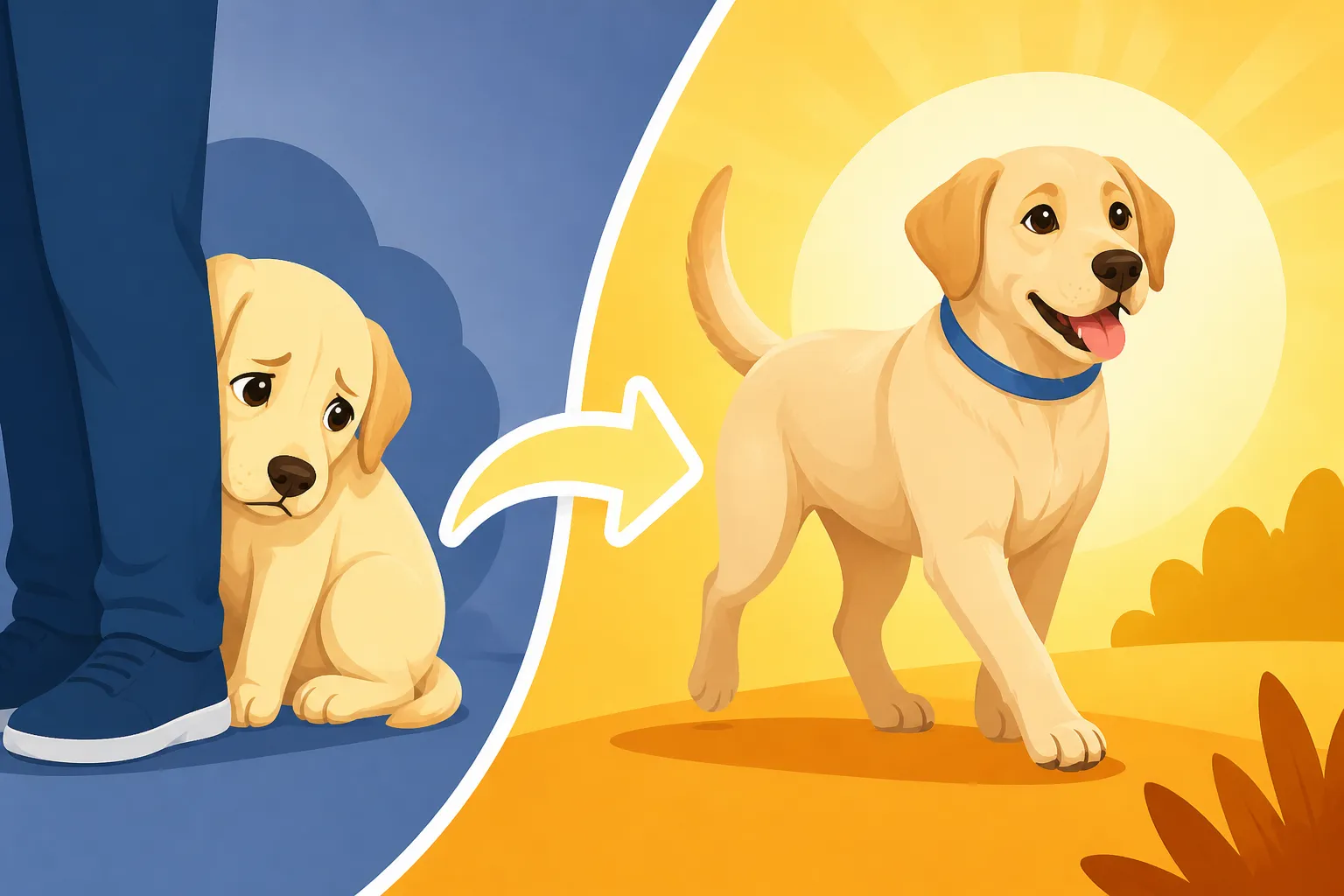
It's heartbreaking to see your usually happy-go-lucky Labrador shrink away from new experiences, unfamiliar people, or even everyday objects. We all envision our Labs as boisterous, friendly companions, and when they show signs of timidity or fear, it can leave us feeling helpless and wondering what we're doing wrong. This guide aims to walk you through understanding the roots of your Labrador's shyness and provide practical, empathetic strategies to build their confidence, helping them blossom into the secure, joyful dog they're meant to be.
Understanding Why Your Labrador Might Be Timid
Before we dive into solutions, it’s really important to pause and consider why your Labrador might be timid. It's easy to jump to conclusions, but fear in dogs is often a complex puzzle with many pieces. It's rarely about them being "stubborn" or "misbehaving"; it's a genuine emotional response.
Genetic Predispositions and Early Life Experiences
Even in a breed as generally confident and outgoing as the Labrador, individual dogs can inherit a genetic predisposition towards shyness or anxiety. Just like people, some dogs are simply born with a more sensitive temperament. This doesn't mean it's set in stone, but it can make them more susceptible to becoming timid if not managed carefully. Think of it as having a baseline sensitivity. If a puppy with this genetic leaning doesn't get enough positive exposure during their critical Labrador Puppy Socialization Windows – roughly between 3 and 16 weeks – those innate tendencies can solidify into full-blown timidity. A lack of varied, positive experiences with different people, sounds, sights, and textures during this crucial period can leave them unprepared for the wide world, making novel situations overwhelming rather than exciting. Perhaps they missed out on crucial interactions in a busy household, or maybe their early environment was too sheltered.
Negative Past Experiences and Trauma
Sometimes, a Labrador's timidity isn't about genetics or a lack of early socialization, but a direct result of a negative, or even traumatic, experience. This could be anything from a scary encounter with another dog, a loud unexpected noise that genuinely startled them, or even a less-than-ideal interaction with a person. Imagine a puppy being accidentally stepped on, or experiencing a harsh tone from a stranger. These single events, especially if intense, can create lasting associations and trigger a Fearful Behavior in a Labrador. Rescued Labradors, for instance, often carry histories that can lead to timidity around certain types of people, objects, or environments, even if you, as their new owner, are providing the most loving home possible. They might be afraid of men, or brooms, or sudden movements, all remnants of a past they can't articulate but deeply remember. It’s crucial to remember that what seems minor to us can be a huge, scary event for a dog, especially one who is already sensitive.
Environmental Factors and Stressors
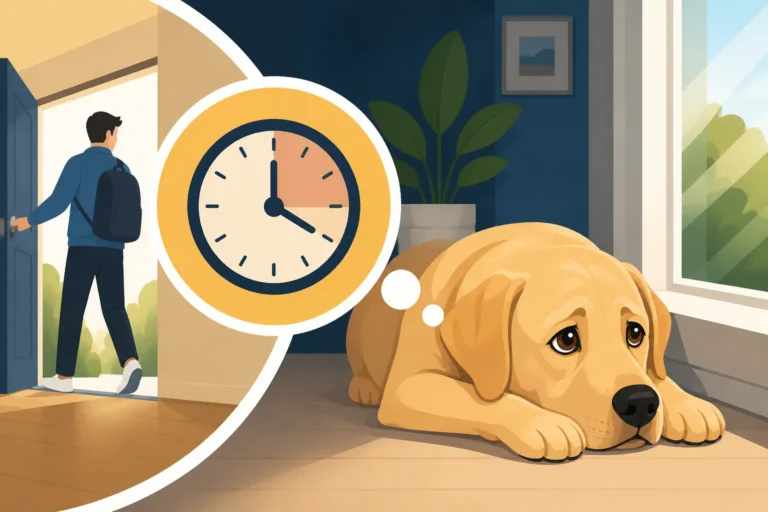
Even without a traumatic event, a dog can become timid due to ongoing environmental stressors or a sudden change in their routine. Moving to a new house, the arrival of a new baby or pet, a change in your work schedule leading to more alone time, or even constant loud noises in the neighborhood can contribute to a dog feeling insecure and anxious. Labs thrive on routine and predictability, and disruptions can make them feel out of control and fearful. An owner who is constantly stressed or anxious themselves can also inadvertently contribute to their Labrador's timidity, as dogs are incredibly perceptive and pick up on our emotional states. If you're constantly on edge, your dog might feel that there's something to be anxious about too. It's a subtle but powerful influence.
Creating a Safe and Predictable Environment
One of the most powerful things you can do for a timid Labrador is to provide them with a predictable, safe, and calm environment. This isn't about coddling them, but about giving them the foundational security they need to begin to explore and build confidence.
Establishing a Safe Haven and Predictable Routines
Every timid Labrador needs a sanctuary, a place where they can retreat and feel completely secure without being bothered. This might be a well-appointed crate with a soft blanket, a cozy bed in a quiet corner, or even a specific room in the house. The key is that this space is theirs, and no one, especially not children or other pets, should disturb them there. This gives them agency – the choice to remove themselves from a situation they find overwhelming. Crate Training a Labrador Puppy (or an adult!) can be incredibly beneficial for this, as a crate, when introduced positively, becomes a den of security. Ensuring a consistent daily routine also significantly helps. Predictable meal times, walk times, and play sessions reduce anxiety by letting your Labrador know what to expect. They aren't constantly on edge, wondering when the next unpredictable event will occur. This structure helps them feel more in control of their world.
| Scenario for a Timid Lab | Ineffective Response | Effective Response |
|---|---|---|
| New visitor arrives | Force interaction | Allow retreat to safe space |
| Loud noise outside | Cuddle and reassure constantly | Acknowledge calmly, provide distraction |
| New object in home | Push dog to inspect it | Place object, let dog approach at own pace |
| Vet visit | Drag into clinic | Practice positive vet trips (treats in waiting room) |
| Child approaches | Tell child to pet them | Teach child to ignore, let dog initiate |
Gradual Introduction to New Experiences
When it comes to new experiences, less is often more, and slow is always best. Forcing a timid Labrador into a situation they're clearly uncomfortable with will only reinforce their fear and erode their trust in you. Instead, adopt a strategy of extremely gradual exposure, always allowing them to control the pace. If your Lab is timid around new people, start by having a friend simply sit quietly in a room a safe distance away, ignoring your dog completely. Your Lab can observe from their safe space, gradually getting used to their presence. If they show any curiosity, the person can toss a high-value treat towards them, but without making eye contact or approaching. As your Lab becomes more comfortable, the distance can slowly decrease.
The same principle applies to objects or environments. If a new vacuum cleaner or an umbrella causes fear, introduce it from a distance, placing it where your dog can see it but isn't forced to interact. Pair its presence with delicious treats or a favorite toy from Amazon. If your Lab is nervous about walks in a busy park, start with quiet streets, then progress to the edge of the park, and only gradually move closer to the action, always being ready to retreat if signs of stress appear. The goal is to build positive associations at their own comfort level, never pushing them past it.
Gradual Desensitization and Positive Reinforcement Techniques
This is where the real transformation happens. Desensitization and counter-conditioning, coupled with consistent positive reinforcement, are the most humane and effective ways to help a timid Labrador overcome their fears. It's about changing their emotional response from fear to neutrality, or even enjoyment.
Pairing Scary Things with Wonderful Rewards
The core idea here is to change your Labrador's emotional response to a trigger by consistently pairing that trigger with something incredibly positive. This is called counter-conditioning. If your Lab is scared of strangers, for example, every time a new person appears (at a distance where your dog isn't reacting strongly), immediately give your Labrador a super high-value treat – something they absolutely adore, like cooked chicken or cheese. The moment the stranger leaves, the treats stop. Over time, your Labrador will start to associate the presence of a stranger with delicious things. The fear response begins to diminish, replaced by anticipation of the reward. This needs to be done meticulously, always ensuring your dog is below their "fear threshold" – meaning they are aware of the trigger but not yet exhibiting intense fear behaviors like shaking, tucking their tail, or trying to bolt. If they are over threshold, they are too stressed to learn.
Another powerful tool in this process is "marker training" with a clicker or a verbal marker like "yes!" This precise communication tells your Labrador exactly what behavior earned them the reward. As you work on Building Confidence in a Timid Labrador, you can click and treat for even the smallest brave behaviors: glancing at the scary object without flinching, taking a step closer, or simply remaining calm in its presence. For example, if your Lab is scared of the mail carrier, click and treat the moment they hear the mail truck in the distance, long before the carrier is even visible. This helps them associate the sound, and then the sight, with good things. Training platforms like BAXTER & Bella often emphasize these positive reinforcement methods, providing structured guidance for owners working through these very challenges at home.
Structured Play and Confidence-Building Games
Play is not just for fun; it's a powerful tool for building confidence, especially for a timid Labrador. Engaging in games that your Labrador enjoys and can succeed at helps them feel capable and secure. Retrieve games, for instance, tap into their natural instincts and can be incredibly rewarding. Start with soft, easy-to-catch toys in a familiar, quiet environment. Praise them enthusiastically for every successful retrieve, making it a highly positive experience. Hide-and-seek, where you hide and call them, or scent work where they use their amazing nose to find hidden treats, are also fantastic. These games engage their minds, build focus, and reinforce their bond with you, making them feel like a valued and successful member of the team.
When teaching new commands, use short, positive sessions and make them easy to succeed. Celebrate every small victory. The goal is to build a history of success and positive interactions, which gradually chips away at their underlying timidity. Even if it's just learning a simple "sit" in a new environment, that feeling of accomplishment builds confidence. Avoid putting your Labrador in situations where they are likely to fail or be overwhelmed, as this can set back progress. Treats That Motivate a Food-Driven Labrador are crucial here; find what they truly love and use it generously as a reward for any brave or calm behavior.
Strengthening Your Bond and Seeking Professional Support
Ultimately, helping a timid Labrador comes down to strengthening the bond of trust between you and knowing when to call in the cavalry. Your relationship is the anchor they cling to in a scary world.
Communicating Through Trust and Body Language
Your Labrador looks to you for guidance, especially when they're feeling unsure. Learning to Reading Pain in a Stoic Labrador – or signs of fear and stress – through their body language is paramount. Subtle cues like lip-licking, yawning, averting eyes, a tucked tail, pinned-back ears, or a low body posture all scream "I'm uncomfortable!" When you see these signs, your immediate response should be to remove them from the stressful situation or increase the distance, rather than forcing them to "deal with it." Reassure them with a calm voice, but avoid overly dramatic comforting, which can inadvertently reinforce their fearful state. Instead, redirect their attention to something positive or simply remove the trigger.
Building trust means being your Labrador's advocate. Protect them from well-meaning but pushy strangers, children who don't understand boundaries, or other dogs that are too boisterous. Never punish fear, as this will only teach your Labrador to hide their fear or, worse, to associate the punishment with the fearful trigger itself. Instead, consistently respond with patience, understanding, and positive alternatives. This consistent, protective behavior reinforces that you are a safe haven, strengthening your bond and empowering your Labrador to rely on you. Consider enrichment toys available on Amazon, which can help your Lab build confidence by solving puzzles and engaging their natural instincts in a low-pressure way.
Knowing When to Call in a Professional
While many cases of mild timidity can be addressed with the strategies outlined above, there are times when professional help is not just beneficial, but essential. If your Labrador's timidity is severe, significantly impacts their quality of life, manifests as aggression born of fear, or if you feel overwhelmed and unsure how to progress, it's time to consult with a qualified professional. This isn't a sign of failure on your part, but a sign of responsible pet ownership.
Look for a Certified Professional Dog Trainer (CPDT-KA) or a Veterinary Behaviorist (DACVB) who uses force-free, positive reinforcement methods. Avoid anyone who suggests harsh corrections, punitive tools, or "dominance" theories, as these methods will only worsen fear and anxiety in a timid dog. A good professional can help you identify the specific triggers, assess the severity of the fear, create a customized behavior modification plan, and guide you through its implementation. They can also rule out any underlying medical conditions that might be contributing to behavioral changes. Sometimes, even though Whether a Labrador DNA Test Is Worth It to confirm genetic predispositions, a behaviorist will focus more on environmental and behavioral interventions. They can provide invaluable support and expertise, helping both you and your Labrador navigate the path to greater confidence and happiness.
Disclaimer
This article is for general informational purposes only and does not constitute professional advice. Laws, prices and regulations vary by location and change over time. Consult a qualified professional for guidance on your specific situation.