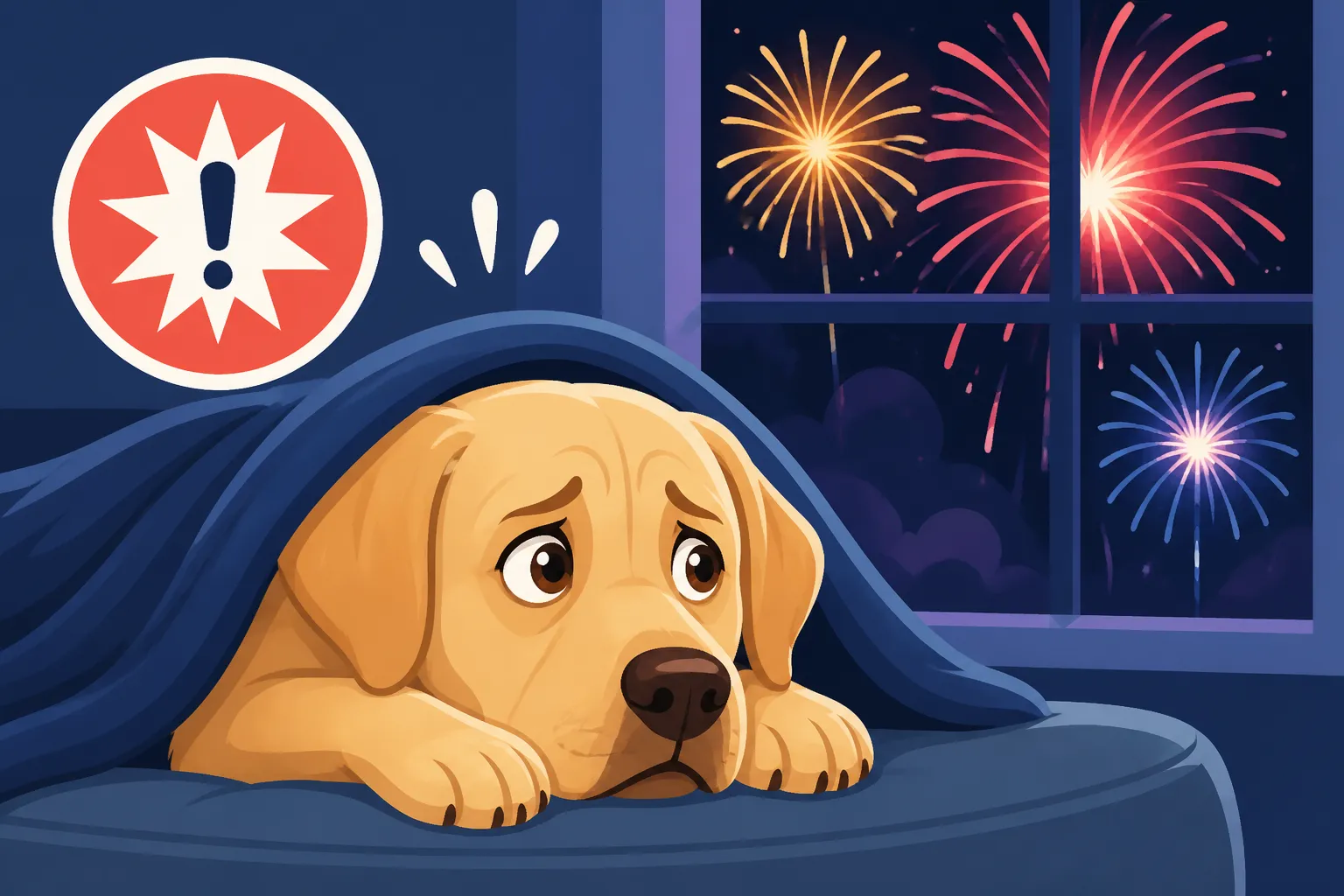
Labrador Anxiety Around Fireworks
The sudden, jarring booms and flashing lights of fireworks can turn an otherwise joyful celebration into a terrifying ordeal for many Labradors. If you've ever watched your usually confident, tail-wagging companion tremble uncontrollably, pace frantically, or try to hide in the smallest, darkest corner of your home as fireworks erupt, you know this heartbreaking struggle. This guide is here to help you understand why your Labrador reacts this way and, more importantly, equip you with practical, empathetic strategies to soothe their fear and keep them safe during these stressful events.
Why Fireworks Send Many Labradors Into a Panic
It's truly awful to see your happy-go-lucky Labrador suddenly transform into a shaking, panting mess. For us, fireworks are a spectacle, a sign of celebration, but for our dogs, they are often an incomprehensible, terrifying assault on their senses. There's a lot going on that contributes to this profound fear, and understanding it is the first step towards helping your furry friend.
The Sensory Overload is Intense for Dogs
Imagine if every firework bang sounded ten times louder than it does to you, sharp and unpredictable, vibrating through your entire body. That's closer to what our Labradors experience. Dogs have incredibly sensitive hearing, far superior to ours. What we perceive as a distant pop can be a deafening blast to them. But it's not just the sound. The sudden, bright flashes of light, especially at night, can be disorienting and frightening. Some dogs might even pick up on the smell of gunpowder in the air, adding another layer to their distress. This combination of intense, sudden stimuli creates a sensory overload that their brains struggle to process as anything other than a threat. It's not just a loud noise; it's a full-body, overwhelming experience that makes them feel utterly unsafe.
The Unpredictable Nature of Fireworks
One of the biggest factors contributing to fear is the complete lack of predictability. A Labrador thrives on routine and understanding their environment. They learn what sounds mean mail delivery, or the car keys jingling for a walk. But fireworks? They're random. They come from unknown directions, at unpredictable intervals, and often last for hours. There's no build-up or warning that a dog can reliably interpret. This unpredictability means your Labrador is constantly on high alert, anticipating the next terrifying boom, which keeps their stress levels elevated for prolonged periods. This sustained anxiety can be exhausting and traumatizing. When they don't know when the next fright will come, they can't relax, leading to a state of hypervigilance that is truly agonizing for them. This is very similar to Thunderstorm Fear in Labrador Retrievers, where the suddenness and intensity of the weather can also cause significant distress.
Genetic Predisposition and Past Experiences Play a Role
While any dog can develop a fear of fireworks, some might be more predisposed due to genetics. Just like people, dogs have individual temperaments, and some are simply born more sensitive to loud noises or sudden changes in their environment. Early life experiences also play a huge part. A Labrador puppy who had a particularly traumatic first encounter with fireworks might develop a deeply ingrained fear that's hard to shake. Even an adult Labrador who was previously fine might develop anxiety after a particularly close or intense firework display, or if they were alone and frightened during an event. This learned fear, combined with any underlying genetic sensitivity, can create a powerful, enduring phobia. The trauma isn't just a fleeting moment of fear; it can carve out a lasting impact on their emotional well-being.
Proactive Steps: Preparing Your Labrador for the Boom
When you know fireworks season is approaching, or a specific event is planned, you have an opportunity to make a real difference for your Labrador. Being proactive can significantly reduce their stress and your own. It's about setting them up for success long before the first firework explodes.
Creating a Secure and Comforting Safe Haven
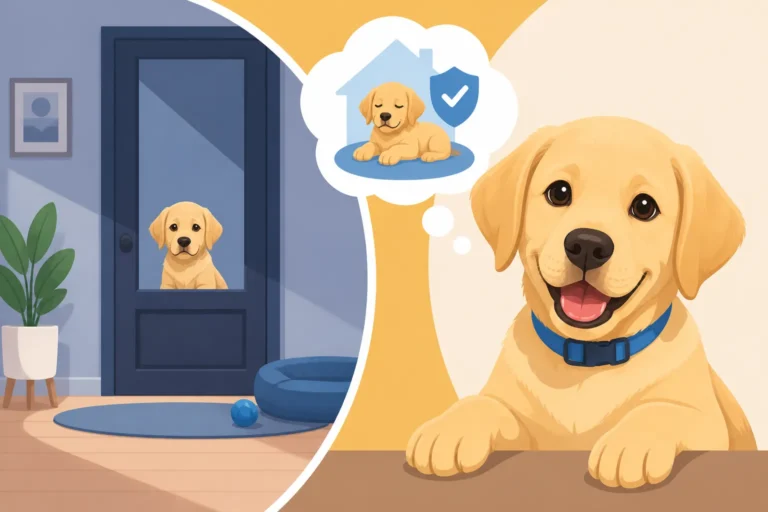
The absolute best thing you can do for your anxious Labrador is to give them a designated "safe space" where they can retreat and feel secure. Think of it as their personal bunker. This should be a room away from windows and doors, ideally an interior room like a bathroom, laundry room, or a walk-in closet.
Inside this space, make it as comfortable and sound-dampened as possible:
- The Den: If your Labrador is crate-trained, cover their crate with thick blankets to create a dark, cave-like den. Fill it with their favorite bed, blankets, and comforting toys. Even if they aren't usually crated, a well-prepared den can offer immense solace.
- Sound Masking: Use a white noise machine, a fan, or play calming music (classical or specially designed dog relaxation tracks) loudly enough to help mask the external bangs. Many owners find specific dog relaxation playlists on streaming services work wonders. You can find excellent white noise machines and calming music speakers easily on Amazon.
- Familiar Scents: Place an old t-shirt or blanket that smells like you in their safe space. Your familiar scent can be very reassuring in stressful situations.
- Early Introduction: Introduce your Labrador to this safe haven before the fireworks start. Let them explore it, give them treats inside, and make it a positive, calm place, not somewhere they are only put when they are scared. This helps build positive associations with the space.
Desensitization and Counter-Conditioning (Long-Term Strategy)
This isn't a quick fix, but it's one of the most effective long-term strategies for reducing firework anxiety. Desensitization involves gradually exposing your Labrador to firework sounds at very low, non-threatening volumes, while counter-conditioning means changing their emotional response from fear to a positive one.
Here’s how it generally works:
- Sound Tracks: Obtain high-quality firework sound recordings. There are many available online.
- Start Low: Begin playing the sounds at a volume so low that your Labrador barely notices it, or shows no signs of anxiety. This might be almost inaudible to you.
- Positive Association: While the sounds are playing, engage your Labrador in something they absolutely love. This could be playing their favorite game, giving them incredibly high-value treats, or offering a beloved chew toy. The goal is to create a positive emotional state where they associate the sound with something good.
- Gradual Increase: Over many sessions (days or weeks, depending on your dog), very, very slowly increase the volume. If your dog shows any signs of anxiety (ears back, tail tucked, panting, looking for an escape), you've gone too fast. Lower the volume immediately and proceed more slowly.
- Professional Help: This process requires patience and careful observation. If you struggle, consider working with a certified professional dog trainer or veterinary behaviorist. Online training platforms like BAXTER & Bella often have resources or trainers who can guide you through desensitization protocols, which are beneficial for many forms of noise sensitivity, including Labrador Anxiety Around Fireworks.
Calming Aids and Supplements
There's a growing market of products designed to help soothe anxious dogs. While not magic bullets, they can be a helpful component of a multi-faceted approach. Always discuss these options with your veterinarian before introducing them, especially if your Labrador is on other medications.
Here's a table comparing common calming aids:
| Aid Type | How It Works | Best For | Considerations |
|---|---|---|---|
| Pheromone Diffusers | Mimic natural calming pheromones mothers emit | Mild to moderate anxiety, general reassurance | Requires a few weeks to build up effect; needs consistent use |
| Calming Chews/Supplements | Contain ingredients like L-Tryptophan, melatonin, valerian root | Mild to moderate anxiety, short-term stress | Effectiveness varies; always check with vet; available on Amazon |
| Pressure Wraps/ThunderShirts | Provide gentle, constant pressure, like swaddling a baby | Mild to moderate anxiety, some noise phobias | Best introduced calmly beforehand; not all dogs respond the same |
| White Noise Machines | Mask external sounds with a consistent, soothing hum | Noise sensitivity, helps create a calm environment | Won't stop all noise, but can significantly reduce impact of sudden bangs |
| CBD Products | Interacts with endocannabinoid system (emerging research) | Moderate to severe anxiety; pain/inflammation | Legality and product quality vary; critical to consult vet for dosing |
Remember, these aids are typically most effective when combined with a safe space and your calm presence. They help create an environment where your dog can better cope, but they don't replace direct intervention and comfort.
During the Storm: Immediate Management Strategies
When the fireworks actually start, and your Labrador is visibly distressed, your role shifts from preparation to immediate comfort and management. It's crucial to respond in a way that helps your dog, rather than inadvertently reinforcing their fear or increasing your own stress.
Being a Calm Anchor in the Chaos
One of the most important things you can do is to remain calm yourself. Dogs are incredibly attuned to our emotions. If you're panicking, rushing around, or getting visibly stressed, your Labrador will pick up on that and it will amplify their own anxiety. Take deep breaths, speak in a low, soothing voice, and project an air of normalcy. Don't coddle them excessively or lavish them with frantic sympathy, as this can sometimes inadvertently confirm to them that there is something to be afraid of. Instead, be present, gentle, and reassuring. Sit with them in their safe space, offer gentle strokes if they seek physical contact, or just be a quiet, comforting presence. Your steady energy can be a powerful balm.
Distraction and Engagement
If your Labrador is not in full-blown panic mode, distraction can be a very effective tool. This involves redirecting their attention away from the frightening sounds and onto something positive and engaging.
- High-Value Chews: Offer a long-lasting, high-value chew, like a stuffed Kong (maybe with frozen peanut butter or cream cheese), a bully stick, or a dental chew. The act of chewing is naturally calming for dogs.
- Interactive Puzzle Toys: A puzzle feeder filled with kibble or treats can keep their mind occupied and associate the firework sounds with a rewarding activity. Puzzle Feeders That Slow a Greedy Labrador can be especially good for this, as they make your dog think and work, diverting their focus.
- Simple Training Games: If they're receptive, gentle training games can help. Ask for "sit," "down," or a simple "find it" game with treats scattered on the floor. Keep it light and positive, offering generous rewards. If they're too panicked to engage, don't force it.
The key here is finding something more compelling than the fear. Having a stash of these special, high-value items ready specifically for firework nights can make a big difference.
Securing Your Home and Your Dog
When a Labrador is terrified, their instinct is often to flee. This can lead to dangerous situations, like escaping the yard or breaking through doors. It's paramount to ensure their safety:
- Containment: Keep your Labrador indoors during fireworks. If they have a designated safe room, ensure they are securely contained there. Check that all windows and doors are closed and locked.
- Leash Up for Potty Breaks: If your Labrador needs to go outside, even for a quick potty break, always put them on a leash, even in a fenced yard. A sudden, unexpected boom could send them scrambling over or under a fence they wouldn't normally breach. Consider a double-leash system (one attached to a collar, one to a harness) for extra security.
- Microchip and ID Tags: Ensure your Labrador's microchip information is up to date and that they are wearing a collar with current ID tags. If the worst happens and they do escape, this vastly improves the chances of their safe return.
- No Free Roam: Don't let your anxious Labrador roam freely in the house where they might try to escape through a flimsy screen door or injure themselves trying to squeeze into an impossible hiding spot.
When to Seek Veterinary Help for Severe Anxiety
Sometimes, despite all your best efforts, the fear is simply too overwhelming for your Labrador to manage on their own. In these cases, it's not a failure on your part, but a sign that your dog needs more significant intervention. This is when consulting your veterinarian is absolutely essential.
Your vet can assess the severity of your Labrador's anxiety and discuss various options, which might include:
- Anti-Anxiety Medication: For severe noise phobias, your vet may prescribe medications that can help reduce anxiety. These aren't sedatives meant to "knock out" your dog, but rather drugs designed to lower their overall stress response, allowing them to cope more effectively. These often need to be given in advance of the event to be most effective.
- Situational Medications: Some medications are specifically designed for situational anxiety, like firework events.
- Referral to a Veterinary Behaviorist: For complex or deeply ingrained phobias, your vet might recommend a referral to a board-certified veterinary behaviorist. These specialists have advanced training in animal behavior and pharmacology and can develop a comprehensive, tailored treatment plan.
Never try to medicate your dog with human anxiety medications or over-the-counter drugs without veterinary guidance. The wrong medication or dose can be dangerous.
Long-Term Support for a Fearful Labrador
Managing firework anxiety isn't just about getting through one night. For many Labradors, it's an ongoing challenge that requires consistent effort and a holistic approach to their well-being. Investing in long-term strategies can make future events much less stressful for both of you.
Consistency is Key: Building General Confidence
Dogs thrive on consistency and predictability. The more secure and confident your Labrador feels in their everyday life, the better equipped they will be to handle stressful events like fireworks.
- Routine: Maintain a consistent daily routine for feeding, walks, and playtime. This provides a sense of stability.
- Positive Reinforcement Training: Continue with positive reinforcement training, even for basic commands. Every successful training session, every treat earned, builds confidence and strengthens your bond. It's a great way to improve their general resilience. This kind of consistent training can also help in Building Confidence in a Timid Labrador.
- Enrichment: Ensure your Labrador gets plenty of mental and physical exercise daily. A bored or under-exercised Labrador can be more prone to anxiety. Engaging them with Scent Work for a Labrador Indoors or other mentally stimulating activities can burn energy in a positive way.
- Early Socialization: For puppies, thorough and positive Socializing a Labrador Puppy to various sounds, sights, and experiences can help them develop into more resilient adults, potentially lessening the severity of noise phobias later on. This is where programs like BAXTER & Bella can provide guidance on broad socialization for young dogs.
Professional Guidance for Persistent Anxiety
If your Labrador's anxiety around fireworks is severe, persistent, or seems to be worsening, seeking professional help is a sign of responsible pet ownership, not a failure. A professional can offer insights and strategies that you might not have considered.
- Certified Professional Dog Trainer (CPDT): A CPDT specializing in fear and anxiety can guide you through desensitization and counter-conditioning protocols, as well as teach you techniques to help your dog cope. They can help you implement a structured plan and provide hands-on coaching.
- Veterinary Behaviorist (Dip. ACVB): For the most severe cases, or when medication is being considered, a veterinary behaviorist is the ideal specialist. They are veterinarians with extensive training in animal behavior, allowing them to address both the behavioral and medical aspects of anxiety. They can diagnose underlying issues and prescribe medication if appropriate.
- Online Resources: Many reputable online platforms offer courses and consultations with certified trainers or behaviorists. Look for programs from organizations like BAXTER & Bella that focus on positive reinforcement and science-backed methods. These resources can be particularly helpful for owners who need flexible support or live in areas with fewer local specialists.
Working with a professional provides a tailored approach, which is often far more effective than trying to manage complex anxiety issues on your own.
Reviewing Management Post-Event and Lifestyle Adjustments
After a firework event, take some time to reflect on what worked and what didn't. This isn't about blaming yourself, but about refining your strategy for next time.
- Journaling: Keep a simple journal. Note the date, the intensity of the fireworks, your Labrador's reaction, what interventions you used, and how effective they seemed. This data can be invaluable for your vet or a behaviorist.
- Adjustments: Did the white noise need to be louder? Was the safe space secure enough? Did the calming chew actually hold their attention? Use these observations to make adjustments for future events. Perhaps moving the safe space to an even quieter room, or trying a different type of chew.
- Avoidance, if Possible: If you know a particular area is going to have intense, prolonged fireworks, consider making plans to temporarily relocate with your Labrador to a quieter area, even for a night. Sometimes, the best solution is simply to remove them from the trigger entirely. For example, if you live in a bustling city center, a short trip to a quiet cabin or a friend's rural home might be a viable option during peak firework holidays. This can be a practical way to manage the immediate impact of noise on your dog.
Remember, helping your Labrador with firework anxiety is a journey, not a destination. Each step, no matter how small, contributes to their comfort and well-being.
Disclaimer
This article is for general informational purposes only and does not constitute professional advice. Laws, prices and regulations vary by location and change over time. Consult a qualified professional for guidance on your specific situation.