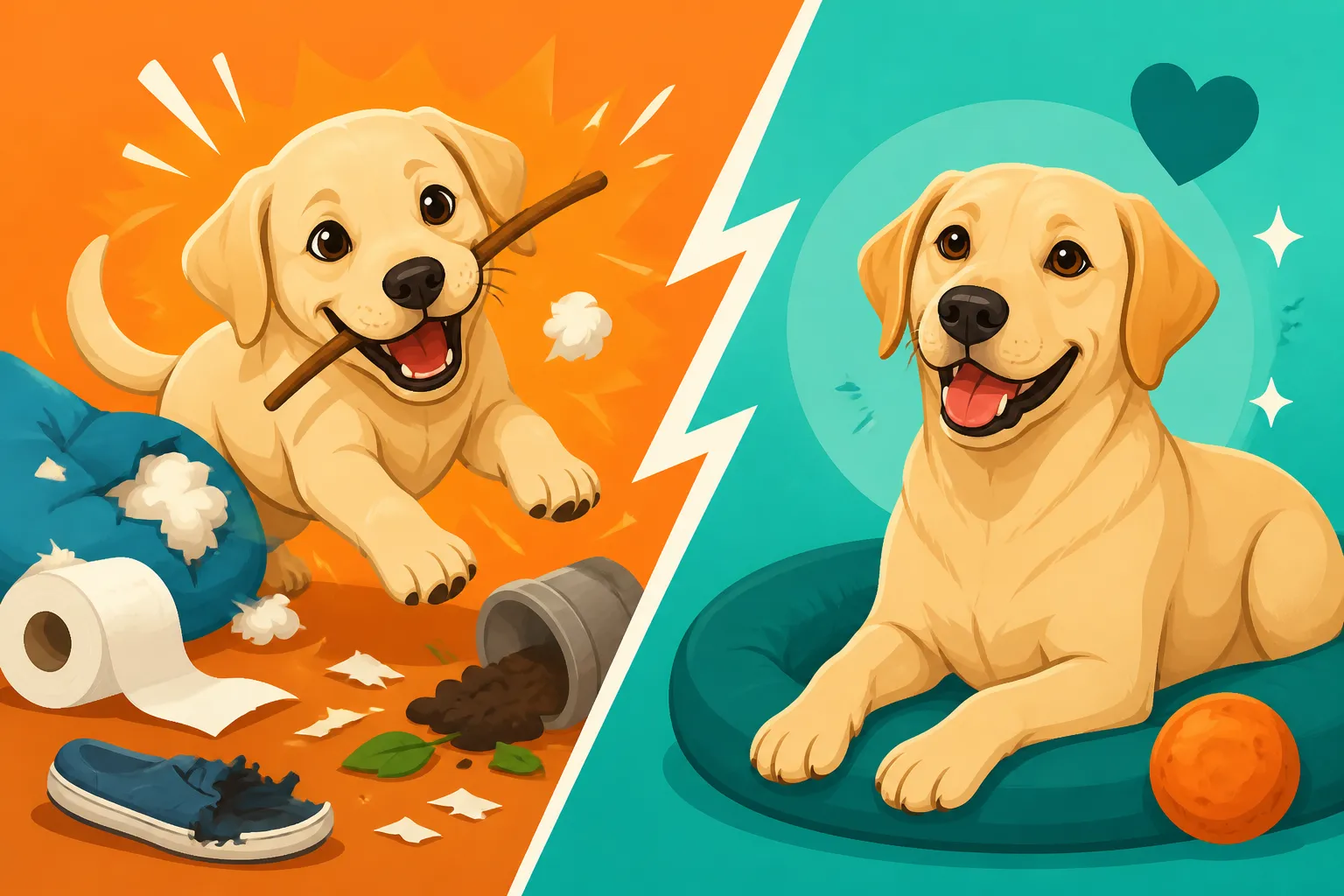
Surviving Labrador Adolescence
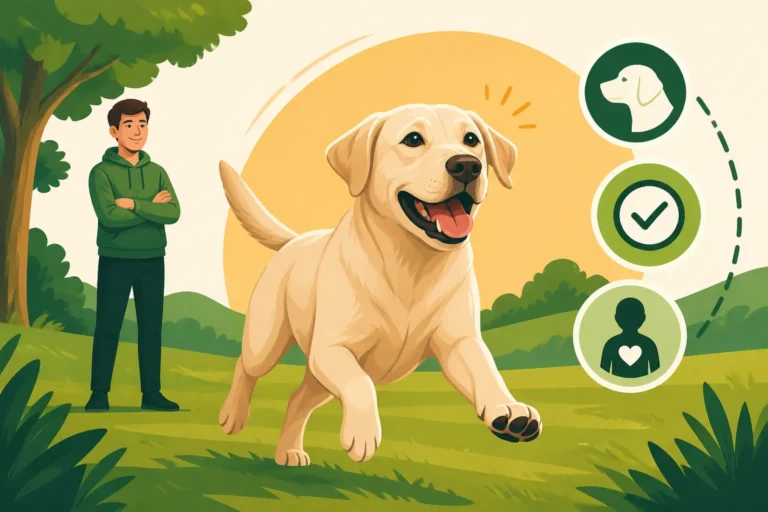
The "puppy stage" is often romanticized, but many Labrador owners find themselves completely blindsided by the chaos that erupts when their adorable, eager-to-please pup transforms into a defiant, boundless, and often frustrating adolescent. If your previously well-behaved Labrador suddenly seems to have forgotten every command, developed selective hearing, and decided that your household items are just giant chew toys, you're not alone. This guide will walk you through the challenging, yet ultimately rewarding, journey of surviving Labrador adolescence, offering practical advice and empathy for the rollercoaster ride.
Understanding Labrador Adolescence: More Than Just a Growth Spurt
Labrador adolescence isn't just about your puppy growing bigger; it's a profound period of physical, mental, and hormonal changes that can turn even the most angelic pup into a furry, four-legged rebel. It’s a time when everything you thought you taught them seems to vanish into thin air, and their energy levels seem to defy the laws of physics. Understanding this critical phase is the first step to navigating it successfully.
When Does It Start and End?
Typically, Labrador adolescence kicks in around six months of age and can last well into their second year, sometimes even touching 24 months for some individuals. Just like human teenagers, there’s no universal start and end date. Some Labs might show early signs of defiance, while others might mature a little more slowly. It’s a spectrum, not a switch. You might start noticing more independence around six months, a sharp increase in energy, and a sudden disinterest in commands they once nailed.
It feels like forever when you're in the thick of it, but remember it is a phase. It won't last forever, even if some days it feels like you'll never see the sweet, compliant puppy again. Patience during this period is not just a virtue; it's a survival skill.
Physical Versus Mental Maturity
It’s crucial to distinguish between physical and mental maturity in Labradors. Your Labrador might reach their adult height and weight around 12 to 18 months, looking every bit the grown-up dog. Their bones might be fused, and their muscles developed, but their brain is still very much in flux. Mentally, they’re still puppies, albeit giant ones with adult-sized strength and determination.
Their brains are undergoing significant rewiring during this time, particularly in the prefrontal cortex, which is responsible for impulse control and decision-making. This explains why they might suddenly struggle with self-control, make poor choices (like counter-surfing for that half-eaten sandwich), and seem utterly incapable of focusing. This disconnect between their physical capabilities and their still-developing minds is often at the root of many adolescent challenges.
Signs Your Labrador Is Entering Adolescence
How do you know if you're officially in the adolescent trenches? There are several tell-tale signs. One of the most common is the sudden onset of "selective hearing," where your Labrador seems to forget commands they once knew perfectly. You call, they look, then they go back to sniffing that interesting patch of grass. Another big one is increased energy and restlessness, even after adequate exercise. They might start pacing, whining, or looking for trouble if they're not mentally or physically stimulated enough.
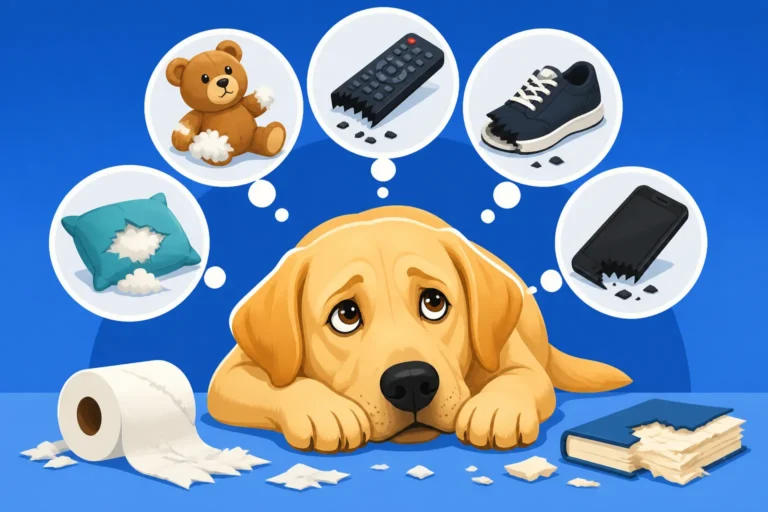
You might also notice a surge in destructive chewing, not just because they're teething (though that can still be a factor), but because they're exploring their world with their mouths and need an outlet for their energy and frustration. Mounting, increased territorial barking, and a general "pushing of boundaries" are also common. They're essentially testing the rules, much like human teenagers, to see what they can get away with. It's a challenging time for both of you.
The "Teenage Rebellion" Phase: When Good Labs Go Wild
Ah, the "teenage rebellion." It’s a classic for a reason. This phase is characterized by a dramatic shift in your Labrador's behavior, often making you question if you accidentally swapped your sweet puppy for a mischievous imp overnight. It’s frustrating, bewildering, and, let’s be honest, sometimes a little bit hilarious when viewed in hindsight. But when you’re living it, it feels like chaos.
Ignoring Previously Mastered Commands
One of the most disheartening aspects of Labrador adolescence is when your perfectly trained puppy suddenly develops amnesia for every command you painstakingly taught them. "Sit"? What's "sit"? "Come"? Maybe later, if there's nothing more interesting in the universe. This isn't necessarily defiance, though it can feel that way. It's often a combination of a still-developing brain struggling with impulse control, combined with a surge of newfound confidence and curiosity about the world around them. The distractions outside are now far more compelling than your voice, and their puppy-dog desire to please you sometimes takes a backseat to their urge to explore.
This is the time to truly double down on your training. Don't give up! Instead, scale back your expectations and go back to basics. Practice commands in low-distraction environments first, then gradually introduce more challenges. Remember, consistency is your superpower here. You might feel like you're teaching "sit" for the thousandth time, but each repetition is helping to cement that behavior in their rapidly changing brain. This period is notorious for the Why Labrador obedience falls apart at adolescence, and understanding it is key to not getting discouraged.
Pushing Boundaries and Testing Limits
If your Labrador suddenly seems to be pushing every boundary you've ever set, you're experiencing a very normal part of their development. They'll test how far they can wander before you call them back, whether that juicy sock is really off-limits, or if they can get away with a quick counter-surf when you're not looking. This isn't malice; it's exploration and an attempt to understand their place in the world and the consistency of the rules you've set.
It's vital during this stage to be firm, fair, and incredibly consistent. If you let them get away with something once, they'll try it again. If a boundary is pushed, gently but firmly redirect them to the correct behavior. Use positive reinforcement to reward good choices, and manage their environment to prevent opportunities for misbehavior. For example, if counter-surfing is an issue, keep counters clear. If they're grabbing household items, ensure tempting things are out of reach. Think of it as setting clear guardrails for a growing child learning to ride a bike – they need boundaries to stay safe while they learn.
Increased Independence (or Perceived Independence!)
Your Labrador might start acting like they're too cool for school, seemingly less interested in your cuddles and more keen on their own adventures. This can feel a bit like a personal affront after months of devoted puppy adoration. But this increased independence is actually a healthy part of their development. They're becoming more confident, exploring their environment with greater self-reliance, and learning to navigate the world without constantly relying on you for every decision.
While it might sting a little, it's important to foster this healthy independence while still reinforcing that you are their leader and guide. Continue to engage them in interactive play, training sessions, and adventures together, but also give them opportunities to explore safely on their own terms. This can include giving them a puzzle toy in their crate, letting them sniff around a secure yard, or enjoying a supervised off-leash walk in a safe, fenced area if their recall is rock-solid. Finding that balance between connection and encouraging their autonomy is key.
Managing Energy and Exercise Needs
One universal truth about adolescent Labradors is that they are bursting with energy. They're like furry, four-legged rockets fueled by enthusiasm, and if that energy isn't channeled appropriately, it can manifest as destructive behavior, excessive barking, or general restlessness. This isn't just about physical exertion; it's about providing both physical and mental stimulation.
Structuring Daily Physical Outlets
An adolescent Labrador needs significant physical exercise every single day. This isn't just a leisurely walk around the block. We're talking vigorous activities that truly tire them out. Think long games of fetch, swimming (if they're water lovers, and most Labs are!), hiking on appropriate trails, or even running alongside you once their growth plates have closed. Aim for at least 60-90 minutes of dedicated, high-impact exercise daily, potentially split into two sessions. A tired Lab is a well-behaved Lab, and a Labrador who isn't getting enough exercise will find ways to burn that energy – usually in ways you won't appreciate, like tearing up your couch or digging craters in your yard.
It's also important to remember their physical development. While they are strong, avoid overly strenuous or repetitive impact activities (like jumping from high places or endless, high-speed sprints on hard surfaces) until their growth plates are fully closed, typically around 12-18 months, to protect their developing joints. For more on this, check out Exercise limits for a Labrador puppy.
Mental Stimulation Is Just as Important
Physical exercise is crucial, but it’s only half the battle. Adolescent Labradors are highly intelligent and need mental stimulation just as much as they need to run. A physically tired but mentally bored Labrador can still cause trouble. Incorporate activities that make them think and problem-solve. Puzzle toys, KONGs stuffed with frozen treats, scent work games (like hiding treats around the house for them to find), and short, engaging training sessions are fantastic for this. Even a long sniffy walk, where they're allowed to explore the world with their nose, is incredibly mentally enriching.
Think about rotating their toys to keep things fresh. You can find a huge variety of durable puzzle toys and interactive feeders on Amazon that can keep your Lab engaged for extended periods, burning mental energy without requiring you to constantly be "on." Just ten or fifteen minutes of focused mental work can be as tiring as a long run for a Labrador. Dive into Mental work for a bored Labrador for more ideas to keep their brains active.
Balancing Freedom and Control
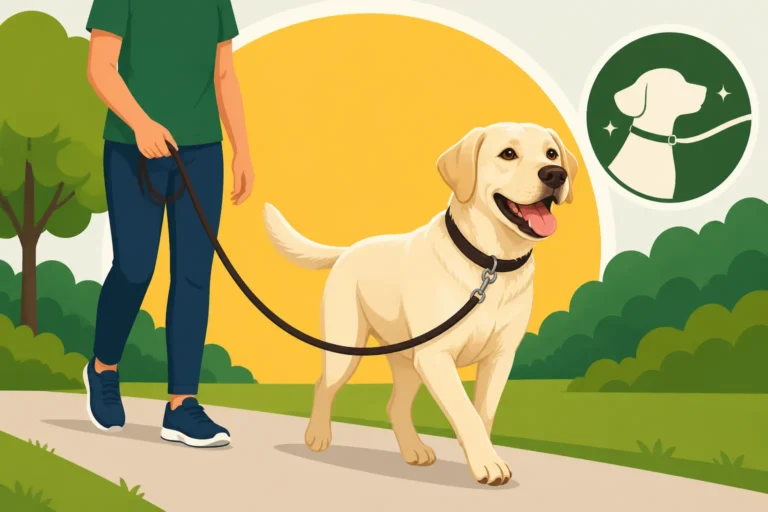
During adolescence, finding the sweet spot between giving your Labrador enough freedom to explore and maintaining control is challenging. This often means using management tools effectively. A long line (a lightweight leash 15-30 feet long) can be invaluable for practicing recall in open, safe areas while still giving you control. It allows them to feel a sense of freedom to explore, but you can intervene if they become too distracted. Using a well-fitted harness can also help manage their strength if they're pulling on walks, preventing damage to their throat and giving you better leverage.
Structured walks where they practice loose-leash walking, interspersed with periods of allowing them to sniff and explore on a longer lead, can be a great compromise. This teaches them when it's time to be close and attentive, and when they can indulge their natural urges. As they grow and gain confidence, your guidance becomes even more important to ensure their explorations remain safe and appropriate.
Reinforcing Training and Obedience
This is where your commitment to consistency really shines. Adolescent Labradors will test every boundary and every command. It's not the time to slack off; it's the time to double down and reaffirm everything you've taught them.
Going Back to Basics
When your adolescent Labrador seems to have forgotten everything, don't despair—go back to square one. Seriously. Treat them like a younger puppy again for a little while. Practice fundamental commands like "sit," "stay," and "come" in distraction-free environments. Use high-value treats (think tiny pieces of cooked chicken or cheese) to motivate them. Keep sessions short, positive, and fun. The goal is to rebuild their confidence in understanding and performing commands, and to remind them that obeying you leads to good things.
This "back to basics" approach isn't a sign of failure; it's a smart strategy. It helps solidify their understanding and strengthens their impulse control, which is often sorely lacking in adolescence. It also reminds you of the foundations you laid and helps you adjust your expectations, reducing your frustration.
Consistency and Patience Are Paramount
I cannot stress this enough: consistency is absolutely non-negotiable during Labrador adolescence. If one family member allows a behavior (like jumping up for greetings) and another doesn't, your Labrador will get mixed signals and continue to test. Everyone in the household needs to be on the same page regarding rules, commands, and expectations. This includes visitors too, if possible.
Patience goes hand-in-hand with consistency. There will be days when you feel utterly defeated. Your Labrador will push your buttons, test your limits, and probably make you question every life choice you’ve ever made. Take a deep breath. Remember they are still developing. Celebrate the small wins, even if it's just one successful recall amidst a dozen ignored calls. This phase requires a deep well of patience, but it will pay off immensely in the long run. The period described as Handling a Labrador between six and eighteen months is a marathon, not a sprint.
Making Training Fun and Engaging
If training feels like a chore for you, it will feel like a chore for your Labrador. Keep it fun! Labradors thrive on positive reinforcement and enjoy engaging with their people. Incorporate games into your training, use their favorite toys as rewards, and keep sessions upbeat and varied. Instead of just drilling "sit," ask for a "sit" before throwing a ball, or before putting their food bowl down. Make it part of their everyday life.
Consider trying new activities like trick training, canine good citizen classes, or even introductory scent work. These provide new mental challenges and keep them engaged in learning. Many online training platforms, like BAXTER & Bella, offer a wealth of engaging resources and structured programs that you can follow from home, ensuring variety and expert guidance. Keeping training fresh and enjoyable strengthens your bond and helps them maintain a positive attitude towards learning, even during their rebellious phase.
Socialization and Continued Exposure
Many people think socialization ends once their puppy has had their vaccinations. Not so! For an adolescent Labrador, continued, positive exposure to the world is just as vital as it was in puppyhood. This isn't just about meeting other dogs; it's about building confidence and appropriate responses to various stimuli.
Expanding Their World Safely
Your adolescent Labrador needs continued exposure to different people, places, sounds, and experiences to grow into a well-adjusted adult. Think about taking them to new parks, walking them in different neighborhoods, visiting pet-friendly stores, or even just sitting on a bench in a busy area to observe the world (from a safe distance, with plenty of treats for calm behavior). The goal is to build their confidence and teach them that new things aren't scary or cause for excessive excitement.
Always keep these exposures positive and never force an interaction. If your Labrador seems overwhelmed, create distance. Bring high-value treats to reward calm, curious behavior. The world can be a big, noisy place, and gradual, positive exposure helps them learn to navigate it with grace.
Supervised Interactions with Other Dogs
Continued socialization with other dogs is important, but quality over quantity is key. Not all dog parks are appropriate for adolescent Labradors, especially those prone to rough play or who haven't quite mastered their manners. Seek out play dates with well-matched, calm, and vaccinated adult dogs who can model appropriate behavior. These older dogs can often "teach" a bouncy adolescent manners in a way humans can't.
Supervised group classes (like advanced obedience or agility basics) can also provide structured opportunities for them to be around other dogs while focusing on you. Pay close attention to your Labrador's body language. Are they enjoying the interaction, or are they becoming overwhelmed or too boisterous? Step in and redirect if necessary. The goal is positive experiences that build good social skills, not just uncontrolled free-for-alls.
Exposure to New Places and Sounds
Beyond just people and dogs, adolescent Labradors benefit from exposure to a wide array of environments and sounds. Think about the bustling city street, the quiet hiking trail, the sound of a vacuum cleaner, a loud truck passing by, or even just the mailman's daily visit. Introduce these things gradually and pair them with positive associations (treats, praise, calm petting).
If you live in a quiet area, you might intentionally seek out busier environments for short, controlled visits. For example, a quick trip to a local hardware store where dogs are allowed can provide exposure to new sights, sounds, and smells. The more varied, yet positive, experiences your Labrador has during this formative time, the more resilient and adaptable they will become as adults. This continued exposure is vital for ensuring they don't become fearful or reactive to novel situations later in life.
Tackling Common Adolescent Labrador Issues
Adolescence often brings with it a whole new set of behavioral challenges that can test the patience of even the most seasoned Labrador owner. But understanding these common issues and having strategies to address them can make a huge difference.
The Chewing Epidemic
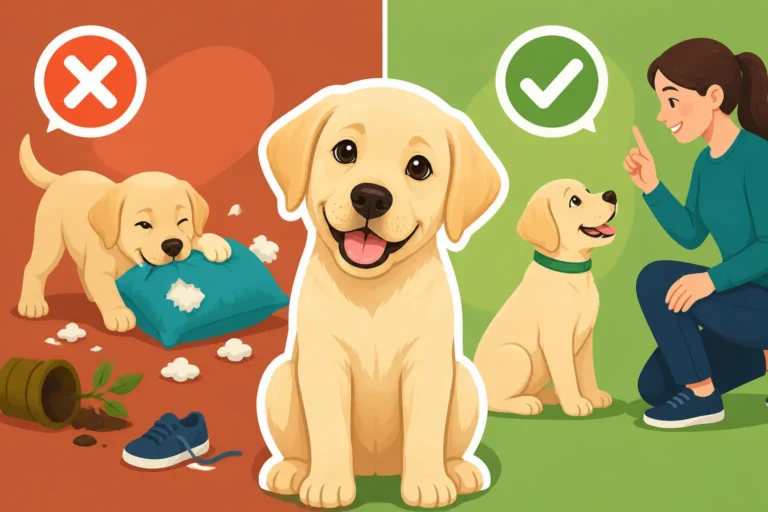
If your Labrador seems to suddenly think your furniture, shoes, or even the drywall is a delicious chew toy, welcome to the adolescent chewing phase! This isn't always teething-related; it's often a manifestation of boredom, excess energy, stress, or just a natural drive to explore their world with their mouth. Labradors are oral dogs by nature, and this drive is particularly strong in adolescence. This is a common aspect of Labrador chewing through adolescence.
The key to managing this is multi-pronged:
- Provide appropriate outlets: Always have a variety of tough, engaging chew toys available. Rotate them to keep things interesting. Look for Nylabone, KONG, or similar brands known for durability. Amazon has a wide selection of "power chewer" toys.
- Supervise: Don't leave your adolescent Lab unsupervised with access to tempting, inappropriate items. Crate them or use a puppy-proofed room when you can't actively watch them.
- Redirection: If you catch them chewing something inappropriate, calmly interrupt, remove the item, and immediately offer an appropriate chew toy. Praise them when they take the toy.
- Exercise & Mental Stimulation: A tired and mentally stimulated Labrador is less likely to resort to destructive chewing out of boredom or excess energy.
Barking and Reactivity Challenges
Adolescence can bring an increase in barking, whether it's attention-seeking, territorial, or reactive barking at things outside the window or on walks. This is often linked to their developing maturity and increased awareness of their surroundings. For example, their natural protective instincts might start to kick in, or they might simply be frustrated by not being able to greet every dog or person they see. Understanding Labrador barking triggers is crucial.
Addressing barking and reactivity requires patience:
- Identify the trigger: What exactly are they barking at? People passing by? Other dogs? The mailman?
- Management: Reduce opportunities for practice. If they bark at the window, close the blinds or use window film. If they react on walks, increase distance from triggers.
- Counter-conditioning and desensitization: Gradually expose them to the trigger at a distance where they don't react, and reward them with high-value treats for remaining calm. Slowly decrease the distance over time.
- Training: Teach a "quiet" command, and practice "look at me" to redirect their focus to you when a trigger appears.
The Counter-Surfing Conundrum
Ah, the art of counter-surfing. Your adolescent Labrador, now taller and more adventurous, might discover the thrilling world of forbidden treats left carelessly on kitchen counters. Their incredible sense of smell and their insatiable appetite make them prime candidates for this frustrating habit.
Here's how to tackle it:
- Management is king: The easiest way to stop counter-surfing is to prevent it from happening. Keep your counters absolutely clear of food, dirty dishes, and anything tempting. If there's nothing to steal, they can't practice the behavior.
- Teach an incompatible behavior: Train a strong "place" command, where they go to a specific bed or mat when you're in the kitchen. Reward them heavily for staying there.
- Supervise: If you see them eyeing the counter, redirect them with a verbal "leave it" or by sending them to their "place."
- No reward: Never, ever accidentally reward counter-surfing. If they manage to snatch something, don't chase them or try to get it back (unless it's dangerous). Just clean up the mess and double down on prevention.
Remember, every time your Labrador successfully counter-surfs, the behavior is reinforced. Consistency in keeping surfaces clear and rewarding appropriate behavior is essential.
Seeking Professional Help
Sometimes, despite your best efforts, adolescent behaviors can feel overwhelming or even escalate beyond what you feel comfortable handling on your own. There is absolutely no shame in seeking professional help; in fact, it's often the smartest thing you can do for both you and your Labrador.
When Your Efforts Aren't Enough
You've tried everything – consistency, exercise, mental stimulation, going back to basics – but your Labrador is still struggling with severe reactivity, intense fear, aggressive tendencies, or destructive behaviors that put them or your home at risk. Perhaps you're feeling frustrated, overwhelmed, or even starting to resent your dog. These are all valid reasons to reach out for professional guidance. A trainer or behaviorist can offer an objective perspective, identify underlying issues you might be missing, and provide tailored strategies for your specific situation. This isn't admitting defeat; it's being a responsible and proactive dog owner.
Sometimes, issues like Separation anxiety in Labrador retrievers or intense leash reactivity can be complex, and a professional can provide the nuanced support needed to truly make progress. Don't wait until the situation becomes unbearable. Early intervention is always better.
Finding the Right Trainer or Behaviorist
Choosing the right professional is critical. Look for certified professional dog trainers (CPDT-KA) or certified applied animal behaviorists (CAAB or ACAAB). These individuals have undergone rigorous education and certification processes. Avoid trainers who advocate for harsh, punitive, or fear-based methods (e.g., extensive use of prong collars, shock collars, or alpha rolls), as these can damage your relationship with your Labrador and exacerbate behavioral issues.
Interview potential trainers:
- Ask about their methods and philosophy (positive reinforcement is key!).
- Inquire about their experience with adolescent Labradors and specific issues like yours.
- Ask for references.
- Observe a class or session if possible.
A good trainer will focus on teaching you how to work with your dog, empowering you with the tools and knowledge you need. For guidance on finding the right fit, refer to What to ask a trainer before booking a Labrador.
Understanding the Benefits of Group Classes
Group obedience classes can be incredibly beneficial for adolescent Labradors. They provide a structured environment for socialization (being around other dogs while focusing on you), exposure to new people and sounds, and a dedicated time for training away from home distractions. The instructor can provide immediate feedback on your technique, and you can learn from observing other dogs and handlers.
Moreover, group classes offer invaluable peer support. You'll likely meet other owners struggling with similar adolescent antics, reminding you that you're not alone. The shared experience can be incredibly validating and motivating. Even if you've attended puppy classes, an adolescent obedience class can help solidify manners and focus as your Lab enters this challenging new phase.
Understanding Developmental Changes
Adolescence isn't just a behavioral phase; it's a period of significant physiological and neurological development. Understanding these underlying changes can help you approach your Labrador's "rebellion" with more empathy and strategic insight.
Hormonal Shifts and Their Impact
Just like human teenagers, adolescent Labradors experience significant hormonal shifts. For intact males, a surge in testosterone can lead to increased marking, roaming, mounting behavior, and a greater interest in females. For intact females, their first heat cycle (estrus) will bring its own set of hormonal changes, often around 6-12 months of age, which can impact mood, focus, and energy levels.
These hormonal changes can definitely contribute to the behavioral challenges you're seeing. It's a natural part of their development. If you're considering spaying or neutering, discuss the optimal timing with your veterinarian, as there's ongoing research about the impact of early versus later sterilization on joint health and behavior in large breeds like Labradors. You might find Neutering a Male Labrador and Joint Risk sheds more light on timing considerations.
Growth Plate Closure and Safe Exercise
As mentioned earlier, your Labrador's growth plates (areas of cartilage at the ends of long bones) are still open during much of adolescence. These plates don't fully close until typically 12-18 months of age, sometimes later for larger individuals. Until they close, they are vulnerable to injury. Overly strenuous or repetitive activities, like jumping from significant heights, long-distance running on hard surfaces, or intense, sustained agility work, can damage these plates, potentially leading to orthopedic issues later in life.
This means you need to be mindful of how you exercise your adolescent Labrador. While they have boundless energy, focus on activities that are lower impact, such as swimming, walking, and controlled games of fetch on soft surfaces. Short bursts of intense activity are usually fine, but avoid long, sustained high-impact sessions. It's a delicate balance of burning energy without stressing their still-developing skeletal system.
The Slow Road to Emotional Maturity
While your Labrador might look like an adult, their emotional maturity lags behind their physical growth. They’re still learning how to regulate their emotions, handle frustration, and make good choices when faced with distractions or strong impulses. This is why their responses can sometimes seem over-the-top, or why they struggle with self-control even when they know what they "should" do.
This slow maturation process means that you need to continue acting as their guide and teacher. Provide clear expectations, consistent boundaries, and plenty of positive reinforcement for calm, appropriate behavior. Just as you wouldn't expect a 13-year-old human to have the emotional regulation of a 25-year-old, don't expect it from your adolescent Labrador. The good news is that with consistent guidance, patience, and continued training, your Labrador will mature into the wonderful, reliable companion you always envisioned. The article When a Labrador actually calms down further explores the timeline of this emotional maturity.
Adolescence is a trying time for many Labrador owners, but it's a phase that passes. With understanding, consistency, and a good sense of humor, you'll guide your furry teenager through this awkward stage and emerge with a well-adjusted, confident adult Labrador.
| Adolescent Labrador Challenge | Common Manifestation | Practical Solution |
|---|---|---|
| Selective Hearing | Ignores "Come," "Sit" | Go back to basics, use high-value treats, reduce distractions, practice frequently. |
| Destructive Chewing | Chewing furniture, shoes | Provide durable chew toys (e.g., KONG, Nylabone), supervise, redirect to appropriate chews, ensure ample exercise/mental stimulation. |
| Excess Energy/Restlessness | Pacing, whining, zoomies | 60-90 min vigorous exercise daily, add mental games (puzzle toys, scent work), structured walks. |
| Counter-Surfing | Stealing food from counters | Keep counters clear, teach "leave it" and "place" commands, manage access to kitchen. |
| Pulling on Leash | Dragging you on walks | Use a front-clip harness or head halter, practice loose-leash walking in low-distraction areas, reward consistently. See Stopping a Labrador from pulling on leash. |
| Increased Barking | Barking at people, dogs, sounds | Identify triggers, manage environment (close blinds), desensitize and counter-condition, teach "quiet." |
| Boundary Pushing | Testing rules, defiance | Consistent rules from all family members, clear consequences (e.g., time out from play), positive reinforcement for good choices. |
| "Naughty" Behaviors | Digging, jumping, nipping | Redirection, provide appropriate outlets (e.g., designated digging pit, mental work), consistent training of polite greetings. |
Disclaimer
This article is for general informational purposes only and does not constitute professional advice. Laws, prices and regulations vary by location and change over time. Consult a qualified professional for guidance on your specific situation.