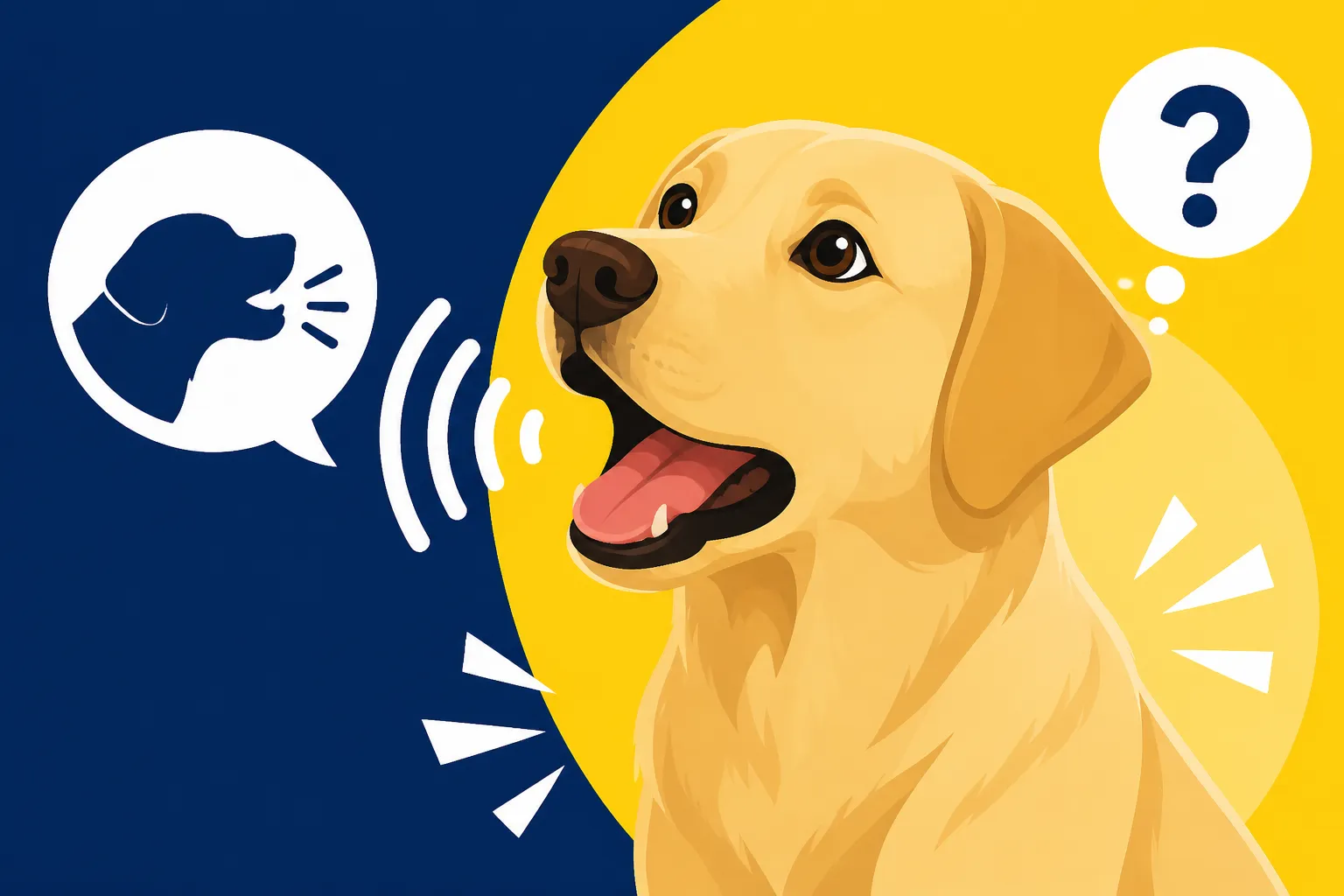
How Vocal a Labrador Retriever Is
Many people envision Labradors as relatively quiet, easygoing companions, maybe offering a friendly "woof" when someone's at the door or a happy yelp during a game of fetch. The truth is, Labs can be surprisingly vocal creatures, using a wide array of sounds to communicate everything from excitement to profound displeasure. If you've ever felt like your Labrador has a running commentary on life, or if their barking has become a source of frustration, you're not alone. This guide aims to shed light on just how much Labradors tend to vocalize, the common reasons behind their various sounds, and practical strategies to manage excessive barking or other noisy behaviors.
How Vocal Are Labradors, Really?
It’s easy to fall for the image of the perpetually calm, silent Labrador. After all, they’re often portrayed as the ultimate family dog, unflappable and serene. While many Labs can be incredibly zen, especially when they’re older and well-exercised, the reality is that their ancestry as working dogs bred to retrieve and alert means they often have a natural propensity for vocalization. They're not generally known as incessant barkers like some smaller breeds, but they are far from silent.
The Stereotype vs. Reality
The quiet Labrador is often an aspiration rather than a given. Many Lab owners, myself included, have discovered that their seemingly placid dog has a surprising range of sounds at their disposal. From excited yips and growls during play to full-throated barks at passing squirrels, the Labrador vocal repertoire is richer than many first-time owners anticipate. It really boils down to individual personality, training, and environmental factors. Some Labs are naturally more reserved, while others seem to believe they need to narrate their entire day for your benefit.
It’s a common frustration when you bring home a sweet puppy only to realize a few months later that every leaf blowing past the window is cause for a barking fit, or that every forgotten crumb on the counter warrants a mournful whine. This isn't a sign of a "bad" Labrador; it's often just a Labrador expressing themselves in the way that makes the most sense to them. Understanding that vocalization is a form of communication is the first step, even if that communication is sometimes inconveniently loud.
The Labrador's Vocal Repertoire
Labradors don't just bark; they have a whole lexicon of sounds. Think about it: a happy Labrador might offer a soft "woof" of greeting, an excited little yelp as you grab the leash, or a playful growl during a tug-of-war game. On the other hand, a frustrated Lab might emit a deep, rumbling groan if they can't reach a toy, or a dramatic sigh when you don't immediately respond to their request for attention. Whining is another common vocalization, especially when they want something, like a treat or to go outside.
Sometimes, their vocalizations can even be a bit more subtle, like a soft huff or a grumble under their breath. These sounds are all part of their natural communication toolkit. While some might be charming, like the excited "talk" a dog might do when you come home, others can be incredibly disruptive, such as incessant barking at the mail carrier or a high-pitched whine that pierces the quiet of the morning. Each sound often carries a different message, and learning to differentiate them can help you understand your dog better.
Individual Differences in Talkativeness
Just like people, every Labrador has their own unique personality, and this includes their tendency to be vocal. You might have a friend with a Labrador who rarely makes a peep, while your own dog seems to have an opinion on everything. These individual differences can be influenced by genetics, early socialization, and the environment they grow up in. For instance, a Labrador from a line historically bred for field work might have a stronger "alert" instinct, making them more prone to barking at perceived intruders or changes in their environment.
Conversely, some show line Labradors, bred more for their calm temperament in the show ring, might be less inclined to vocalize excessively. Whether Show Breeding Changed the Labrador is a fascinating topic that touches on these variations. Puppyhood experiences also play a huge role. A puppy that was inadvertently rewarded for barking (even with negative attention) might grow up to be more vocal. The bottom line is, there's no single "Labrador standard" for vocalization, but rather a spectrum influenced by many factors.
Common Reasons Your Labrador Gets Chatty
Understanding why your Labrador is being vocal is the first step to managing the behavior. It’s rarely malicious; rather, it’s usually their way of communicating a need, a feeling, or a reaction to their environment. Dismissing it as "just barking" misses the rich subtext of their actions.
Alert Barking and Territoriality
One of the most common reasons Labradors bark is to alert you to something in their environment. This can be anything from someone walking past the window, the doorbell ringing, a delivery driver approaching, or even just a squirrel scampering across the fence. This type of barking is rooted in their natural instinct to protect their home and family. While it can be helpful for security, it can quickly become excessive if not managed. They see something, they bark, you investigate (even if it's just looking out the window), and in their mind, they've done their job and been "rewarded" by your attention.
It's a tricky cycle to break because the perceived threat (like the mail carrier) eventually leaves, which the dog might interpret as their barking having successfully "chased away" the intruder. This reinforces the behavior. Managing this often involves teaching a "quiet" command and managing their view of the triggers, perhaps by using window film or keeping them in a different room when potential triggers are expected. If you're struggling with this, looking into Labrador Barking Triggers can give you more specific insights.
Attention Seeking and Demand Barking
Ah, the classic attention-seeking bark or whine! Labradors are incredibly intelligent and quickly learn what behaviors get them what they want. If your Labrador barks, whines, or grumbles, and you immediately respond by looking at them, talking to them, or getting up to see what they need, you are inadvertently teaching them that being vocal is an effective way to get your attention. This can escalate into persistent demand barking. They might demand a toy, food, a walk, or simply for you to acknowledge their presence.
This behavior can be incredibly frustrating because it often happens at the most inconvenient times, like during a phone call or when you're trying to relax. To counteract this, the key is to ignore the vocalization completely and only reward quiet behavior. It sounds simple, but it requires immense patience and consistency. You must ensure you're not accidentally reinforcing the behavior. Sometimes, a short period of intense barking might occur as your dog tries harder to get your attention before realizing it no longer works – this is known as an extinction burst.
Boredom, Frustration, and Anxiety
A bored Labrador is often a vocal Labrador. These dogs are intelligent and energetic, and if they don't get enough physical and mental stimulation, they will find ways to entertain themselves, and vocalizing is often one of them. Picture a Labrador with pent-up energy, staring out the window, with nothing to do. They might start barking at shadows, or whining from sheer under-stimulation. This is why Mental Work for a Bored Labrador is so crucial, alongside adequate physical exercise.
Frustration can also lead to vocalization. If a Labrador can see a toy but can't reach it, or is eager to greet another dog but is held back on the leash, they might bark or whine in frustration. Similarly, anxiety, especially separation anxiety, can manifest as excessive vocalization when left alone. A Labrador with separation anxiety might bark, howl, or whine continuously when their owner is absent, often accompanied by other destructive behaviors. Understanding Whether Labradors Get Separation Anxiety is vital for addressing this deeper issue.
Excitement and Play-Related Noises
Not all vocalization is problematic! Labradors are generally exuberant dogs, and their excitement often comes with a soundtrack. During a rousing game of fetch, you might hear excited yips or happy barks. When greeting you after a long day, they might offer a series of soft "woofs" or a cheerful whine, often combined with full-body wiggles. During rough-and-tumble play with another dog, playful growls and yelps are perfectly normal and part of healthy dog communication.
These are generally not behaviors that need to be "fixed," as they are natural expressions of joy and engagement. The only time to manage excitement-related vocalizations is if they become too intense or disruptive, such as barking incessantly at visitors even after the initial greeting period. In those cases, you might focus on teaching a calm "settle" command to transition them from high excitement to a more relaxed state.
Managing Excessive Vocalization in Labradors
Tackling a chatty Labrador requires a multi-faceted approach. There's no magic bullet, but with patience, consistency, and a good understanding of your dog, you can absolutely make progress.
Addressing the Root Cause Through Training
The most effective way to manage excessive vocalization is to identify and address the underlying cause. Is your Labrador barking out of boredom? Then more exercise, mental stimulation, and perhaps some puzzle feeders from Chewy are in order. Is it demand barking? Then strict management of your responses is critical. For alert barking, teaching a "quiet" command is invaluable. Start by letting them bark once or twice at a trigger, then say "Quiet," and immediately distract them with a high-value treat. As soon as they stop barking, reward them. Over time, they'll associate "quiet" with stopping the barking.
A great resource for specific strategies on Quieting a Labrador Who Barks for Attention can provide a detailed roadmap. This also ties into overall obedience training. A Labrador that understands basic commands like "sit," "stay," and "leave it" is generally more responsive to being redirected from unwanted vocalizations. Consistent positive reinforcement training throughout their life, starting with Training a Labrador From Puppy to Adult, builds a strong foundation for good behavior.
Environmental Management and Enrichment
Sometimes, simply changing the environment can dramatically reduce a Labrador’s vocalizations. If your dog barks at everything passing by the window, consider blocking their view with curtains, frosted window film, or even by moving their crate or bed to a less stimulating location. For outdoor barking, a solid fence or a dog run away from busy areas can help.
Enrichment is absolutely vital for Labradors. These intelligent dogs need more than just physical exercise; their minds need to be worked too. This can include:
- Puzzle toys and feeders: These make meal times a mental challenge instead of a quick gulp. You can find many excellent options on Chewy that will slow down a greedy Labrador.
- Chew toys: Provide a variety of durable chew toys. Chew Toys That Survive a Labrador are worth investing in to keep their jaws busy and prevent destructive chewing, which can sometimes be a manifestation of boredom.
- Training sessions: Even short, 5-10 minute training sessions daily can provide significant mental stimulation.
- Scent work: Hiding treats around the house or yard for your Labrador to find taps into their natural scenting abilities and is incredibly tiring.
| Vocalization Type | Common Cause | Management Strategy |
|---|---|---|
| Alert Barking | Perceived threat/novelty | Block view, "quiet" command, reward silence |
| Demand Barking | Attention seeking | Ignore vocalization, reward calm/quiet behavior |
| Whining (general) | Wanting something | Ignore, teach "settle," ensure needs are met quietly |
| Play Growls/Yelps | Excitement, play | Generally acceptable, intervene if too intense |
| Boredom Barking | Lack of stimulation | Increase exercise, mental enrichment (puzzles, training) |
| Anxiety Howling/Barking | Stress, separation | Desensitize, counter-condition, professional help |
Consistency is Key
Behavior modification, especially for deeply ingrained habits like barking, requires unwavering consistency from everyone in the household. If one person ignores demand barking while another gives in "just this once," the dog will learn that persistence sometimes pays off, making the behavior even harder to extinguish. Create a plan and stick to it. This includes ensuring your Labrador gets sufficient Exercise a Labrador Needs Each Day to burn off excess energy that might otherwise manifest as vocalizations.
Remember, changing a dog's behavior takes time. You're not going to see results overnight. There will be good days and bad days, and you'll likely encounter those "extinction bursts" where the barking seems to get worse before it gets better. Stay calm, stay consistent, and celebrate small victories. Positive reinforcement works best, so always focus on rewarding the quiet, calm behaviors you want to see more of.
When to Worry About Your Labrador's Vocalizations
While most vocalizations are normal Labrador communication, there are times when a sudden change in their barking or whining might signal something more serious. It's always better to be safe than sorry when it comes to your dog's health and well-being.
Sudden Changes in Vocal Patterns
Any abrupt and unexplained change in your Labrador's vocal patterns warrants attention. If a normally quiet dog suddenly starts barking incessantly, or if a dog who rarely whined begins to do so constantly, it could be a red flag. This might mean an underlying medical issue, a new source of pain, or a sudden onset of anxiety. Sometimes, seemingly innocuous changes like a new neighbor, construction nearby, or even a change in your work schedule can trigger behavioral shifts.
Pay close attention to when the vocalizations occur, what accompanies them (e.g., restlessness, panting, pacing), and if there are any other behavioral changes. Are they eating less, sleeping more, or showing signs of aggression? These details can provide valuable clues for both you and your veterinarian or a professional dog behaviorist.
Linking Vocalizations to Pain or Illness
Dogs are incredibly stoic creatures, and Labradors, in particular, are known for masking pain. Reading Pain in a Stoic Labrador can be challenging, but vocalizations are sometimes one of the few outward signs they give. A sudden increase in whining, especially when moving, being touched in a certain area, or attempting to get comfortable, could indicate pain from arthritis, an injury, or another health issue. If your dog yelps when jumping on the couch, or grumbles when trying to lie down, it’s worth a vet visit.
Conditions like dental pain, urinary tract infections, digestive upset, or even neurological issues can manifest as increased vocalization. If there's no obvious environmental trigger for the increased noise, and especially if it's accompanied by other subtle signs of discomfort, don't hesitate to contact your veterinarian. They can rule out medical causes, which is always the first step before assuming it's purely a behavioral issue.
When Professional Help is Needed
If you've tried various management and training techniques with consistency and your Labrador's excessive vocalization persists, or if it's accompanied by destructive behaviors, aggression, or severe anxiety, it's time to seek professional help. This could mean consulting with your veterinarian to explore potential medical causes, or a certified professional dog trainer or veterinary behaviorist.
A qualified professional can help identify the root cause of the behavior, develop a tailored training plan, and provide strategies that you might not have considered. They can also differentiate between common behavioral issues and more serious conditions like severe separation anxiety or compulsive disorders, which might require a more intensive intervention, potentially including medication in conjunction with behavior modification. Don't feel like you've failed if you need to call in a professional; you're simply giving your Labrador the best possible chance to live a calm, happy life.
Disclaimer
This article is for general informational purposes only and does not constitute professional advice. Laws, prices and regulations vary by location and change over time. Consult a qualified professional for guidance on your specific situation.