Why Labrador Puppies Should Not Jog
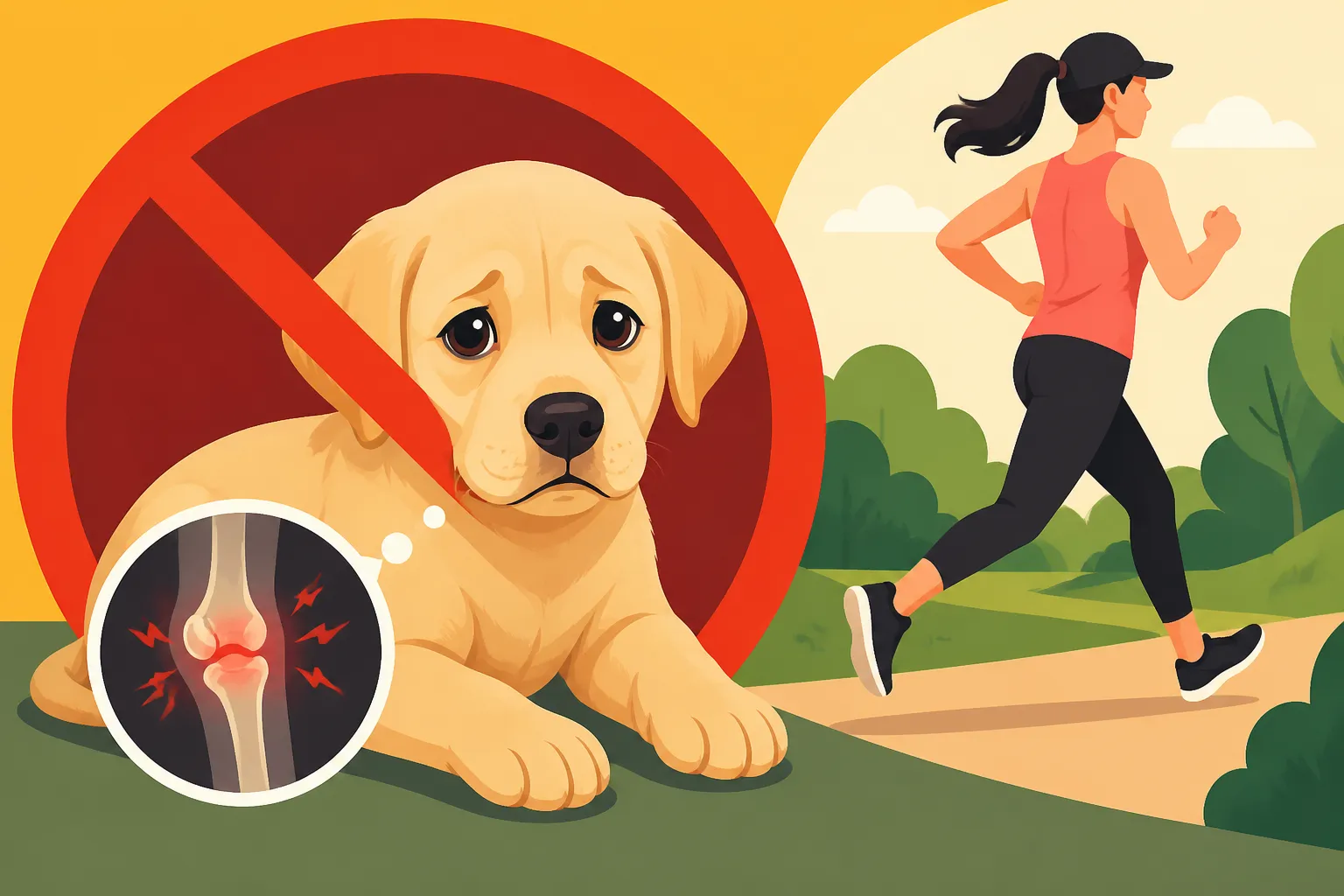
It’s a natural inclination to want to share all your favorite activities with your new Labrador puppy, and for many active folks, that includes jogging. You might picture those idyllic morning runs with your energetic pup trotting happily beside you. However, as tempting as it is, hitting the pavement for sustained runs with a young Labrador puppy can actually do more harm than good to their still-developing bodies. This guide will walk you through exactly why those long, repetitive jogs are off-limits for growing Labs and what you can do instead to ensure they grow into strong, healthy adults.
The Delicate Dance of Puppy Growth Plates
When you look at a Labrador puppy, all you see is boundless energy and soft fur, but beneath that adorable exterior, their skeleton is a work in progress. Unlike an adult dog, a puppy's bones aren't fully formed and hardened. They have crucial areas of soft cartilage that are actively growing and vulnerable.
What Are Growth Plates Anyway?
Imagine the ends of a puppy's long bones – the femur in the thigh, the tibia in the lower leg, the humerus in the upper arm. At these ends, there are specialized areas called "growth plates," or epiphyseal plates. Think of them as soft, cartilaginous seams within the bone that are responsible for all the lengthening of the bone as your puppy grows. They're basically little factories constantly producing new bone cells, pushing the ends of the bone further apart. These growth plates remain open, meaning they are active and susceptible to damage, until your Labrador reaches skeletal maturity, which can be anywhere from 12 to 18 months, or even a bit longer for larger or slower-maturing individuals.
Because these plates are made of cartilage, they are much softer and more fragile than the hard, calcified bone found in adults. This makes them highly susceptible to injury from repetitive stress or impact. A minor tweak or too much pressure on an open growth plate can cause it to fuse prematurely or heal improperly, leading to a bone that stops growing at that point or grows unevenly. This can result in significant skeletal deformities and lifelong lameness. For a breed like the Labrador, which is prone to joint issues like Labrador Hip and Elbow Dysplasia later in life, protecting these plates during puppyhood is paramount.
Why Forced Exercise is a Foe, Not a Friend
When we talk about "forced exercise" for a puppy, we mean any activity where the puppy is compelled to keep moving for a sustained period, especially at a consistent pace set by a human. This includes things like jogging alongside you, long hikes on hard surfaces, or even endless games of fetch where the puppy isn't allowed to stop and rest when they want.
The issue with jogging, in particular, is the repetitive, high-impact nature of the activity. Every step a running puppy takes puts stress on those fragile growth plates. While a short burst of running during play is usually fine, sustained jogging means hundreds, if not thousands, of repeated impacts. This can cause microtrauma – tiny, imperceptible injuries – to the growth plates. Over time, these microtraumas accumulate and can lead to more severe damage. It's not about one bad jog; it's about the cumulative effect of too much, too soon. A puppy doesn't know when to stop if you're setting the pace, and their desire to please you or chase a ball will often override their body's need for rest.
The Long-Term Consequences of Early Strain
The consequences of pushing a Labrador puppy too hard during this critical growth phase can be devastating and, unfortunately, often irreversible. Damaged growth plates can lead to a host of orthopedic problems. If a growth plate fuses too early, one bone might end up shorter than its paired bone, or one side of a bone might stop growing while the other continues, leading to angular limb deformities. Imagine a dog trying to walk and run on legs that aren't quite the same length or are bowed.
Beyond immediate deformities, chronic stress on immature joints and bones can predispose your Labrador to severe Labrador Arthritis in Middle Age. Conditions like hip and elbow dysplasia, while having a genetic component, can be exacerbated by excessive, inappropriate exercise in puppyhood. When a puppy's joints are repeatedly strained, the cartilage can wear down, and the bones can develop abnormally, making them more prone to pain and degenerative joint disease as they age. This is why understanding How Fast Growth Damages a Labrador's Joints is so important. You’re not just impacting their current comfort; you’re setting the stage for their entire adult life.
Understanding Appropriate Puppy Exercise
So, if jogging is out, what is okay? It's not about keeping your Labrador puppy a couch potato; it's about providing the right kind of exercise at the right time. The goal is to build muscle, develop coordination, and burn off energy without putting undue stress on their developing skeleton.
"Puppy-Led Play" – The Golden Rule
The best kind of exercise for a Labrador puppy is what we call "puppy-led play." This means allowing your puppy to dictate the pace and duration of their activities. Think about how puppies play naturally: short bursts of running, wrestling, pouncing, then sudden stops to sniff something interesting, followed by a flop to rest. This kind of self-directed activity allows their bodies to develop at a natural, healthy rate.
Examples of puppy-led play include:
- Exploring the backyard: Let them sniff around, chase butterflies, or roll in the grass.
- Short, gentle walks: These are more about sniffing and mental stimulation than covering distance.
- Wrestling with a suitable playmate: Another healthy, vaccinated puppy or a calm, adult dog who understands puppy manners.
- Tugging on a soft toy: But keep it gentle and let them win often to build confidence.
The key is that they can start, stop, and change activities whenever they feel like it. This prevents the sustained, repetitive impact that damages growth plates.
How Much is Too Much?
This is where many new Labrador owners feel a bit lost. How do you know if you’re doing too much? A commonly cited guideline, often called the "5-minute rule," suggests that puppies get 5 minutes of structured exercise per day, per month of age. So, a 3-month-old puppy would get around 15 minutes of structured activity, and a 4-month-old would get 20 minutes.
"Structured exercise" typically refers to walks on a leash or a directed training session. Unstructured play in a safe, fenced area doesn't count towards this total, as the puppy is free to rest. This rule helps ensure you're not overdoing it. Remember, Labradors are energetic, but that energy needs to be managed carefully in puppyhood. For a deeper dive into appropriate activity, check out Exercise Limits for a Labrador Puppy.
Here’s a rough guide to keep in mind:
| Age of Puppy | Daily Structured Exercise Limit (approx.) | Appropriate Activities | Inappropriate Activities |
|---|---|---|---|
| 8-12 Weeks | 10-15 minutes (2-3 sessions) | Short walks, supervised play, short training bursts | Long jogs, jumping, repetitive stair climbing, dog park romps |
| 3-4 Months | 15-20 minutes (2-3 sessions) | Slightly longer walks, fetch on soft ground, puppy classes | Sustained running, hard-surface hikes, agility |
| 5-6 Months | 25-30 minutes (2-3 sessions) | Moderate walks, controlled fetch, intro to swimming | Any high-impact, forced exercise, prolonged jogging |
| 7-12 Months | 35-60 minutes (2-3 sessions) | Longer walks, hiking on soft trails, retrieving games | Marathon runs, high jumps, excessive road running |
| 12-18+ Months | Gradually increase as cleared by vet | Jogging on soft surfaces, dog sports, long hikes | Excessive intensity before full maturity |
This table is a general guide; always observe your individual puppy and consult with your vet.
Recognizing Signs of Overtiredness or Pain
Your Labrador puppy can't tell you in words when they're hurting or tired, so it's up to you to be a diligent observer. If you see any of these signs, it's time to stop the activity and give them a break, and potentially contact your vet if symptoms persist:
- Limping or favouring a limb: Even a slight limp is a red flag.
- Lagging behind: If they're usually at your heels but suddenly fall back, they're tired.
- Reluctance to move: Hesitation to jump into the car or get up from a nap could indicate discomfort.
- Excessive panting or drooling: Beyond what's normal for the temperature and activity level.
- Whining or yelping: Clear signs of pain.
- Shifting weight frequently: While standing, they might constantly shift weight from one paw to another.
- Swelling: Any visible swelling around joints needs immediate attention.
Remember, Labradors are generally stoic and eager to please, so they might try to push through discomfort. It's your job to advocate for them and prevent injury. If you have concerns about their development, talk to your vet, especially regarding Labrador Puppy Health in the First Year.
Safe Activities to Keep Your Labrador Puppy Happy and Healthy
Even without jogging, there are plenty of wonderful ways to exercise and bond with your Labrador puppy that support their healthy growth and development.
Structured Playtime and Training
Short, positive training sessions are fantastic for mental stimulation and gentle physical activity. Think of it as brain work that also involves a little movement. Teaching basic commands like "sit," "stay," "come," and "down" can be done in 5-10 minute bursts several times a day. Use treats (like healthy options you can find on Chewy or even make at home with veggies) and praise to keep it fun. Training a Labrador From Puppy to Adult is a great resource here.
Gentle fetch on soft grass is another excellent option. Keep throws short and let them bring the toy back at their own pace. Avoid aggressive, twisting jumps or hard landings. Puzzle toys, readily available on Amazon or Chewy, are also brilliant for mental engagement and can even double as mealtime enrichment, slowing down those fast eaters! What a Labrador Puppy Starter Kit Costs often includes some good options.
For walks, focus on exploring new sights and smells rather than covering miles. A 15-minute stroll around the block where your puppy can sniff every lamppost and patch of grass is far more enriching and less impactful than a brisk 15-minute walk on concrete with no sniffing allowed.
Swimming as a Low-Impact Option
This is where Labradors truly shine! Swimming is one of the absolute best forms of exercise for puppies because it's non-weight-bearing. The water supports their body, reducing stress on those sensitive growth plates and developing joints, while still allowing them to build strong muscles and improve cardiovascular health.
Introduce your puppy to water gradually and positively. Start in shallow water, perhaps a kiddie pool in your backyard, or a calm, clean lake with a gently sloping entry. Always supervise them closely, and make sure the water is warm enough. While Labradors are natural swimmers, using a puppy-sized life jacket for their first few aquatic adventures can boost their confidence and give you peace of mind. As they get older, Swimming as Exercise for a Labrador can become a core part of their routine. Just be sure to rinse and dry their ears thoroughly afterward to prevent infections!
When Can Your Labrador Join You for a Jog?
The big question, right? Generally, veterinarians recommend waiting until your Labrador is skeletally mature before engaging in repetitive, high-impact activities like jogging. For most Labradors, this means waiting until they are at least 12 to 18 months old. Some larger or slower-maturing individuals might need even longer, closer to 2 years.
This isn't a hard and fast rule set in stone, as every dog is an individual. The best approach is to have a conversation with your veterinarian. They can assess your specific Labrador's development, discuss their health clearances (if applicable, especially for parents checked for Health Clearances a Labrador Breeder Must Show), and give you personalized advice on when it's safe to introduce more strenuous exercise.
When you do start jogging, begin slowly. A short 5-minute jog, followed by a walk, gradually increasing the duration and intensity over several weeks or months. Pay close attention to your dog for any signs of discomfort or fatigue. Always choose softer surfaces like dirt trails or grass over hard pavement whenever possible to minimize impact on their joints. Think about your own joint health – you probably wouldn't run a marathon on concrete every day, and neither should your dog.
By understanding and respecting the delicate process of your Labrador puppy's growth, you're not just preventing problems; you're actively investing in a lifetime of happy, healthy adventures together. Patience now will pay off in miles of smiles later!
Disclaimer
This article is for general informational purposes only and does not constitute professional advice. Laws, prices and regulations vary by location and change over time. Consult a qualified professional for guidance on your specific situation.