Keeping a Labrador on a Modest Budget
Bringing a gorgeous Labrador Retriever into your life is a dream for many, full of visions of lakeside retrieves and cozy evening cuddles. But let's be real, the cost of ownership can sometimes feel like a heavy weight on your shoulders, making you wonder if you can truly provide the best without breaking the bank. This guide is here to walk you through how to responsibly and lovingly care for your Labrador, proving that you absolutely can manage a modest budget while still giving them a wonderful, healthy life.
Initial Costs: Puppy or Adoption
Before you even bring your furry friend home, there's the initial investment that often catches prospective owners off guard. Whether you're dreaming of a tiny, clumsy puppy or offering a loving home to an adult in need, these foundational costs are significant.
The Price Tag of a Puppy vs. Adoption Fees
The allure of a Labrador puppy is undeniable – those sweet, wrinkly faces and endless energy just melt your heart. However, the price tag for a well-bred Labrador puppy from a reputable breeder can be substantial, often ranging from $1,000 to $2,500, or even more in certain regions or for specific lines. This cost reflects the breeder's investment in health clearances, quality nutrition for the dam and pups, proper socialization, and early vet care. It's a premium that ideally ensures a healthier, well-adjusted dog in the long run. If you're exploring this route, understanding Labrador Puppy Prices and What Moves Them can help you discern a fair price from a potential red flag.
On the other hand, adopting an adult Labrador from a rescue organization offers a more budget-friendly entry point, with adoption fees typically falling between $250 and $500. These fees usually cover a significant amount of veterinary care, including spay/neuter surgery, vaccinations, microchipping, and sometimes even dental cleanings. Rescues like the Labrador Retriever Rescue of the Northeast or Midwest Labrador Retriever Rescue often have wonderful dogs of all ages looking for homes, and the adoption fee is a small fraction of what you'd pay for the same care out-of-pocket. Plus, many rescue dogs come with basic training and an established temperament, which can save you time and money on behavior modification down the road. You can dive deeper into Labrador Rescue Adoption Fees to understand what's typically included and why they vary.
First-Year Essentials Beyond the Initial Purchase
Beyond the initial puppy or adoption fee, the first year of Labrador ownership is notoriously the most expensive. You're not just buying a dog; you're setting up an entire infrastructure for their well-being. This includes crucial items like a sturdy crate (Labs grow fast!), food and water bowls, a comfortable bed, leash, collar, ID tags, and a variety of appropriate chew toys to protect your furniture. Don't underestimate the cost of these items; a good quality, large crate alone can be upwards of $100-$200, and a durable orthopedic bed can easily run $150 or more.
Then there are the essential veterinary costs that quickly add up for a young puppy. Multiple rounds of vaccinations are required in the first few months, along with deworming treatments, and a microchip. If you've adopted, many of these will already be covered, but a young puppy will need several vet visits to complete their initial series. Spaying or neutering, a significant one-time expense, is also typically done within the first year. For a deep dive into what you might need, check out What a Labrador Puppy Starter Kit Costs to ensure you're prepared. Factor in a visit or two for unexpected bumps or tummy upsets – puppies are notorious for getting into things!
Food Expenses: Fueling a Growing Appetite
Labradors are famously food-motivated, and keeping their stomachs full and their bodies nourished is a cornerstone of their care. This means food will be one of your most consistent and significant expenses. However, you can make smart choices to provide quality nutrition without blowing your budget.
Choosing Affordable, Quality Kibble
When it comes to feeding your Labrador, quality doesn't always have to equate to the most expensive bag on the shelf. While premium boutique brands can be tempting, many mid-range options offer excellent nutritional profiles that meet a Labrador's needs. Look for brands that list a real meat source (like chicken, beef, or lamb) as the first ingredient, followed by wholesome grains or vegetables. Avoid foods with excessive fillers, artificial colors, or by-products as primary ingredients. Many reputable brands offer large bags (30-40 lbs) that provide better value per pound, especially when bought from big box pet stores or online retailers.
It's also crucial to select a food appropriate for your Labrador's life stage. Puppies need a specific large-breed puppy formula to support healthy, controlled growth, which helps prevent developmental orthopedic issues. As they transition to adulthood, a high-quality adult formula is key. You can learn more about this by reading Feeding a Labrador Through Every Life Stage. Be mindful of portion control; Labradors are prone to weight gain, and overfeeding can lead to costly health problems down the line. A standard 70-pound adult Labrador might eat around 3-4 cups of dry kibble per day, but this varies based on activity level and the food's caloric density. Keep an eye on your dog's body condition and adjust accordingly.
Smart Shopping for Treats and Chews
Treats and chews are essential for training, enrichment, and simply showing your Labrador some love. However, the cost of store-bought treats can add up quickly. A budget-savvy approach involves making your own or opting for simpler, wholesome alternatives. Many fruits and vegetables like carrots, apple slices (without seeds), green beans, or blueberries make excellent low-calorie, inexpensive treats that most Labradors adore. Just be sure to research what human foods are safe for dogs.
When purchasing commercial treats, look for options that are single-ingredient or have minimal, recognizable ingredients. Bulk bags of dental chews or training treats often offer better value than smaller packages. Consider brands that sell larger, more economical quantities, like those found on Chewy, which often have sales and subscription options that can save you a few dollars over time. For more extended chewing, natural options like bully sticks or larger, harder chews can be found at varying price points. Just remember to factor these into your Labrador's daily calorie intake to prevent obesity, which, as we know from articles like Labrador Obesity and the Years It Costs, can significantly impact their lifespan and health.
Routine Veterinary Care and Preventative Health
Preventative care is arguably the most budget-friendly approach to Labrador ownership. Catching issues early or preventing them altogether saves a tremendous amount of money and heartache compared to treating advanced illnesses or emergencies.
Essential Vaccinations and Parasite Control
A foundational aspect of routine vet care involves keeping your Labrador up-to-date on vaccinations and protected from parasites. Puppies require a series of core vaccinations (distemper, parvovirus, adenovirus, parainfluenza) and often non-core vaccines like Leptospirosis, Lyme disease, and kennel cough depending on their lifestyle and geographic location. Adults typically need annual or triennial boosters. Each of these visits, while necessary, incurs a cost. You can get a clear picture of the typical schedule and its implications by researching Labrador Vaccination and Parasite Schedule.
Beyond vaccines, year-round prevention for heartworms, fleas, and ticks is critical. These medications can seem like a recurring expense, but they are far less costly than treating the diseases these parasites transmit. A single course of heartworm treatment, for example, can run into thousands of dollars and be incredibly hard on your dog's system. Many veterinarians offer annual wellness plans that bundle these preventative measures, sometimes at a slight discount. Alternatively, buying a year's supply of flea/tick and heartworm medication online from reputable pharmacies (often with a vet prescription) can sometimes offer cost savings compared to purchasing monthly from your vet's office.
Annual Check-ups and Dental Health
Even a healthy-looking Labrador needs at least one annual veterinary check-up. These visits allow your vet to perform a thorough physical examination, catch subtle changes that might indicate early disease, and ensure all preventative measures are in place. Early detection of conditions like arthritis, allergies, or even certain cancers can lead to more effective and less expensive treatment options down the line. An annual exam typically costs between $50-$150, not including any diagnostics or medications. For a ballpark figure of what to expect, consider reviewing Annual Routine Vet Spend for a Labrador.
Dental health is another often-overlooked area that can become very expensive if neglected. Labradors are no strangers to plaque and tartar buildup, which can lead to periodontal disease, pain, and even systemic health issues. Professional dental cleanings under anesthesia can cost anywhere from $500 to over $1,000, especially if extractions are needed. To mitigate this expense, establish a daily routine of brushing your Labrador's teeth at home. Using dog-specific toothpaste and a finger brush or canine toothbrush can dramatically reduce plaque buildup. Dental chews and water additives can also help, but nothing replaces regular brushing. Starting this habit when they are a puppy makes it much easier to maintain.
Training, Enrichment, and Mental Stimulation
A well-trained and mentally stimulated Labrador is a happy Labrador – and often a less destructive one! Investing time and effort in these areas can prevent costly behavioral problems, making your life and your dog's life much more enjoyable.
DIY Training and Free Resources
Professional dog trainers can be invaluable, but their services often come with a hefty price tag, especially for private sessions or board-and-train programs. Group puppy classes might range from $150-$300 for a multi-week course. If your budget is tight, fear not – there's a wealth of free and low-cost resources available for training your Labrador. The internet is brimming with high-quality tutorials, videos, and articles on positive reinforcement training methods. Many local libraries also carry excellent dog training books that cover everything from basic obedience to more advanced skills.
The key to successful DIY training with a Labrador is consistency and making it fun. Their food drive makes them highly trainable, so using their daily kibble ration as training treats can save money while building a strong bond. Focus on essential commands like "sit," "stay," "come," and "leave it." Building a strong Labrador Recall and Working Off Leash is paramount for their safety and your peace of mind. Short, frequent training sessions (5-10 minutes several times a day) are often more effective than long, infrequent ones. Remember, positive reinforcement, patience, and clear communication are your best tools.
Affordable Ways to Keep a Labrador Engaged
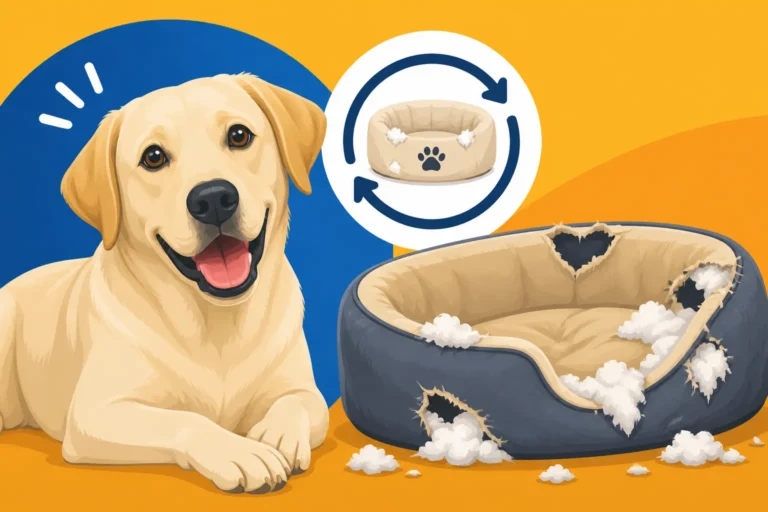
A bored Labrador is often a destructive Labrador, and replacing chewed furniture, garden hoses, or even entire door frames can be incredibly expensive. Labradors are intelligent, active dogs that need both physical exercise and mental challenges to thrive. Daily walks are a given, but creative, low-cost enrichment can go a long way.
Think outside the box: instead of expensive puzzle toys, try hiding their kibble around the house for them to "hunt" or scattering it in the yard. Freeze peanut butter (xylitol-free!) or plain yogurt in a Kong toy for a long-lasting, stimulating treat. Simple games of fetch or hide-and-seek with their favorite toy can burn energy and provide mental engagement. For the water-loving Labrador, a trip to a local dog-friendly lake or beach is often free and provides fantastic exercise. You can also teach them new tricks using online tutorials, which offers mental stimulation and strengthens your bond. Consider making homemade agility courses with household items like broomsticks and laundry baskets, providing a fun challenge without buying expensive equipment.
Gear, Supplies, and Home Adjustments
Your Labrador will need a few key pieces of gear throughout their life, and your home might need some adjustments to accommodate them. Making smart, durable choices upfront can save you money in the long run.
Making Smart Choices for Durable Gear
Labradors are strong, active dogs, and their gear needs to stand up to their enthusiastic nature. Investing in high-quality, durable items from the start can prevent frequent replacements. For example, a sturdy, well-fitting harness or flat collar made from robust nylon or leather will last much longer than a flimsy, cheap option. When considering gear like leashes, look for heavy-duty options with strong clasps. These might cost a bit more initially, but they'll save you from having to buy new ones repeatedly. Many dog owners find that brands like Kong or Ruffwear, while a little pricier, offer exceptional durability.
The same principle applies to beds and crates. While it's tempting to buy a cheap bed, a large, comfortable, and chew-resistant orthopedic bed will provide better support for your Labrador's joints and won't need to be replaced as often. Look for beds with removable, washable covers for easy cleaning. For crates, a heavy-gauge wire crate or a durable plastic airline-style crate will withstand a growing Labrador. If you're fostering a puppy, you might be able to find gently used crates and beds at local second-hand stores or online marketplaces, saving a significant amount. Always prioritize safety and functionality over trendy aesthetics when making these purchases.
Managing Wear and Tear on a Budget
Having a Labrador means embracing a certain level of "wear and tear" on your home. Shedding, muddy paws, and the occasional chewing mishap are part of the deal. Instead of constantly replacing items, look for budget-friendly ways to protect your home. Washable slipcovers for furniture, durable throw rugs in high-traffic areas, and washable doormats can make a big difference. For shedding, invest in a good quality deshedding brush and a strong vacuum cleaner designed for pet hair, rather than constantly paying for professional cleaning. You can learn more about managing their infamous shedding by exploring Labrador Shedding and How to Manage It.
When it comes to chewing, proactive management is key. Provide plenty of appropriate chew toys and ensure your Labrador is adequately exercised and mentally stimulated. If they do chew something inappropriate, redirect them immediately to an acceptable chew toy. For minor damage, DIY repairs like patching small holes in walls or repainting trim can save professional repair costs. For outdoor areas, consider laying down inexpensive mulch or gravel in areas where your Labrador likes to dig, rather than constantly trying to maintain pristine grass. Protecting your investment in your home by being proactive with your Labrador's needs will prevent larger, more expensive issues down the line.
Dealing with Unexpected Medical Emergencies
Even with the best preventative care, life happens, and Labradors, like all dogs, can face unexpected illnesses or injuries. These emergencies can lead to incredibly high veterinary bills, making financial preparedness crucial for any budget-conscious owner.
Considering Pet Insurance Alternatives
Pet insurance has become a popular way to mitigate the risk of high veterinary costs. Companies like Healthy Paws offer various plans that can cover a significant portion of emergency care, surgeries, and even chronic conditions. Premiums vary widely based on your Labrador's age, breed, and where you live, often ranging from $30-$70 per month. While this is a recurring expense, it can be a lifesaver if your Labrador needs, say, TPLO surgery for a torn cruciate ligament, which can cost thousands. It’s worth exploring different plans and their deductibles, reimbursement percentages, and annual limits to see if one fits your budget and risk tolerance. For a deeper look, check out Whether Insurance Covers Labrador Hip Dysplasia as it's a common concern for the breed.
However, pet insurance isn't the only option, and for some, the monthly premiums might not be feasible. A viable alternative is to self-insure by setting up a dedicated savings account specifically for your Labrador's medical emergencies. Regularly deposit a fixed amount each month, treating it like a mandatory bill. This fund, which we discuss in Setting Up an Emergency Fund for a Labrador, can grow over time and be there when you need it most. While it requires discipline, the money you save is yours, and you won't have to deal with denied claims or waiting periods that sometimes come with insurance.
Emergency Funds and Financial Aid
Regardless of whether you have pet insurance or a dedicated savings fund, understanding how to manage emergency vet bills is critical. If your Labrador experiences a sudden illness or injury, the costs can escalate rapidly. Bloat surgery, for example, can easily exceed $3,000-$5,000. Having an emergency fund that can cover at least one major unforeseen event provides immense peace of mind. Many financial experts recommend having at least $2,000-$5,000 readily available for pet emergencies.
If you find yourself facing a substantial veterinary bill without adequate savings or insurance, there are resources that can help. Many veterinary clinics offer payment plans through third-party services like CareCredit. There are also numerous non-profit organizations and charities that provide financial assistance for pet owners in need, such as The Pet Fund, RedRover, or breed-specific rescues. Don't be afraid to ask your veterinarian about these options or local resources. While asking for help can be tough, your Labrador's health is worth it, and these organizations exist precisely to support pet owners during difficult times.
Smart Spending and Saving Strategies
Managing a Labrador on a modest budget requires a proactive and smart approach to spending. It's not about deprivation, but about maximizing value and minimizing waste wherever possible.
Bulk Buying and Discount Opportunities
One of the most effective ways to save money on Labrador essentials is to buy in bulk. This applies particularly to items like dry kibble, long-lasting chews, and even certain medications (with a vet's prescription). Large bags of dog food almost always offer a lower price per pound than smaller bags. Keep an eye out for sales events, especially around holidays, and consider signing up for loyalty programs or subscription services offered by major pet retailers. Online stores often have competitive pricing and free shipping for larger orders, further enhancing savings.
For example, a 40-pound bag of high-quality kibble purchased from a store like Chewy on a subscription plan might come with a 5-10% discount and free delivery, saving you both money and trips to the store. Just make sure you have adequate, airtight storage to keep bulk food fresh and pest-free. Similarly, many flea/tick and heartworm medications can be purchased in 6 or 12-month supplies, sometimes at a reduced cost compared to monthly purchases. Always check expiry dates and ensure proper storage for any bulk purchases.
DIY Grooming and Home Care
Labradors don't require fancy haircuts or elaborate styling, but regular grooming is essential for their health and comfort. Doing it yourself can save a significant amount compared to professional grooming services, which can run $50-$100 per session. Key DIY grooming tasks include brushing, bathing, nail trimming, and ear cleaning.
Brushing your Labrador regularly, especially during shedding seasons, helps to manage their coat and keep excessive hair out of your home. A good deshedding tool, like a FURminator or a rubber curry brush, is a worthwhile one-time investment. Bathing your Labrador at home with a dog-specific shampoo is straightforward and much cheaper than a groomer. Trimming nails can be daunting, but with practice and positive reinforcement, it's a skill you can master. Starting with puppy nail trims makes it easier. Similarly, cleaning your Labrador's ears regularly, particularly if they swim often, can prevent costly ear infections. You can learn more about this by reading Drying a Labrador's Ears After the Lake and How Often a Labrador Needs Nails Trimmed. By taking on these tasks yourself, you're not only saving money but also building a stronger bond with your dog and staying more attuned to their physical condition.
Long-Term Financial Planning
Owning a Labrador is a long-term commitment, typically spanning 10-12 years. Thinking ahead about the financial implications of their entire lifespan, especially their senior years, is a responsible and budget-friendly approach.
Anticipating Senior Care Costs
As Labradors age, their veterinary needs tend to increase significantly. Just like humans, senior dogs are more prone to chronic conditions such as arthritis, kidney disease, heart conditions, and certain cancers. These conditions often require ongoing medications, specialized diets, more frequent veterinary check-ups, and potentially more diagnostic tests. For instance, managing Labrador Arthritis in Middle Age might involve daily joint supplements, pain medication, and potentially physical therapy, all of which add to monthly expenses.
It's wise to start anticipating these costs as your Labrador approaches their senior years, typically around age 7-8. Begin setting aside a larger portion into your emergency fund or consider adding a pet insurance plan with good coverage for chronic conditions if you don't already have one. Special diets for senior dogs, designed to support kidney function or joint health, can also be pricier than standard adult kibble. Mobility aids like ramps, orthopedic beds, or even a doggie stroller might become necessary, so factoring these into future budgets is a good idea. Knowing about Caring for a Senior Labrador will help you plan for these changes and expenses.
Building a Labrador-Specific Savings Account
Beyond an emergency fund, a dedicated savings account for your Labrador's general care can be incredibly beneficial. This isn't just for emergencies, but for regular, anticipated expenses like annual vet visits, updated gear, or a new bed when the old one wears out. Think of it as a sinking fund for your dog. Even putting away $20-$50 a month can add up over time, providing a cushion for future needs without stressing your immediate budget.
This approach gives you flexibility and peace of mind, knowing that you're prepared for your Labrador's evolving needs throughout their life. It helps you avoid the panic of unexpected costs and allows you to make decisions based on what's best for your dog, rather than solely on what you can afford at that exact moment. For many, this structured savings approach is far more practical than trying to pinch pennies only when an expense arises. It empowers you to give your beloved Labrador the very best care, even on a modest budget, truly living up to the responsibility you took on when you welcomed them into your home. It’s all about being proactive and thoughtful, ensuring your Lab lives a full, healthy, and happy life right by your side.
Disclaimer
The information provided in this article is for general informational purposes only and is not intended as a substitute for professional veterinary advice. Always consult with a qualified veterinarian regarding your Labrador Retriever's health and specific needs.