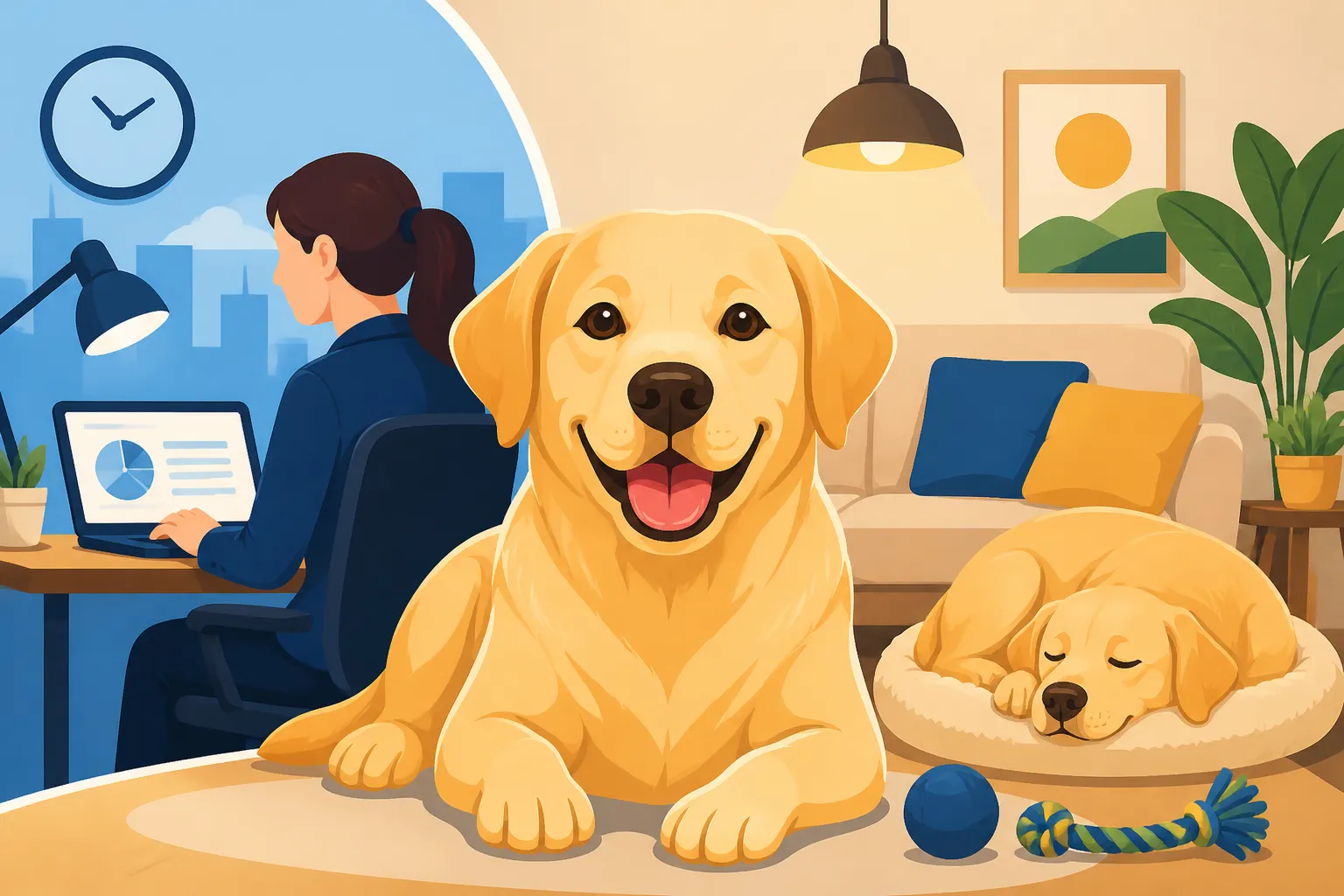
Labradors for People Who Work Full Time
It's a common dilemma for so many aspiring dog owners: you dream of bringing a loving, energetic Labrador Retriever into your home, but your job demands a full-time commitment, often leaving you out of the house for eight or more hours a day. The worry is real – can a breed known for its boundless energy and strong desire for companionship truly thrive when its primary human is at work? This guide will address those very concerns, offering realistic insights and practical strategies for integrating a Labrador into a full-time working lifestyle, ensuring both you and your furry family member lead happy, fulfilling lives.
The Reality of Owning a Labrador While Working Full-Time
Let's be honest, Labradors are not couch potatoes. They were bred for demanding work, spending hours retrieving in challenging conditions, and that innate drive for activity and purpose is still very much alive in the breed today. This isn't to say it's impossible to own one while working full-time, but it absolutely requires conscious effort, meticulous planning, and a deep understanding of their needs. Ignoring these needs can lead to behavioral issues, stress for your dog, and a less-than-harmonious home life for you.
Understanding the Labrador's Energy and Social Needs
Labradors, especially younger ones, are a whirlwind of enthusiasm. They thrive on physical activity – long walks, intense games of fetch, swimming, and exploring. A brisk twenty-minute walk around the block simply won't cut it for a healthy, active Labrador, and especially not for a young one who is still developing. Their energy isn't just physical; it's mental too. They are intelligent dogs who love to learn and solve problems, and without outlets for this mental energy, they can quickly become bored.
Beyond their need for exercise, Labradors are incredibly social creatures. They bond deeply with their families and crave interaction. They're not a breed content to be left alone for extended periods without engagement. A Labrador left alone with nothing to do for eight, nine, or even ten hours a day can quickly develop undesirable behaviors such as excessive barking, destructive chewing, or even Separation Anxiety in Labrador Retrievers. They simply aren't built for prolonged solitude; they want to be part of the action, even if that action is just napping at your feet while you work from home.
The Time Commitment Beyond "Just an Hour a Day"
Many people underestimate the sheer volume of time a Labrador truly needs. It’s not just about walking them before and after work. Consider a typical workday: you wake up, get ready, grab a quick walk with your dog, head out for eight hours, commute, come home, cook dinner, and then try to fit in another walk or play session before winding down for the night. That leaves very little quality, engaged time with your dog, and those pre- and post-work walks might not be enough to satisfy their exercise requirements.
An adult Labrador typically needs at least an hour to an hour and a half of dedicated, vigorous exercise daily, often broken into multiple sessions. This doesn't include potty breaks or casual strolls; this is real, heart-pumping activity. Factor in training sessions, grooming, feeding, and just plain cuddling on the sofa, and you'll find that a Labrador demands a significant portion of your non-working hours. For a growing Labrador Puppy Feeding Amounts and Schedule, the commitment is even higher, with frequent potty breaks, shorter attention spans, and more intense socialization needs. It's a full-time commitment for you, too, beyond your paid job.
Strategies for a Happy, Healthy Labrador When You're Away
If you're committed to making it work, there are definitely effective strategies to ensure your Labrador remains happy and well-adjusted, even with a full-time work schedule. The key is proactive planning and a willingness to invest time, and sometimes money, into their well-being.
Crafting a Daily Routine and Exercise Schedule
The cornerstone of managing a Labrador while working full-time is a consistent, well-structured routine. Dogs, and Labradors especially, thrive on predictability. Knowing when they'll eat, when they'll go out, and when they'll play helps reduce anxiety and establishes a sense of security.
Here's a hypothetical daily schedule for a working Labrador owner:
| Time | Activity | Notes |
|---|---|---|
| 6:00 AM | Wake up, quick potty break | Immediate outdoor access is crucial. |
| 6:15 AM | Morning exercise/play | 30-45 minutes of vigorous activity (fetch, brisk walk, short run, swim if available). This helps burn off initial energy. |
| 7:00 AM | Breakfast & Water | Measured meal, maybe in a slow feeder bowl. Give them time to digest before being alone. |
| 7:30 AM | Last potty break before departure | Crucial for preventing accidents while you're gone. |
| 8:00 AM | Owner leaves for work | Provide puzzle toys or long-lasting chews. |
| 12:00 PM | Midday break (dog walker/daycare/owner) | If you can pop home, great. Otherwise, this is where professional help shines. A good 30-minute walk and potty break. |
| 5:30 PM | Owner returns home | Immediate potty break, then greetings. Avoid making your arrival too over-the-top, to manage excitement. |
| 6:00 PM | Evening exercise/training session | 45-60 minutes of varied activity (walk, park visit, training, Retrieving Games That Tire a Labrador). Mental stimulation is just as important as physical. |
| 7:00 PM | Dinner & Water | Another measured meal. |
| 9:00 PM | Final potty break | Short trip outside before bed. |
| 10:00 PM | Wind down/bedtime | Quiet time, maybe a chew toy in their crate or designated sleeping area. |
This routine provides two substantial exercise blocks and a midday break, preventing your dog from being left too long without relief or stimulation. Remember, this schedule is a commitment, and weekends should be used for even more extended adventures and quality time to strengthen your bond.
Leveraging Dog Walkers, Daycares, and Pet Sitters
For many working professionals, external help is not a luxury, but a necessity. Relying on these services can bridge the gap in your absence and significantly improve your Labrador's quality of life.
- Dog Walkers: A professional dog walker can visit your home midday, taking your Labrador for a much-needed walk, potty break, and some human interaction. This breaks up their day and prevents them from being alone for excessive periods. Look for walkers who are insured, bonded, and have experience with active, strong breeds like Labradors. They can provide a personalized service, often taking your dog on routes they love, whether it's around the neighborhood or to a local park. Services like Rover or Wag often have profiles of local walkers, but don't hesitate to ask for local recommendations in your community.
- Dog Daycare: This is an excellent option for highly social and energetic Labradors. Daycare centers provide supervised play with other dogs, mental stimulation, and plenty of exercise throughout the day. Your Labrador comes home tired and happy, meaning less pent-up energy for you to manage in the evening. However, choose wisely – a good daycare should have strict vaccination requirements, trained staff, appropriate play groups based on size and temperament, and a clean, safe environment. Make sure to visit and observe before committing. The Daycare Costs for a High-Energy Labrador can vary, but the benefits of a well-socialized and exercised dog are often priceless.
- Pet Sitters: For those who prefer their dog to stay in their own home or for Labradors who might not thrive in a group daycare setting, a pet sitter can be a fantastic alternative. A sitter can stay at your home during the day, providing individualized attention, walks, playtime, and feeding. This is particularly useful if your Labrador is elderly or has specific needs that require more one-on-one care.
Integrating these services means your Labrador gets regular physical and mental stimulation, reducing the likelihood of boredom and destructive behavior. It's an investment, but one that pays dividends in your dog's happiness and your peace of mind.
Enrichment Activities to Combat Boredom
Even with midday help, there will still be hours when your Labrador is alone. This is where mental enrichment becomes paramount. Labradors are intelligent, curious dogs, and engaging their minds can be just as tiring as physical exercise.
- Puzzle Toys and Treat Dispensers: These are a lifesaver. Instead of just putting their food in a bowl, use puzzle feeders that require your Labrador to work for their meal. KONGs stuffed with peanut butter or wet food (and frozen for extra challenge) can keep them occupied for a good chunk of time. Companies like Chewy offer a wide variety of interactive toys designed to challenge your dog's brain and slow down their eating.
- Chew Toys: Labradors love to chew, especially during puppyhood and adolescence. Providing appropriate, durable chew toys can prevent them from turning to your furniture or shoes. Look for toys specifically designed for strong chewers. Rotate toys regularly to keep them interesting. Just be sure to choose toys that are safe and appropriate for your Labrador's size and chewing style. Chew Toys That Survive a Labrador are worth the investment!
- Scent Games: Labradors have an incredible sense of smell. Hide treats around the house for them to find. Start easy, then make it more challenging. This taps into their natural instincts and provides great mental stimulation. You can even invest in snuffle mats where you hide kibble for them to "hunt" for. These simple games can provide valuable Mental Work for a Bored Labrador and help prevent destructive behaviors born out of idleness.
Setting Up Your Home for Success
Your home environment plays a massive role in your Labrador's well-being, especially when you're not there. A safe, secure, and stimulating space can make all the difference.
The Importance of a Safe Space and Crate Training
A crate isn't just a cage; it's often viewed by dogs as their own private den, a safe and secure space where they can relax. Proper Crate Training a Labrador Puppy provides a comfortable, quiet retreat that can be invaluable when you're away. It prevents destructive behavior, keeps them safe from household hazards, and aids in potty training.
When you're at work, your Labrador can relax in their crate with a comforting blanket, a safe chew toy, and a puzzle feeder. Ensure the crate is appropriately sized, allowing them to stand, turn around, and lie down comfortably. Never use the crate as punishment; it should always be a positive place. For an adult Labrador, the crate might not be necessary for the entire workday if they're trustworthy, but it can still be a valuable tool, especially if you have a young or boisterous dog who needs clear boundaries.
Labrador-Proofing Your Home and Yard
Before leaving your Labrador alone, it's essential to "Labrador-proof" your home and any accessible outdoor spaces. This means removing anything that could be dangerous or tempting to chew on.
- Inside the Home: Put away shoes, remote controls, children's toys, and anything else that's within reach and chewable. Secure cabinets with child locks if your Labrador is particularly clever. Ensure all toxic plants are out of reach. Clear counters of food, as Labradors are notorious for Labrador Counter Surfing and Food Theft. Consider using baby gates to confine your Labrador to a specific, safe area of the house where potential hazards are minimized, especially if they aren't fully trustworthy outside a crate.
- The Yard: If your Labrador has access to a yard while you're away, make sure the fencing is secure and high enough to prevent escapes. Labradors are powerful dogs, and a weak fence is no match for their determination if they decide to explore. Regularly check for holes they might dig under or weak spots they could push through. Remove any poisonous plants from the yard, and ensure there's access to shade and fresh water, especially on warm days. Remember, even a secure yard doesn't replace human interaction or structured exercise; it's simply a safe place for them to be.
Long-Term Considerations and Support Systems
Owning a Labrador while working full-time is a marathon, not a sprint. It requires ongoing commitment and a solid support system.
Financial Planning for Professional Help
Let's be realistic: quality dog food, vet visits, and basic supplies add up. But when you factor in professional dog walkers, daycare, or pet sitters, the costs can become substantial. These aren't just one-time expenses; they are ongoing investments in your Labrador's health and happiness.
It's crucial to budget for these services from the outset. Consider them an essential part of your dog ownership costs, much like their food or vet care. Many dog care providers offer packages or monthly rates that can be more economical. Annual Cost of Keeping a Labrador Retriever is something to research thoroughly, and you'll find that professional care adds a significant but often necessary line item to that budget. Prioritizing these expenses will ensure your Labrador gets the attention and care they need, even when you're busy. Chewy also offers subscription services for food and supplies, which can help manage costs and ensure you never run out of essentials.
The Role of Training and Socialization
A well-trained and socialized Labrador is a much happier and more manageable companion, whether you work full-time or not. Investing time in training, especially during puppyhood, will pay dividends for years to come.
- Obedience Training: Basic obedience commands like "sit," "stay," "come," and "leave it" are not just party tricks; they are essential for safety and good manners. A well-trained Labrador is more confident and less likely to engage in destructive behaviors out of frustration or lack of understanding. Consider Labrador Training Class Costs as an investment in a harmonious household. Consistent training also provides valuable mental stimulation for your intelligent Labrador.
- Socialization: Exposing your Labrador puppy to a wide variety of sights, sounds, people, and other dogs in a positive way is critical for their development. A well-socialized Labrador is less likely to be fearful or aggressive and will adapt better to different situations, whether it's a new dog walker, a trip to the vet, or an afternoon at daycare. This doesn't stop after puppyhood; ongoing positive experiences keep them well-adjusted. The more comfortable and confident your Labrador is in various environments, the less stress they'll experience when you're not around.
Ultimately, owning a Labrador while working full-time is entirely possible, but it demands dedication, forethought, and often, financial investment in external support. It means coming home and prioritizing your dog's needs, ensuring they get the exercise, mental stimulation, and companionship they crave. If you are willing to put in the effort, you'll be rewarded with one of the most loyal, loving, and joyful companions imaginable.
Disclaimer
This article is for general informational purposes only and does not constitute professional advice. Laws, prices and regulations vary by location and change over time. Consult a qualified professional for guidance on your specific situation.