Why Labrador Puppies Should Never Free Feed
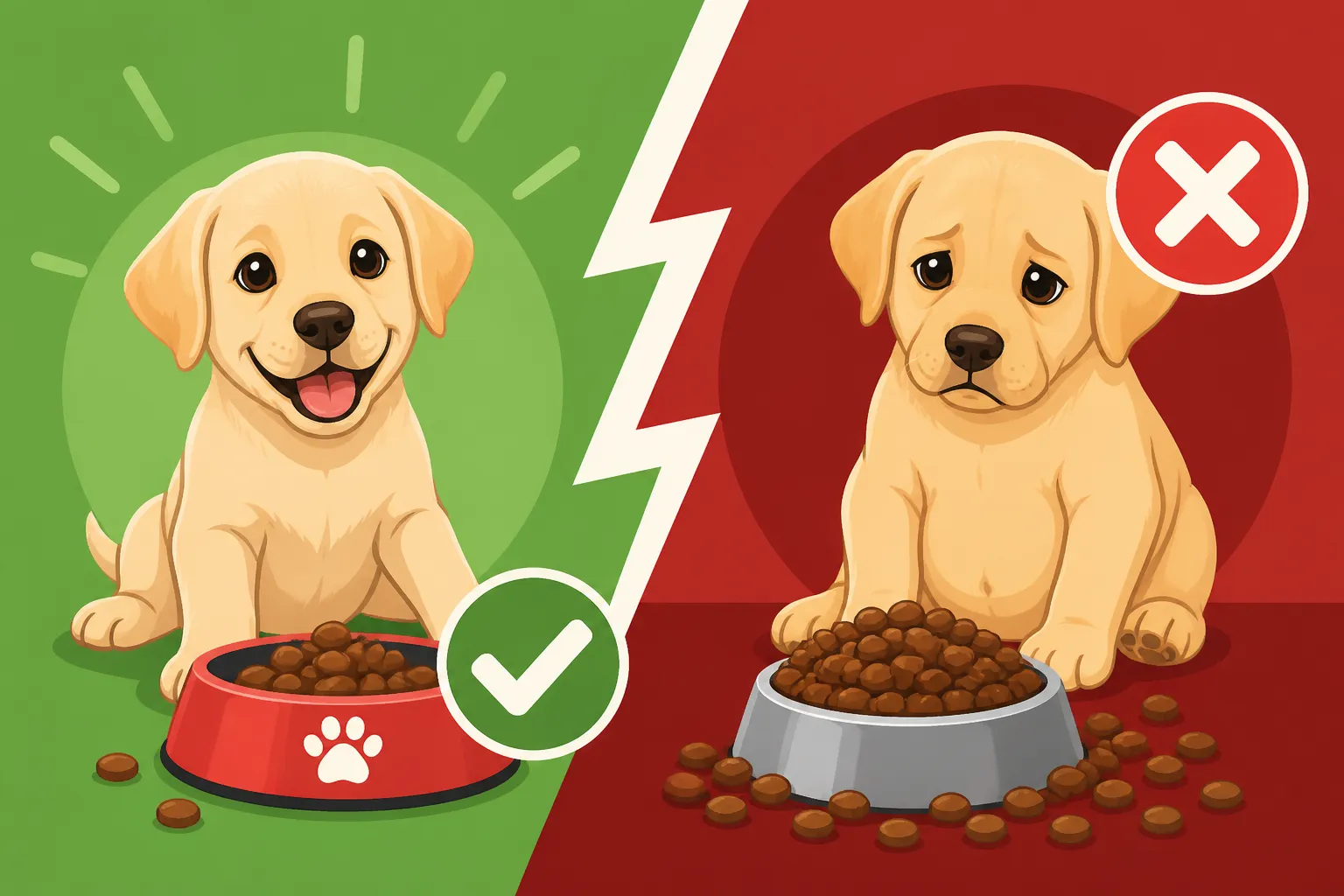
Bringing home a Labrador puppy is an incredibly exciting time, filled with dreams of muddy paws, wagging tails, and endless games of fetch. But among all the joy and anticipation, new puppy parents often grapple with one common question: how to feed their ravenous little bundle of fur. The idea of "free-feeding" – simply leaving a bowl of kibble out all day for your puppy to graze on whenever they please – might sound like a convenient and even kind solution, especially with our busy modern lives. However, for a Labrador puppy, this seemingly harmless practice is actually detrimental to their health, development, and even their training. This guide will dive deep into why free-feeding is a poor choice for your growing Labrador and provide you with a structured approach that fosters health, good behavior, and a strong bond.
Why Free-Feeding Seems Convenient, But Is a Hidden Trap for Labrador Puppies
It’s easy to understand the appeal of free-feeding, truly. We all want to make life a little simpler, and the thought of not having to stick to a strict feeding schedule can feel like a relief. But what starts as a convenience can quickly lead to a host of problems unique to the Labrador breed.
The Appeal of an Always-Full Bowl for Busy Lives
Let's face it, our lives are hectic. Between work, family commitments, and trying to squeeze in some personal time, adding regular, scheduled feedings to the daily grind can feel like another chore. Many new puppy owners, perhaps fueled by a genuine desire to ensure their puppy is never hungry or out of food, default to filling the bowl and letting them decide when to eat. This approach might work for some less food-motivated breeds, or perhaps cats, but for a Labrador puppy, it's often a recipe for disaster. You might imagine your puppy will just eat what they need, like a well-regulated adult, but that's rarely the case.
The perceived benefit is simply saving time and reducing stress around meal prep. You don't have to worry about missing a meal or rushing home to feed your hungry pup. It paints a picture of a contented puppy, always with access to sustenance, and a relaxed owner who doesn't have to micromanage every bite. This vision, while appealing, sadly doesn't align with the biological and behavioral realities of a Labrador. It overlooks their innate drive for food and their need for structure, which are critical in puppyhood.
The Myth of Self-Regulation in a Food-Driven Breed
One of the biggest misconceptions surrounding free-feeding, especially with Labradors, is the idea that they will "self-regulate." You might think, "My puppy will stop when they're full, right?" If only that were true for most Labs! Labrador Retrievers are famously, and often endearingly, obsessed with food. This isn't just a charming quirk; it's often rooted in their genetics. We now know that a significant portion of Labradors carry a genetic mutation, specifically a deletion in the POMC gene, which directly impacts their ability to feel full. This means that a full stomach doesn't always signal "I'm done" to a Labrador's brain. Why a Quarter of Labradors Overeat by Genetics
So, when a Labrador puppy has an endless supply of food, they often eat far more than their growing bodies truly need. They don't have the same internal "off switch" that some other breeds possess. This constant access encourages them to graze frequently, turning eating into a continuous activity rather than a structured meal. This grazing behavior, unchecked, means they're constantly taking in calories without the natural pauses that allow their digestive system to rest or their brain to register satiety. This fundamentally undermines the entire premise of "self-regulation" for a breed wired to always be thinking about the next bite.
The Serious Health Repercussions of Unregulated Puppy Feeding
While free-feeding might seem like a small decision, its impact on a Labrador puppy's health can be profound and long-lasting, particularly concerning their musculoskeletal development and overall weight management.
Protecting Developing Joints: The Dangers of Rapid Growth
One of the most critical concerns for any large breed puppy, especially Labradors, is ensuring proper growth. They grow incredibly fast, and their bones, joints, and ligaments are still forming. Free-feeding almost inevitably leads to overconsumption, which, in turn, leads to excessively rapid growth and weight gain. While a chunky puppy might look adorable, it places immense, unnatural stress on their developing growth plates and joints. This is a huge contributing factor to orthopedic problems that plague the breed.
When a Labrador puppy grows too quickly, their bones can outpace the development of their tendons and ligaments, leading to structural weaknesses. This significantly increases their risk for devastating conditions like hip and elbow dysplasia, which can cause chronic pain, arthritis, and require expensive surgeries later in life. How Fast Growth Damages a Labrador's Joints and Labrador Hip and Elbow Dysplasia are serious concerns, and unchecked feeding in puppyhood is a major preventable risk factor. By simply regulating their food intake, you're giving their skeletal system the best possible chance to mature correctly and avoid unnecessary strain.
Setting the Stage for Lifelong Obesity
The immediate consequence of overfeeding is, of course, weight gain. For a Labrador puppy, this isn't just a temporary phase; it can set them up for a lifetime battle with obesity. If a puppy learns that food is always available in unlimited quantities, they never develop a sense of portion control or the discipline of eating at set times. This creates an unhealthy relationship with food, where eating becomes an activity rather than a necessity.
An overweight puppy often becomes an overweight adult, and obesity in Labradors is a widespread and serious issue. It shortens their lifespan, exacerbates joint problems, increases the risk of certain cancers, diabetes, and heart disease, and generally reduces their quality of life. Why Labradors Gain Weight So Easily isn't just about their love for food; it's also about how we manage that love. Allowing free-feeding during these formative months makes it incredibly difficult to manage their weight later on. The habits formed in puppyhood, good or bad, tend to stick. Labrador Obesity and the Years It Costs article delves deeper into how significantly excess weight can impact their longevity.
Increased Risk of Digestive Upset and Bloat
Consistent meal schedules are not just about managing weight; they are also crucial for a healthy digestive system. When a puppy free-feeds, their eating patterns can be sporadic and irregular. They might go long periods without eating, then suddenly gorge themselves, or they might pick at food throughout the day. This inconsistency can lead to an unsettled stomach, making them more prone to vomiting, diarrhea, and general digestive upset. Their systems simply aren't designed for this kind of unpredictable intake.
More alarmingly, for a deep-chested breed like the Labrador, infrequent large meals increase the risk of Gastric Dilatation-Volvulus (GDV), commonly known as bloat. Bloat is a life-threatening condition where the stomach fills with gas and can twist, cutting off blood supply. While multiple factors contribute to bloat, eating large amounts rapidly and then exercising is a known trigger. Free-feeding can indirectly lead to this by encouraging overeating at any given time. Bloat Risk and Deep Chests is a real and terrifying concern for Labrador owners, and structured feeding is one of the preventative measures we can take.
Behavioral Challenges Stemming from Free-Feeding
Beyond the physical health implications, free-feeding can also wreak havoc on a Labrador puppy's behavior, making training more difficult and potentially fostering undesirable habits.
Undermining Potty Training Efforts
Potty training is a cornerstone of raising a well-behaved puppy, and consistency is absolutely key. One of the most effective strategies for House Training a Labrador Retriever involves predicting when your puppy will need to go to the bathroom. And guess what directly influences a puppy's potty schedule? Their eating schedule! When a puppy eats at predictable times, their bodily functions become predictable too. You can learn that after X minutes post-meal, they'll need to go outside, allowing you to preemptively take them out and praise them for success.
However, if food is available all the time, their eating schedule is all over the place, making their potty schedule equally unpredictable. This makes it incredibly frustrating for you as an owner, leading to more accidents in the house and hindering the progress of establishing good potty habits. It creates a chaotic environment where your puppy struggles to understand expectations, simply because their internal clock is never allowed to settle into a routine.
Fueling Resource Guarding and Food Obsession
An always-full food bowl can inadvertently lead to or exacerbate behavioral issues like resource guarding. When food is constantly present, some puppies can become possessive over it, especially if there are other pets in the home. They might growl, snap, or become anxious when anyone approaches their bowl. This isn't because they're being "mean"; it's often a manifestation of anxiety or a perceived threat to a valuable resource.
Furthermore, free-feeding can heighten a Labrador's natural food obsession rather than diminish it. Instead of valuing their meals as a special, earned event, food becomes an ever-present, low-value commodity, or paradoxically, something to constantly compete for (even if only in their minds). This can lead to increased begging, counter-surfing, and even destructive behaviors like rummaging through trash for scraps. They don't learn patience or that good things come from you on a schedule; they just learn that food is always there.
Missing Critical Opportunities for Bonding and Training
Meal times are incredibly valuable opportunities for building a strong bond with your Labrador puppy and reinforcing good behavior. When you hand-feed portions or present meals on a schedule, you establish yourself as the provider of valuable resources. This strengthens your role as their leader and makes them more attentive to you. These moments can be used to teach basic commands like "sit" or "stay" before the bowl is lowered, reinforcing that calm, polite behavior leads to rewards.
If food is always available, these powerful training and bonding moments are lost. Your puppy doesn't associate you with the provision of food in the same direct, impactful way. It makes using food as a motivator for other training exercises less effective because, well, why work for something when you can get it for free at any time? Regular, structured meals, especially when coupled with Short Training Sessions That Suit a Labrador, contribute immensely to a well-adjusted, responsive dog. Even during Crate Training a Labrador Puppy, meals can be served in the crate to create a positive association, which is impossible with free-feeding.
The Right Way: Structured Feeding for a Healthy Labrador Puppy
Moving away from free-feeding and embracing a structured meal plan is one of the best decisions you can make for your Labrador puppy's long-term health and behavior. It might require a little more intentional effort from you, but the payoff is immense.
Establishing a Consistent Feeding Schedule
The cornerstone of proper puppy nutrition is a consistent feeding schedule. For young Labrador puppies, this typically means three to four meals a day. As they grow older, around 4-6 months, you can usually transition them to two or three meals a day, and eventually two meals a day as adults. The key is to pick set times and stick to them as much as possible. For instance, a schedule might look like:
- Morning: 7:00 AM
- Mid-day: 12:00 PM (for younger puppies)
- Late Afternoon: 5:00 PM
- Evening: 9:00 PM (for younger puppies, a small meal to tide them over)
This consistency not only aids digestion and helps with potty training but also provides your puppy with a predictable routine, which contributes to their overall sense of security and well-being. Knowing when food is coming reduces anxiety and teaches them patience. For a detailed guide on quantities and timings, refer to Labrador Puppy Feeding Amounts and Schedule.
Here's a sample feeding schedule for a young Labrador puppy:
| Age of Puppy | Meals Per Day | Example Times | Key Considerations |
|---|---|---|---|
| 8-12 Weeks | 3-4 | 7 AM, 12 PM, 5 PM, 9 PM | Small, frequent meals; aids digestion & blood sugar. |
| 3-6 Months | 3 | 7 AM, 1 PM, 6 PM | Growing fast, need consistent energy. |
| 6-12 Months | 2-3 | 7 AM, 5 PM, (Optional 1PM) | Energy needs fluctuate, monitor body condition. |
| 12 Months+ | 2 | 7 AM, 6 PM | Transition to adult food, maintain two meals. |
Remember, these are examples. Your vet is the best resource for a schedule tailored to your puppy's individual needs.
Precision in Portion Control
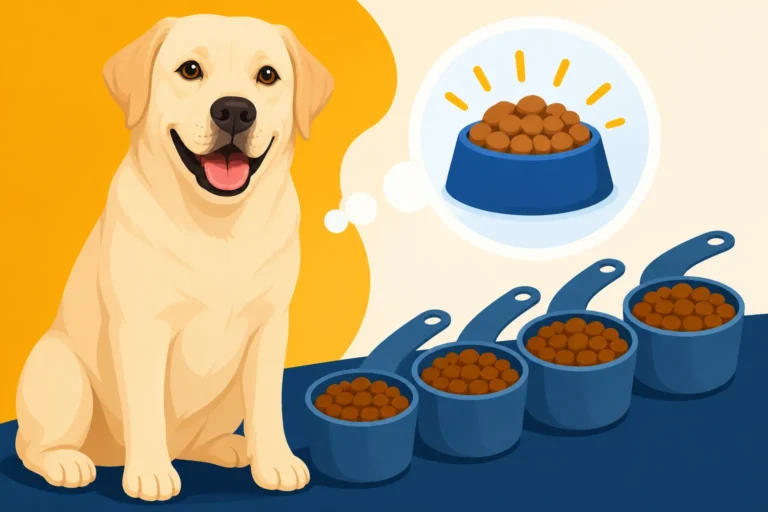
Once you have a schedule, the next crucial step is portion control. Don't just eyeball it; invest in a proper measuring cup or, even better, a digital kitchen scale to accurately weigh your puppy's food. Most high-quality Large Breed Puppy Food for a Labrador will have feeding guidelines on the bag, usually based on your puppy's current weight and age. These are good starting points, but always remember they are just guidelines.
You'll need to monitor your puppy's body condition regularly. You should be able to feel their ribs easily without seeing them, and they should have a discernible waist when viewed from above. If they're looking too thin, increase their portion slightly; if they're getting a bit round, reduce it. It’s a dynamic process, especially during rapid growth spurts. Never rely solely on the bag's recommendations; always prioritize what your puppy's body is telling you. You can find excellent food options on sites like Chewy or look into fresh food subscriptions like Ollie, which can often tailor portions precisely. Amazon also offers a wide range of measuring scales and slow feeder bowls to help with precise feeding and slower eating.
Making Mealtime a Positive Routine
Beyond just the food itself, making mealtime a structured and positive routine offers immense benefits. This is a prime opportunity to reinforce training and strengthen your bond. Before setting the bowl down, ask your puppy to "sit" or "stay." This teaches them patience and manners, associating calm behavior with positive outcomes. Praise them lavishly when they comply.
You can also use this time to gently introduce handling around their food bowl (once they are comfortable and show no signs of resource guarding) to help prevent future issues. This might involve casually walking past or even briefly touching their bowl while they eat, ensuring they see you as a benevolent presence, not a threat. For a puppy, mealtime should be a calm, enjoyable, and predictable part of their day, reinforcing that good things come from you. It's a fundamental part of Labrador Puppy Health in the First Year that is often overlooked in the rush of excitement.
Disclaimer
This article is for general informational purposes only and does not constitute professional advice. Laws, prices and regulations vary by location and change over time. Consult a qualified professional for guidance on your specific situation.