Forced Exercise and Labrador Growth Plates
It's incredibly tempting when you have a bouncy, energetic Labrador puppy to want to channel all that enthusiasm into long runs, intense games of fetch, or even early agility training. We often think that more exercise equals a healthier, happier, and more tired pup, which can be a relief! However, pushing your young Labrador into too much strenuous activity too soon can have devastating, long-lasting consequences for their developing joints. This guide will delve into what growth plates are, why they're so vulnerable in growing Labradors, and how to safely exercise your puppy to ensure they grow into a robust, healthy adult without unnecessary orthopedic pain.
What Exactly Are Growth Plates and Why Do They Matter for Labradors?
Understanding the delicate nature of a growing puppy's skeletal system is the first step in protecting them. Unlike adult bones, a puppy's bones aren't fully ossified or hardened. They have crucial areas of soft, developing tissue that are extremely important for their future structure.
The Anatomy of a Growing Bone
At the ends of the long bones in your Labrador puppy's legs, near the joints, are areas made of cartilage known as epiphyseal plates, more commonly called growth plates. Think of these as the construction zones of the skeleton. These plates are responsible for producing new bone cells, which is how your tiny puppy grows into a magnificent, full-sized Labrador. They allow the bones to lengthen until your dog reaches its adult height.
The critical thing to remember about growth plates is that, until they "close" (meaning they fully ossify and turn into hard bone), they are made of cartilage. Cartilage is much softer and more pliable than mature bone, making it inherently weaker and more susceptible to injury. While adult bones can withstand significant impact and stress, growth plates cannot. They are essentially the weakest link in a young dog's skeletal system.
Why Labradors Are Especially Vulnerable
Labrador Retrievers are a large breed known for their fast growth rate. A Labrador puppy can gain several pounds a week in their prime growth stages, transforming from a small fluffball to a substantial dog in a relatively short period. This rapid development means their growth plates remain open and vulnerable for a longer duration compared to smaller dog breeds.
Beyond their size and growth speed, Labradors are also predisposed to certain genetic orthopedic conditions, most notably Labrador Hip and Elbow Dysplasia. These conditions are complex, with both genetic and environmental factors playing a role. Excessive or inappropriate exercise during the crucial growth phase can severely exacerbate any underlying genetic predisposition, turning a potential issue into a painful reality. It's a double-whammy: they grow fast, making them vulnerable, and they often have a genetic blueprint that requires extra care. This combination makes responsible exercise during puppyhood paramount for their long-term health.
The Risks of Too Much, Too Soon: What Forced Exercise Looks Like
It's natural to want to play with your energetic Labrador puppy, but there's a world of difference between healthy, self-regulated play and forced exercise that can cause irreversible damage.
Defining "Forced" vs. "Free" Exercise
Let's clarify what we mean by "forced" exercise versus "free" exercise.
Free Exercise is when your puppy is allowed to play, run, explore, and wrestle at their own pace. They choose when to start, when to stop, and how intensely to move. This might look like:
- Romping around a safe, enclosed yard.
- Playing gently with another well-socialized, appropriate-sized dog.
- Exploring a new environment at a slow, sniffing pace.
- Short bursts of play followed by rest periods, all dictated by the puppy.
Forced Exercise, on the other hand, is activity that you dictate, often involving repetitive or high-impact movements that don't allow the puppy to self-regulate. Examples include:
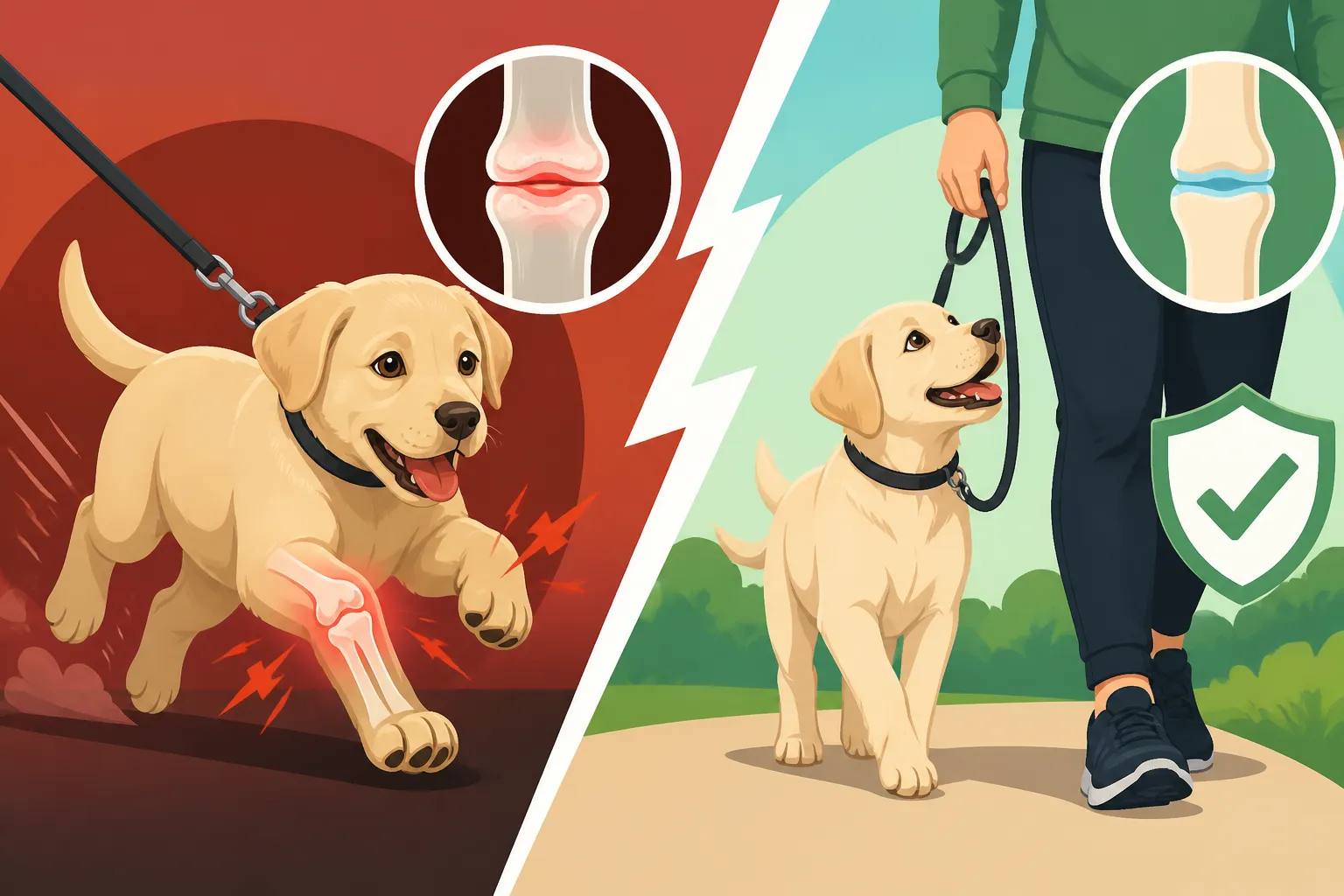
- Long, structured walks or jogs on a leash, especially on hard surfaces like concrete or pavement.
- Repetitive fetch sessions where the puppy is encouraged to run at top speed repeatedly.
- Jumping activities, such as retrieving frisbees or practicing agility weaves and jumps.
- Running alongside a bicycle.
- Strenuous hikes or runs that cover significant distances or involve uneven terrain.
The key difference is control. In free play, your puppy's body signals when it's tired or needs a break, and they respond naturally. In forced exercise, they are often compelled to keep going, potentially pushing through discomfort or fatigue in their eagerness to please you. This is where the danger lies for those soft growth plates.
The Hidden Dangers of Overexertion
When a Labrador puppy engages in too much forced exercise, especially activities that involve high impact or repetitive strain, those delicate growth plates are put under immense stress. Imagine a young sapling bending repeatedly in a strong wind – eventually, it might break or grow in a crooked direction. Similarly, repetitive microtraumas, excessive pressure, or sudden, jarring impacts on developing growth plates can lead to:
- Microfractures: Tiny, almost invisible cracks in the cartilage of the growth plate. These might not cause immediate lameness but accumulate damage over time.
- Inflammation: Persistent stress can cause inflammation in the growth plate area, leading to pain and abnormal development.
- Premature Closure: In severe cases, trauma can cause a growth plate to close too early. If one side of a bone's growth plate closes prematurely, the other side continues to grow, leading to a deformed or bowed limb. This is often seen in elbow issues, where the radius and ulna grow at different rates, causing immense pain and lameness.
- Increased Risk of Dysplasia: While genetics play a huge part in hip and elbow dysplasia, environmental factors like excessive exercise during puppyhood can significantly increase the severity and early onset of these conditions. The pressure can prevent the joints from forming correctly, leading to loose, unstable joints and subsequent arthritis. This is a critical point that many new owners overlook when their puppy seems boundless.
Long-Term Consequences of Early Damage
The damage inflicted on growth plates during puppyhood often doesn't show its full severity until much later. What might seem like a minor limp or stiffness after a long walk can be a precursor to lifelong issues. These issues can include:
- Chronic Pain and Lameness: Dogs with damaged joints will often experience persistent pain, especially after activity, leading to a noticeable limp or reluctance to move.
- Early Onset Arthritis: When joints don't form properly, or when the cartilage is damaged, the joint surfaces rub together unevenly, leading to premature wear and tear. This results in painful arthritis, often requiring ongoing medication, physical therapy, or even surgery to manage. Imagine your active Labrador, who loves to swim and retrieve, struggling to get up from a nap at just five or six years old.
- Reduced Quality of Life: A dog with severe joint pain may lose its zest for life. They might become withdrawn, less playful, and unable to participate in activities they once loved. This is heartbreaking for both dog and owner.
- Expensive Veterinary Care: Managing chronic orthopedic conditions can be incredibly costly. Surgeries, long-term pain medication, anti-inflammatory drugs, specialized diets, and physical therapy all add up. While Pet Insurance for a Labrador Retriever can help with unexpected costs, conditions stemming from early developmental issues might be considered pre-existing if not diagnosed before coverage begins, so prevention is always the best route.
When Can a Labrador Safely Engage in More Intense Exercise?
The question of "when" is one of the most common and important concerns for Labrador owners. There's no one-size-fits-all answer, but general guidelines and careful observation are your best tools.
Understanding Growth Plate Closure Timelines
For most large breeds like Labradors, growth plates typically close between 12 and 18 months of age. However, this is a general range, and it's not a uniform process across the entire body. Some growth plates, like those in the paws, might close earlier, while those in the stifle (knee) or shoulder might remain open longer. For instance, the elbow growth plates often close around 4-5 months, but this doesn't mean the dog is ready for full-impact activity. The spinal growth plates can take even longer.
It’s crucial to remember that your Labrador isn't a miniature adult; they are a puppy with a developing skeleton. While 12-18 months is a good benchmark, it's always best to consult your veterinarian. They can offer a more personalized assessment, sometimes even using X-rays in specific cases to confirm closure, though this isn't typically done routinely. Your vet can give you specific guidance based on your dog's individual growth and When a Labrador's Growth Plates Close.
Gradual Progression is Key
Even once those growth plates are fully closed, it doesn't mean your Labrador is suddenly ready for a marathon. Their muscles, tendons, ligaments, and cartilage are still maturing and strengthening. Think of it like a human teenager who has stopped growing taller but isn't quite ready for professional sports training.
Introducing intense exercise should always be a gradual process. Over a period of several weeks or months, slowly increase the duration and intensity of activities. For example, if you want to start running with your Labrador, begin with short, slow jogs mixed with walking, gradually extending the running segments. Monitor for any signs of discomfort or stiffness. This slow ramp-up allows the soft tissues surrounding the joints to adapt and strengthen, reducing the risk of strains, sprains, and other injuries. Rushing into it, even with closed growth plates, can lead to problems like Cruciate Ligament Tears in Labradors, which are costly and painful to treat. If you're wondering When a Labrador Can Start Running With You, err on the side of caution and go slow.
Observing Your Labrador for Readiness
Your Labrador will communicate their readiness (or lack thereof) if you pay close attention. Learn to read their body language and energy levels.
Signs of Overexertion or Joint Pain:
- Limping or favouring a limb: Even slight, intermittent limping should be taken seriously.
- Stiffness: Difficulty getting up, especially after rest, or a stiff gait.
- Reluctance to play or move: A sudden decrease in enthusiasm for walks or games.
- Yelping or whimpering: During or after activity, or when touched in certain areas.
- Excessive panting or sluggishness: Beyond what is normal for the activity level, indicating fatigue or discomfort.
- Changes in gait: Abunny hop" when running, particularly in the hindquarters, can be a sign of hip discomfort.
It's always better to under-exercise a puppy than to over-exercise them. If you notice any of these signs, scale back the activity immediately and consult your veterinarian. They can assess your dog and rule out any underlying issues. For Labrador Puppy Health in the First Year, vigilant observation is one of your most powerful tools.
Nurturing Healthy Joints: Safe Exercise for Your Growing Labrador
Protecting your Labrador's joints during their formative years is one of the most important things you can do as an owner. It's about moderation, appropriate activity, and comprehensive care.
The Art of Controlled Activity for Puppies
For young Labradors (roughly up to 12-18 months), the focus should be on controlled and low-impact activity, mixed with plenty of self-regulated free play.
Here's what safe exercise looks like:
- Short, frequent walks: Aim for short, gentle strolls on soft surfaces like grass or dirt paths. A general rule of thumb is 5 minutes of structured exercise per month of age, twice a day. So, a 4-month-old puppy gets two 20-minute walks. This isn't a strict rule, but a good starting point to prevent overexertion.
- Supervised free play: Let your puppy explore a fenced yard or safe area. They'll run, sniff, and wrestle, but they'll also take breaks when they need to.
- Gentle play with appropriate toys: Rolling a soft ball, playing a gentle game of tug (always ensure they release on command), or puzzle toys for mental stimulation.
- Swimming: This is an excellent low-impact exercise for Labradors! It builds muscle and cardiovascular fitness without putting stress on joints. Start slowly in shallow, warm water, and always supervise your puppy closely. (Link: Swimming as Exercise for a Labrador)
- Mental stimulation: Don't underestimate the power of brain games. Scent work, training sessions, and puzzle feeders can tire a puppy out just as effectively as physical activity, and often with less joint impact.
- Avoid stairs and jumping: Limit access to stairs if possible, especially during the youngest months. Avoid encouraging jumping onto furniture or out of cars. Use ramps or lifts when necessary.
Remember, the goal is to build strength and coordination gradually, without putting undue strain on vulnerable growth plates. For more detailed guidance, check out Exercise Limits for a Labrador Puppy.
Supporting Joint Health Through Nutrition and Weight
Beyond exercise, nutrition and weight management are critical pillars of joint health, especially for large, fast-growing breeds like Labradors.
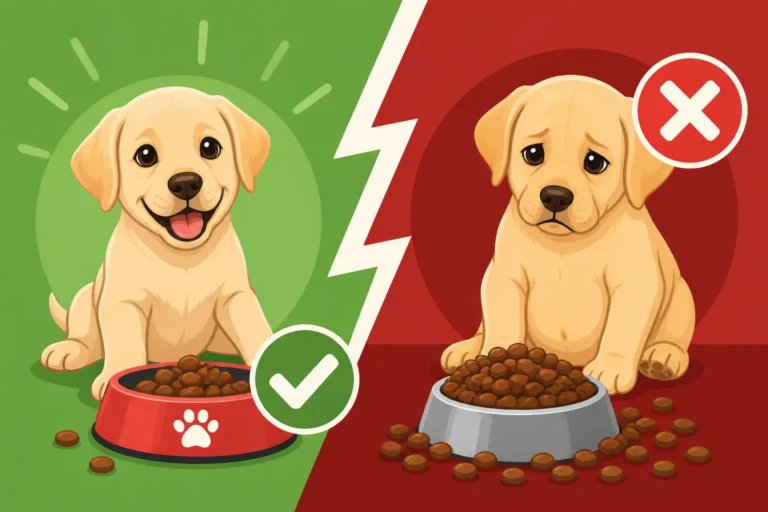
- Large Breed Puppy Food: It’s not just about calories; it's about the right balance of nutrients. High-quality large breed puppy formulas are specifically designed with controlled calcium and phosphorus levels. Too much calcium can lead to skeletal deformities and rapid, unhealthy growth. Always choose a food that meets the nutritional levels established by the AAFCO Dog Food Nutrient Profiles for "growth of large size dogs." Brands like Ollie offer fresh food options tailored to specific needs, and many reputable brands found on Chewy or Amazon carry excellent large-breed puppy formulas. Always read labels carefully and discuss your choice with your vet.
- Strict Portion Control: Labradors are notorious food hounds, and it's incredibly easy to overfeed them. Keeping your Labrador lean throughout their life, but especially during puppyhood, is paramount. Every extra pound puts additional stress on developing joints. Follow feeding guidelines on your chosen food, but adjust based on your puppy's individual growth and body condition. You should be able to easily feel, but not see, their ribs. If your vet says your puppy is looking a bit chunky, listen! How Fast Growth Damages a Labrador's Joints is a real and serious concern. Regular body condition scoring is far more important than hitting a specific weight.
| Activity Type | Safe for Young Labradors (up to 12-18 months) | Risky for Young Labradors (until growth plates close) | Benefits | Risks |
|---|---|---|---|---|
| Walking | Short, gentle, frequent (on soft surfaces) | Long, strenuous jogs (on pavement), running with bike | Builds stamina, socialization, mental enrichment | Growth plate injury, joint strain, arthritis |
| Playing Fetch | Short, controlled tosses, gentle retrieves | Repetitive, high-speed sprints, jumping for ball | Satisfies retrieve drive, mental stimulation | Joint damage from abrupt stops/starts, impact |
| Swimming | Supervised, gentle introduction, short sessions | Overly long, exhaustive sessions, diving | Excellent low-impact muscle builder, cardio | Fatigue, joint strain if overdone |
| Jumping | Avoid | Any significant jumping (agility, hurdles, off heights) | – | Direct impact trauma to growth plates, joints |
| Agility/Dock Diving | Avoid (can introduce very basic, flat exercises) | High jumps, sharp turns, hard landings | – | Severe joint damage, sprains, fractures |
| Stairs | Limited use, carried when small | Frequent climbing/descending | – | Joint strain, particularly on hips/elbows |
| Free Play | Supervised in a safe, soft area | Unsupervised, rough play with much larger dogs | Self-regulation, social skills, mental outlet | Accidental injury if environment is unsafe |
Proactive Care and Veterinary Guidance
Your veterinarian is your most valuable partner in ensuring your Labrador's healthy development.
- Regular Vet Check-ups: Schedule routine visits to monitor your puppy's growth, discuss appropriate exercise, and address any concerns. Your vet can examine your puppy's gait and palpate their joints for any early signs of issues. This is part of holistic Caring for a Senior Labrador too, building good habits early helps later.
- Breeder Health Clearances: When acquiring a Labrador puppy, always ensure the breeder has conducted appropriate health clearances on both parent dogs for conditions like hip and elbow dysplasia, as well as eye and heart conditions. These clearances, often from organizations like OFA or PennHIP, significantly reduce the genetic risk for these conditions. Ask for proof and understand Health Clearances a Labrador Breeder Must Show.
- Genetic Testing: Modern genetic testing can screen for some inherited conditions, providing valuable information for breeders and owners alike. Your breeder should be transparent about these tests.
- Early Intervention: If your vet identifies any concerns, follow their advice for early intervention. This might include specific physical therapy exercises, anti-inflammatory medications, or dietary adjustments. Detecting issues early can often prevent them from becoming severe. OFA and PennHIP Screening for Labradors can be vital tools for early detection and breeder selection.
By being mindful of growth plates, promoting safe exercise habits, maintaining a lean body condition, and working closely with your veterinarian, you are setting your energetic Labrador up for a long, happy, and pain-free life.
Disclaimer
This article is for general informational purposes only and does not constitute professional advice. Laws, prices and regulations vary by location and change over time. Consult a qualified professional for guidance on your specific situation.