Caring for a Labrador’s Otter Tail
That distinctive, strong tail that our Labradors use like a rudder or a happy drumstick can be a source of immense joy and, occasionally, a bit of a worry for us owners. It's not just a tail; it's a powerful tool, built for propulsion in water and balance on land, often wagging with an enthusiasm that knows no bounds. This guide is here to help you understand what makes your Labrador's "otter tail" so special and how to provide the best care to keep it healthy, strong, and injury-free through all their adventures.
Understanding the Labrador's Unique "Otter Tail"
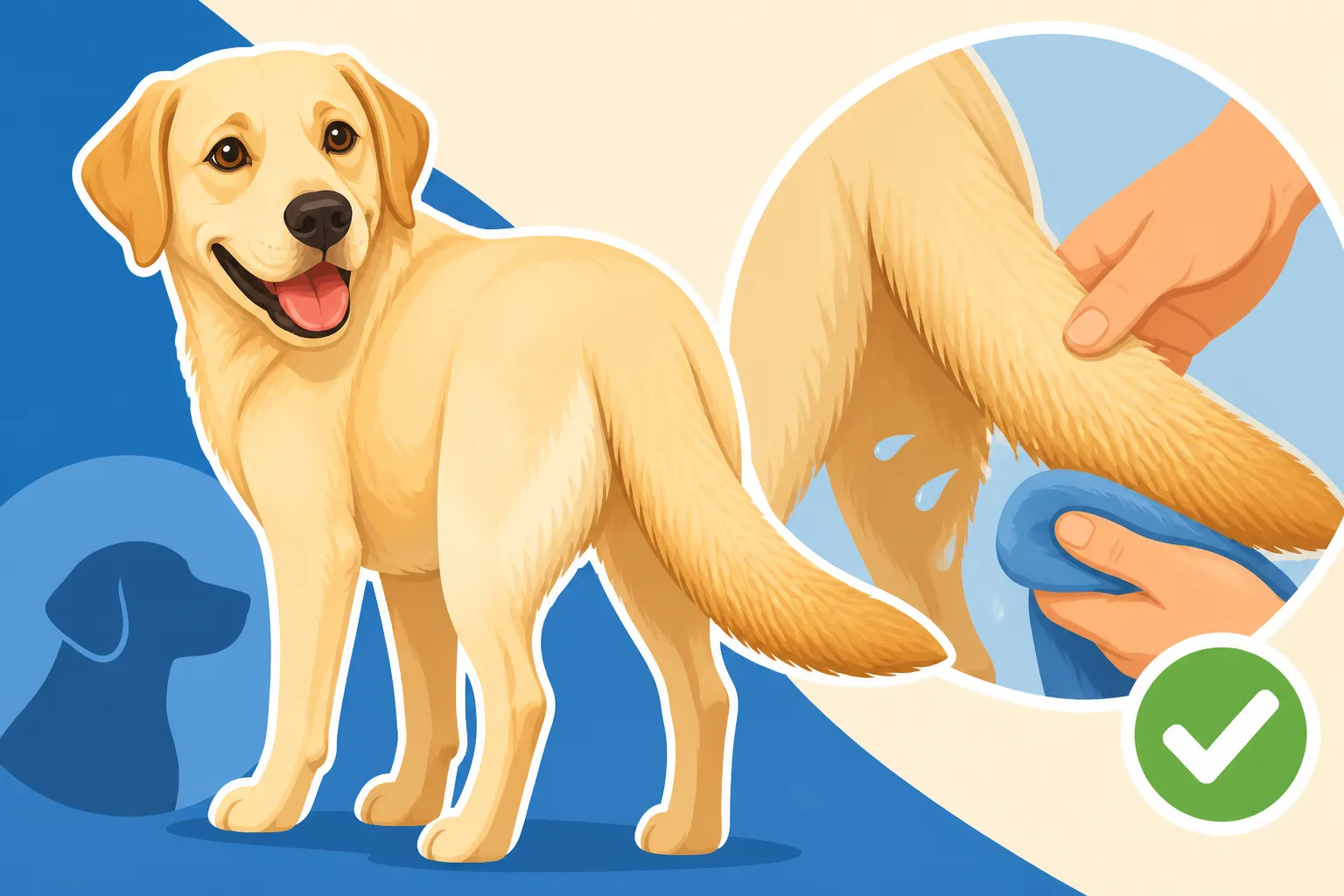
When you hear people talk about a Labrador's "otter tail," they're referring to its defining characteristics – thick at the base, gradually tapering towards the tip, covered in dense, short fur, and completely free of feathering. It's straight, carried fairly high, and when your Lab is excited, it might even be carried gaily, but it should never curl over the back. This isn't just a stylistic choice; it's a testament to the breed's working heritage.
What Makes a Labrador's Tail So Special?
The physical structure of a Labrador's tail is truly a marvel of natural engineering. It's incredibly strong and muscular, almost like a continuation of their spine, packed with dense bone and muscle. This isn't a fragile appendage; it's a powerful extension designed for heavy-duty work. Think of it as a propellor or a rudder when they're in the water, giving them incredible agility and thrust. The dense, short coat covering it helps protect against cold water and abrasions, making it remarkably durable in various environments. It’s part of what makes them such superb swimmers, enabling them to navigate currents and retrieve items with remarkable efficiency. This distinctive tail is a key part of their breed standard, a feature that separates them from other retrieving breeds. You can learn more about this in The Labrador Otter Tail Explained.
Beyond its physical prowess, the tail is deeply interwoven with the Labrador's overall anatomy and function. It acts as a counter-balance when they’re running, jumping, or making sharp turns, allowing for that classic Labrador athleticism we all admire. When you watch a Lab navigate uneven terrain or leap for a toy, you're seeing that powerful tail in action, subtly shifting to maintain equilibrium. This strong, thick base holds a lot of muscle, giving it not only strength but also its characteristic appearance. It's truly built for purpose, a nod to their history as working dogs retrieving game from icy waters.
The Importance of the Tail in Labrador Movement and Communication
A Labrador's tail isn't just for show; it's a vital part of their balance system, especially when swimming or moving quickly. When a Labrador dives into a lake or sprints across a field, that tail acts as a natural rudder, helping them steer and maintain stability. Without this crucial component, their characteristic agility and powerful swimming ability would be severely compromised. It allows them to make quick adjustments, whether it's changing direction to chase a rogue squirrel or navigating logs in the water during a retrieve.
But perhaps even more endearing to us owners is the tail's role in communication. A Labrador's tail is a living barometer of their mood and intentions. A happy, enthusiastic wag tells us they're thrilled to see us, ready for a game, or simply enjoying life. A tucked tail might indicate fear or submission, while a stiff, held-high tail could signal alertness or even apprehension. Learning to "read" your Labrador's tail is an essential part of understanding their emotional state. It's a language all its own, expressing everything from immense joy to quiet concern, and it's one of the first places we often look to gauge how our beloved companions are feeling. This non-verbal communication is fundamental to their interactions with humans and other dogs, making the tail an irreplaceable asset for social cues.
Everyday Care and Grooming for a Healthy Labrador Tail
Caring for your Labrador's tail is usually straightforward, thanks to its robust nature. However, a little regular attention can go a long way in preventing minor issues and keeping it in top condition. Think of it as preventative maintenance for one of your dog's most expressive and functional features.
Regular Brushing and Shedding Management
Labradors, with their dense double coats, are renowned for shedding, and their tails are no exception. The thick, water-resistant fur on their tail can trap loose hair, dirt, and even burrs or debris from outdoor adventures. Regular brushing, especially during seasonal "coat blows" in spring and fall, is crucial. Using a slicker brush or a deshedding tool, like those found on Chewy or Amazon, can help remove dead undercoat and prevent matting at the base of the tail, which, while rare for Labs, can still occur. Focus on brushing in the direction of hair growth, from the base to the tip, to gently work through the dense fur. This not only keeps their coat healthy but also stimulates circulation. You can find more tips on this in Brushing a Labrador's Coat and Deshedding Tools for a Labrador.
Beyond keeping the tail looking tidy, regular brushing is also an excellent opportunity for you to do a quick health check. As you brush, feel along the tail for any bumps, cuts, scabs, or signs of irritation. Your Labrador might even enjoy the attention, turning grooming into a bonding experience. If you find any tender spots or skin issues, it gives you an early heads-up to address them before they escalate. Consistent grooming ensures the skin underneath stays healthy and clear, reducing the risk of hidden problems.
Keeping the Tail Clean and Dry
Given that Labradors are often drawn to water and muddy adventures, keeping their tail clean and dry is paramount. After a swim in the lake or a romp in wet grass, it's a good practice to towel-dry your Labrador's tail thoroughly, paying extra attention to the base where moisture can linger. Residual dampness can create an ideal breeding ground for bacteria or yeast, potentially leading to skin irritation or even hot spots. A quick rinse with plain water can help remove mud, debris, or any chlorine if they've been swimming in a pool, followed by thorough drying. Learn more about post-swim care in Drying a Labrador's Ears After the Lake.
If your Labrador's tail does get particularly dirty or starts to smell, a full bath might be in order. Use a dog-specific shampoo, making sure to rinse thoroughly to avoid leaving any residue that could irritate the skin. Some owners find that a regular grooming routine, perhaps every 4-6 weeks, helps keep the coat and skin in prime condition. For Labs with sensitive skin, consulting your vet about appropriate shampoos is always a good idea. Remember, a clean, dry tail is a happy, healthy tail, and proactive measures can prevent uncomfortable and costly skin issues down the line. Check out How Often to Bathe a Labrador for more bathing insights.
Preventing Common Tail Injuries and Issues
While the Labrador's tail is incredibly robust, it's not invincible. There are a few common issues and injuries that can affect this powerful appendage, and understanding how to prevent them is key to keeping your Lab comfortable and healthy.
Limber Tail Syndrome: What It Is and How to Avoid It
One of the most common and distressing tail issues for Labradors is "limber tail syndrome," also known as cold tail, dead tail, or swimmer's tail. It's a painful condition where the tail goes completely limp or is held out a few inches from the base before drooping. Imagine how stiff and sore your muscles get after an intense, unusual workout – that's often what's happening in your Lab's tail muscles. It usually occurs after strenuous exercise, especially in cold water, or after intense exertion during a cold snap. Your dog might have been excitedly swimming for hours in a chilly pond or working hard during a hunt on a cold day.
The pain can be quite severe, and your Labrador might show signs of discomfort, difficulty sitting, or reluctance to wag their tail. Prevention is truly the best medicine here. Gradually condition your Lab to cold water activities, avoid sudden, prolonged exposure to cold temperatures or excessive tail use, and always ensure they have a warm, dry place to rest after any strenuous activity, particularly swimming. If you suspect limber tail, gentle warmth and rest are usually recommended, but always consult your veterinarian to confirm the diagnosis and rule out other, more serious injuries. Many vets will prescribe anti-inflammatory medication to help with the pain and swelling. Limber Tail After a Labrador Swims offers even more detail on this specific condition.
Preventing "Happy Tail" Injuries
Oh, the infamous "happy tail"! This is less a medical condition and more of a colloquial term for the injuries that occur when an enthusiastic Labrador wags their powerful tail with such gusto that it repeatedly strikes hard surfaces. Picture your Lab greeting you at the door, their tail a blur, thumping against walls, furniture, or even a crate. Over time, the constant impact can cause the delicate skin on the tip or along the tail to break open, leading to cuts, abrasions, and sometimes even bleeding. Because Labs often don't register the pain until the injury is quite advanced, and because they keep wagging, these injuries can be frustratingly difficult to heal.
To prevent happy tail, try to identify common "wagging zones" in your home where your Lab's tail makes contact with hard surfaces. You might use soft coverings on sharp corners of furniture, ensure their crate is spacious enough, or even consider creating a padded "safe zone" for excited greetings. If an injury does occur, keep it clean and protected to encourage healing. Sometimes, a vet might recommend a protective bandage or even a cone to allow the tail to mend. For persistent issues, some owners resort to temporary tail wraps or even light padding around the tail, though these solutions require careful monitoring to ensure they don't impede circulation or cause further irritation.
Protecting the Tail from Trauma
Beyond happy tail, a Labrador's tail can be vulnerable to other forms of trauma. It can get accidentally stepped on, caught in a closing door, or even injured during rough play with other dogs. Because the tail is an extension of the spine, severe trauma can lead to fractures or nerve damage, which can be incredibly painful and impact your dog's mobility and communication. For instance, a tail caught in a door could suffer a fracture near the base, leading to a noticeable kink or swelling, and your dog might be reluctant to move it at all.
Being mindful of your Labrador's tail in crowded spaces or during boisterous activities can help prevent these accidents. If you have children, teach them how to safely interact with your dog, emphasizing that the tail is not a toy to pull or step on. When traveling in the car, ensure your Lab is secured, perhaps with a car harness and seatbelt, to prevent injury during sudden stops or turns. If you ever suspect a fracture or significant injury, prompt veterinary attention is crucial. Signs like swelling, a visible kink, extreme pain when touched, or an inability to move the tail normally should warrant an immediate trip to the vet. Knowing Reading Pain in a Stoic Labrador can help you recognize subtle signs of discomfort.
When to Seek Veterinary Care for Your Labrador's Tail
Sometimes, despite our best efforts, a tail issue may arise that requires professional medical attention. Knowing when to call the vet and what signs to look for can prevent a minor problem from becoming a major one.
Recognizing Signs of Pain or Injury
Your Labrador is a master of stoicism, often hiding pain until it's quite severe. However, there are still tell-tale signs that indicate their tail might be hurting. Any change in how your Labrador carries or moves their tail is a red flag. Is it usually held high and wagging, but now it’s drooping or tucked? Are they unable to wag it at all? Do they yelp or flinch when you touch the base of their tail or along its length? Swelling, redness, or a visible wound are obvious signs of injury. They might also chew or lick excessively at their tail, indicating irritation or pain. Pay attention if they struggle to sit comfortably, as this can be a sign of pain in the tail's base or surrounding area.
Other behavioral cues can include a general lethargy, loss of appetite, or an unwillingness to play – especially if the activity involves tail movement. Sometimes, you might notice your dog is off-balance or struggling with agility, which could point to a problem affecting their tail's ability to aid in balance. If you observe any of these symptoms, particularly after an accident or a strenuous day, it’s always best to err on the side of caution and contact your veterinarian. Early intervention can make a significant difference in recovery.
Dealing with Skin Issues and Infections
The dense coat on a Labrador's tail, while protective, can also become a site for skin issues if not properly cared for. Hot spots, which are localized areas of moist dermatitis, can develop quickly, especially if the tail gets wet and isn't dried thoroughly, or if your dog is licking or chewing due to allergies or irritation. These areas become red, inflamed, and can be incredibly itchy and painful. Flea allergies, environmental allergies, or even food sensitivities can also manifest as skin irritation on the tail, causing your dog to chew and create raw spots. Sometimes, a skin infection, either bacterial or fungal, can take hold, leading to hair loss, scabbing, or a foul odor.
If you notice your Labrador chewing or licking their tail excessively, or if you spot any redness, oozing, or scabbing, it's time to visit the vet. They can accurately diagnose the cause, whether it's an allergy, a specific infection, or a secondary issue from trauma. Treatment might involve medicated shampoos, topical creams, oral antibiotics or anti-inflammatories, or dietary changes if allergies are suspected. Maintaining a healthy coat through good nutrition is also key – many high-quality dog foods, like those available on Ollie or Chewy, support skin and coat health. Sometimes, a cone or protective wrap might be needed to prevent your dog from further irritating the area during healing. Ignoring these signs can lead to worsening infections and prolonged discomfort for your beloved Lab. More information can be found in Hot Spots and Allergies in Labradors.
Disclaimer
This article is for general informational purposes only and does not constitute professional advice. Laws, prices and regulations vary by location and change over time. Consult a qualified professional for guidance on your specific situation.