How Often to Bathe a Labrador
It’s a tale as old as time for Labrador owners: one minute your beloved companion is a picture of pristine golden, black, or chocolate elegance, and the next they’re rolling in something unspeakable or emerging from the pond caked in mud. You want them clean, of course, but you also worry about stripping their coat or irritating their sensitive skin. This guide will help you understand your Labrador's unique needs, so you can keep them fresh and healthy without overdoing it.
The Labrador's Unique Coat: Why Frequent Bathing Isn't Always the Answer
When you think about giving your Labrador a bath, it's easy to just think "clean dog." But for a Labrador, their coat is so much more than just fur; it's a finely tuned piece of natural engineering designed to protect them in all sorts of environments. Understanding this is crucial to deciding how often they truly need a full wash.
Understanding the Labrador Double Coat
Labradors, true to their retrieving heritage, are equipped with a magnificent double coat. This isn't just a fashion statement; it's a functional marvel. The outer layer consists of short, dense, and slightly coarse guard hairs. These hairs are remarkably water-resistant, acting like a natural raincoat to shed moisture and dirt. If you've ever felt a Lab's coat after a swim, you know it's not soaked to the skin but rather beads off the surface. Beneath this protective outer shell lies a soft, thick, and plush undercoat. This downy layer is what provides insulation, keeping your Labrador warm in cold water and chilly weather. It's truly a marvel of adaptation, allowing them to happily retrieve ducks from icy lakes without getting a chill. The combination of these two layers provides superior protection against both the elements and minor abrasions. You can read more about what makes this coat so special in Labrador Coat Type in the Standard.
Because of this unique structure, the Labrador's coat does a lot of the work for you. It's designed to repel, not absorb, much of the dirt and moisture it encounters. Over-bathing can actually disrupt this natural protective system, making your dog more susceptible to getting dirty and wet, rather than less. It's a bit counterintuitive, but nature really knows best when it comes to a Lab's fur.
The Role of Natural Oils in Coat Health
Beyond the physical structure of the double coat, there's another unseen hero at play: your Labrador's natural skin oils. Just like our skin produces oils to stay moisturized and protected, a Labrador's sebaceous glands secrete a natural oily substance (sebum) that coats their fur and skin. These oils are absolutely vital for maintaining the health and functionality of their coat. They contribute significantly to the water-repellent properties of the outer coat, giving it that characteristic slickness that water simply glides off. Furthermore, these natural oils keep their skin supple and their fur shiny and healthy, preventing dryness and brittleness.
When you bathe your Labrador too frequently, especially with harsh shampoos, you strip away these essential natural oils. It's like overwashing your own hair; it becomes dry, flaky, and loses its natural luster. For a Labrador, stripping these oils can lead to dry, itchy skin, a dull coat, and can even make them more prone to skin irritations and infections because their natural protective barrier has been compromised. You'll often find that your Labrador's coat has a distinct, slightly oily feel, especially if you run your hand through it. This isn't a sign of dirt; it's exactly what's supposed to be happening, ensuring their coat is in top condition. Learn more about this amazing feature in What Makes a Labrador's Coat Feel Oily. Our goal as responsible owners is to find a balance, cleaning them when truly necessary while preserving this natural defense system.
Factors Influencing Your Labrador's Bathing Schedule
So, if we're not just bathing for the sake of it, how do we decide when it's the right time? The truth is, there's no single perfect schedule for every Labrador. Their lifestyle, health, and even the time of year all play a big role in how often they'll need a proper scrub-down.
Activity Levels and Outdoor Adventures
This is probably the biggest factor for most Labrador owners, isn't it? Our Labs are adventurers by nature. If your Labrador is a keen swimmer, a mud puddle connoisseur, or loves rolling in anything even remotely pungent (and let's be honest, most do!), their bathing needs will obviously increase. A Labrador who spends most of their time on leashed walks around the neighborhood and lounging indoors might only need a bath every two to three months. Their coat simply doesn't accumulate as much grime or develop a strong "doggy" odor as quickly.
However, if your Lab is a regular at the dog park, hiking trails, or, like mine, has a passionate love affair with the local pond, you'll find yourself needing to intervene more often. After a particularly muddy excursion or a dip in less-than-sparkling water, a full bath might be unavoidable to prevent skin issues or just to make your house bearable. But remember, a quick rinse with plain water can often remove mud and debris without stripping oils, especially if the "dirt" is just water-soluble. Only a full bath with shampoo is needed for persistent odors or sticky grime. When they're enjoying a good swim, keep in mind how to properly care for their coat afterward to prevent issues, as discussed in Drying a Labrador After a Swim.
Skin Sensitivities and Allergies
Some Labradors, bless their hearts, just have more delicate skin than others. If your dog suffers from environmental allergies, food sensitivities, or other skin conditions, you'll need to be extra mindful of their bathing routine. For these Labs, over-bathing can actually exacerbate their itching and irritation, leading to a vicious cycle. You might see redness, excessive scratching, or dull, flaky fur, which are all signs that their skin barrier might be compromised.
In these cases, your veterinarian might recommend a specific bathing schedule using medicated shampoos designed to treat their condition. This could mean more frequent baths, but with specialized products that are gentle and therapeutic. It's crucial to follow your vet's advice and not try to self-medicate or use harsh commercial products. For Labs with allergies, sometimes targeted cleaning, like regular paw washes, can help remove allergens without the need for a full body bath. If you suspect your Labrador has allergies or other skin problems, it's always best to consult with your vet. Catching issues early, like the signs of irritation that lead to Hot Spots and Allergies in Labradors, can make a huge difference in their comfort.
Seasonal Considerations
The time of year can also influence how often your Labrador needs a bath. During the warmer months, especially if your Lab is enjoying swimming or spending more time outdoors, you'll likely find yourself reaching for the shampoo more frequently. Increased humidity can also contribute to a faster buildup of odor or oil. However, this is also the time when hot spots can develop if a dog isn't dried thoroughly.
Conversely, during the colder, drier winter months, you might want to reduce the frequency of full baths. The dry indoor air combined with harsh winter weather can already make your Labrador's skin drier and more prone to flakiness. Stripping natural oils with frequent baths during this time can worsen the problem. Brushing becomes even more important to remove loose fur and stimulate blood flow to the skin, which helps distribute those protective oils. And let's not forget shedding season, often in spring and fall, when your Lab "blows" their undercoat. A bath during this time can help loosen some of that dead fur, but it's really the vigorous brushing that will be most effective. Understanding Labrador Coat Blowing in Spring and Fall can help you prepare for these periods.
Here's a quick guide to help you gauge your Labrador's bathing needs:
| Factor | Recommended Bathing Frequency | Notes |
|---|---|---|
| Generally Clean/Indoor | Every 2-3 months | Maintains natural oils, prevents dryness. |
| Moderate Activity/Outdoor | Every 1-2 months | More exposure to dirt, but still protect natural oils. |
| Very Active/Swimmer | Monthly or as needed (rinse) | More frequent rinsing to remove mud/debris; full bath less often. |
| Skin Allergies/Issues | As directed by vet | May require special medicated shampoos; follow specific instructions. |
| Rolling in Mud/Smelly | Immediately | One-off incidents call for immediate action. |
| Shedding Season | Once or Twice (with brushing) | Helps loosen dead undercoat, but brushing is primary deshedding tool. |
The Best Bathing Practices for Your Labrador
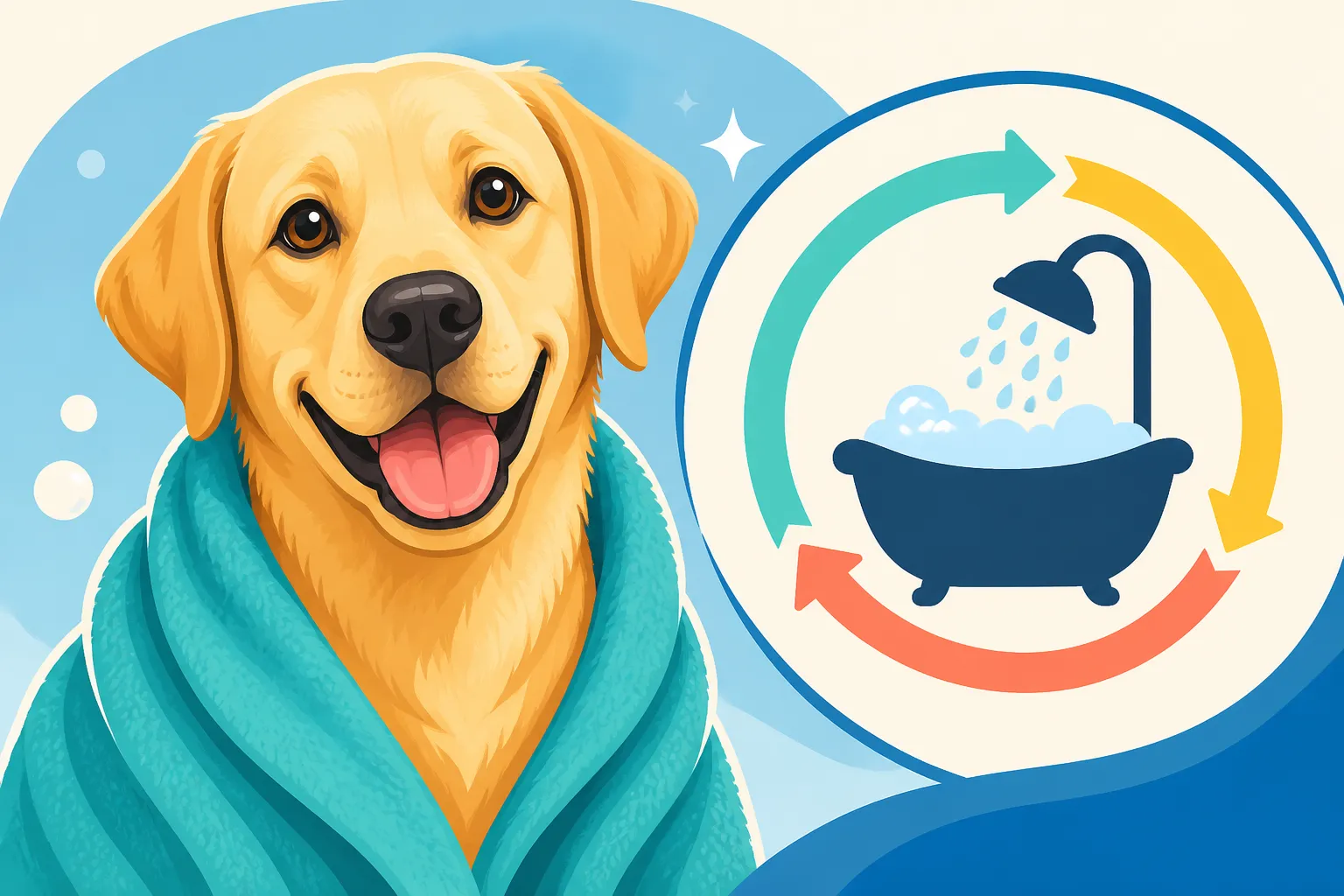
When the time does come for a full bath, it's important to do it right. A proper bathing technique minimizes stress for your dog and maximizes the effectiveness of the clean, all while protecting their precious coat.
Choosing the Right Shampoo and Conditioner
Forget about borrowing your own fancy shampoo! A Labrador's skin has a different pH level than human skin, and using human products can be incredibly irritating, leading to dryness, itching, and potential skin issues. Always opt for a high-quality, pH-balanced dog-specific shampoo. For Labs with sensitive skin or allergies, look for hypoallergenic, oatmeal-based, or all-natural formulas that are free from harsh chemicals, dyes, and strong fragrances. These are designed to be gentle while still effectively cleaning. You can find a vast selection of these specialized products from trusted retailers like Chewy or Amazon, often with detailed ingredient lists and customer reviews to guide your choice.
Don't skip the conditioner! After shampooing, a good dog-specific conditioner helps to restore moisture to the skin and coat, smooth the hair cuticles, and detangle any knots. This makes brushing easier after the bath and helps to maintain the natural luster and softness of their fur. Just like with shampoo, make sure to choose a conditioner that is formulated for dogs and matches any special skin needs your Lab might have. If you're using a medicated shampoo prescribed by your vet, they might also recommend a specific medicated conditioner or leave-in treatment to follow.
Step-by-Step Bathing Process
Bathing a Labrador, especially a large, enthusiastic one, can feel like a wrestling match if you're not prepared! A little planning goes a long way. First, gather all your supplies: shampoo, conditioner, towels, a non-slip mat for the tub or shower, and treats for positive reinforcement. Before wetting your Lab, give them a thorough brush to remove any loose fur and disentangle mats. This makes the shampooing process much more effective.
Next, get your dog into the tub or shower, using the non-slip mat to help them feel secure. Use lukewarm water – test it on your wrist like you would for a baby. Thoroughly wet their entire coat, making sure the water penetrates all the way down to the skin, especially in their dense undercoat. Apply shampoo, working it into a rich lather from their neck to their tail, paying extra attention to dirty areas like their paws, belly, and under the tail. Be incredibly careful around their eyes and ears; you can use cotton balls in their ears to prevent water from entering, but be sure to remove them afterward. The most critical step is rinsing. Rinse, rinse, and rinse again! Shampoo residue left on the skin can cause irritation, itching, and dryness. Keep rinsing until the water runs completely clear and you can feel no suds when you squeeze their fur. It often takes longer than you think, especially with a thick double coat.
Essential Drying Techniques
Once your Labrador is squeaky clean, the drying process is just as important as the washing. A damp coat, especially in a dense double-coated breed like a Lab, can become a breeding ground for bacteria and yeast, leading to hot spots or skin infections. Start by towel drying vigorously. Use multiple absorbent towels to remove as much water as possible from their coat. Blot and rub their fur, paying close attention to their chest, armpits, and undercarriage where water tends to collect.
If your Labrador tolerates it, you can use a dog-specific high-velocity dryer on a low or cool setting. Never use a human hairdryer, as these can get too hot and burn their skin. A high-velocity dryer helps to push water out of the coat and speeds up drying time significantly, especially for the thick undercoat. If air-drying, make sure your Labrador stays in a warm, clean area and continue to check their coat for dampness until they are completely dry, which can take several hours for some Labs. During this time, gentle brushing can also help separate the fur and aid in drying. Pay particular attention to their ears. Flap-over ears are prone to infections if not dried properly after bathing or swimming. This is why regular ear care, including knowing How Often to Clean a Labrador's Ears, is vital.
Beyond the Bath: Daily Care for a Healthy, Clean Labrador
While baths are necessary, they're just one piece of the puzzle. A proactive approach to daily and weekly grooming, coupled with good nutrition, can drastically reduce the need for frequent full baths and keep your Labrador looking and feeling great.
Routine Brushing and Spot Cleaning
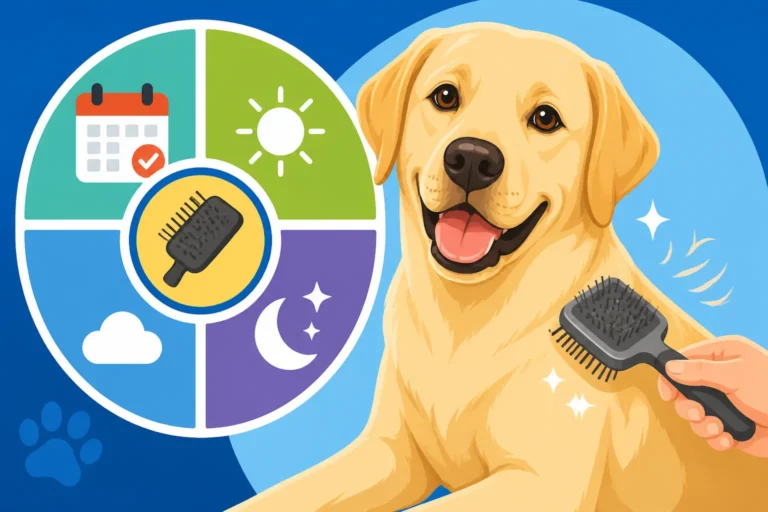
Think of brushing as your everyday secret weapon against dirt and odors. Daily or at least every-other-day brushing is paramount for a Labrador. It does so much more than just remove loose hair; it helps to dislodge dirt, debris, and loose undercoat before it has a chance to mat or cause irritation. Regular brushing also stimulates the skin, encouraging the distribution of those beneficial natural oils we discussed earlier, which keeps the coat healthy and shiny. During shedding season, increasing brushing to daily, using a good de-shedding tool or slicker brush, will be your best friend – and your vacuum cleaner's! You'll be amazed at how much cleaner your home stays, and how much longer you can put off a full bath, with consistent brushing. For tool recommendations, check out Which Brush Works on a Labrador Coat.
Spot cleaning is another fantastic way to manage day-to-day grime. Did your Lab just sprint through a muddy patch on your walk? Instead of a full bath, simply rinse their paws with warm water and wipe them clean with a towel. For small, localized dirty spots or light odors, you can use a damp cloth with a tiny bit of diluted dog shampoo, rinse the spot thoroughly, and then dry it well. Always keep some dog-specific paw wipes handy for quick clean-ups after walks. Remember to regularly check and trim your Labrador’s paw hair, especially between the pads, to prevent debris from accumulating and causing discomfort. More tips on this can be found in Trimming a Labrador's Paw Hair.
The Link Between Diet and Coat Health
What your Labrador eats has a profound impact on the health of their skin and coat. A high-quality, balanced diet rich in essential fatty acids (like Omega-3s and Omega-6s) can significantly improve coat shine, reduce shedding, and minimize skin dryness and flakiness. Think of it as internal grooming! If your Labrador's diet is lacking, their coat might appear dull, dry, or excessively flaky, making them more prone to skin issues and potentially necessitating more frequent baths to soothe irritation.
Many premium dog foods formulate their recipes to support skin and coat health. Brands that focus on fresh, high-quality ingredients, like Ollie, often include these beneficial fatty acids. Always read the ingredient list when choosing your dog's food, looking for identifiable protein sources and healthy fats. Good nutrition can even help manage allergic reactions that manifest as skin problems. If you're ever in doubt about what to feed your Labrador for optimal skin and coat health, consult your veterinarian for dietary recommendations. It's a foundational element of their overall well-being. For more detailed advice, check out Choosing Dog Food for a Labrador Retriever and Reading a Dog Food Label for a Labrador.
When to Consider Professional Grooming
While Labradors are generally considered low-maintenance in the grooming department compared to long-haired breeds, there are times when professional help can be invaluable. During heavy shedding seasons, a professional groomer can perform a "de-shedding" treatment using specialized tools and high-velocity dryers that can extract far more undercoat than you might be able to at home. This significantly reduces the amount of loose hair in your home and can help your Lab feel much more comfortable.
Professional groomers also have the expertise and equipment to handle large, sometimes reluctant, dogs more safely and efficiently. If your Labrador is particularly anxious about baths or nail trims, a groomer might be able to perform these tasks with less stress for both of you. They can also take care of other routine maintenance, such as expressing anal glands (if needed) and checking for any lumps, bumps, or skin issues you might have missed. For older Labs or those with mobility issues, a trip to the groomer can be much easier than a home bath. They can even tackle challenging tasks like How Often a Labrador Needs Nails Trimmed with precision and confidence. So, while not a weekly necessity, a professional grooming session a few times a year can be a real treat for your Labrador and a helpful hand for you.
Disclaimer
This article is for general informational purposes only and does not constitute professional advice. Laws, prices and regulations vary by location and change over time. Consult a qualified professional for guidance on your specific situation.