A Socialization Checklist for a Labrador Puppy
Bringing home a Labrador puppy is an absolute joy, a whirlwind of wiggly butts and curious noses. But as the initial excitement settles, many new puppy parents find themselves wrestling with a big question: how do I ensure this little bundle of fur grows into a confident, well-adjusted adult? The pressure to "get socialization right" during those crucial early weeks can feel immense, leaving you wondering if you're exposing them to enough new experiences without overwhelming them. This guide aims to alleviate that stress by providing a comprehensive, realistic socialization checklist tailored specifically for your Labrador puppy, helping you build a solid foundation for a happy, balanced life together.
Understanding the Critical Socialization Window for Labradors
It's tempting to think that because Labradors are known for their friendly, outgoing personalities, they don't need as much intentional socialization as other breeds. Many owners assume their Lab will just naturally be good with everyone and everything. However, this couldn't be further from the truth. While genetics certainly play a role in temperament, proper socialization is the bridge that connects that potential to a truly confident, happy adult dog. Ignoring this window can lead to a lifetime of challenges, even for the most inherently sweet-natured Lab.
Why Early Exposure Matters So Much
The period between approximately 3 and 16 weeks of age is often referred to as the "critical socialization window" for puppies. During these precious weeks, a puppy's brain is like a sponge, absorbing and processing information about the world around them at an incredible rate. Every positive experience, every novel sight, sound, smell, and interaction, helps shape their understanding of what is normal, safe, and exciting. For a Labrador, who will grow into a large and powerful dog, making these early experiences overwhelmingly positive is paramount. It’s not just about meeting other dogs; it’s about building resilience and a calm acceptance of the unpredictable world.
Think of it like laying the foundation for a house. You wouldn't skip pouring concrete and expect the walls to stand strong. Similarly, you can't skip comprehensive early socialization and expect a perfectly balanced adult Labrador. These early weeks are when they learn what the world is made of, what to fear (very little, ideally!), and what to embrace. It's about introducing them to a rich tapestry of experiences in a controlled, positive way, so they learn to generalize these good feelings to new situations throughout their life. Many owners wonder When to Start Training a Labrador Puppy, and the answer is immediately upon bringing them home, especially for socialization.
The Risks of Insufficient Socialization
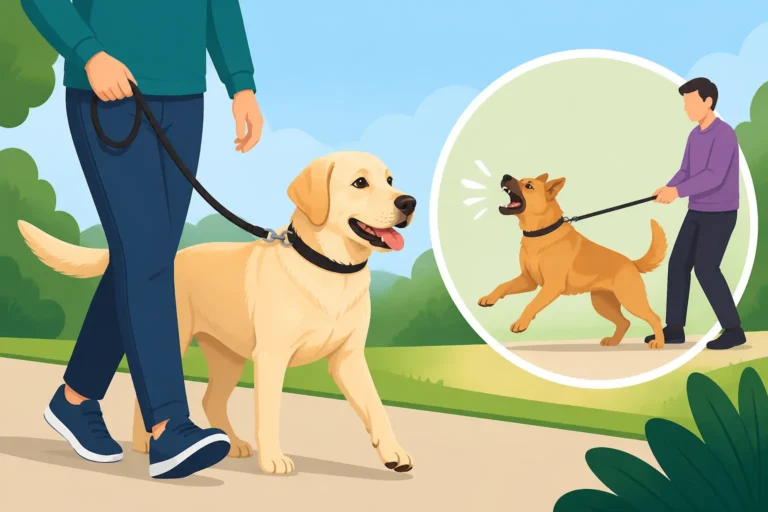
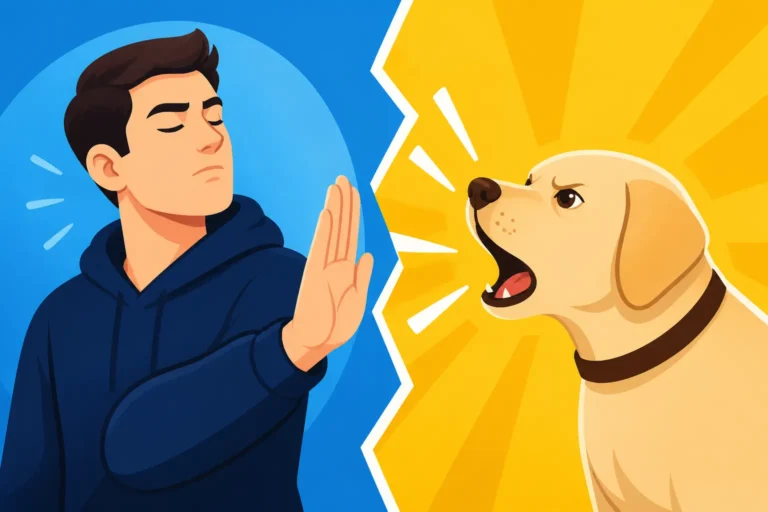
If a Labrador puppy doesn't receive adequate, positive exposure during this critical window, the consequences can range from mild apprehension to severe behavioral issues later in life. An undersocialized Lab might become fearful of strangers, barking or retreating from people wearing hats or carrying umbrellas. They might develop anxiety around loud noises, trembling during thunderstorms or fireworks. Other common issues include reactivity towards other dogs, where they lunge and bark on the leash, not out of aggression, but often out of fear or frustration from a lack of proper introductions.
Imagine having a Labrador who cowers every time a child approaches, or who barks incessantly at the delivery driver because they've never seen someone in a uniform before. These are not minor inconveniences; they are significant stressors for both the dog and the owner, often requiring extensive and costly behavioral modification. In extreme cases, a lack of socialization can lead to fear-based aggression, which is particularly concerning in a strong breed like a Labrador. This isn't to scare you, but to highlight just how impactful this early period is and why investing the time now pays dividends for years to come.
Your Labrador Puppy Socialization Checklist: People, Places, and Things
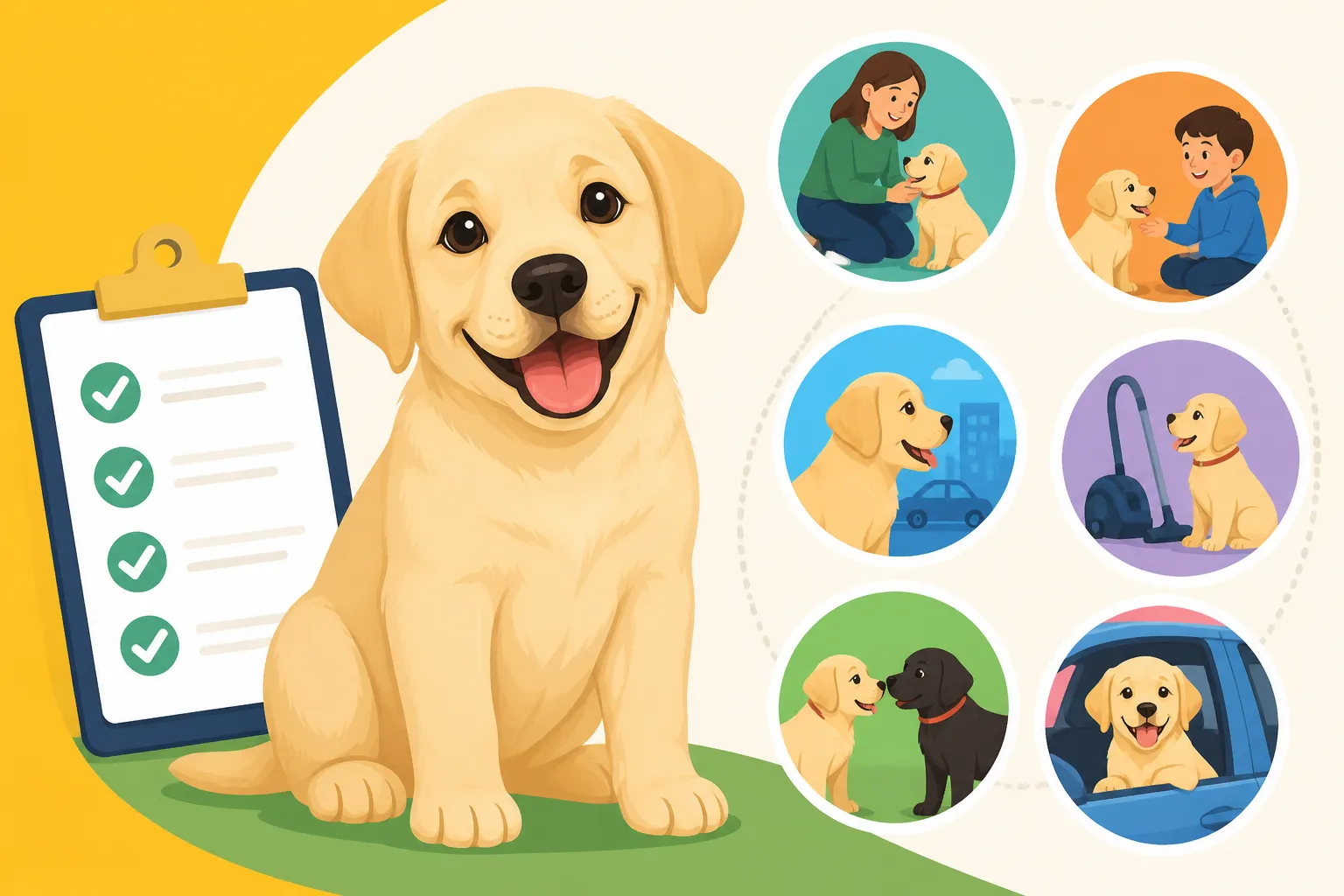
Socialization isn't just about playing with other puppies, although that's certainly a part of it. It's a holistic approach to introducing your Labrador puppy to the vast, diverse world they will share with you. The key is positive exposure – making sure each new experience is accompanied by treats, praise, and a calm, reassuring demeanor from you. Never force an interaction or push your puppy beyond their comfort zone. The goal is curiosity, not fear.
Diverse People Encounters
Your Labrador will encounter countless people throughout their life, and it's essential they learn that humans, in all their variations, are generally wonderful sources of affection and treats.
- Children: Introduce your puppy to children of various ages, but always under strict supervision. Teach children how to interact gently, to avoid startling the puppy, and to offer treats calmly. Even if you don't have kids, your Lab will inevitably meet them, so positive early encounters are vital. This can help prevent issues down the line. You can find more tips on Introducing a Labrador to Children.
- Adults of all types: This means men, women, teenagers, and seniors. People with different clothing (hats, sunglasses, coats), different gaits, and different accessories (canes, wheelchairs, strollers). Ask friends and family to visit, but instruct them to let the puppy approach at their own pace. Have them offer a high-value treat as a positive association.
- People in uniforms: Postal workers, delivery drivers, police officers. These can often be triggers for barking later on. If possible, arrange for controlled, positive interactions. A friendly chat with the delivery person, followed by them tossing a treat, can make a huge difference.
Varied Environments and Surfaces
The world isn't just your living room carpet. Exposing your Labrador puppy to a multitude of environments helps them generalize their comfort and confidence.
- Different Locations:
- Quiet parks/neighborhoods: Before full vaccinations, carry your puppy or use a pet stroller/carrier. Let them observe the world from a safe distance, taking in the sights and sounds without direct contact with unknown dogs or surfaces.
- Pet-friendly stores: Hardware stores, garden centers, some pet stores (if they allow unvaccinated puppies carried in a cart or arms) are great for new smells, sounds, and people. A quick trip to a store like PetSmart or your local hardware chain can offer a wealth of stimulation.
- Busy areas: A short, calm visit to the edge of a shopping center parking lot or a bustling street (again, carrying them if not fully vaccinated) allows exposure to traffic, sirens, and crowds from a safe distance.
- Car rides: Make car rides positive from day one with treats and short durations. This prevents car sickness and anxiety later.
- Different Surfaces: Let your puppy walk on grass, pavement, gravel, wood floors, tile, carpet, stairs, even sand if you live near a beach. Each new texture is a mini-adventure and builds their confidence in navigating different terrains. Always ensure surfaces are safe and not too hot or cold for their paws.
Sounds, Objects, and Movement
Our homes and the world outside are full of sensory input. Desensitizing your Labrador puppy to common sounds and objects is crucial.
- Household Noises: Vacuum cleaners, blenders, washing machines, hair dryers, doorbells, telephones. Play recordings of these noises quietly at first, gradually increasing volume while your puppy is relaxed and receiving treats. Then introduce the real object while playing, always keeping it positive.
- Outdoor Noises: Traffic, sirens, construction sounds, thunder, distant fireworks. Again, controlled exposure through recordings or short, calm outdoor sessions can work wonders.
- Novel Objects and Movement: Umbrellas opening and closing, bicycles, skateboards, baby strollers, people jogging, children playing. Introduce these calmly, from a distance, with treats. Let your puppy investigate safely when they are ready. A great tool for safe exploration in new environments is a good quality long line, easily found on Amazon. This allows your puppy a sense of freedom while you maintain control and can reel them in if something startles them.
Handling and Grooming Experiences
Regular handling is critical for both your puppy's comfort and your ability to care for them throughout their life.
- Paws, Ears, Mouth: Gently touch their paws, individual toes, and nails. Lift their lips and inspect their teeth. Look into their ears. Do this daily, pairing it with praise and high-value treats. This makes vet visits and grooming sessions much less stressful.
- Nail Trims and Brushing: Introduce nail clippers or a Dremel tool early, letting them sniff it, then rewarding them. Gradually work up to actually trimming a single nail, then more. Use a soft brush daily, making it a pleasant experience. Labradors shed, so early positive experiences with brushing will be a lifesaver later on. For more on this, check out Labrador Ear, Paw and Nail Care.
- Baths: Start with short, positive bathing experiences. Use lukewarm water and gentle puppy shampoo. Keep it brief and reward heavily afterwards.
- Vet Visits: Schedule "happy visits" to the vet where your puppy simply goes in, gets a treat from the staff, and leaves without any procedures. This helps create positive associations with the clinic. Your vet can also offer advice on Labrador Puppy Health in the First Year.
| Socialization Category | Examples of Exposure | Goal |
|---|---|---|
| People | Diverse ages, genders, appearances, uniforms, mobility aids. | Puppy views all humans as potential sources of good things, not threats. |
| Environments | Parks, pet stores, quiet streets, different flooring, stairs, elevators. | Puppy is confident and relaxed in varied settings. |
| Sounds | Vacuum, doorbell, thunder, traffic, children playing, music. | Puppy does not react with fear or excessive barking to common noises. |
| Objects & Movement | Umbrellas, bikes, strollers, hats, bags, people running, flags. | Puppy accepts novel objects and movements as normal parts of the world. |
| Handling | Paws, ears, mouth, belly rubs, nail trims, brushing, baths, vet exams. | Puppy tolerates and ideally enjoys being handled and groomed. |
| Other Animals | Calm, vaccinated adult dogs, cats (if applicable), other species. | Puppy learns appropriate social cues and comfortable co-existence. |
Introducing Your Labrador Puppy to Other Animals Safely
While human and environmental exposure is crucial, interactions with other animals, particularly other dogs, are equally important. However, this is where careful management and safety become paramount, especially before your puppy is fully vaccinated.
Socializing with Other Dogs
This is perhaps the most talked-about aspect of puppy socialization, and for good reason. Learning appropriate canine communication is vital for a well-adjusted dog.
- Focus on Vaccinated, Calm Adults: Before your puppy has completed their full vaccination series, avoid public dog parks or areas where unknown dogs frequent. Instead, arrange playdates with carefully selected, fully vaccinated, temperamentally sound adult dogs belonging to friends or family. These adult dogs should be calm, patient, and have good social skills, acting as good role models for your puppy. They can teach your puppy boundaries and appropriate play behavior.
- Puppy Socialization Classes: These are an excellent option for puppies before they are fully vaccinated. Reputable puppy classes are usually held in a clean, sanitized environment, and all attending puppies are required to have received at least their first round of vaccinations. These classes offer supervised play with same-age peers, providing invaluable lessons in bite inhibition (especially important for a Labrador puppy prone to Labrador Puppy Mouthing and How to Redirect It) and social etiquette in a controlled setting. This is truly one of the best investments you can make in your puppy's development. Consider looking into Whether Puppy Class Is Worth It for a Labrador.
- Avoid Overwhelm: Even after full vaccination, large, chaotic dog parks can be overwhelming and even dangerous for a young puppy. Focus on one-on-one or small group play with known, gentle dogs until your Labrador is older, more confident, and has solid recall. The goal is positive experiences, not just any experience. A bad encounter can set your puppy back significantly. Learn more about navigating these interactions with Labradors With Other Dogs.
Exposure to Cats and Other Pets
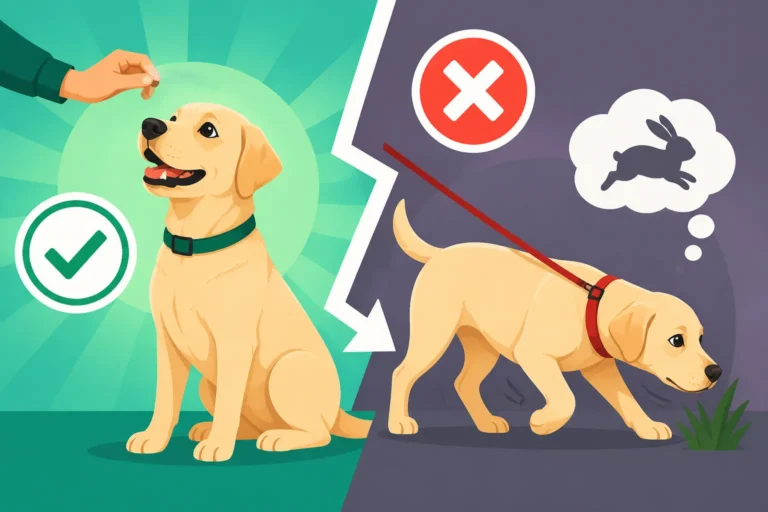
If your household includes cats or other small animals, careful, positive introductions are essential from day one. Labradors have a strong prey drive, and while they can absolutely live harmoniously with other species, it requires thoughtful management.
- Controlled Introductions: Keep initial interactions short, supervised, and positive. Use leashes or crates to ensure safety for all animals. Reward your Labrador puppy for calm behavior around the cat, even just looking at them without lunging.
- Separate Spaces: Ensure your cat or other pet has safe, elevated escape routes or separate rooms where they can retreat if they feel overwhelmed. Never leave your puppy unsupervised with smaller pets until you are absolutely certain they are safe and comfortable together.
- Positive Reinforcement: High-value treats should flow freely whenever your puppy is calm and relaxed in the presence of the other pet. You want them to associate the other animal with good things. More detailed guidance can be found on Introducing a Labrador to a Cat.
Practical Strategies for Successful Labrador Socialization
Socialization isn't a one-and-done event; it's an ongoing process, especially during your Labrador's first year. Consistency, patience, and a positive attitude from you are the most powerful tools in your arsenal.
Making Every Experience Positive
The quality of each interaction matters far more than the quantity. A single scary experience can undo weeks of positive work, so always prioritize your puppy's comfort.
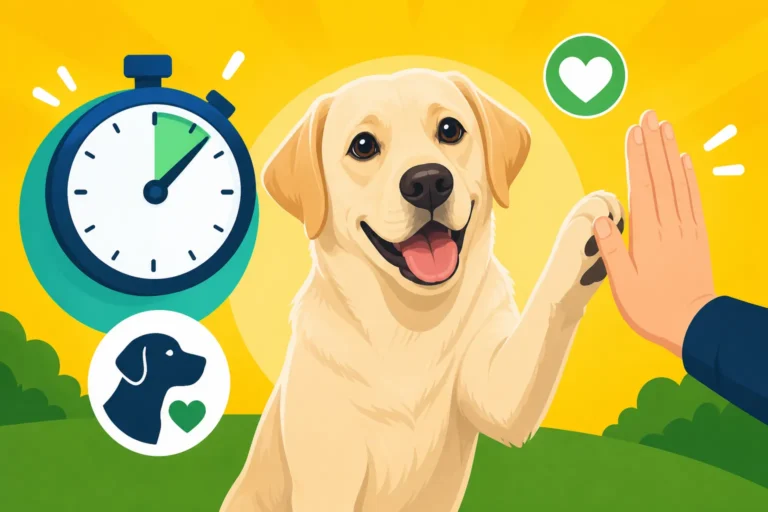
- High-Value Treats are Your Best Friend: Every time your puppy encounters something new – a person, a sound, a surface – pair it with their favorite, high-value treat. Cheese, cooked chicken, or small bits of hot dog work wonders. This creates a powerful positive association: "New thing = delicious reward!"
- Keep it Short and Sweet: Puppy attention spans are famously short. Socialization sessions should be brief, just a few minutes, and always end on a positive note before your puppy gets tired or overwhelmed. If you see signs of stress (tail tucked, yawning, lip licking, trying to hide), immediately increase distance, offer comfort, and make the situation easier.
- Read Your Puppy's Body Language: Learn to recognize the subtle cues your Labrador puppy gives when they are feeling uneasy. A stiff body, whale eye (showing the whites of their eyes), tucked tail, or excessive licking can all indicate stress. Your job is to advocate for your puppy and remove them from overwhelming situations before they become truly fearful. Building Confidence in a Timid Labrador starts with respecting their boundaries.
The Role of Puppy Classes and Professional Guidance
While self-guided socialization is important, structured environments and expert advice can supercharge your efforts.
- Structured Puppy Classes: As mentioned, these are invaluable. Beyond safe play, they teach basic obedience cues in a distracting environment and provide opportunities to troubleshoot common puppy behaviors like Crate Training a Labrador Puppy or nipping. A good instructor can offer personalized advice and help you navigate challenges specific to your Labrador's personality.
- Online Training Resources: If in-person classes aren't feasible or you want supplemental guidance, online platforms can be incredibly helpful. Programs like those offered by BAXTER & Bella provide comprehensive, step-by-step training curricula that include extensive socialization advice. They often offer coaching and community support, allowing you to learn at your own pace and ensure you're covering all the bases.
- One-on-One Trainer Consultations: If your Labrador puppy shows signs of unusual fear or aggression, or if you simply feel overwhelmed, don't hesitate to consult a professional dog trainer or behaviorist. They can offer tailored strategies and hands-on guidance to address specific challenges. Early intervention is always best.
Balancing Safety and Exposure
One of the biggest anxieties for new puppy owners is balancing the need for socialization with the risks of exposure to diseases before vaccinations are complete.
- Strategic Exposure Before Full Vaccinations: Before your Labrador puppy has completed their full vaccination series (typically around 16 weeks), it's crucial to minimize their risk of contracting diseases like parvo. This means avoiding public dog parks, communal dog bowls, or areas where many unknown dogs congregate. However, socialization must still happen. This is where carrying your puppy, using a pet stroller, or attending controlled puppy classes comes in. The goal is to let them observe the world safely, not necessarily interact directly with unknown dogs or contaminated ground. For more on this delicate balance, read Socializing a Labrador Before Vaccines Finish.
- Gradual and Controlled Introductions: Always introduce new experiences gradually. Start from a distance, assess your puppy's reaction, and slowly move closer if they remain calm and curious. Never force your puppy into a situation that clearly makes them uncomfortable.
- Prioritize Health Clearances: While not directly socialization, ensuring your puppy comes from a reputable breeder who performs Health Clearances a Labrador Breeder Must Show contributes to a healthier, more resilient dog, better able to cope with new experiences. A sick puppy won't be a well-socialized puppy.
Remember, socialization is an ongoing journey. Even after the critical window closes, continue to expose your Labrador to new things throughout their life. The goal is to build a confident, adaptable companion who can navigate the world with you calmly and happily.