What a Labradoodle Takes From the Labrador Side
Many folks are incredibly drawn to the Labradoodle, envisioning the perfect blend of a Poodle's smarts and a Labrador Retriever's famously sunny disposition. While the Poodle side brings its own wonderful contributions to the mix, it's often the Labrador heritage that shapes many of the traits people adore (and sometimes find challenging!) in these popular hybrids. Understanding what a Labradoodle is likely to inherit from its Labrador parent can truly help set realistic expectations for anyone considering bringing one into their home.
The Labrador's Enduring Temperament Traits in a Labradoodle
When you meet a Labradoodle, many of the qualities that make Labradors such beloved family dogs often shine through. These aren't just superficial resemblances; they're deeply ingrained behavioral patterns that are a hallmark of the Labrador breed and frequently passed down.
The Affectionate and People-Oriented Nature
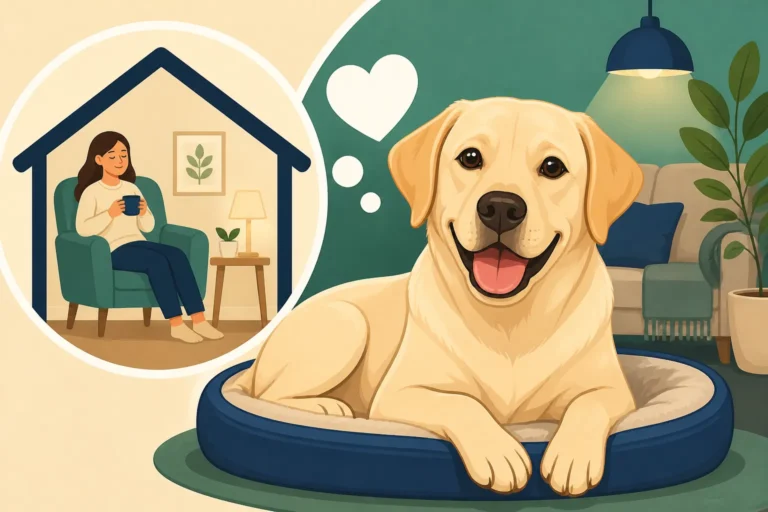
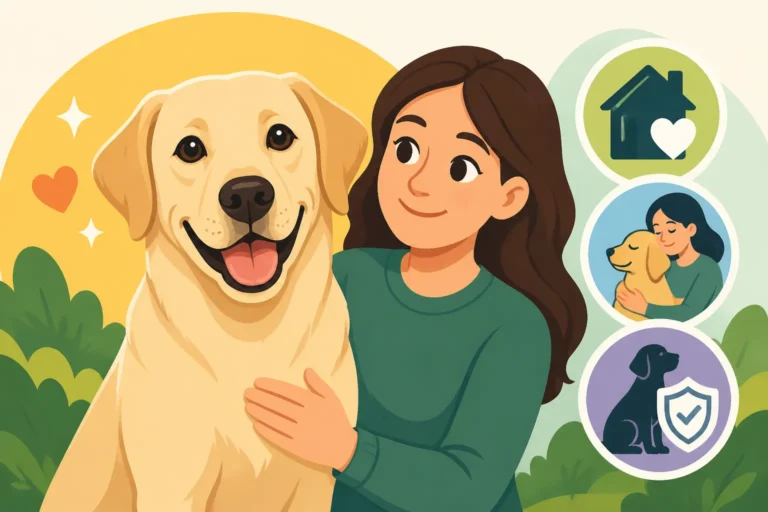
One of the most striking traits a Labradoodle often inherits directly from its Labrador parent is an overwhelming desire to be with its people. Labradors are, by nature, incredibly affectionate and thrive on companionship. They aren't dogs content to be left alone in the yard all day; they want to be right there, in the thick of family life, offering a soft nudge or a comforting lean. This means your Labradoodle will likely be a true "velcro dog," following you from room to room, eager to participate in whatever you're doing.
This deep-seated need for human connection is a double-edged sword, of course. While it means you'll have an incredibly devoted companion who greets every family member with enthusiasm, it also means they can struggle with being left alone for extended periods. If you're someone who spends long hours away from home, understanding this Labrador trait in your Labradoodle is crucial, as separation anxiety can become a real concern if their social needs aren't met. It’s a joy to have such a loving dog, but it's also a responsibility to ensure they get the attention they crave.
That Inherent Trainability and Eagerness to Please
Labrador Retrievers consistently rank high in intelligence and trainability, a testament to their long history as working dogs. They were bred to be attentive partners, eager to understand and execute commands from their handlers, whether in a field or a family home. This inherent "eagerness to please" is a fantastic trait that Labradoodles often inherit, making them generally responsive and enjoyable to train. If you’ve ever found yourself frustrated trying to teach a dog a new trick, you’ll appreciate this Labrador influence.
This trainability means that with consistent, positive reinforcement, your Labradoodle can learn a wide array of commands and behaviors. However, don't mistake "eager to please" for "easy to train" without effort. They are intelligent, and that intelligence needs an outlet. Without proper guidance and mental stimulation, that clever mind might find less desirable ways to entertain itself, like counter-surfing or inventive chewing. Leveraging their natural enthusiasm with engaging training sessions will be key to a well-behaved companion. You might find resources on Labrador Intelligence and Trainability helpful for understanding this drive.
The Social Butterfly Tendencies
Labradors are famously genial dogs, typically welcoming of strangers and keen to make new canine friends. This open, friendly disposition is another wonderful trait often passed to Labradoodles. They tend to be dogs who enjoy interactions, whether with new people visiting your home, children, or other dogs at the park. This makes them excellent candidates for social outings and family gatherings, as they rarely meet a stranger they don't want to greet with a wagging tail.
However, even with this natural inclination, early and consistent socialization is paramount. Just like purebred Labradors, a Labradoodle needs to be exposed to a wide variety of sights, sounds, people, and other friendly dogs during their critical puppy socialization window. This helps to reinforce their natural good nature and ensures they grow into confident, well-adjusted adults rather than becoming timid or overly boisterous. Without careful socialization, even the most naturally friendly dog can develop anxieties or undesirable behaviors when faced with novel situations.
Physical Attributes and Health Considerations Inherited from the Labrador
Beyond temperament, the Labrador parent contributes significantly to a Labradoodle's physical appearance and potential health profile. These are often the aspects people are most curious about, especially when it comes to size and shedding.
Size, Build, and Those Webbed Paws
Labrador Retrievers are a sturdy, medium-to-large breed, known for their strong, athletic build. While the Poodle parent's size can introduce variability, many Labradoodles inherit a substantial, well-muscled frame reminiscent of a Lab. They often possess that characteristic broad chest and powerful hindquarters, giving them a balanced, robust appearance. You might notice their general gait and how they carry themselves often mirror their retriever heritage, even if they have a floofier coat.
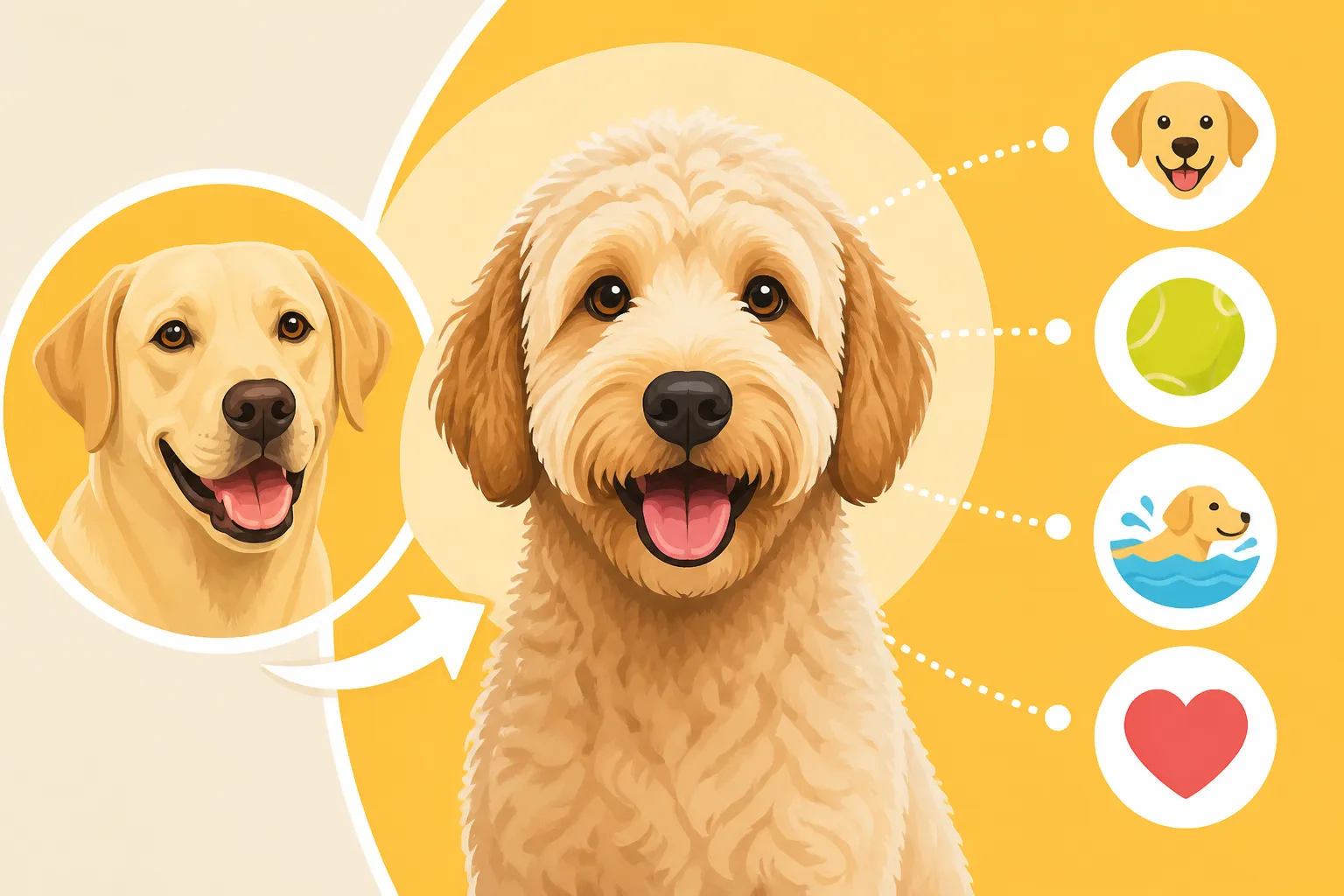
One of the most charming physical traits passed down from the Labrador is their distinct webbed feet. This isn't just a cute quirk; it's an evolutionary adaptation that made Labradors exceptional swimmers, helping them power through water with ease. Many Labradoodles inherit these webbed paws, which, combined with their generally robust build, can make them just as enthusiastic about water activities as their purebred Labrador ancestors. Understanding these unique physical traits can give you insight into your Labradoodle's natural inclinations, like a potential love for lakes and pools. For more on this, check out Labrador Webbed Feet and Swimming.
The Double Coat's Influence on Shedding (or lack thereof)
Ah, the coat! This is probably the number one question for prospective Labradoodle owners. Labradors are known for their dense, water-resistant double coats, which shed moderately year-round and heavily during seasonal "coat blows." This is a stark contrast to the Poodle's single, non-shedding coat. When these two are mixed, the outcome isn't always predictable. Many people hope for a Labradoodle that inherits the Poodle's low-shedding qualities, but it's not a guarantee.
A Labradoodle's coat can be highly variable, ranging from a shaggy, more Labrador-like coat that does shed, to a curly Poodle-like coat that sheds minimally, or anything in between. It truly depends on which genetic traits are dominant. If your Labradoodle inherits more of the Labrador's coat genes, you might find yourself dealing with more shedding than anticipated. It's a real frustration for many owners who were promised a "hypoallergenic" dog. It's wise to assume some level of shedding is possible. You can learn more about how much a purebred sheds by reading How Much a Labrador Sheds Year Round and get a clearer picture of the variations by looking into Whether a Labradoodle Sheds Less Than a Labrador.
Shared Health Concerns to Be Aware Of
Like all purebred dogs, Labradors have certain genetic predispositions to specific health conditions. When a Labradoodle inherits genes from its Labrador parent, it can also inherit these potential vulnerabilities. It's not about being "less healthy" than a purebred, but rather about being aware of the risks associated with both parent breeds. This means that responsible breeders will have performed health clearances on both parents.
Key health issues that can be passed down from the Labrador side include orthopedic problems such as Labrador Hip and Elbow Dysplasia. These conditions affect the joints and can lead to pain and mobility issues later in life. Eye conditions, like Progressive Retinal Atrophy in Labradors, which can cause progressive vision loss, are also something to be mindful of. Additionally, deep-chested breeds like Labradors are at a higher risk for bloat, a life-threatening gastric condition, so it’s something to watch for in your Labradoodle too. Knowledge of these risks, alongside regular veterinary care and a healthy lifestyle, is crucial for your Labradoodle's well-being. For a deeper dive into one specific orthopedic concern, consider reading about Elbow Dysplasia in Labrador Retrievers, and be sure to understand Bloat Symptoms in a Labrador Retriever should your Labradoodle exhibit similar physical traits.
Energy, Drive, and the Labrador's Love for Life
Labradors are celebrated for their zest for life, their boundless energy, and their enthusiasm for nearly every activity. These powerful drives are frequently evident in their Labradoodle offspring, shaping their daily needs and interactions.
The Retriever's High Energy Levels
If there's one thing almost universally true about Labradors, it's their energy. Especially during their adolescent years, they are veritable bundles of energy, requiring substantial daily exercise to keep them happy and well-behaved. This high energy level is a strong trait that Labradoodles often inherit. They are typically not content with just a quick stroll around the block; they need purposeful activity to burn off that inherited zest.
Under-exercised Labradors (and by extension, Labradoodles) can quickly become destructive or restless, channeling their excess energy into undesirable behaviors like chewing furniture, digging up the yard, or incessant barking. Providing ample opportunities for physical exertion, such as long walks, games of fetch, swimming, or even dog sports, is vital. This isn't just about physical health; it's about mental well-being too. A tired Labradoodle is a happy, well-behaved Labradoodle. Learn more about their exercise needs in Exercise a Labrador Needs Each Day.
The Love of Water and "Soft Mouth" Instinct
The Labrador Retriever's heritage as a water dog is legendary. They were bred to retrieve fallen game from icy waters, and this deep-seated love for water often translates directly to their Labradoodle descendants. If you've got a Labradoodle who dives headfirst into every puddle or enthusiastically swims whenever given the chance, you're seeing that Labrador heritage in action. It's a joyous thing to witness, but it also means being prepared for muddy paws and wet fur after outdoor adventures!
Beyond their aquatic passion, Labradors are famous for their "soft mouth" — the ability to carry delicate objects (like a retrieved bird) without damaging them. This gentle bite reflex is often seen in Labradoodles, who might love to carry toys, shoes, or even your mail around the house without chewing or destroying them. It's a charming manifestation of their retrieving drive and can make for delightful interactions, especially if you encourage appropriate carrying objects. This instinct to carry is a strong inherited trait, as explored in Why Labradors Carry Things in Their Mouths.
Food Motivation: A Double-Edged Sword
Let's be honest, Labradors are legendary eaters. Their incredible food drive is not just a personality quirk; in many cases, it's rooted in genetics, specifically The POMC Gene and Labrador Appetite, which means some Labs simply don't get the same "full" signal as other dogs. This voracious appetite and strong food motivation are very commonly passed down to Labradoodles. While this makes them incredibly easy to motivate in training (who doesn't love a dog who will do anything for a treat?), it also presents a significant challenge for weight management.
A Labradoodle with a strong Labrador-inherited food drive will likely be constantly on the lookout for edible opportunities, whether it's raiding the kitchen counter, scavenging for crumbs, or attempting to charm extra treats out of unsuspecting family members. This means owners must be incredibly diligent with portion control, secure food storage, and avoiding free-feeding. While browsing for nutritious dog food options on Chewy, remember to stick to the recommended feeding guidelines to prevent obesity, which can shorten a dog's lifespan and exacerbate joint issues. Puzzle feeders and controlled meal times can be your best friends to manage this powerful drive.
Comparing Labrador-Derived Traits in a Labradoodle
To help you visualize how these traits might appear in your Labradoodle, here’s a quick comparison of what you might expect to see inherited from the Labrador side:
| Trait | Labrador Retriever | Labradoodle (from Labrador side) |
|---|---|---|
| Temperament | Highly affectionate, eager to please, social | Strong predisposition to be friendly, trainable, people-oriented |
| Trainability | High, intelligent, responsive | Often intelligent and responsive, benefiting from consistent training |
| Energy Level | High, especially youthful, needs significant exercise | Usually high, requires substantial daily exercise and mental stimulation |
| Shedding | Moderate to heavy, dense double coat | Variable; can shed significantly or be low-shedding depending on coat inheritance |
| Water Love | Strong, natural swimmers, webbed feet | Often retains a love for water, may have webbed feet |
| Food Drive | Very high, prone to obesity if not managed | Often highly food-motivated, requiring careful portion control |
| Health Risks | Hip/elbow dysplasia, eye issues, bloat, etc. | Can inherit predispositions to these same conditions |
Ultimately, while every Labradoodle is a unique individual, their Labrador ancestry provides a strong foundation for many of their most defining characteristics. Understanding these influences helps owners appreciate the wonderful qualities their Labradoodle brings to their lives, while also preparing them for the specific needs and potential challenges that come with this energetic, intelligent, and deeply affectionate hybrid. Knowing what to expect means you can better provide for your dog, ensuring a happy and healthy life together.
Disclaimer
This article is for general informational purposes only and does not constitute professional advice. Laws, prices and regulations vary by location and change over time. Consult a qualified professional for guidance on your specific situation.