Whether a Labradoodle Sheds Less Than a Labrador
The constant battle with Labrador hair is a reality many of us live with, coating our floors, furniture, and clothes in a fine layer of love. It’s completely natural to wonder if a Labradoodle, with its Poodle heritage, might offer a magical, less-shedding alternative. This guide will dive deep into the shedding habits of both Labradors and Labradoodles, separating myth from reality so you can make an informed decision for your home and your allergies.
Understanding Labrador Shedding Habits
Let's be honest, anyone who has ever shared their home with a Labrador Retriever knows that shedding is just part of the package. It's not a flaw, it's a feature, stemming directly from their ancestral purpose as working water retrievers. While we adore their loyal, friendly nature and boundless enthusiasm, the hair often feels like a never-ending blizzard, even indoors.
The Double Coat and Its Purpose
The Labrador's iconic coat isn't just for looks; it's a marvel of natural engineering, perfectly adapted for retrieving ducks from icy waters. They possess a dense, two-layered coat that's crucial for their original job. The outer coat consists of straight, short, and somewhat coarse guard hairs. These are the protective layer, working like shingles on a roof to repel water and shield the dog from environmental elements like thorns and brush. Beneath this, you'll find an incredibly soft, thick undercoat. This downy layer acts as insulation, trapping air close to the body to keep the Labrador warm in freezing temperatures and cool in warmer weather. It's truly a functional masterpiece. This double layer is a big reason why Labs shed so much. Think about trying to keep two distinct layers of hair healthy and functional – nature's way is to constantly refresh and replace.
When your Labrador goes for a swim, you can actually see the water bead up and roll off their outer coat, only minimally penetrating to the undercoat. This remarkable waterproofing is thanks to the natural oils produced by their skin and distributed through their fur, which also contributes to that distinctive "doggy smell" some owners notice. Why a Labrador Coat Is Water Resistant can give you more insights into this amazing evolutionary trait.
Seasonal "Coat Blows"
If you think your Labrador sheds a lot normally, just wait for the bi-annual "coat blow" seasons. This is when their shedding truly kicks into overdrive. Labradors typically "blow their coat" twice a year, usually in spring and fall, as their bodies adjust to the changing temperatures. In spring, they shed their thick winter undercoat to make way for a lighter summer coat, preventing them from overheating. In the fall, they shed that lighter summer coat to grow in a denser, warmer winter coat. It's a natural process, but for owners, it can feel like a furry apocalypse.
During these periods, you can literally pull handfuls of loose undercoat from your dog. It's not uncommon to find tumbleweeds of dog hair rolling across your floor, even shortly after a thorough vacuuming. This is when a good deshedding tool becomes your best friend. Without proactive grooming, this loose hair will inevitably end up on your furniture, your clothes, and sometimes even in your food! It's a frustrating time for many, but understanding why it happens can help you prepare.
Year-Round Shedding
Even outside of the dramatic coat blow periods, Labradors shed continuously throughout the year. While not as intense as the seasonal events, there's always some hair being released. This consistent, low-level shedding means that for a Labrador owner, there's rarely a day that goes by without finding some dog hair. It's just a constant fact of life. This steady shedding is often less noticeable than the major seasonal events, but it still contributes to the overall hair accumulation in your home.
Factors like diet, overall health, and even indoor climate control can influence how much and how often your Labrador sheds. A well-nourished Labrador with a healthy coat might shed a little less, or at least have healthier, stronger hairs, but the fundamental trait remains. It's why regular brushing, even outside of coat blows, is so important for managing the hair and keeping their skin healthy. You might find our article How Much a Labrador Sheds Year Round helpful in setting expectations for this constant companion.
The Labradoodle and the "Hypoallergenic" Myth
The idea of a dog that combines the wonderful personality of a Labrador with the low-shedding qualities of a Poodle is incredibly appealing, especially for those with allergies or simply a desire for less clean-up. This is where the Labradoodle enters the picture, often marketed with the promise of being "hypoallergenic" or at least significantly less shedding than a purebred Lab. But the reality is a bit more complex and often less definitive than people hope.
Poodle Genetics and Shedding
The Poodle is one of the stars of the "hypoallergenic" dog world, and for good reason. Unlike the Labrador's double coat, Poodles have a single coat of hair that grows continuously, much like human hair. This type of coat sheds very little; instead, loose hairs tend to get caught in the surrounding curls, requiring regular brushing to prevent matting. It's not that Poodles don't shed, but rather that their shedding is largely contained within their own coat, making them much more manageable for allergy sufferers and those who dislike dog hair on everything.
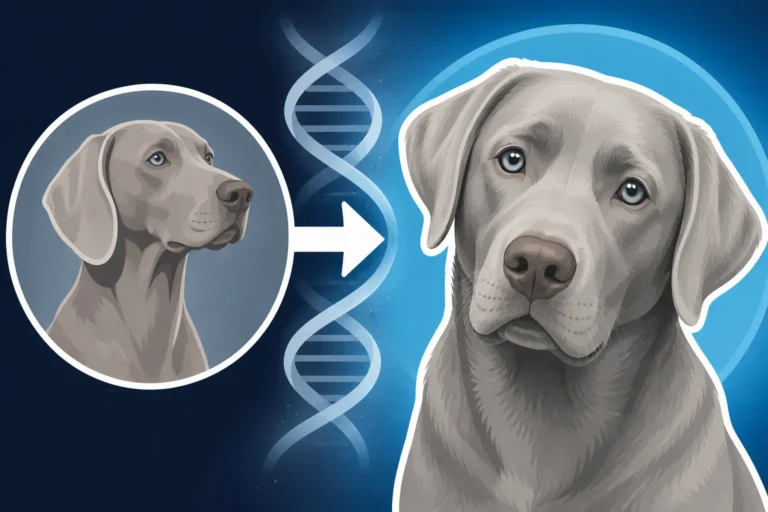
This unique coat is what breeders hoped to leverage when creating the Labradoodle. The assumption was that by crossing a Labrador with a Poodle, the resulting offspring would inherit the Poodle's low-shedding gene, thus producing a more allergy-friendly dog. This has been a huge driver for the popularity of "designer breeds" in general, but genetics aren't always a simple 50/50 split, especially in first-generation crosses.
The F1, F1b, F2 Generations and Unpredictable Outcomes
This is where understanding Labradoodle genetics gets a bit tricky, and it's absolutely crucial for anyone hoping for a truly low-shedding dog.
-
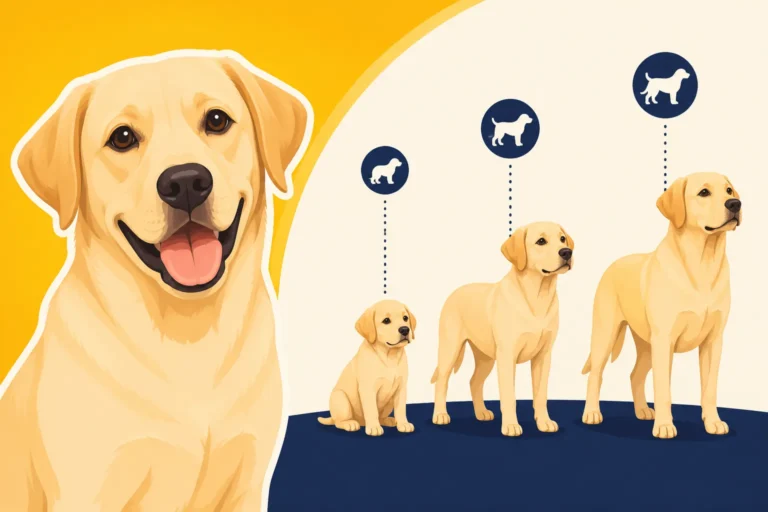
F1 Labradoodle (First Generation): This is a direct cross between a purebred Labrador Retriever and a purebred Poodle. In this generation, the genetic lottery is very much in play. Some F1 Labradoodles might lean more towards the Poodle coat, shedding minimally. Others might inherit more of the Labrador's shedding double coat, shedding just as much, if not more, than a purebred Labrador. And then there are those in the middle, with a wavy coat that sheds a moderate amount. There's simply no way to guarantee the outcome in an F1 cross, which can be a huge disappointment for allergy sufferers.
-
F1b Labradoodle (First Generation Backcross): To increase the chances of a Poodle-like coat, an F1 Labradoodle is bred back to a purebred Poodle. This "backcross" significantly increases the Poodle genetics (approximately 75% Poodle, 25% Labrador). F1b Labradoodles are much more likely to have the curlier, lower-shedding coat that people often associate with the breed. However, even here, an occasional puppy might still throw back to the Labrador coat.
-
F2, F3, and Multi-Generational Labradoodles: These are subsequent generations where Labradoodles are bred to other Labradoodles. The idea here is to stabilize the desired traits, including coat type. Responsible multi-generational breeders aim to produce more consistent results, but even then, genetic variations can occur. It's a complex science, and not every breeder achieves the same level of consistency.
The major takeaway here is that unless you're dealing with a very carefully bred multi-generational Labradoodle, or at least an F1b, the promise of a non-shedding dog is far from guaranteed. A cute F1 puppy might grow into a dog that sheds just as much as a Lab, leaving owners frustrated. It's a gamble, and anyone looking for a truly "hypoallergenic" dog should be extremely cautious and ask a lot of questions about the parents' coats and the lineage. What a Labradoodle Takes From the Labrador Side delves deeper into the genetic blend.
Comparing Shedding: Labrador vs. Labradoodle Reality
The contrast between the predictable shedding of a Labrador and the highly variable shedding of a Labradoodle is one of the most important considerations for potential owners. It’s not a simple choice between one or the other; it’s about understanding a spectrum of possibilities.
The Wide Spectrum of Labradoodle Coats
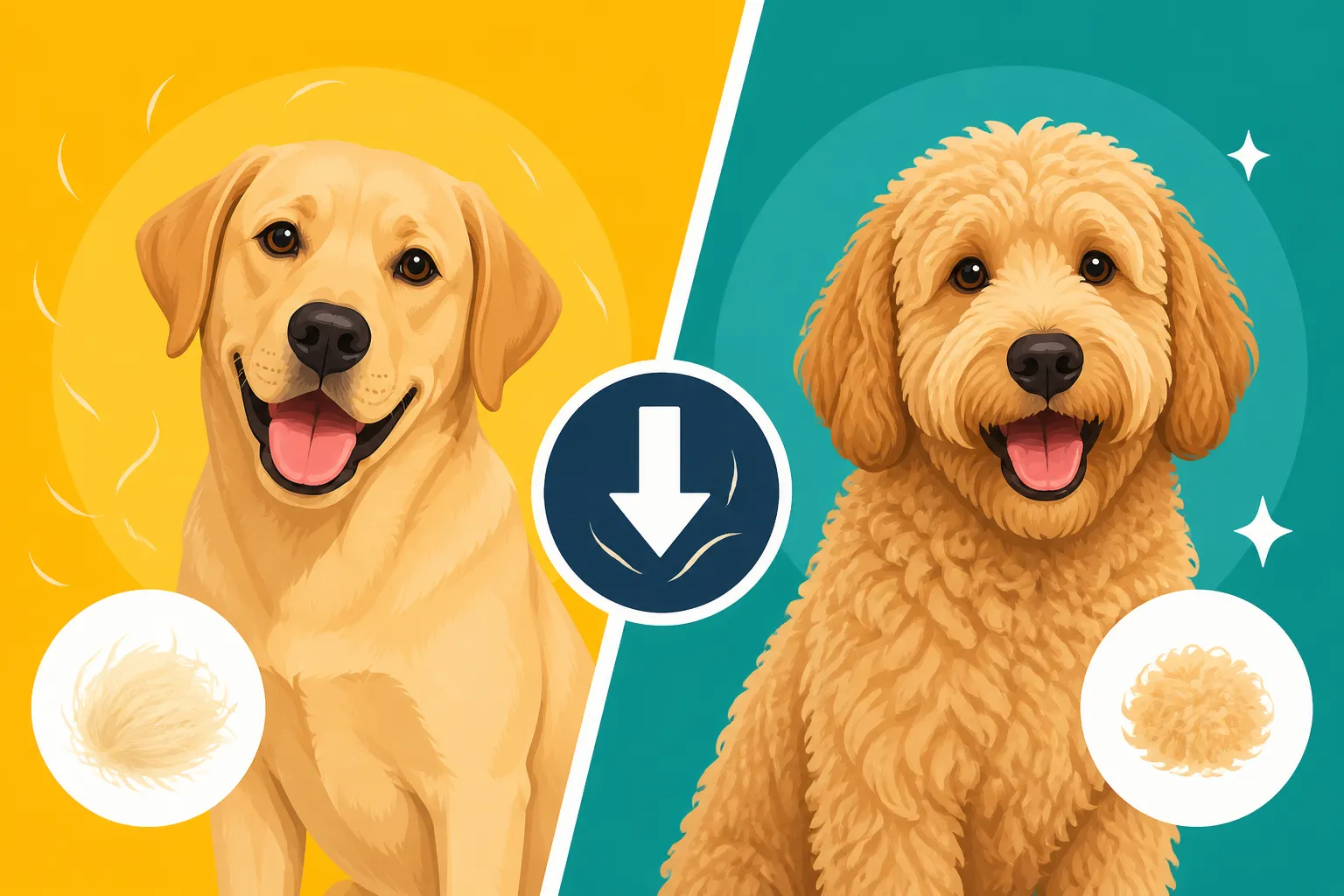
Unlike the Labrador, which has a fairly consistent coat type across the breed (variations exist, but the basic double coat structure is always there), the Labradoodle can present with three primary coat types, each with different shedding characteristics:
- Hair Coat (Furry/Flat Coat): This coat type closely resembles the Labrador's coat, being relatively straight or slightly wavy, and typically having a distinct undercoat. Dogs with this coat type will shed quite heavily, similar to a Labrador, and are definitely not suitable for allergy sufferers. These are most common in F1 generations.
- Fleece Coat: This is often considered the ideal Labradoodle coat, characterized by soft, wavy or spiraling hair. It feels luxurious, almost like cashmere, and generally sheds very minimally, much like a Poodle. This coat type is usually allergy-friendly for many people. It still requires regular brushing to prevent tangles and mats, as the loose hairs get caught in the waves.
- Wool Coat: This coat is dense and curly, very much like a Poodle's coat, and feels similar to lamb's wool. It is typically non-shedding and completely allergy-friendly, but it also demands the most intensive grooming to prevent severe matting.
The challenge is that you often can't predict which coat type a puppy will develop, especially in early generations. You might see a litter where some puppies have flat coats, others have wavy, and some are tightly curled. This unpredictability is a major point of frustration for families who specifically chose a Labradoodle for its non-shedding potential.
Grooming Needs and Maintenance
When it comes to grooming, both breeds require attention, but the type of attention differs significantly.
A Labrador, with its short, dense double coat, benefits greatly from regular brushing, especially during those seasonal coat blows. A good deshedding brush, like those available on Chewy, can work wonders in removing loose undercoat. Brushing a couple of times a week normally, and daily during shedding season, will help keep the hair off your furniture and stimulate healthy skin. While they don't typically need professional grooming for hair cuts, a trip to the groomer for a thorough deshedding treatment can be a lifesaver. Brushing a Labrador's Coat offers practical tips for this.
Labradoodles, on the other hand, especially those with fleece or wool coats, have entirely different grooming needs. While they might shed less, their coats are prone to matting and tangling without consistent care. Daily brushing is often recommended, along with regular trips to a professional groomer for clipping and styling every 6-8 weeks. Neglecting a Labradoodle's coat can lead to painful mats that require extensive (and expensive) professional dematting or even shaving down to the skin. So, while you might not be vacuuming as much, you'll be spending more time (or money) on grooming tools and services. You can find a range of grooming supplies for these curly coats on Chewy.
| Feature | Labrador Retriever | Labradoodle (General, highly variable) |
|---|---|---|
| Coat Type | Short, dense double coat (guard hairs & undercoat) | Hair (Lab-like), Fleece (wavy), Wool (Poodle-like) |
| Shedding Level | Moderate year-round, heavy seasonal "blows" | Highly variable: from heavy (hair coat) to very low (wool coat) |
| Allergy Friendly | Generally not, due to dander & shedding | Can be, especially with fleece/wool coats, but not guaranteed |
| Grooming Needs | Regular brushing (especially deshedding), occasional bathing | Daily brushing (fleece/wool), professional clipping every 6-8 weeks |
| Water Repellency | Excellent | Variable, often less than a Labrador |
| Typical Appearance | Consistent | Highly varied in coat, size, and appearance |
Managing Shedding in Both Breeds
Whether you have a shedding Labrador or a less-shedding (but high-maintenance) Labradoodle, managing their coats is key to a harmonious home.
For Labradors:
- Regular Brushing: This is your first line of defense. Use a deshedding tool weekly, and a slicker brush or pin brush more frequently.
- Bathing: A bath every 4-6 weeks can help loosen dead hair, but be sure to rinse thoroughly and dry completely to avoid skin issues.
- Nutrition: A high-quality diet supports a healthy coat and skin, which can, in turn, reduce excessive shedding caused by poor health. Look for foods rich in Omega-3 fatty acids.
- Vacuuming: Invest in a good vacuum cleaner designed for pet hair.
- Lint Rollers: Keep them handy! Labrador Shedding and How to Manage It provides more detailed strategies.
For Labradoodles (especially fleece/wool coats):
- Daily Brushing: This is non-negotiable to prevent mats. Use a slicker brush and a metal comb to get down to the skin.
- Professional Grooming: Schedule regular appointments for clipping to keep the coat at a manageable length and prevent matting.
- Conditioning Sprays: These can help prevent tangles and make brushing easier.
- Ear Care: Curly-coated dogs often have hair growing inside their ear canals, which needs regular plucking or cleaning to prevent infections.
Regardless of the breed, teaching your dog to enjoy grooming from a young age makes the process much smoother. Treats and positive reinforcement go a long way in making brush time a bonding experience, not a wrestling match.
Making an Informed Decision
Choosing a dog is a huge commitment, and while shedding is a valid concern, it’s just one piece of a much larger puzzle. It's important to look at the whole picture to ensure the dog you bring home is the right fit for your family and lifestyle.
Beyond Shedding: Temperament and Health
Labradors are renowned for their friendly, outgoing, and loyal temperaments. They are generally excellent family dogs, good with children and other pets, and possess a strong desire to please, making them highly trainable. However, they also come with a significant energy level, especially in their younger years, and need plenty of exercise and mental stimulation to prevent boredom and destructive behaviors. They are also prone to certain health conditions, such as Labrador Hip and Elbow Dysplasia and Labrador Obesity and the Years It Costs, which responsible breeders screen for. Their robust build and affectionate nature are part of why The Labrador Retriever Breed Explained details their widespread popularity.
Labradoodles, being a crossbreed, can inherit a mix of traits from both the Labrador and the Poodle. This means their temperament can be less predictable than a purebred Labrador. You might get a dog with the laid-back nature of an English Lab or the high drive of a working Poodle. Generally, they are intelligent, friendly, and eager to please, much like their parent breeds. However, individual personalities can vary widely. Health-wise, they can inherit genetic conditions from both parent breeds. While some proponents argue that crossbreeds are inherently healthier due to "hybrid vigor," this isn't a guarantee. Without proper health clearances from both Poodle and Labrador parents, a Labradoodle can be just as susceptible to genetic diseases.
It’s crucial to research the health clearances of both parent breeds for any Labradoodle puppy you consider. Don't just focus on the fluff; consider the whole dog.
What to Ask a Labradoodle Breeder
If you're seriously considering a Labradoodle, especially if shedding is a primary concern, arm yourself with questions for any potential breeder. A reputable breeder will be transparent and happy to discuss these points.
- What Generation is the Labradoodle? Understand if you're looking at F1, F1b, or multi-generational. This will give you a clearer idea of the coat predictability.
- Can I Meet the Parents (Especially the Poodle Parent)? Seeing the Poodle parent's coat can offer insight, and observing the Labradoodle parent (if it's F2 or higher) is even better.
- What are the Coats of the Puppies Like Now, and What Do You Expect? While young puppies might not have their adult coat yet, an experienced breeder can often give you an educated guess.
- What Health Clearances Do Both Parents Have? Ask to see proof of hip, elbow, eye, and cardiac clearances for both the Labrador and Poodle parents. Don't just take their word for it; verify.
- How Do You Screen for Coat Type? Some multi-generational Labradoodle breeders use genetic testing to identify genes associated with shedding, increasing the likelihood of non-shedding coats.
- What is Your Guarantee? A good breeder will offer a health guarantee, but be wary of guarantees specifically about shedding, as it's hard to predict definitively.
- What are the Typical Temperaments of Your Breeding Dogs? Ensure the parents have the friendly, stable temperaments you desire.
Remember, the goal isn't just to find a dog that sheds less; it's to find a healthy, well-socialized dog that will be a wonderful companion for many years. Choosing a dog based solely on the promise of a "hypoallergenic" coat, without fully understanding the genetic lottery involved, can lead to heartbreak and disappointment. Always prioritize the health and ethical breeding practices over a perceived convenience.
Disclaimer
This article is for general informational purposes only and does not constitute professional advice. Laws, prices and regulations vary by location and change over time. Consult a qualified professional for guidance on your specific situation.