Whether a Labrador Settles in a Low-Key Home
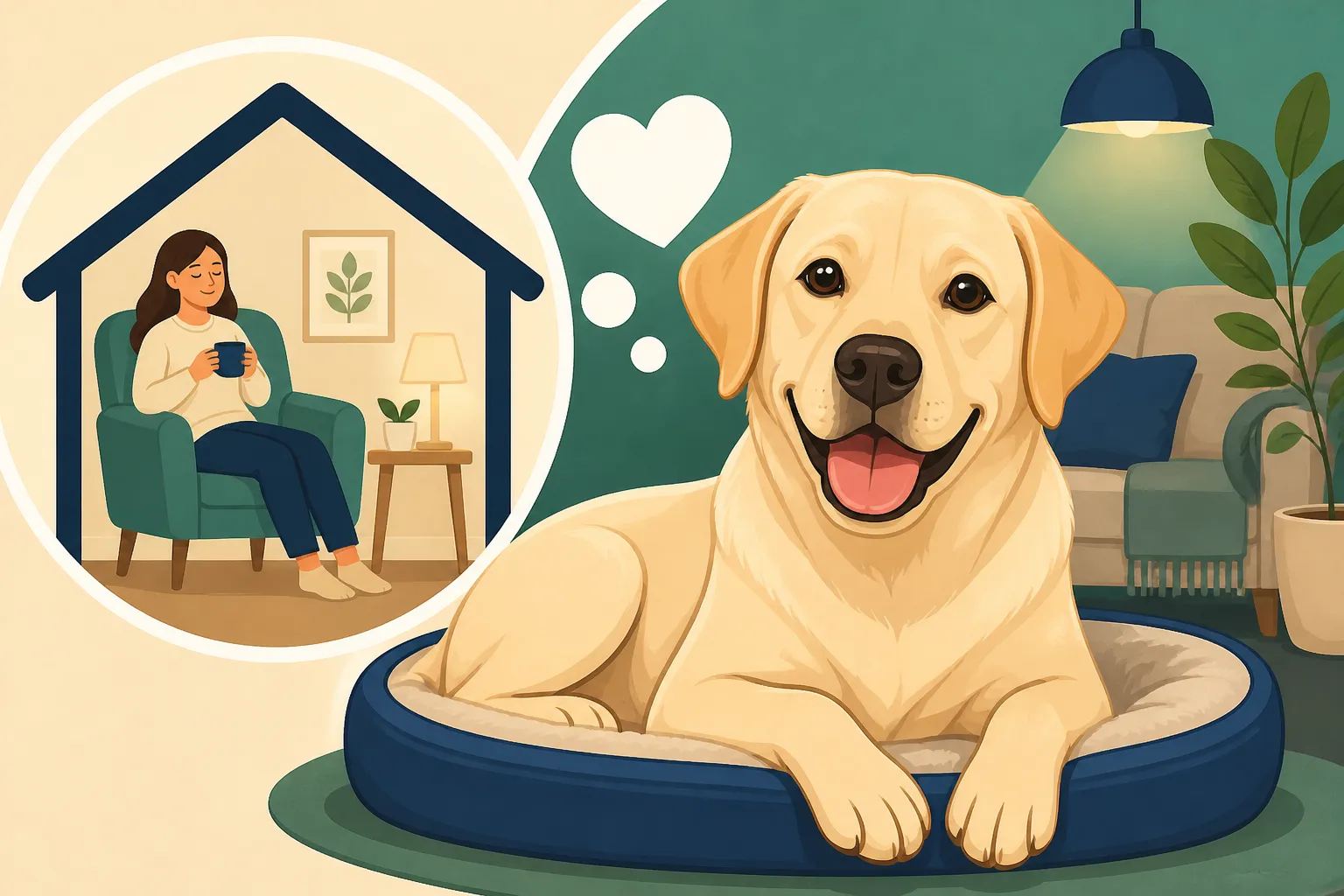
It's a common worry among potential Labrador owners: "My home is pretty quiet, I don't have a huge acreage, and I'm not planning to run marathons. Can a Labrador really settle into a low-key lifestyle?" The image of a high-octane, perpetually energetic Labrador tearing around a vast field is deeply ingrained, and it can be intimidating. This guide aims to debunk some myths, validate your concerns, and show how, with the right approach and understanding, a Labrador can absolutely thrive and be a wonderfully settled companion in a more relaxed home environment.
Understanding the Labrador's Core Nature
Before we even talk about adapting their care, it’s crucial to truly understand what makes a Labrador tick. They are celebrated for their boundless enthusiasm, but that's only one facet of their complex, charming personalities. Many people assume "high energy" means they require non-stop physical exertion, but that's not always the case, and certainly not the only kind of stimulation they need.
More Than Just High Energy
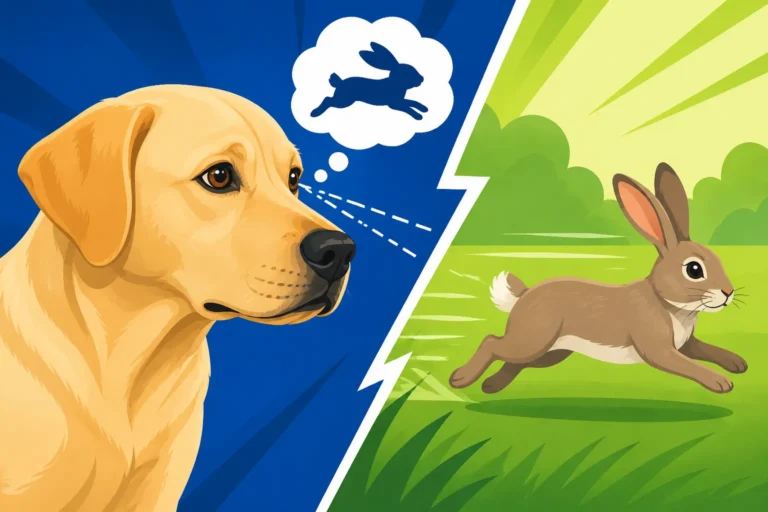
Yes, Labradors were originally bred for demanding work, accompanying fishermen on boats, retrieving nets, and ducks from icy waters in Newfoundland. This heritage instilled in them a robust physicality and an incredible drive to do something. However, that "something" isn't exclusively about running miles every day. It's often about their intelligence, their desire to please their people, and their inherent curiosity about the world around them. They love to engage, to interact, and to feel like they have a purpose, even if that purpose is just being your devoted shadow while you garden.
Think of it this way: a Labrador's enthusiasm is like a tap. You can turn it on for vigorous play, but you can also direct that flow into calmer, more focused activities. Their eager-to-please nature means they are highly biddable and responsive to training, which is a massive advantage in any home, regardless of how bustling or serene it is. A Labrador wants to be with you, involved in your life, whatever that life entails.
The Importance of Mental Stimulation
This is perhaps the most overlooked aspect when people consider a Labrador for a low-key home. We often equate "exercise" solely with physical output – walks, runs, fetch. But for a Labrador, mental stimulation is just as, if not more, tiring and satisfying than physical exertion. Imagine spending an hour solving complex puzzles versus an hour jogging; the mental effort can be far more draining!
For a Labrador, engaging their intelligent minds with tasks, puzzles, and learning opportunities can be a game-changer. This could be simple obedience training sessions where they learn new tricks, scent work games around the house where they have to find hidden treats or toys, or puzzle feeders that make them work for their meal. These activities tap into their natural retrieving and problem-solving instincts without requiring a huge amount of space or strenuous physical activity. A good 15-20 minute Scent Work for a Labrador Indoors session can leave a Labrador pleasantly tired, much like a brisk walk might. Look for interactive toys and feeders on sites like Chewy that challenge their minds.
Temperament Variations by Line
It’s worth noting that not all Labradors are created equal when it comes to energy levels. The breed has diverged into distinct types, often broadly categorized as "English" (or show line) and "American" (or field line) Labradors. Understanding these differences can be incredibly helpful when choosing a Labrador for a more relaxed home.
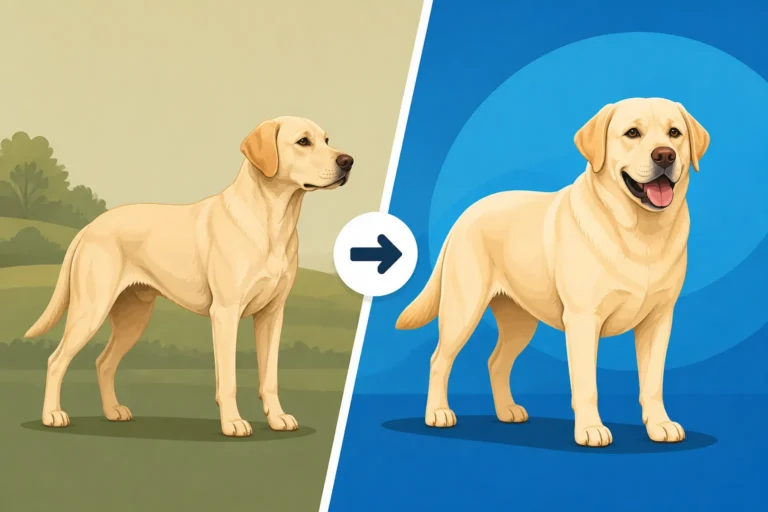
Field line Labradors, bred for working prowess in hunting and retrieving, typically possess higher energy, a more intense drive, and often a leaner physique. They are the ones you usually see tearing across fields with boundless enthusiasm, excelling in activities like agility or gundog trials.
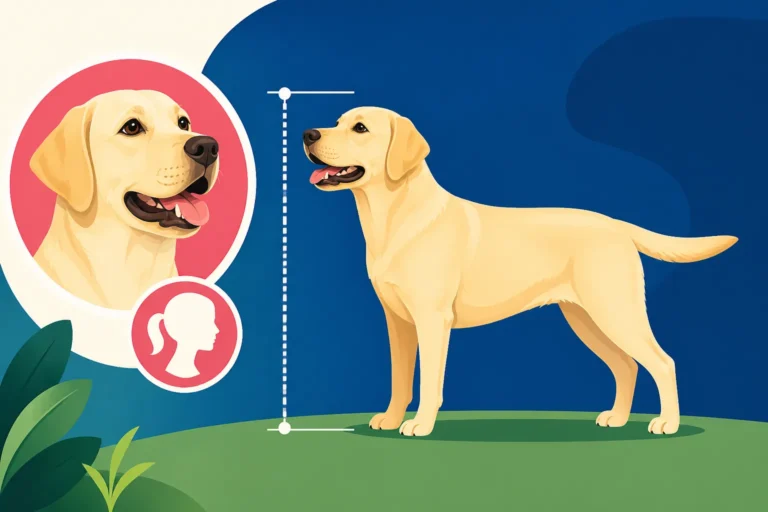
Show line, or English, Labradors are bred to conform more closely to the breed standard in appearance and generally have a calmer, more laid-back disposition. They tend to be stockier, with broader heads, and while they still love activity, their "off switch" is often much easier to find. They are often content with moderate daily exercise and love to snuggle on the couch afterward. While there are always individual differences, if you're leaning towards a low-key home, seeking out a breeder who focuses on show lines, or looking for an adult Labrador whose temperament is already established, might be a smart move. How English and American Labradors Differ can shed more light on these distinctions.
Adapting Exercise and Activity for a Quieter Lifestyle
When you don't have acres of land or hours to dedicate to intense physical activities, adapting your Labrador's exercise routine becomes key. It's not about denying them movement, but about making that movement meaningful and suitable for your home and capabilities.
Quality Over Quantity in Physical Activity
Forget the idea that your Labrador needs to run five miles a day to be happy. For many Labradors, especially those from show lines or those past their boisterous puppyhood, consistent, moderate exercise is far more beneficial than sporadic, high-intensity bursts. Think quality over sheer quantity.
A brisk 20-30 minute walk twice a day, focusing on sniffing around and exploring their environment, can be incredibly enriching. These walks don't have to be marathons; they can be opportunities for your Labrador to engage their senses, process new smells, and practice their leash manners. Short bursts of fetch in a park or even a long hallway can satisfy their retrieving drive. If you have access to a safe body of water, swimming is fantastic exercise that is easy on the joints and deeply satisfying for most Labradors. Daily Walk Length for a Labrador is a good baseline, but always adjust to your individual dog's needs and energy levels. The key is consistency – a regular schedule of activity helps regulate their energy and allows them to settle more easily afterward.
Incorporating Indoor Activities
Rainy days, extreme heat, or simply a busy schedule can limit outdoor time. This is where indoor activities become invaluable. These aren't just for bad weather; they're an essential part of keeping a Labrador engaged in a low-key home.
- Indoor Fetch: If you have a long hallway or a clear room, a quick game of indoor fetch with a soft toy can burn off some energy. Be mindful of slippery floors and furniture, though!
- Hide-and-Seek: Hide treats (or even yourself!) around the house and encourage your Labrador to find them. This engages their powerful nose and problem-solving skills.
- Training Sessions: Short, fun training sessions of 5-10 minutes, multiple times a day, can teach new tricks, reinforce good manners, and provide mental stimulation. Think "settle" on a mat, "leave it," or even practicing a proper "heel" in your living room.
- Chew Time: Provide durable, safe chew toys. Chewing is a natural, calming activity for dogs and can help satisfy their oral fixation. Good quality chew toys are readily available from retailers like Chewy. This can be particularly helpful for Tiring a Labrador on a Rainy Day without getting drenched.
Avoiding Over-Stimulation in Calm Environments
It might sound counterintuitive, but sometimes too much chaotic or unstructured activity can actually make a Labrador less settled, especially in a quiet home. If a Labrador is constantly over-stimulated with high-energy games, too many unfamiliar people, or erratic routines, they might struggle to find their "off switch."
Instead, focus on structured play and controlled exposure. A brisk walk followed by a calm training session and then quiet chew time teaches them how to transition from active to relaxed. Avoid letting them get overly hyped up by visitors; instead, teach them to greet politely or settle on their mat. A predictable environment with clear expectations helps a Labrador understand when it's time to be active and when it's time to chill out. This creates a more harmonious living situation for everyone involved.
Training and Management for a Settled Labrador
Training isn't just about teaching commands; it's about building a language and a relationship with your Labrador. In a low-key home, effective training and consistent management are the bedrock of a well-adjusted, calm companion.
The Power of Foundation Training
A Labrador's natural intelligence and eagerness to please make them highly trainable. Investing time in basic obedience, impulse control, and 'settle' commands will pay dividends in a quiet home. Teach them to go to their mat or bed and stay there calmly, even when there's activity. This "place" command is invaluable for managing excitement when guests arrive or during meal prep.
Focus on positive reinforcement techniques – reward desired behaviors with treats, praise, or a favorite toy. Consistency is paramount. Even Short Training Sessions That Suit a Labrador – just 5-10 minutes a few times a day – can make a huge difference. These frequent, short bursts keep their minds engaged without overtaxing them or you. A Labrador who understands boundaries and expectations is a Labrador who can relax and integrate seamlessly into your daily life.
Consider what you want your Labrador to do in your quiet home: lay calmly while you read, not jump on visitors, not counter-surf during dinner prep. These specific behaviors can all be systematically trained.
Managing Food Drive and Chewing Habits
Labradors are legendary for their love of food, and their powerful jaws mean they love to chew. These are natural instincts that need to be managed, regardless of your home's energy level. In a quiet home, where you might want to avoid sudden disruptions or destructive behavior, proactive management is key.
- Secure Food Storage: Keep all human food, and even their own kibble, securely out of reach. Labradors are opportunistic and will seize any chance to grab a snack.
- Puzzle Feeders: Instead of just putting their food in a bowl, use a puzzle feeder. This slows down their eating, makes them think, and satisfies their innate drive to "work" for food. Puzzle Feeders That Slow a Greedy Labrador can be found at any pet store, including online at Chewy.
- Appropriate Chew Toys: Provide a variety of durable, safe chew toys. Rotate them to keep things interesting. This gives them an acceptable outlet for their chewing needs and helps prevent them from gnawing on furniture or shoes. Understand Why Labradors Steal and Swallow Things and ensure enticing non-food items are also put away.
- "Drop It" and "Leave It" Commands: Teach these commands reliably. They are essential for preventing them from eating something they shouldn't or from destroying a valuable item. Practice these commands frequently with different items, rewarding them for compliance.
Creating a Predictable Routine
Dogs, and Labradors in particular, thrive on routine. A predictable schedule provides security, reduces anxiety, and helps them regulate their energy levels. In a low-key home, where consistent calm is often desired, a strong routine is your best friend.
Establish regular times for:
- Waking up and first potty break
- Meals
- Walks/exercise
- Training sessions
- Potty breaks throughout the day
- Bedtime
When your Labrador knows when to expect activity and when to expect downtime, they are far more likely to settle. For instance, after a morning walk and breakfast, your Labrador might be perfectly content to chew a toy or nap at your feet, knowing that their next "job" (like an afternoon training session or a potty break) isn't for a few hours. This predictability creates a sense of calm and allows them to relax into the rhythm of your home.
Long-Term Considerations for Low-Key Living
Bringing a Labrador into a low-key home isn't just about the first few months; it's a long-term commitment. There are ongoing aspects of their care and your mindset that will ensure a successful and happy life together.
Socialization in a Controlled Manner
Even if your home is quiet, proper socialization is crucial for a Labrador. This doesn't mean you need to take them to dog parks every day or host constant parties. Instead, it means controlled, positive exposure to various sights, sounds, people, and other dogs. The goal is to build confidence and ensure they are comfortable and polite in different situations, not overwhelmed.
- Planned Encounters: Arrange calm, one-on-one playdates with a well-behaved, vaccinated dog.
- Quiet Public Places: Take them on short trips to places like a pet-friendly hardware store during off-peak hours, or simply sit on a bench at a park and let them observe the world from a distance.
- Variety of Sounds and Textures: Expose them to different surfaces (grass, pavement, carpet), and sounds (traffic, household noises) in a positive way.
- Introducing Visitors: Teach your Labrador to greet new people politely, perhaps by asking them to sit or lie down for a gentle pat rather than jumping excitedly. A Socialization Checklist for a Labrador Puppy provides excellent guidance.
A well-socialized Labrador will be less prone to fear, anxiety, or reactivity, making them a much more relaxed companion in your home and when you do venture out.
Health and Weight Management
Labradors have a strong genetic predisposition to weight gain, and this is compounded in a lower-activity home. Obesity leads to a host of health issues, including joint problems (which Labradors are already prone to), heart disease, and a shortened lifespan. Therefore, meticulous attention to diet and weight is absolutely paramount.
- Precise Portion Control: Measure your Labrador’s food accurately. Don't eyeball it. Use a kitchen scale for precision if possible.
- Appropriate Food Choice: Select a high-quality dog food formulated for large breeds, and consider a "weight management" or "light" formula if your vet recommends it.
- Limit Treats: Treats should be used sparingly and counted into their daily calorie intake. Opt for low-calorie options like carrots, green beans, or small pieces of their regular kibble.
- Regular Body Condition Scoring: Learn how to assess your Labrador's body condition. You should be able to easily feel their ribs, spine, and hip bones without seeing them protrude sharply. They should have a clear waistline when viewed from above and a tuck-up when viewed from the side. Regular vet check-ups will also help monitor their weight and overall health. Keeping a Labrador at a Healthy Weight is essential for their long-term well-being and mobility, especially as they get older and may develop Slowing Joint Decline in an Older Labrador.
Adjusting Expectations and Embracing the Reality
Ultimately, successfully integrating a Labrador into a low-key home comes down to adjusting your expectations and embracing the reality of owning this wonderful breed. They are not plush toys; they are living, breathing, intelligent animals with needs.
- They will shed: Their dense double coat means shedding, especially during seasonal "coat blows." Be prepared for dog hair, even in a quiet home.
- They will chew: Even with appropriate toys, a bored or anxious Labrador can be destructive. Consistent training and management will help, but occasional mishaps can happen.
- They need engagement: While not always high-intensity, they need your time and attention for walks, play, training, and cuddles. A neglected Labrador, even in a quiet home, will become bored and potentially destructive.
- They are loyal and loving: The flip side of their energy and drive is their incredible loyalty, affection, and desire to be part of the family. A Labrador who feels loved, engaged, and understood will bring immense joy and companionship to any home, quiet or bustling.
By understanding their natural instincts, providing appropriate mental and physical outlets, maintaining consistent training, and carefully managing their health, a Labrador can absolutely thrive and be a perfectly settled, cherished member of a low-key household.
| Activity Type | High-Energy Labrador (Traditional View) | Low-Key Home Labrador (Adaptation) | Benefits for Low-Key Living |
|---|---|---|---|
| Physical Exercise | Long runs, hiking, intense fetch | Brisk daily walks, structured play in yard/park, swimming sessions | Maintains fitness, satisfies natural urge, easy on joints |
| Mental Stimulation | Field trials, advanced obedience | Puzzle feeders, scent games, short training sessions, new tricks | Tires mind without physical exertion, reinforces good behavior |
| Socialization | Dog parks, large group play | Calm 1:1 playdates, quiet public observations, polite greetings | Builds confidence, prevents reactivity, integrates into home |
| Chewing/Enrichment | Destructive chewing if bored | Durable chew toys, filled KONGs, interactive feeders | Satisfies oral fixation, prevents destruction, provides calm |
| Training Focus | Advanced commands, agility | Impulse control, 'settle' command, loose-leash walking | Creates a well-mannered, adaptable companion |
Disclaimer
This article is for general informational purposes only and does not constitute professional advice. Laws, prices and regulations vary by location and change over time. Consult a qualified professional for guidance on your specific situation.