What a Rescue Labrador Comes With
Bringing home a rescue Labrador is one of the most heartwarming experiences a dog lover can have, but it often comes with a unique set of questions and anxieties. You might find yourself wondering, "What exactly am I getting myself into?" and, more practically, "What essential information, supplies, and support does a rescue organization typically provide?" It’s a completely normal concern, as welcoming a new family member, especially one with an unknown past, is a big deal. This comprehensive guide is here to shed light on what a rescue Labrador often comes with, ensuring you feel prepared and confident for this incredibly rewarding journey.
The Paperwork Trail: Understanding Your Rescue Labrador's History
One of the most valuable things a reputable Labrador rescue will provide you with is a thorough understanding of your new dog's known history, documented through various forms and records. This isn't just bureaucratic fluff; it's critical information that will inform their care, training, and overall well-being in your home.
Health Records and Veterinary Background
This is perhaps the most important set of documents you'll receive. A good rescue organization invests heavily in the health of their dogs before adoption. You should expect a detailed record of your Labrador’s medical history while in their care, and often, any information they managed to gather from previous owners or shelter intakes.
Typically, these records will include a complete vaccination history, ensuring your new companion is up-to-date on core vaccines like distemper, parvovirus, and rabies, as well as any non-core vaccines recommended for your region, such as Leptospirosis or Bordetella. Knowing the exact dates of these vaccinations allows you to maintain a proper Labrador Vaccination and Parasite Schedule with your own vet. Beyond vaccinations, you'll receive proof of spay or neuter surgery, which is almost always a requirement for rescue adoptions. They should also provide documentation of microchipping, including the chip number and registration information, which is vital for reuniting if your Lab ever gets lost. You'll need to transfer this registration into your name.
Furthermore, the rescue will share any known medical conditions or health concerns their vet has identified. This could range from previous injuries, allergies, or chronic conditions like arthritis. For Labradors, issues such as Labrador Hip and Elbow Dysplasia are unfortunately common, and a good rescue will be transparent about any screening or diagnoses related to these conditions. You might also receive information about deworming treatments, flea and tick prevention, and recent vet check-ups. This comprehensive health picture is invaluable when you make your first appointment with your own veterinarian, allowing for continuity of care and enabling you to discuss potential future health needs, or even explore pet insurance options like Healthy Paws.
Adoption Agreement and Guarantees
Every rescue adoption involves a formal contract, known as an adoption agreement. This legally binding document outlines the terms and conditions of the adoption, serving to protect both the dog and the rescue organization. It will typically cover things like the adoption fee, your responsibilities as the new owner (e.g., providing adequate food, water, shelter, vet care, and training), and often, stipulations against rehoming the dog without the rescue's knowledge or approval.
Many agreements also include specific clauses about what happens if the adoption doesn't work out. Reputable rescues almost always have a return policy, stating that if you're unable to keep the dog for any reason, they must be returned to the rescue, not rehomed independently. This "safety net" is a huge benefit for adopters, providing peace of mind. While it’s rare for rescues to offer explicit health guarantees in the way a breeder might (you can read more about What a Labrador Health Guarantee Should Cover for comparison), they are usually upfront about any known health issues before adoption. The agreement might also touch on things like limited vs. full registration, though for a rescue, it’s almost always limited to ensure the dog isn't bred without the rescue's approval.
Previous Ownership Information (If Available)
This is often the trickiest part of a rescue Labrador's history, as many come from unknown backgrounds. However, when information is available, rescues diligently record and share it. This could include how the dog ended up in the shelter system – perhaps surrendered by an owner, found as a stray, or transferred from another facility. If they were surrendered, the rescue might have details about their previous living situation, whether they lived with children or other pets, their typical routine, and any known likes or dislikes.
For a Lab, knowing if they were an indoor or outdoor dog, if they had any specific fears (like thunderstorms), or if they had a favorite type of toy can be incredibly helpful for their transition. While some rescue dogs come with a complete life story, others arrive as a complete mystery. Rescues do their best to piece together their past through observation and any fragments of information they can gather. Understanding the limitations of this information is important, as it helps you approach your new Lab with empathy and a willingness to discover who they are in your home.
Essential Gear and Supplies: Starting Your New Life Together
When you adopt a rescue Labrador, you’re not just getting a new furry friend; you're often sent home with a few essentials to help ease their transition and get you started. However, it's also important to understand what you'll still need to provide to ensure your new family member has everything they require.
Initial Supplies Provided
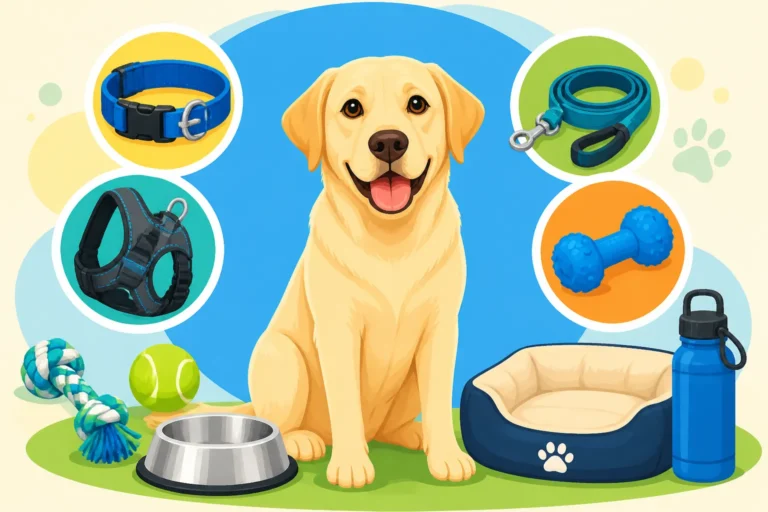
Most rescue organizations want to set you and your new Labrador up for success right from the get-go. This often means sending them home with a few basic items. You can almost always expect your new Lab to come with a well-fitting collar, complete with ID tags that might include the rescue's contact information (as a temporary measure until you get your own personalized tags). A leash is also standard, ensuring you can safely walk your dog from day one. These might not be the fanciest or most durable, but they'll do the job until you can choose your own.
Beyond the basics, many rescues provide a starter bag or a small supply of the food your Labrador has been eating while in their care. This is crucial for avoiding sudden dietary changes, which can lead to upset stomachs. Having this initial supply allows you to gradually transition your dog to your chosen food over several days or weeks. Companies like Chewy offer a vast selection of dog food, making it easy to find a suitable option and have it delivered directly to your door. Sometimes, your rescue Lab might also come with a familiar blanket or a favorite toy from their foster home. These items, imbued with familiar scents, can provide immense comfort and reduce stress during their first few nights in a strange new environment. A small gesture like this can make a world of difference for a dog adapting to change.
What You'll Still Need
While rescues provide a great starting point, there are several key items you'll need to acquire to properly equip your home for a Labrador. Foremost among these is food. While you might get a starter bag, you'll need to decide on a long-term feeding plan. Given how food-motivated Labradors can be (and how prone they are to gaining weight, as discussed in Why Labradors Gain Weight So Easily), choosing a high-quality, balanced diet is essential. You'll want to pick up a larger bag of their current food or the new food you plan to transition them to. Many owners find services like Ollie, which delivers fresh, human-grade dog food, to be an excellent option for providing nutritious meals tailored to their dog's needs, though traditional kibble from retailers like Chewy is also popular.
A comfortable and appropriately sized dog bed is another must-have. Labradors are large, and they love to sprawl out, so investing in a durable, supportive bed will give them a designated, comfortable space in your home. A crate, if you plan to crate train or need a safe space for them, is also a significant purchase. It needs to be large enough for them to stand, turn around, and lie down comfortably. Bowls for food and water are obvious necessities, preferably sturdy, non-tip ones. Beyond these, consider a variety of safe, durable chew toys to keep their active minds and strong jaws engaged. Labradors love to carry things around, so having appropriate outlets for their retrieving drive is important. You'll also want grooming supplies, cleaning products for inevitable accidents, and potentially a new, sturdier leash or harness, especially if your Lab is a strong puller. Our guide on Gear and Supplies a Labrador Needs provides a more exhaustive list to help you prepare.
Behavioral Insights and Training Foundations
Adopting a rescue Labrador means embracing their past, which often includes a rich tapestry of experiences that have shaped their personality and behaviors. Reputable rescues dedicate significant effort to observing and assessing their dogs, providing you with invaluable insights to help you understand and bond with your new companion.
Known Temperament and Training Level
One of the most helpful pieces of information a rescue will share is what they've learned about your Labrador's temperament and existing training. They'll tell you about your Lab’s general demeanor – whether they're boisterous and playful, calm and cuddly, or perhaps a bit shy and reserved. They'll often have observations about how your dog interacts with different people (men, women, children), other dogs (Labradors With Other Dogs), and even cats, if they've been exposed. This insight is crucial for integrating them into your specific household dynamic.
You'll also get an honest assessment of their house-training status. While many adult rescue Labs are already house-trained, it's not a guarantee, and even a fully trained dog might have an accident or two during the initial adjustment period in a new home. Knowing if they've had any basic obedience training – commands like sit, stay, or come – can give you a starting point. If they've had no formal training, that's perfectly fine; Labradors are highly intelligent and eager to please, making them fantastic students, even as adults. Our guide on House Training a Labrador Retriever offers great tips for solidifying good habits. Rescues also often evaluate leash manners and report any tendencies to pull. This information helps you prepare for walks and decide if a front-clip harness or other training tool might be beneficial.
Past Trauma or Undesirable Habits
It's a sad reality that many rescue dogs come from difficult circumstances, and some may carry emotional baggage or have developed certain habits as coping mechanisms. Rescues are typically very transparent about any known past trauma or undesirable behaviors they've observed. This might include shyness around new people, fear of loud noises, car sickness, or even more serious issues like resource guarding or mild reactivity towards certain triggers. Knowing these potential challenges beforehand doesn't mean your Lab is "damaged goods"; it means you can approach them with extra patience, understanding, and a proactive plan.
For instance, if a Labrador shows signs of Separation Anxiety in Labrador Retrievers, the rescue will likely share strategies they've used to mitigate it in their foster homes. They might also tell you if your Lab has a history of chewing inappropriate items or counter-surfing (a common Labrador trait!). It's important to remember that many of these behaviors are a result of their past environment or lack of consistent guidance. With a loving, structured home and consistent positive reinforcement training, many rescue Labs overcome these challenges beautifully. Being informed allows you to research solutions, consult with professional trainers if needed, and set realistic expectations for your journey together. Remember, Reading Pain in a Stoic Labrador can also help you understand underlying discomforts that might manifest as behavioral issues.
What to Expect in the First Weeks
The first few weeks with a rescue Labrador are a critical adjustment period, often referred to as the "honeymoon phase." The rescue will likely advise you on this, explaining that your new dog might be on their best behavior initially, observing their new surroundings and family. They might seem quieter or more subdued than their true personality. Over time, as they settle in and gain confidence, their full personality, including any quirks or underlying issues, will start to emerge.
It's crucial to establish a consistent routine from day one for feeding, potty breaks, walks, and bedtime. This predictability helps reduce anxiety and builds trust. Give your Lab space and time to decompress. Avoid overwhelming them with too many new experiences, people, or places in the very beginning. Instead, focus on quiet bonding time, short positive training sessions, and plenty of rest. Understand that minor setbacks, like a house-training accident or a moment of fear, are normal. Patience, consistency, and positive reinforcement are your best tools. The rescue staff can offer specific advice based on your dog's known history, preparing you for a smooth transition. Thinking about the overall journey of Training a Labrador From Puppy to Adult can provide a good framework for their ongoing development.
Ongoing Support and Resources from the Rescue
Adopting a Labrador from a reputable rescue isn't just a transaction; it's the beginning of a relationship where the rescue often acts as a continued support system. They truly care about their dogs and want to ensure a successful placement, which means they're usually there for you even after you’ve taken your new family member home.
Post-Adoption Counseling and Advice
Many rescues offer ongoing post-adoption support, understanding that challenges can arise once a dog truly settles into a new home. This might come in the form of a dedicated contact person you can reach out to with questions, or access to a helpline or email address for advice. They can provide guidance on everything from managing common behavioral issues to navigating dietary changes. For instance, if you’re concerned about your Lab's eating habits after switching foods (even if you bought a quality one from Chewy or Ollie), the rescue might offer suggestions or connect you with their behavior team.
They often have a wealth of experience with Labrador-specific quirks and common issues, such as their intense retrieving drive or their tendency to get into things. Being able to tap into this expertise can be incredibly reassuring, especially for first-time dog owners or those new to the Labrador breed. Don't hesitate to take advantage of this resource; it's there to help you and your dog thrive together. They might even have insights into potential breed-specific health concerns like Labrador Bloat Risk and Deep Chests if your dog has a predisposition.
Community and Networking
Some larger or more established rescue organizations foster a sense of community among their adopters. This could involve online forums, social media groups, or even organized meet-ups for alumni dogs and their families. Being part of such a community allows you to connect with other people who have adopted Labradors (or other dogs) from the same rescue. You can share experiences, ask questions, celebrate successes, and even lend support to others facing similar challenges.
This networking can be a fantastic way to feel less alone in your adoption journey. Hearing how others have handled issues like puppy nipping (even if your rescue isn't a puppy, the behaviors can be similar to those explored in Labrador Puppy Health in the First Year) or crate training can provide new perspectives and solutions. It's also a wonderful way to see how other rescue dogs are flourishing, reinforcing the positive impact of adoption. These connections can be a source of friendship and camaraderie, all centered around your shared love for rescue Labradors.
Veterinary Discounts or Partnerships
Occasionally, rescue organizations will have partnerships or agreements with local veterinarians, offering new adopters discounted rates on initial check-ups, follow-up vaccinations, or even emergency care. While not universally offered, it's always worth asking if your rescue has any such arrangements. These partnerships can be incredibly beneficial, helping to offset some of the initial veterinary costs associated with bringing a new dog home.
Even if there isn't a direct discount, rescues often have a list of trusted local veterinarians they recommend, especially those familiar with rescue dogs and their unique needs. This can save you the guesswork of finding a good vet on your own. For ongoing health needs, remember that while discounts are nice, having a robust pet insurance plan from a provider like Healthy Paws can be a lifesaver for unexpected medical bills throughout your Labrador's life. Always inquire about these resources; they can be a valuable part of the overall rescue package.
Summary of What to Expect from a Rescue Labrador Adoption
Bringing home a rescue Labrador is a profound act of kindness, and knowing what to expect can make the transition smoother for everyone. Here’s a quick overview:
| Category | What a Reputable Rescue Typically Provides | What the New Owner Should Expect to Acquire/Provide |
|---|---|---|
| Documentation | Detailed health records (vaccinations, spay/neuter, microchip info, known conditions). | Transfer microchip registration, inform personal vet of history, consider pet insurance. |
| Adoption agreement (terms, return policy). | Adhere to agreement terms, provide lifelong care. | |
| Known previous ownership info (if available). | Patience and understanding for unknown aspects of past. | |
| Physical Items | Collar & temporary ID tag, leash. | Permanent ID tags, new collar/harness (if desired), durable leash. |
| Starter bag of current food. | Chosen long-term food (e.g., from Chewy or Ollie), treats, food/water bowls. | |
| Familiar blanket or toy (sometimes). | Comfortable dog bed, crate (if desired), a variety of safe chew toys. | |
| Behavioral Info | Assessment of temperament, known training level (house-training, basic commands). | Ongoing positive reinforcement training, consistency with routines. |
| Details on past trauma, undesirable habits (e.g., separation anxiety, shyness). | Patience, professional training/behaviorist (if needed), a calm, structured environment. | |
| Advice on the "honeymoon period" and adjustment. | Time and space for decompression, gradual introduction to new experiences. | |
| Ongoing Support | Post-adoption counseling, advice lines. | Utilize available support, ask questions. |
| Access to adopter community/networking. | Engage with the community for shared experiences and support. | |
| Veterinary recommendations or occasional discounts. | Establish relationship with a local vet, ensure regular check-ups. |
Disclaimer
The information provided in this article is for general informational purposes only and does not constitute veterinary advice. Always consult with a qualified veterinarian or professional dog trainer for any health concerns or behavioral issues specific to your Labrador Retriever. Adoption policies and provisions can vary significantly between rescue organizations, so always clarify what your specific rescue provides before finalizing an adoption.