What Triggers an Exercise-Induced Collapse Episode
It's incredibly frightening to watch your robust, energetic Labrador suddenly stumble, lose coordination, and even collapse during what should be a fun activity. This bewildering and often scary experience is known as Exercise-Induced Collapse, or EIC, and it leaves many of us wondering what exactly went wrong and how we can prevent it from happening again. This guide will walk you through the common triggers for EIC episodes in Labradors, helping you understand this genetic condition and how to manage it so your beloved companion can still live a full, happy life.
Understanding Exercise-Induced Collapse (EIC) in Labradors
When you have a Labrador, you expect boundless energy and an unyielding zest for life. So, when an EIC episode strikes, it can be particularly alarming because it goes against everything we know about their vibrant nature. It’s not just a bit of tiredness; it’s a temporary neurological dysfunction that impacts their movement and coordination after periods of intense activity.
What an EIC Episode Looks Like
Picture this: You’re out at the park, throwing a tennis ball for your Labrador, who’s sprinting after it with gusto. Everything seems fine, they’re bringing the ball back, wagging their tail, maybe even dropping it for another throw. Then, suddenly, after just 5 to 20 minutes of this kind of intense, exciting work, you notice a change. Their back legs might start to look wobbly or stiff, their gait becomes uncoordinated, and they might even drag their hindquarters. It can progress to the point where they can't move their legs at all, often looking dazed or disoriented.
The collapse itself is usually not painful, but it's undoubtedly distressing for both the dog and the owner. Their muscles might feel firm and tense, and their temperature might rise slightly, though typically not to dangerous levels like with heatstroke. The good news is that most EIC episodes are temporary. Within 5 to 25 minutes of rest, most Labradors will start to recover, though it might take a bit longer to be completely back to normal. It’s a stark contrast to their normal, resilient self, and watching it happen can make your heart pound. If you've never witnessed it, you might be interested in seeing a more detailed description of What an EIC Episode Looks Like in a Labrador.
The Genetic Link Behind EIC
This puzzling condition isn't just random; it's rooted in genetics. Specifically, Exercise-Induced Collapse in Labrador Retrievers is caused by a mutation in the DNM1 gene. This gene is responsible for producing a protein called dynamin 1, which plays a critical role in the nervous system, particularly in the recycling of neurotransmitters at nerve endings. Think of neurotransmitters as the chemical messengers that allow nerve cells to communicate. When there's a problem with dynamin 1 due to this mutation, the nerve cells struggle to properly recycle these messengers during periods of high activity.
What this means for your Labrador is that after sustained, intense exercise, their nerve signals can become fatigued. They simply can't keep up with the demands placed on them, leading to a temporary breakdown in the communication between their brain and their muscles, especially in the hind limbs. Not every Labrador carries this gene, and even those who do might not be affected. Dogs can be clear (no copies of the mutation), carriers (one copy), or affected (two copies). Only affected dogs typically show symptoms, but carriers can pass the gene on. This understanding of The DNM1 Mutation Behind Labrador Collapse is crucial for breeders and owners alike to make informed decisions and prevent the spread of the condition. Many responsible breeders now perform genetic testing to screen their dogs.
Primary Triggers for EIC Episodes
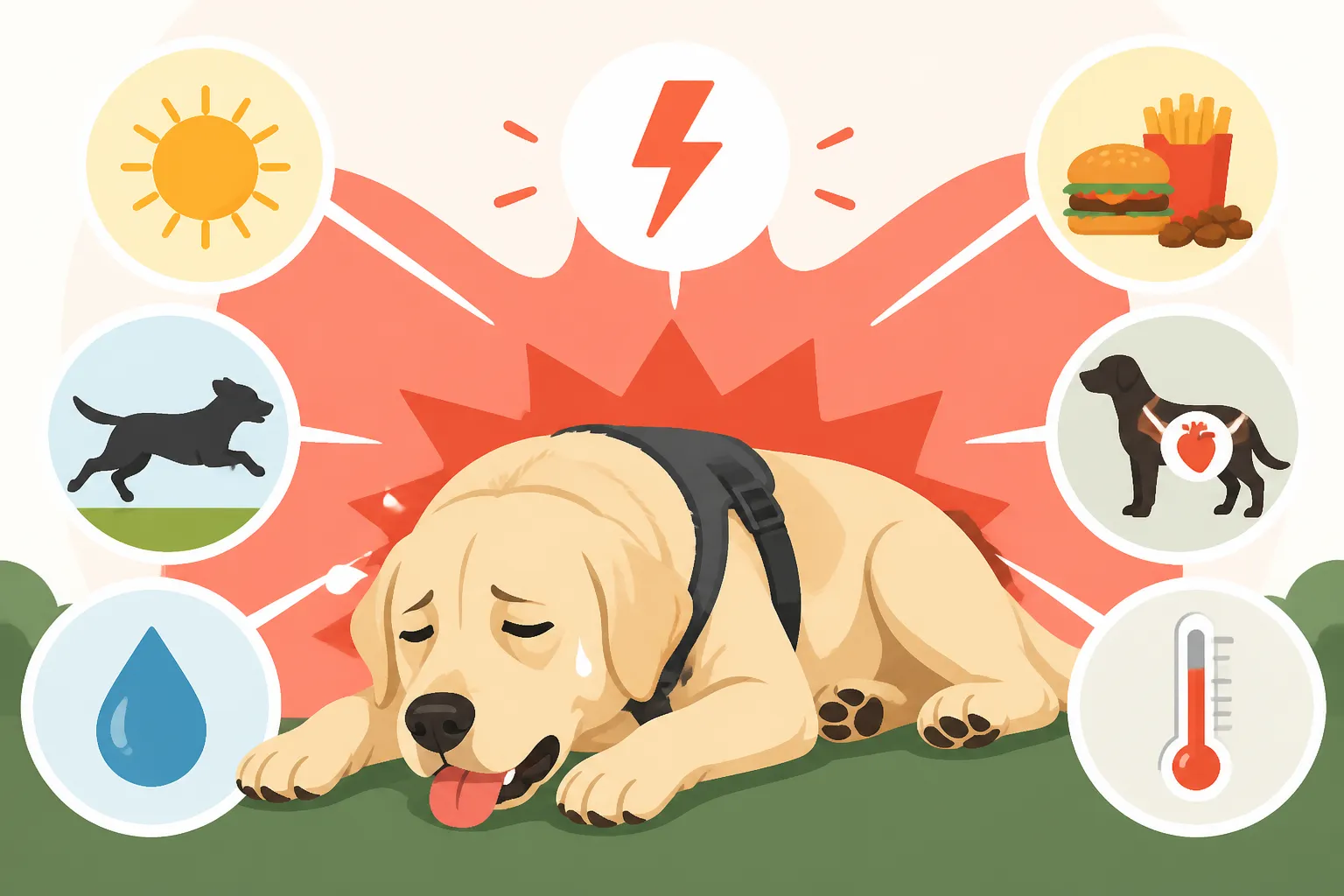
While the underlying cause is genetic, the actual onset of an EIC episode is almost always brought on by specific types of activity. It's rarely a random occurrence; there's usually a clear correlation between certain stimuli and the collapse. Understanding these direct triggers is your first line of defense in protecting your Labrador.
High-Intensity, Sustained Exercise
This is hands down the most common and potent trigger for EIC. The kind of exercise that really gets a Labrador's engine revving and keeps it there for an extended period is precisely what can bring on an episode. We're talking about activities like:
- Repetitive Fetching: Throwing a ball or frisbee over and over, especially without adequate breaks, where your Labrador is constantly sprinting at top speed.
- Intense Training Sessions: Agility courses, advanced obedience drills, or gundog training that demands continuous bursts of speed and focus.
- Long, Fast Runs or Sprints: Taking your Labrador jogging or cycling for prolonged periods, pushing their cardiovascular system and muscles.
- Competitive Events: Field trials, hunt tests, or dock diving where the pressure to perform is high, and the activity is often intense and sustained.
The key here is sustained and high-intensity. A leisurely walk around the block or a gentle swim isn't usually enough to trigger an EIC episode. It’s when their bodies are pushed to the limit, demanding a continuous output of nerve signals to the muscles, that the system starts to falter. The neurotransmitters get depleted faster than they can be recycled, and communication breaks down. This can be especially frustrating because Labs are bred for this kind of work, and it’s what they love to do most. You might think, "My dog loves to run! How can I tell them no?" It requires careful management and understanding of their limits.
Over-Excitement and High Arousal
Beyond just the physical exertion, the emotional state of your Labrador plays a significant role in triggering EIC. A dog that is highly aroused or overly excited can be more prone to an episode, even if the physical demands aren't as extreme. This is where the emotional and neurological aspects intersect in a critical way.
Think about the sheer joy a Labrador displays when they see a beloved toy or are about to embark on an adventure. That surge of adrenaline and heightened mental state can amplify the effects of physical activity. For example:
- Anticipation of a Favorite Activity: Your Labrador sees you grab their favorite retrieving dummy, and their excitement levels immediately soar, even before they start running.
- Encounters with Other Dogs or Wildlife: The thrill of chasing a squirrel, playing vigorously with a canine friend, or the adrenaline rush from a brief skirmish can heighten their arousal.
- Competitive Environments: The buzz and energy of a dog show, a field trial, or even a local park with lots of new sights and smells can put an EIC-affected dog "over the top" before intense physical activity even begins.
The combination of mental arousal and physical exertion seems to create a perfect storm for EIC episodes. When their adrenaline is pumping, their nervous system is already working overtime, making it more susceptible to the fatigue that leads to collapse. It’s a good reminder that managing an EIC dog isn’t just about regulating physical activity, but also about trying to keep their emotional state on an even keel during demanding situations. Insurance providers like Healthy Paws understand the need for ongoing veterinary support for conditions like EIC, which often requires consistent monitoring and expert advice.
Environmental and Contributing Factors
While intense exercise and high arousal are the primary drivers, external environmental factors can certainly make a Labrador more susceptible to an EIC episode, or even exacerbate its severity. It’s like adding fuel to a fire that’s already been lit by their genetic predisposition.
Heat and Humidity
The weather can be a silent accomplice in triggering EIC. High temperatures and oppressive humidity are particularly problematic for Labradors, especially those prone to EIC. Their dense double coats, while fantastic for water retrieval in cooler climates, can make them less efficient at dissipating heat. When an EIC-affected Labrador exercises in these conditions:
- Increased Body Temperature: Their core body temperature naturally rises with exertion. In hot, humid weather, it's much harder for them to cool down, leading to a higher starting temperature and faster accumulation of heat.
- Exacerbated Neurological Stress: The added physiological stress of overheating can further strain their already compromised neurological system, pushing them towards collapse more quickly or making an episode more severe.
- Confusion with Heatstroke: Owners might initially mistake an EIC episode for heatstroke, as some symptoms overlap, such as staggering and disorientation. However, true heatstroke often involves much higher body temperatures (above 105°F or 40.5°C) and can be far more life-threatening if not immediately addressed. Understanding Telling EIC From Heatstroke in a Labrador is vital for proper emergency response.
This means being extra vigilant on warm summer days or in humid climates. Adjusting your Labrador's exercise schedule to cooler parts of the day, or opting for swimming (if tolerated) instead of intense land-based activities, can be crucial. Sometimes, the weather in places like Florida or Texas can make high-intensity retrieving almost impossible for an EIC-affected dog during much of the year.
Stress and Anxiety
Beyond the excitement of a favorite toy or activity, general stress and anxiety can also contribute to the likelihood of an EIC episode. New or overwhelming situations can elevate a dog's stress hormones, which can then interact with the physical demands they face.
Consider these scenarios:
- Travel and New Environments: A long car trip to a new location, like a vacation spot or a different training facility, can be stressful. If your Labrador is then asked to perform immediately upon arrival, the combined stress could be a trigger.
- Dog Shows or Events: Even if your dog loves performing, the overall atmosphere of a busy dog show – new smells, strange dogs, unfamiliar people, loud noises – can induce a low level of background anxiety that compounds during their performance time.
- Changes in Routine: Labradors thrive on routine. A sudden change in their daily schedule, new people in the house, or a visit to the vet for Labrador Vaccination and Parasite Schedule can cause underlying stress.
These stressors might not directly cause an EIC episode on their own, but they can lower the threshold at which intense exercise or high arousal leads to collapse. It's about cumulative stress on the system. A dog already feeling a bit on edge might be more vulnerable to an EIC episode during a moderate play session than a perfectly relaxed dog would be during a much more intense one. This highlights the importance of observing your dog's overall well-being and managing their environment to reduce unnecessary stressors, especially if you know they are EIC-affected.
Preventing EIC Episodes and Management
Living with a Labrador affected by EIC might sound daunting, but with a clear understanding of the triggers and a commitment to careful management, your dog can still enjoy a very high quality of life. It’s all about being proactive and adjusting expectations.
Identifying and Avoiding Specific Triggers
The most effective way to prevent EIC episodes is to know your dog's specific triggers and actively avoid them. This takes careful observation and sometimes a bit of trial and error.
- Keep a Log: Many owners find it helpful to keep a journal of their Labrador's activity. Note the type of exercise, duration, intensity, environmental conditions (temperature, humidity), and your dog's emotional state. If an episode occurs, record exactly what led up to it. Over time, you’ll start to see patterns in what specifically brings on a collapse for your dog.
- Genetic Testing: If you suspect your Labrador might be affected, or if you're considering breeding, genetic testing is invaluable. A simple cheek swab can confirm whether your dog is clear, a carrier, or affected by the DNM1 mutation. Knowing this empowers you to make informed decisions about their care and exercise limits. You can learn more about Testing a Labrador for Exercise-Induced Collapse.
- Modify Exercise Routines: Once you identify the triggers, adjust their exercise. Instead of long, sustained fetch sessions, try shorter bursts of play interspersed with plenty of rest. Opt for activities that allow for more controlled movements, like leisurely walks, or swimming in moderation. Avoid pushing them to exhaustion, and always stop before they show any signs of fatigue or wobbliness. For dogs diagnosed with EIC, a good pet insurance policy like those from Healthy Paws can help cover the costs of diagnostics and ongoing veterinary consultations to manage the condition.
- Manage Arousal: Try to keep excitement levels moderate before and during exercise. Avoid over-stimulating games right before a walk or run. If you're in a stimulating environment, consider keeping them on a leash or engaging them in calmer activities.
Managing an EIC-Affected Labrador's Lifestyle
Beyond avoiding triggers, managing the overall lifestyle of an EIC-affected Labrador involves a holistic approach to their well-being. The goal is to maximize their quality of life without risking their health.
- Controlled Exercise is Key: This means activities that are fun but don't push them to the point of collapse. Think about activities like:
- Leisurely Walks: Multiple shorter walks throughout the day rather than one long, strenuous one.
- Moderate Swimming: If your Labrador loves water, swimming can be excellent low-impact exercise, but watch for signs of fatigue and ensure the water isn't too cold or too warm. Remember that even in water, intense, sustained retrieving can trigger an EIC episode.
- Scent Work or Puzzle Toys: Mental stimulation is just as important as physical exercise for a Labrador. These activities can tire them out without overtaxing their physical system. You can even use their daily meal portion in a puzzle feeder to make eating an engaging activity.
- Cooling Strategies: When exercising in warmer weather, always have access to fresh water. Consider cooling vests, damp towels, or even a child's wading pool for a quick cool-down. Always exercise in the coolest parts of the day, early morning or late evening.
- Regular Veterinary Check-ups: Maintaining good overall health is crucial. Regular vet visits ensure that any other health issues are caught early. Discuss your Labrador's EIC with your vet so they can provide tailored advice and help you create a safe exercise plan. Learning about Which Labrador Conditions Show Up Most at the Vet can help you be prepared for other common health issues.
- Educate Others: Make sure anyone who spends time with your Labrador – dog walkers, pet sitters, family members – understands EIC, its triggers, and what to do if an episode occurs. Providing them with a clear plan of action can prevent accidental overexertion.
- Prioritize Rest: Just like humans, dogs need adequate rest and recovery. Ensure your Labrador has a comfortable, quiet place to relax after any activity. Even if they recover quickly from an EIC episode, their body and nervous system need time to fully recuperate. For senior Labradors, managing EIC might mean even more gentle exercise, as conditions like Labrador Arthritis in Middle Age can also impact their mobility.
By being mindful of these factors and making adjustments, you can ensure your EIC-affected Labrador continues to be a happy, active member of your family. It's a journey of understanding and adaptation, but one that is incredibly rewarding for both you and your canine companion.
Here’s a quick overview of common triggers and simple management strategies:
| Trigger Category | Specific Examples | Management Strategy |
|---|---|---|
| High-Intensity Exercise | Repetitive fetching, long sprints, intense agility/gundog work | Shorter, less intense play; more frequent breaks; avoid exhaustion |
| High Arousal/Excitement | Anticipation of play, greeting new dogs, competitive environments | Keep calm; moderate excitement before/during activity; structured play |
| Heat & Humidity | Exercising in hot, humid weather, direct sun | Exercise in cool parts of day; provide shade/water; cooling vests |
| Stress & Anxiety | New environments, loud noises, travel, changes in routine | Gradual introductions; create calm spaces; consistent routine; minimize stress |
Disclaimer
The information provided in this article is for general informational purposes only and does not constitute veterinary advice. Always consult with a qualified veterinarian for any health concerns or before making any decisions related to your pet's health and treatment.