Whether Chlorine Pools Hurt a Labrador’s Coat
It’s a tale as old as time for Labrador owners: you have a dog who lives for the water, and you have a backyard pool. It seems like a match made in heaven, right? But then the worry creeps in. Is all that chlorine, designed to keep the pool clean for humans, actually doing damage to your beloved Labrador’s glorious, water-repellent coat? It's a valid concern, and one that many of us grapple with as we watch our Labs gleefully cannonball into the cool blue. This guide is here to unravel the truth about chlorine and your Labrador's coat, offering practical advice to keep them happy and healthy, both in and out of the pool.
The Labrador's Amazing Coat: Built for Water
Before we dive into the effects of chlorine, it’s crucial to understand just what makes a Labrador’s coat so special. These dogs were quite literally bred for water work, originating from the icy waters of Newfoundland where they retrieved fish and lines for fishermen. Their coat is a marvel of natural engineering, perfectly adapted to protect them in harsh aquatic environments.
The Double-Layered Wonder
A Labrador's coat isn't just one layer of fur; it's a sophisticated double coat. You have the outer layer, known as guard hairs, which are short, straight, and dense. These hairs are tough and repel water like nobody's business, forming a protective barrier against the elements. Beneath this, you’ll find a softer, thicker undercoat. This downy layer acts as insulation, keeping your Labrador warm even when submerged in cold water.
Think about how water beads up and rolls off a freshly waxed car – that's similar to what happens with your Lab's outer coat. These guard hairs are not just for show; they prevent water from penetrating to the skin, which is essential for a dog that spends a lot of time in chilly lakes and oceans. Why a Labrador Coat Is Water Resistant explains this in more detail.
Natural Oils: The Secret Weapon
Beyond the physical structure of the hair, a Labrador's coat is naturally rich in oils. These oils are incredibly important for the coat's integrity and function. They contribute to that characteristic water-repellency, creating a hydrophobic surface that sheds water rather than absorbing it. These natural oils also play a vital role in keeping your Labrador’s skin healthy and moisturized. They form a protective barrier against external irritants and prevent dryness, flakiness, and itching.
When these natural oils are in balance, your Labrador's coat looks shiny and feels smooth, and their skin is supple and irritation-free. It's a testament to centuries of breeding for a working dog whose survival depended on their ability to brave the elements, especially water. Any intervention, like swimming in chlorinated pools, needs to be considered in light of this natural design.
How Chlorine Impacts Your Labrador's Coat and Skin
Now, let's get to the heart of the matter: what does chlorine actually do to this perfectly engineered coat? While chlorine is fantastic for sanitizing pool water, ensuring it's safe from bacteria for both humans and pets, it's not without its potential drawbacks for your Labrador's delicate skin and protective fur.
Stripping Away Natural Oils and Causing Dryness
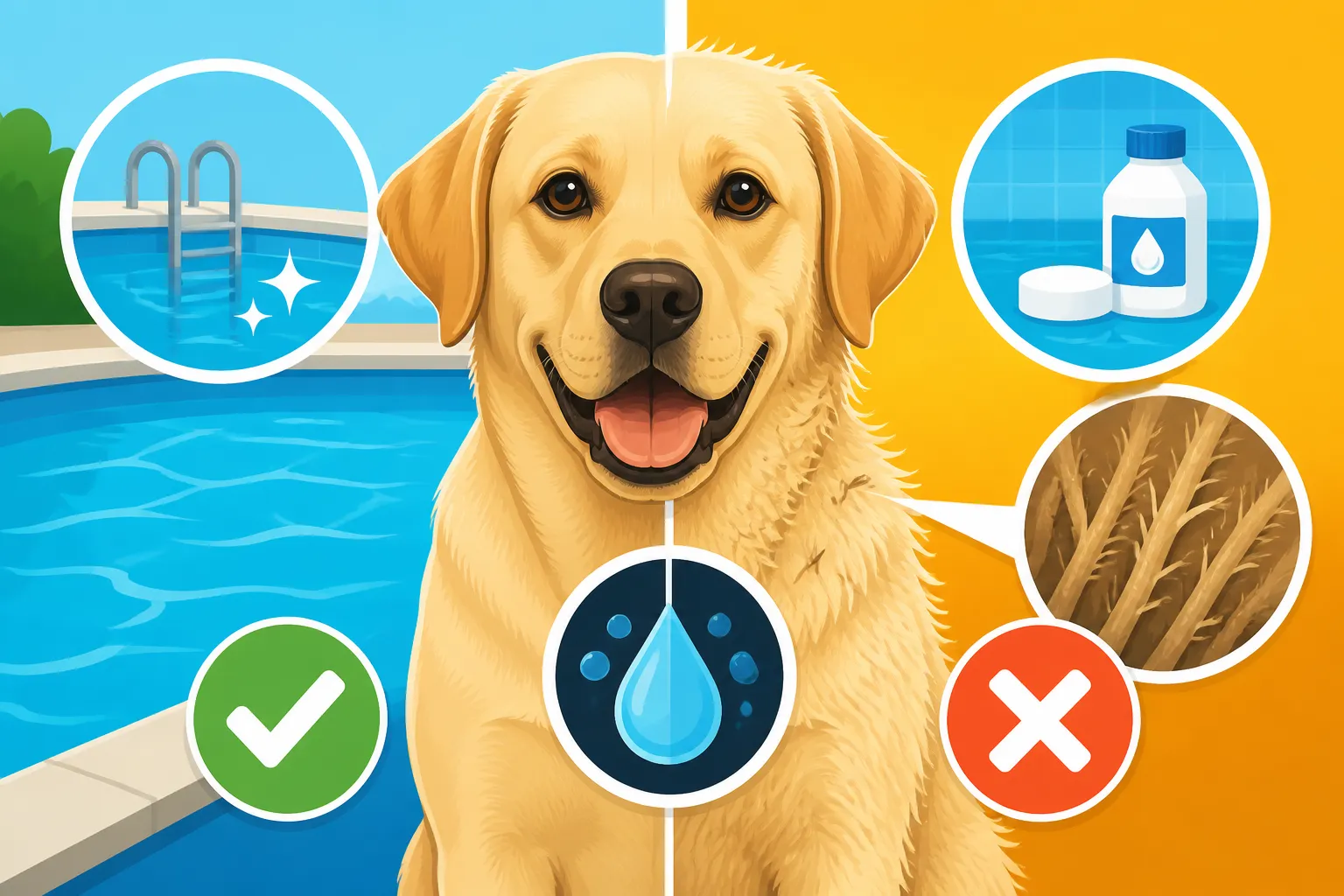
The biggest concern with chlorine is its drying effect. Chlorine is a strong oxidizing agent, and while it's busy killing germs, it can also strip away the natural oils that are so vital to your Labrador’s coat health. Imagine washing your hair with harsh detergent every day – it would quickly become dry, brittle, and dull. The same principle applies to your Lab's fur.
When these protective oils are removed, the coat loses its luster and becomes more porous. This can make the individual hairs more susceptible to breakage, leading to a dull, rough, or even frizzy texture. Over time, consistent exposure without proper aftercare can leave your Labrador’s coat feeling dry to the touch and looking less vibrant. It’s like their natural waterproofing is slowly being worn away.
Skin Irritation and pH Imbalance
Beyond the coat itself, chlorine can also be quite irritating to your Labrador's skin. Dogs have a different skin pH balance than humans, and prolonged exposure to chlorinated water can disrupt this delicate balance. This disruption can lead to a host of issues, including dryness, itchiness, and even rashes.
You might notice your Labrador scratching more after a swim, especially around their armpits, belly, or groin areas where skin folds trap moisture and chlorine. Their paw pads might also become dry and cracked. For Labs with existing skin sensitivities or allergies, chlorine can exacerbate these problems, turning a fun swim into an uncomfortable ordeal. Keeping an eye out for Hot Spots and Allergies in Labradors is always a good idea, as chlorine can sometimes trigger or worsen these conditions.
The Truth About Coat Discoloration
This is a common question, especially for owners of black or chocolate Labradors. Can chlorine actually bleach or discolor their dark coats? The answer is yes, potentially. While it’s not as common or dramatic as seeing a human’s blonde hair turn green from copper in pool water, prolonged and repeated exposure to chlorine can indeed lighten a dark coat over time.
This isn't typically a rapid change, but rather a gradual dulling or subtle reddish tint that can appear on black or chocolate fur, especially if the coat is constantly wet with chlorinated water and not rinsed thoroughly. The chlorine oxidizes the pigments in the hair shaft, leading to this subtle lightening or brassy tone. For yellow Labradors, the effect might be less noticeable, perhaps just a slight dulling of their golden hues. It's not a health concern, but it can certainly change the aesthetic of their beautiful fur.
Essential Strategies to Protect Your Labrador's Coat from Chlorine
The good news is that you don't have to ban your water-loving Labrador from the pool entirely! With a few simple, consistent steps, you can minimize the drying and irritating effects of chlorine and keep their coat and skin healthy. It’s all about proactive care.
The Immediate Rinse: Your First Line of Defense
This is, hands down, the single most important thing you can do for your Labrador after a pool swim. As soon as they hop out of the pool, or even better, before they have a chance to shake off, grab the hose and give them a thorough rinse with clean, fresh water. Don’t just spray them down; really get down to the skin, making sure to wash away as much chlorinated water as possible.
Think of it like this: the quicker you remove the chlorine from their coat and skin, the less time it has to strip those essential oils and cause irritation. It's a simple, free, and incredibly effective step. Pay special attention to their ears, paws, and any skin folds. This simple act goes a long way in preventing dryness and discomfort. This is also crucial for preventing ear infections. If your Labrador loves to swim, you should also be sure to read Drying a Labrador's Ears After the Lake for more comprehensive ear care.
Choosing the Right Shampoos and Conditioners
While daily rinsing is key, you'll also want to incorporate regular bathing with products specifically designed to counteract the effects of chlorine. Look for shampoos that are moisturizing, pH-balanced for dogs, and ideally, formulated to remove chlorine residue without stripping natural oils. Some brands even offer "de-chlorinating" shampoos.
A good conditioner is equally important, as it helps to restore moisture and rebuild the protective barrier on the hair shaft. After shampooing, apply conditioner and let it sit for a few minutes before rinsing thoroughly. You can find a wide range of suitable products on online retailers like Chewy or Amazon, often with reviews from other dog owners that can guide your choice. Shampoo for a Labrador With Itchy Skin might offer some useful insights if your Lab already has sensitivities.
Here's a quick comparison of shampoo types:
| Shampoo Type | Best For | Pros | Cons |
|---|---|---|---|
| Moisturizing/Hydrating | Dry, dull coats, general maintenance after chlorine | Replenishes moisture, leaves coat soft and shiny | May not specifically neutralize chlorine, might require longer conditioning |
| De-chlorinating | Regular pool swimmers, coats prone to dullness | Specifically formulated to break down chlorine, good for discoloration | Can sometimes be more specialized and harder to find, might be less hydrating |
| Oatmeal-based | Sensitive, itchy skin, allergy-prone Labs | Soothes irritation, gentle on skin | Not always as effective at removing heavy chlorine residue |
| Hypoallergenic | Labs with known allergies, very sensitive skin | Free of common irritants, very gentle | Often pricier, may not address chlorine issues directly |
The Power of Regular Brushing and Grooming
Consistent grooming routines are always important for Labradors, but even more so if they are frequent swimmers. Regular brushing helps to distribute those natural oils throughout their coat, promoting an even sheen and preventing tangles. It also removes loose hair and any lingering debris or residue from the pool.
Aim for a good brush session a few times a week, or even daily during shedding season. A rubber curry brush or a slicker brush can work wonders on their dense double coat. This practice not only keeps their coat looking great but also allows you to inspect their skin for any signs of irritation or dryness that might be exacerbated by chlorine. If you're looking for tools, Which Brush Works on a Labrador Coat can give you some excellent recommendations.
Internal Health Reflects on the Outside
Don't underestimate the role of a healthy diet and good hydration in maintaining your Labrador's coat and skin health. A well-balanced diet rich in omega fatty acids (like those found in fish oil or flaxseed) can significantly improve coat luster and skin elasticity from the inside out. Some owners opt for high-quality kibble, while others explore fresh food options from services like Ollie, which can offer excellent nutritional profiles.
Ensure your Labrador always has access to fresh, clean drinking water, especially if they're spending time in a pool. Proper hydration helps keep their skin supple and resilient. Just like with humans, what goes into their body has a direct impact on the health of their skin and fur.
By taking these steps, you can ensure your Labrador continues to enjoy their swimming adventures without compromising the health and beauty of their remarkable coat. A little preventative care goes a long way in keeping our water-loving companions happy and comfortable. How Often to Bathe a Labrador can provide more guidance on bathing schedules for dogs with active lifestyles.
Minimizing Risks and Maximizing Fun
Beyond the direct impact on their coat, there are a few other considerations for pool-loving Labradors to ensure their overall well-being. Thinking about the bigger picture of their health when they're splashing around is important.
Rinse Off Before the Swim Too!
This might sound counterintuitive, but giving your Labrador a quick rinse with fresh water before they jump into the pool can actually be beneficial. A wet coat will absorb less chlorinated water than a dry one, acting as a small buffer. It's like pre-wetting your hair before going into a heavily chlorinated public pool – it helps to saturate the strands with clean water first. This simple trick can reduce the amount of chlorine that penetrates deep into their fur and reaches their skin.
It also helps prevent them from carrying excess dirt, pollen, or loose hair into your pool, which can help keep your pool filter cleaner for longer. It's a win-win for both your dog and your pool maintenance!
Monitor for Eye and Ear Irritation
Chlorine isn't just tough on coats; it can also irritate sensitive areas like eyes and ears. After swimming, especially if your Labrador loves to dive, check their eyes for redness or irritation. A gentle rinse with an eye-safe saline solution can help flush out any residual chlorine.
Labradors, with their floppy ears, are particularly prone to ear infections, and damp, chlorinated environments can be a breeding ground for bacteria and yeast. After every swim, thoroughly dry their ears with a soft towel or cotton balls. You might even consider using a veterinarian-approved ear cleaner specifically designed to dry out the ear canal and prevent infection. Labrador Ear Infections and Swimming delves deeper into this common issue and how to prevent it. A quick look inside their ears can tell you When a Labrador Ear Needs a Vet Not a Wipe.
Consider Swim Frequency and Pool Chemical Levels
While it's wonderful to let your Labrador enjoy the pool, consider the frequency of their swims, particularly if you notice any skin or coat issues developing. If your Lab is in the pool every single day, you might need to ramp up your aftercare routine or consider reducing pool time occasionally, perhaps alternating with lake swims (if safe and available) or long walks.
Also, be mindful of your pool's chemical levels. While you want the water to be clean and safe, excessively high chlorine levels will be harsher on your Labrador’s coat and skin. Maintaining proper chemical balance for human swimmers will also benefit your dog. If you're unsure about testing, most pool supply stores offer water testing services.
By combining these preventative measures with attentive aftercare, you can ensure that your Labrador enjoys all the joys of pool swimming without suffering from the common downsides of chlorine exposure. Their happiness and health are, after all, our top priorities!
Disclaimer
This article is for general informational purposes only and does not constitute professional advice. Laws, prices and regulations vary by location and change over time. Consult a qualified professional for guidance on your specific situation.