Whether Labradors Have Strong Prey Drive
One of the most common questions new Labrador owners, or those considering bringing one into their home, often ask is about prey drive. It's a valid concern! You want to know if your lovable, goofy Lab is going to terrorize every squirrel, cat, or even smaller dog in sight. The truth is, Labradors, like most retrieving breeds, do possess a degree of prey drive, but understanding how it manifests and how to manage it is key to a harmonious household. This guide will walk you through what prey drive truly means for a Labrador and how to channel it positively.
Understanding "Prey Drive" in a Labrador Context
It’s easy to misunderstand what "prey drive" actually entails when you're looking at your big, slobbery Labrador. We often picture a wild wolf, stalking and hunting, but for a domestic dog, especially a breed like the Labrador, it's far more nuanced.
What is Prey Drive, Really?
In its simplest form, prey drive is a dog's instinctual desire to chase, capture, and sometimes kill small animals. It's a survival mechanism, deeply embedded in their genetic code from their wild ancestors. For some breeds, this drive is incredibly strong, leading to intense focus on movement, sudden bursts of speed, and a powerful grip. Think of sighthounds like Greyhounds, or terriers bred to dispatch vermin – their prey drive is often very high and geared towards the "kill" aspect.
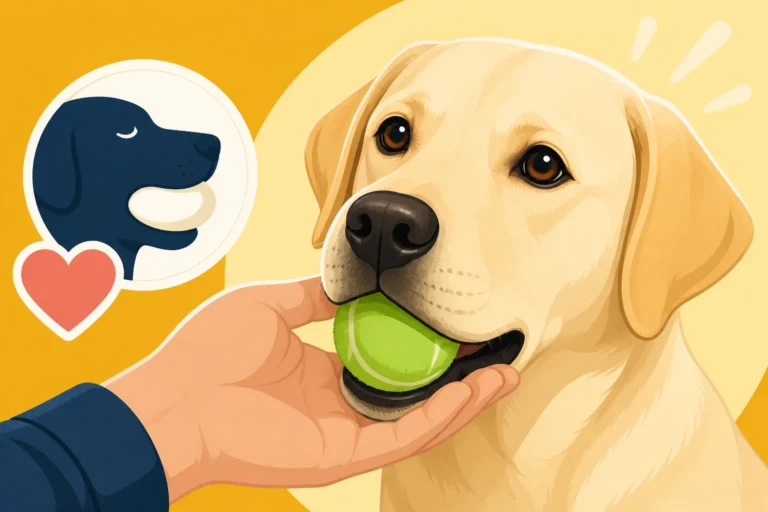
With Labradors, their prey drive is typically focused on the chase and retrieve rather than the kill. They were bred to work alongside human hunters, finding and bringing back downed birds without damaging them. This means they have an incredible sensitivity to movement, a strong desire to pursue, and an innate instinct to pick up and carry objects (their famous "soft mouth"). It's this specific flavor of prey drive that makes them such exceptional retrievers, but it can also present challenges in a pet home if not understood and channeled correctly. It's less about predatory aggression and more about an irresistible urge to interact with moving objects.
Labrador History and Its Influence on Drive
To really grasp a Labrador's inherent tendencies, we have to look back at Where the Labrador Retriever Came From. These dogs, originally known as St. John's Water Dogs, were working companions for fishermen off the coast of Newfoundland. Their job wasn't to hunt, but to retrieve fish that fell out of nets, lines, or even retrieve equipment from the icy waters. They then evolved into gundogs, retrieving game birds for hunters in England. This history is crucial.
Their lineage meant they needed to be keenly aware of movement (a bird flying, a fish splashing), have an immense desire to pursue and bring back, and possess the physical attributes to do so – a thick, water-resistant coat, webbed feet, and that incredibly biddable nature that makes them so trainable. They weren't bred to stalk silently or to kill on their own; they were bred to cooperate with humans and bring things back. This heritage explains why a rustling bush or a fleeing squirrel can instantly grab a Labrador's attention, but also why, with proper training, that same dog can be taught to bring a toy back to you instead of chasing after the neighbor's cat. What Labradors Were Bred to Do truly highlights this cooperative instinct.
Common Manifestations of Labrador Prey Drive
So, what does this specific type of prey drive actually look like in your everyday Labrador? It's not always a dramatic chase scene; sometimes it's more subtle.
The Squirrel Chase and Other Small Critters
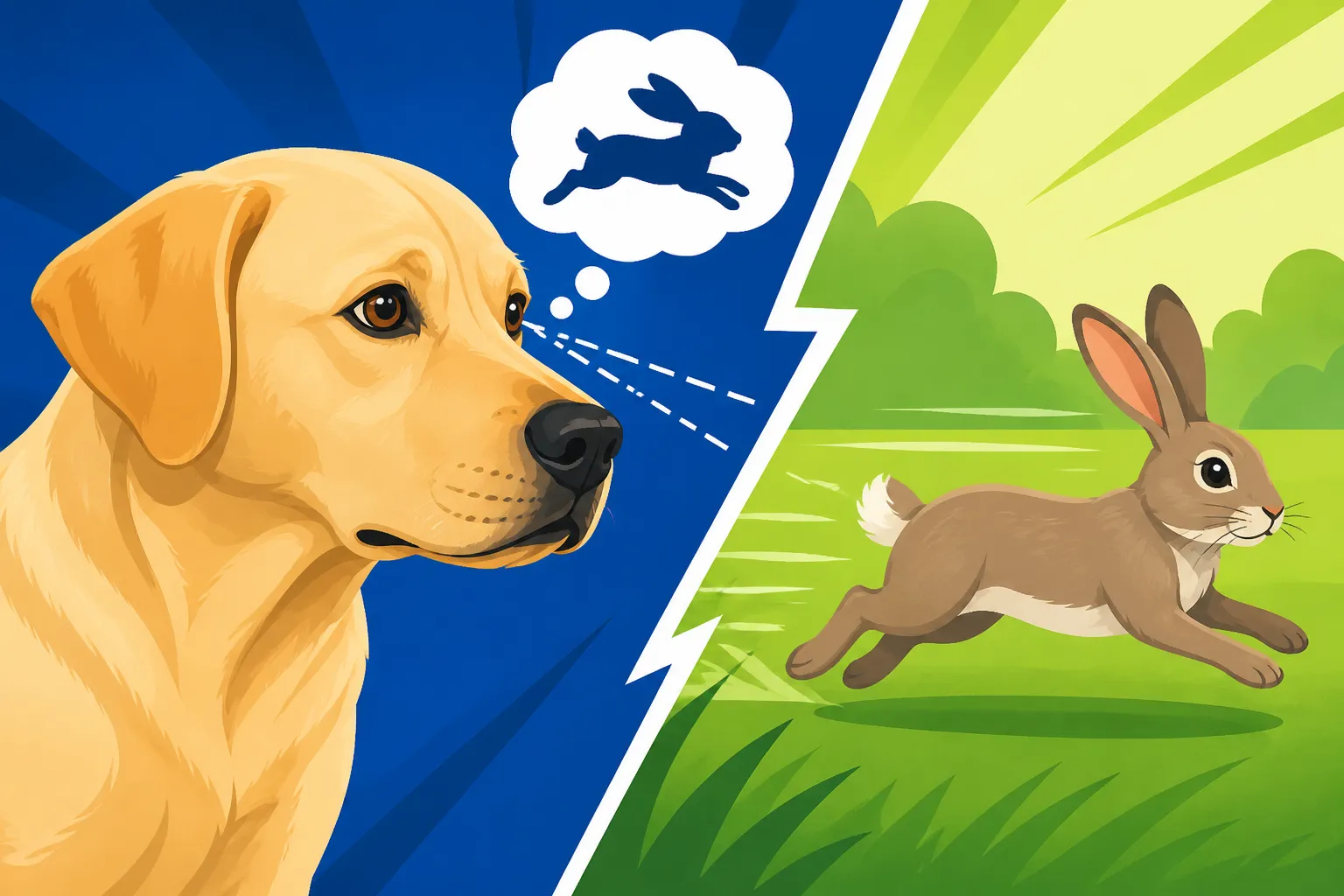
This is probably the most common scenario that comes to mind. You're walking your Labrador on a leash, perhaps enjoying a peaceful stroll in the park, when suddenly, a squirrel darts across your path. Before you can even react, your Labrador is lunging, pulling you off balance, and fixated on that furry tail disappearing up a tree. This isn't aggression; it's pure, unadulterated chase instinct kicking in. The movement triggers an undeniable urge to pursue. It could be a rabbit, a bird, or even a leaf blowing erratically in the wind – anything that moves quickly and unpredictably can set off that "I must catch it!" switch.
For many Labrador owners, this can be incredibly frustrating. It makes walks less enjoyable and can even be dangerous if your dog manages to slip their leash or darts into traffic. The strength of a fully-grown Labrador can be surprising, and even a well-behaved dog can suddenly become a freight train when that primal urge kicks in. It's not a sign that your dog is "bad" or untrainable; it's simply their breeding asserting itself. Understanding this helps you prepare and manage these situations with a proper leash and harness, and consistent training.
"Soft Mouth" vs. Predatory Instincts
Labradors are famously known for their "soft mouth," a trait that allows them to retrieve game without damaging it. This is why you often see Labs gently carrying an egg in their mouth or bringing you a delicate toy without a mark. It's a wonderful trait and often misunderstood in relation to prey drive. Does a soft mouth mean they don't have a strong prey drive? Not at all.
The soft mouth is a refinement of their prey drive. They have the desire to chase and capture, but the instinct to harm has been largely bred out or, at the very least, suppressed by centuries of working alongside humans. So, while they might chase that squirrel with all their might, if they were to catch it, many Labradors would be more inclined to "present" it to you rather than bite it aggressively. Of course, this isn't a guarantee, and any interaction with wildlife can be unpredictable and dangerous for both the dog and the animal. However, it's important to differentiate this retrieve-focused drive from the more predatory, kill-driven instincts seen in other breeds. It underscores their unique Labrador Temperament and Personality.
Food Motivation and Resource Guarding
While perhaps not immediately thought of as "prey drive," a Labrador's intense food motivation is deeply connected to their drive for resources, which is a component of a dog's overall instinctual package. Labradors are notorious for being food-obsessed. They live to eat, and if it smells good, they'll try to eat it – whether it's on the counter, in the trash, or dropped on the floor. This intense drive to acquire food resources can sometimes manifest as resource guarding.
Resource guarding is when a dog becomes possessive over food, toys, sleeping spots, or even people, and may growl, snap, or bite if someone tries to take it away. While not strictly "prey drive" in the chasing sense, it stems from a primal instinct to protect valuable resources. For a breed so driven by food, like the Labrador, this can be a particular concern. A Labrador might snatch a dropped sandwich and become defensive if you try to retrieve it, seeing it as a valuable "catch." Early training and management are crucial here. Techniques like teaching "leave it" and "drop it" are vital not just for safety around foreign objects, but also for managing this aspect of their resource-driven behavior. If you notice signs of Resource Guarding in Food-Driven Labradors, it's important to address it promptly and positively.
Managing and Channeling Labrador Prey Drive
Living with a Labrador means acknowledging and working with their inherent traits, including their prey drive. It's not something you can "train out" entirely, but you can certainly manage and channel it positively.
Early Socialization and Exposure
Starting early is always best when it comes to shaping a well-adjusted Labrador. Socializing a Labrador Puppy isn't just about introducing them to other friendly dogs; it's about exposing them to a wide variety of sights, sounds, smells, and experiences in a positive and controlled way. This includes things that might trigger their prey drive later on, such as squirrels, birds, and even children running and playing.
For example, when your puppy is young, calmly introduce them to the sight of squirrels from a distance, perhaps on a leash. Praise and treat them for not reacting. The goal isn't to make them ignore wildlife entirely – that's often unrealistic – but to teach them that these things exist and aren't necessarily something they need to chase. Controlled exposure to different environments, from busy parks to quiet trails, helps them learn appropriate responses and build confidence. The more positive experiences they have in various situations, the less likely they are to react with an overwhelming, uncontrolled burst of prey drive later on.
Training for Impulse Control and Recall
Effective training is your absolute best tool in managing prey drive. This isn't about crushing their spirit, but about teaching them self-control and reliable responses that can override those instincts when necessary.
Two commands are paramount: "leave it" and a rock-solid recall. "Leave it" teaches your Labrador to disengage from something tempting – whether it's a dropped treat, a piece of trash, or that tantalizing squirrel just a few feet away. Practice this constantly, starting in low-distraction environments and gradually increasing the challenge. Reward them generously for choosing to ignore the temptation and look to you instead.
Recall, or coming when called, is equally, if not more, critical. If your Labrador is off-leash (in a safe, legal area) and spots something to chase, a reliable recall could be the difference between a minor incident and a serious one. Building a Labrador's Recall From Scratch requires patience and high-value rewards. Start in a fenced area, call your dog, and reward them enthusiastically every single time they come. Practice around distractions, using a long line to ensure safety and prevent them from "self-rewarding" a chase. The goal is to make coming to you more rewarding than chasing that rabbit. This is where high-value treats from a place like Chewy can be incredibly useful – something truly irresistible that makes them drop everything and run back to you.
Beyond these, Loose Leash Walking With a Labrador is also crucial. A front-clip harness or head halter can provide more control and prevent your Labrador from practicing pulling and lunging behaviors that reinforce their chase drive.
Providing Appropriate Outlets
You can't eliminate prey drive, and honestly, you wouldn't want to. It's part of what makes Labradors so enthusiastic and fun! The key is to provide healthy, acceptable outlets for those instincts. This means channeling their natural desire to chase, retrieve, and carry things into games and activities that you control.
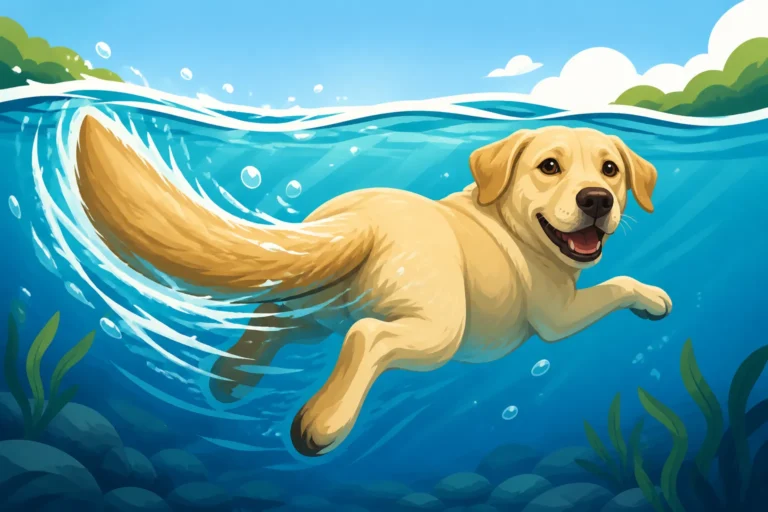
Fetch is the classic example. Your Labrador gets to chase, retrieve, and bring back a toy, fulfilling that deep-seated desire without bothering wildlife or other people. Make fetch an active part of your daily routine. Many Labradors also love swimming and retrieving objects from the water, which is another excellent outlet for their natural drives. Retrieving Games That Tire a Labrador are not just fun, they're essential for their mental and physical well-being.
Consider dog sports like dock diving, agility, or even formal gundog training if you're interested. These activities tap directly into a Labrador's instincts and provide a structured environment for them to use their energy and intelligence. Even simple scent work, where they use their powerful noses to find hidden treats or toys, can satisfy some of their seeking behavior. Puzzle toys, especially those you can fill with kibble (again, Chewy has a great selection), make them "hunt" for their food, engaging their minds and instincts in a positive way.
When to Seek Professional Help
While most Labradors' prey drive can be managed with consistent training and appropriate outlets, there are times when you might need an extra hand. It's important to recognize when the problem is beyond your current skill set.
Recognizing Problematic Prey Drive
How do you know if your Labrador's prey drive is becoming problematic? It's more than just an occasional squirrel chase. Signs might include:
- Extreme fixation: Your dog becomes so fixated on movement that they are unresponsive to commands, even in low-distraction environments.
- Aggression towards small animals: While Labradors have a "soft mouth," an uncontrolled, intense drive combined with lack of inhibition could lead to injury to smaller pets or wildlife.
- Difficulty managing on leash: Every walk is a constant battle against lunging and pulling towards any moving object, making it unsafe for both you and your dog.
- Escaping: Your Labrador finds ways to escape the yard or house to chase after animals.
- High anxiety or frustration: Your dog seems constantly agitated and restless because they aren't getting a sufficient outlet for their instincts, or they become overly frustrated when they can't pursue a trigger.
If you're feeling overwhelmed, frustrated, or worried about your dog's safety or the safety of other animals, that's a clear sign it's time to reach out.
Finding the Right Trainer or Behaviorist
Don't hesitate to seek professional guidance if you're struggling. A good professional can help you understand the nuances of your specific dog's drive and develop a tailored plan. When looking for help, consider a certified professional dog trainer (CPDT-KA) or a certified dog behaviorist (CDBC) who uses positive reinforcement methods.
Ask about their experience with high-drive breeds and how they approach issues like prey drive. A qualified trainer can teach you advanced leash handling techniques, refine your recall in challenging environments, and help you find appropriate activities to channel your Labrador's energy. They might suggest specific tools, training exercises, or environmental management strategies. They can also help you differentiate between normal breed instincts and any underlying anxiety or reactivity that might be contributing to the behavior. Choosing a Trainer for a Labrador is an important decision, so take your time to find someone who aligns with your philosophy and your dog's needs.
Disclaimer
This article is for general informational purposes only and does not constitute professional advice. Laws, prices and regulations vary by location and change over time. Consult a qualified professional for guidance on your specific situation.