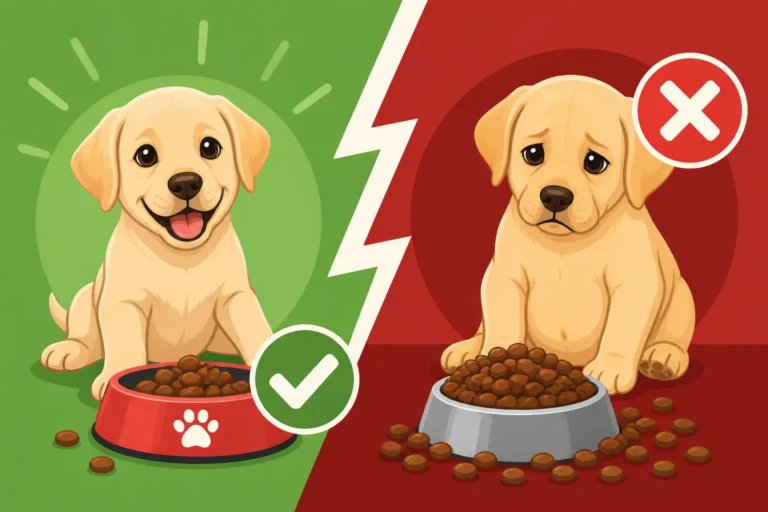
Feeding a Labrador Puppy Three Meals a Day
Bringing home a Labrador puppy is an incredibly exciting time, but it also comes with a lot of questions, especially around feeding. One of the most common worries new owners face is figuring out how often to feed their ravenous little bundle of joy without overdoing it or leaving them hungry. This guide will walk you through why feeding your Labrador puppy three meals a day is often the golden standard, how to set up that routine, and what to look for to ensure your furry friend is thriving.
Why Three Meals a Day is Ideal for Labrador Puppies
When you first bring home that bouncy, wiggly Labrador puppy, it’s easy to feel overwhelmed by all the advice out there. But when it comes to feeding, most veterinarians and experienced breeders will tell you that three meals a day is the sweet spot for young Labs. It's not just about filling their tummies; it's about supporting their intense growth, managing their energy, and even helping with that all-important potty training.
Supporting Growth and Development
Labrador puppies grow at an astonishing rate. They go from tiny, wobbly pups to sturdy, energetic adolescents in what feels like the blink of an eye. This rapid development demands a constant supply of nutrients and energy. Spreading their daily food allowance across three meals helps ensure their growing bodies get a steady stream of fuel throughout the day. If you were to give them all their food in one or two large servings, their digestive system might struggle to process it all efficiently, potentially leading to discomfort or reduced nutrient absorption. Think of it like a human toddler who grazes throughout the day rather than eating two massive adult-sized meals; their small stomachs and high energy levels benefit from more frequent, smaller portions.
Furthermore, feeding smaller meals means their digestive system isn't suddenly overwhelmed by a huge volume of food. This is particularly important for breeds prone to bloat, though puppies are less susceptible than adult dogs. It allows their bodies to break down food more thoroughly, absorbing all those vital proteins, fats, and carbohydrates necessary for building strong bones, muscles, and a healthy immune system. Ensuring consistent, adequate nutrition during this critical developmental phase is paramount for their long-term health. You want to avoid any extreme peaks and valleys in their caloric intake.
Maintaining Blood Sugar Levels
Labrador puppies are bundles of boundless energy, always exploring, playing, and learning. This high activity level means they burn through calories quickly. Just like children, puppies can experience dips in blood sugar if they go too long without food, which can lead to lethargy, grumpiness, or even more intense "zoomies" as their bodies try to compensate. Feeding three meals a day helps to stabilize their blood sugar levels, providing a more consistent energy supply. This means fewer dramatic energy crashes and a more even-keeled temperament throughout the day, making them easier to train and interact with.
A stable energy level also helps manage their enthusiastic play. Instead of experiencing extreme highs and lows, which can sometimes manifest as overly boisterous or even nippy behavior, a well-fed puppy tends to have a more sustained and manageable energy output. This contributes not only to their physical well-being but also to their behavioral development, as they learn to regulate their energy and focus better during training sessions. It's about setting them up for success, both metabolically and behaviorally, from the start.
Establishing a Routine and Potty Training
Beyond the nutritional benefits, feeding your Labrador puppy three times a day is an incredible tool for establishing a predictable daily routine. Puppies thrive on routine; it makes them feel secure, helps them understand what's expected of them, and critically, makes potty training infinitely easier. What goes in must come out, and usually on a fairly predictable schedule after eating. By feeding at consistent times – say, morning, midday, and evening – you can anticipate when your puppy will need to go outside. This allows you to proactively take them out, increasing the chances of successful potty breaks and fewer accidents in the house.
A consistent feeding schedule reinforces good habits and helps your puppy develop a sense of rhythm for their day. They learn that after breakfast, it’s time to go out; after lunch, another trip; and after dinner, one more before bed. This structure reduces anxiety because they know when to expect their next meal and subsequent potty break, eliminating much of the guesswork for both of you. It's a cornerstone of responsible puppy ownership, setting the stage for a well-adjusted and house-trained adult Labrador. Potty Training Schedule for a Labrador Puppy is a huge factor here, and feeding times are its backbone.
Setting Up Your Labrador Puppy's Feeding Schedule
Now that we understand why three meals are great, let's talk about the how. Setting up a practical and consistent feeding schedule for your Labrador puppy requires a bit of planning, but once you get into the rhythm, it becomes second nature. This section will guide you through typical feeding times, the importance of consistency, and when to consider transitioning away from three meals a day.
Typical Feeding Times and Portions
A common three-meal-a-day schedule often looks something like this: breakfast first thing in the morning, lunch around midday, and dinner in the early evening. For example, if you wake up at 6:00 AM, breakfast might be at 6:30 AM. Lunch could be around 12:00 PM to 1:00 PM, and dinner by 5:00 PM or 6:00 PM. This spacing allows ample time for digestion between meals and ensures your puppy isn't going too long without food or too close to bedtime, which could lead to nighttime accidents.
When it comes to portions, always refer to the feeding guide on your specific puppy food bag and consult with your veterinarian. These guides typically provide a recommended daily amount based on your puppy's age and weight. You then divide that total daily amount by three. For instance, if the bag recommends 3 cups per day, your puppy would get 1 cup per meal. Remember, these are guidelines, and individual puppies' needs can vary based on their activity level and metabolism. Using a kitchen scale to measure food accurately, especially when they are small, can be incredibly helpful to avoid over or underfeeding, ensuring they receive precise nutrition. Signs You Are Overfeeding a Labrador Puppy are important to watch for.
| Age of Puppy | Recommended Daily Meals | Example Schedule (Adjust to your routine) |
|---|---|---|
| 8 weeks – 6 months | 3 meals | 7:00 AM, 1:00 PM, 6:00 PM |
| 6 months – 12 months | 2-3 meals (transitioning) | 7:00 AM, 5:00 PM (or add small midday) |
| 12 months + | 2 meals | 7:00 AM, 6:00 PM |
Note: This table provides general guidance. Always follow your specific puppy food's instructions and your veterinarian's advice for exact portion sizes.
The Importance of Consistency
Consistency isn't just a buzzword in puppy training; it's the bedrock of a well-adjusted Labrador. Feeding at the same times each day, in the same designated feeding spot, creates predictability and minimizes stress for your puppy. They learn when to expect food, which can help reduce anxious begging or frantic behavior around meal times. If you're constantly changing when and where they eat, it can confuse them and make it harder for their digestive system to settle into a rhythm. This also ties into Crate Training a Labrador Puppy if you feed them in their crate or a specific area.
Furthermore, free feeding – leaving food out all day – is generally discouraged for Labradors. Their strong food drive means they are prone to overeating, which can lead to obesity and accelerated growth that's detrimental to their developing joints. Why Labradors Gain Weight So Easily is a real concern. Scheduled meals allow you to control portions precisely and monitor how much your puppy is actually eating, which is vital for spotting any changes in appetite that might signal a health issue. Using a slow-feeder bowl, readily available on sites like Chewy or Amazon, can also be a fantastic tool to prevent your Labrador from gulping their food too quickly, which helps with digestion and satiety.
When to Transition to Two Meals
As your Labrador puppy matures, their growth rate will slow down, and their metabolic needs will change. Most puppies are ready to transition from three meals a day to two somewhere between 6 to 12 months of age, though this isn't a hard and fast rule. Some larger or slower-maturing Labs might benefit from three meals a bit longer, while some smaller or faster-maturing individuals might be ready earlier. The key is to observe your puppy and consult your vet.
Signs your puppy might be ready for two meals include: consistently leaving some food behind at one of their meals (often the midday one), maintaining a healthy body condition, or showing less frantic hunger cues as they get older. When you do transition, do it gradually. You might start by slightly reducing the midday meal and increasing the morning and evening meals proportionally for a week or so, then eventually eliminating the midday meal entirely. This slow change minimizes digestive upset and allows your puppy to adjust comfortably to the new routine. The goal is to ensure they continue to receive their total daily caloric and nutritional needs spread across two substantial meals.
Choosing the Right Food and Monitoring Your Puppy's Health
Beyond the schedule, what you feed your Labrador puppy and how you monitor their overall health are just as crucial. Making informed choices about their diet and staying vigilant about their growth can prevent many common issues down the road, ensuring a strong foundation for a long, healthy life.
Selecting a Large Breed Puppy Formula
When you're browsing the aisles (or virtual aisles on Chewy or Amazon) for puppy food, you'll notice many options, but for a Labrador, a "large breed puppy formula" is almost always the way to go. These specialized foods are formulated with a carefully balanced nutrient profile, particularly concerning calcium and phosphorus levels, and a controlled calorie density. Why does this matter so much? Because rapid growth in large breeds like Labradors can put immense stress on their developing joints and bones, contributing to orthopedic problems like hip and elbow dysplasia later in life. How Fast Growth Damages a Labrador's Joints is a serious concern.
A good large breed puppy food helps to promote slow, steady growth rather than explosive gains. Look for foods that list meat (like chicken, beef, or lamb) as the first ingredient and avoid excessive fillers. While fresh food options like Ollie are gaining popularity and can be excellent, ensure they are nutritionally complete and balanced for large breed puppies, and always discuss them with your vet. Making a wise choice here sets the stage for healthy development and minimizes the risk of future joint issues.
Monitoring Growth and Body Condition
Regularly monitoring your Labrador puppy's growth and body condition is one of the most proactive things you can do for their health. It’s easy to assume a chunky puppy is a healthy puppy, but for Labs, a leaner build during their growth phase is far better for their joints. You should be able to easily feel your puppy's ribs without seeing them prominently, and they should have a discernible waistline when viewed from above and from the side. Checking a Labrador's Body Condition Score involves feeling along their sides and observing their shape.
Your veterinarian will also be a crucial partner in this. During regular check-ups, they'll weigh your puppy, assess their growth curve, and provide guidance on adjusting feeding amounts if necessary. Don't hesitate to ask them for their opinion on your puppy's body condition. Being proactive in keeping your Labrador puppy at an ideal, lean weight can significantly reduce their risk of developing conditions such as Labrador Hip and Elbow Dysplasia as they mature. It's not about making them skinny, but about keeping them perfectly conditioned for healthy development.
Avoiding Common Feeding Mistakes
One of the biggest mistakes new Labrador owners make is overfeeding. Those puppy dog eyes are hard to resist, and Labs are famous for acting perpetually starved. However, consistent overfeeding, even by a little, can quickly lead to excess weight, which strains joints and can contribute to other health problems over their lifetime. Why Labradors Begs After Eating is just part of their charm, but it doesn't mean they're actually hungry. Stick to the measured portions and resist the urge to top up the bowl. Remember, How Much Longer a Lean Labrador Lives is a testament to the importance of weight management.
Another common pitfall is giving too many treats or table scraps. While small, appropriate treats are great for training, they add calories that need to be accounted for. Many human foods are also outright dangerous for dogs, such as chocolate, grapes, onions, and anything containing xylitol. Always be mindful of Foods That Are Dangerous for Labradors and stick to Human Foods Safe for a Labrador in moderation, always calculating them into their daily caloric intake. If you're struggling with portion control, consider using part of your puppy's daily kibble ration as treats for training, so you're not adding extra calories. Making thoughtful choices now will pave the way for a healthier and happier life for your beloved Labrador.
Disclaimer
This article is for general informational purposes only and does not constitute professional advice. Laws, prices and regulations vary by location and change over time. Consult a qualified professional for guidance on your specific situation.