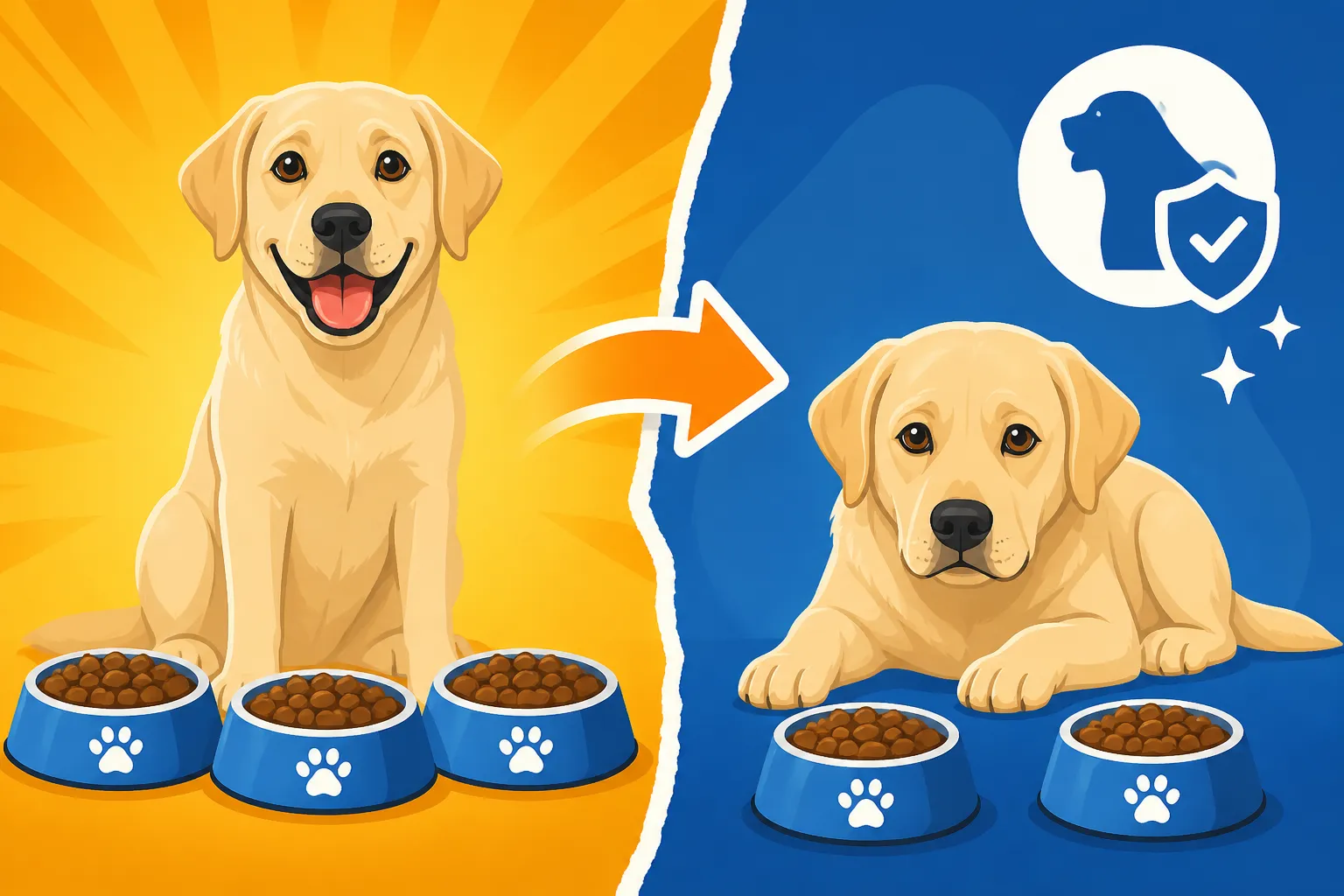
When a Labrador Drops to Two Meals
It’s a common moment for any Labrador owner: you’re meticulously following your puppy’s feeding schedule, measuring out those tiny, frequent meals, and then suddenly, you realize your little eating machine isn't quite so little anymore. The question inevitably pops into your head – when can I finally stop feeding them three or four times a day and simplify things? This can feel like a big step, moving away from that careful puppy routine, and it's normal to worry about doing it right. This guide is here to walk you through the signs, the science, and the sensible steps for transitioning your growing Labrador puppy from multiple meals to a healthy, happy two-meal-a-day schedule.
Understanding Your Labrador Puppy's Growth Stages and Nutritional Needs
Labrador puppies grow incredibly fast, and their nutritional needs change rapidly as they mature. What works for an eight-week-old tiny dynamo is definitely not what’s best for a gangly six-month-old who’s doubling in size every few weeks. Getting this transition right is about more than just convenience; it's about supporting their development and preventing future health issues.
The Rapid Growth of Early Puppyhood (8 Weeks to 4 Months)
In those first few months, your Labrador puppy is like a tiny, furry sponge, soaking up nutrients and expanding at an astonishing rate. Their metabolism is incredibly high, burning through calories just to fuel all that growth and boundless energy. Think about it: they're not just getting bigger; their bones are lengthening, their muscles are developing, and their internal organs are maturing. This rapid development requires a constant, steady supply of energy and nutrients.
Because their stomachs are still quite small, they can't consume enough food in one sitting to last them for many hours. That's why breeders and vets typically recommend feeding young Labrador puppies three to four smaller meals throughout the day. This approach ensures a consistent energy supply, prevents their blood sugar from dipping too low (though true hypoglycemia is rare in Labradors, it's a concern in smaller breeds), and helps their digestive system process food efficiently without being overwhelmed. It's all about meeting their intense demands in a way their little bodies can handle. Plus, those frequent meal times are wonderful opportunities for bonding and early training, reinforcing positive associations with you and their food. If you've been following a strict regimen of three meals, you know the rhythm of Feeding a Labrador Puppy Three Meals a Day.
The Transition Period: Middle Puppyhood (4-6 Months)
As your Labrador crosses the four-month mark and heads towards six months, you'll likely notice a subtle but significant shift. While they're still growing, the rate of that explosive early growth starts to stabilize a bit. Their digestive systems are maturing, becoming more robust and capable of handling larger quantities of food at one time. Their blood sugar regulation also becomes more stable, reducing the need for constant small top-ups of energy.
This period is often the sweet spot for considering a reduction in meal frequency. Their energy demands are still high, but they're better equipped to manage longer stretches between meals. You might start to notice that your puppy isn't quite as ravenous for their midday meal, perhaps leaving a few kibbles in the bowl or not greeting you with the same frantic enthusiasm. These are often early indicators that their body is becoming more efficient at nutrient absorption and energy utilization. However, it’s not a race; every puppy is an individual, and the timing can vary. The goal is to make this transition smoothly, ensuring they continue to get all the calories and nutrients they need for healthy development without overwhelming their system or causing digestive upset.
Signs Your Labrador Is Ready for Fewer Meals
Knowing when to make the switch is the tricky part. It's not just about a calendar date; it's about observing your individual Labrador and understanding their unique cues. Pushing the change too soon can lead to digestive issues or make your pup feel perpetually hungry, while waiting too long might just be unnecessary for both of you.
Behavioral Cues to Look For
Your Labrador is constantly communicating with you, and mealtime is no exception. Pay close attention to their behavior around food. If your puppy is still inhaling every meal in seconds flat, looking for more, and acting like they haven't eaten in days, they might not be ready. However, if you start to see them slowing down at their second or third meal, maybe not finishing it completely, or taking a break from eating only to return later, these are strong signals. They might even wander off for a play session before circling back to their bowl, something a truly starving young pup would never do!
Another good indicator is their overall energy level. Are they maintaining consistent energy throughout the day, or do they seem to have energy dips between meals? If their energy is stable and they're not showing signs of lethargy or excessive hunger an hour or two before their next scheduled feeding, it suggests their current meal structure is providing adequate sustenance. You also want to ensure their digestive system is happy. Are their stools consistent and healthy? Any sudden changes to stool quality during a transition could mean it's too abrupt or not the right time. For example, if you're trying to figure out Signs You Are Overfeeding a Labrador Puppy, a good indicator is often loose stools and discomfort.
Age and Weight Guidelines
While behavioral cues are primary, age and weight provide a helpful framework. Generally, most Labrador puppies are ready to transition from three meals a day to two somewhere between four and six months of age. Some may be ready slightly earlier, others a bit later. By this age, their growth plates are still open, but the most intense, rapid phase of growth is usually behind them. This is a critical period where careful feeding is still important to prevent How Fast Growth Damages a Labrador's Joints.
It’s always a good idea to chat with your veterinarian about the best time for your specific Labrador. They can assess your pup's body condition score, growth rate, and overall health to give you personalized advice. They can also confirm that your puppy is at a healthy weight and growing at an appropriate pace, not too fast or too slow. For example, a three-month-old Labrador will still be in that higher frequency feeding stage, and you'll be focused on Cups of Food a Three Month Labrador Needs rather than reducing meals. Remember, the goal isn't to rush them to adult feeding, but to adjust to their natural developmental pace.
The Process of Transitioning to Two Meals a Day
Once you've determined your Labrador is showing the signs of readiness, the actual transition needs to be handled with care. Rushing it can cause digestive upset or stress for your pup, making future feeding changes more challenging. Gradual is always the way to go when it comes to dietary shifts for dogs.
Gradual Reduction is Key
The core principle here is to slowly eliminate one meal while ensuring the total daily caloric intake remains the same. You're not feeding less food, just spreading the same amount over fewer meals. Let's say your Labrador is currently eating three meals a day. You'll likely want to cut out the midday meal first.
Here’s a common approach: For about a week, redistribute a third of the midday meal's portion into the morning meal, and another third into the evening meal. The remaining third of the midday meal can be offered at the usual time, but as a smaller, transitional snack. Over the next week, slowly reduce that midday snack until it's completely gone, with its calories fully absorbed into the morning and evening meals.
For example, if your pup currently eats 1 cup of food at 7 AM, 12 PM, and 5 PM (3 cups total):
- Week 1: Feed 1.33 cups at 7 AM, 0.33 cups at 12 PM, and 1.33 cups at 5 PM.
- Week 2: Feed 1.5 cups at 7 AM, and 1.5 cups at 5 PM.
Throughout this process, observe your Labrador closely. Are they still eating with good appetite? Are their stools normal? Do they seem satisfied after meals? This is also the time to keep an eye on their weight and energy levels. If you notice any issues, slow down the transition or revert to the previous schedule for a few days before trying again. The goal is a seamless shift to When a Labrador Moves to Adult Food.
What to Watch Out For During the Transition
Monitoring your Labrador during this dietary change is crucial. The primary concern is digestive upset. Any sudden change in food volume or schedule can sometimes lead to loose stools or vomiting. If this happens, it’s usually a sign you've moved too quickly. Revert to the previous feeding schedule for a day or two until their system settles, then try again at a slower pace. You might consider adding a probiotic supplement during the transition, easily found on sites like Chewy or Amazon, to support their gut health.
Beyond digestion, watch for signs of excessive hunger or anxiety around food. While Labradors are famously food-motivated, a truly hungry pup might start scavenging more, trying to steal food off counters, or exhibiting heightened begging behaviors. This could mean they're genuinely not getting enough food, or the new schedule isn't suiting their metabolism. Conversely, if they're leaving food in their bowl even with two meals, it might be time to slightly adjust the total daily amount, especially if they’re getting to the point of consuming the full Daily Cups for a Seventy Pound Labrador. Lastly, consistency is your friend. Try to stick to the same two meal times each day. Dogs thrive on routine, and predictable mealtimes help their bodies adjust and anticipate food delivery.
Maintaining a Healthy Feeding Schedule Long-Term
Once your Labrador is comfortably on a two-meal-a-day schedule, you'll find it's often the best setup for their adult life. This frequency strikes a good balance: it provides consistent energy without leaving them excessively hungry, and it helps manage satiety, which is a big deal for a breed as food-driven as the Labrador. Many adult Labradors thrive on this schedule for the rest of their lives, adjusting portions as needed based on activity levels and age.
One significant benefit of two meals over one large meal is the reduced risk of bloat, or Gastric Dilatation-Volvulus (GDV). Labradors, being a deep-chested breed, are unfortunately at a higher risk for this life-threatening condition. Feeding two smaller meals instead of one large one helps prevent the stomach from becoming overly distended, which is a contributing factor to bloat. You can dive deeper into this risk and preventative measures by reading Bloat Risk and Deep Chests. Some owners even choose a preventative surgery called gastropexy, which you can learn about in Whether a Labrador Should Have a Gastropexy. To further mitigate rapid eating, consider using slow feeder bowls. Brands like Outward Hound, available widely on Amazon and Chewy, offer excellent options that make mealtime a puzzle and significantly slow down gobbling. Consistency in feeding times also remains important; dogs benefit from knowing when to expect their meals. This routine contributes to their overall well-being and sense of security.
Common Misconceptions and Troubleshooting
Even with the best intentions, questions and challenges can arise when adjusting your Labrador's feeding schedule. It's easy to second-guess yourself, especially when dealing with a breed so famously obsessed with food!
My Labrador Still Acts Starving!
Ah, the classic Labrador dilemma! You've just fed them a substantial meal, and within minutes, they're looking at you with those soulful eyes, acting like they haven't eaten in weeks. This is less about genuine starvation and more about the Labrador's inherent love for food and their uncanny ability to manipulate us. It's important to remember that Labradors are genetically predisposed to being food-motivated; a significant portion of them carry a gene that makes them feel less full, leading to that constant hunger drive. This fascinating genetic quirk is explored in Why a Quarter of Labradors Overeat by Genetics.
So, how do you handle it? First, trust the portion sizes recommended by your vet and the food manufacturer. Don't be swayed by those sad eyes to offer more food. Instead, redirect their attention. Engage them in a play session, give them a long-lasting chew toy (ensure it's appropriate for their age and size), or try out puzzle feeders for their meals. These tools, often found on Amazon or Chewy, can make eating a slower, more engaging activity, satisfying their drive to "work" for food. Another helpful read is Why a Labrador Begs After Eating, which offers strategies for managing this common behavior without overfeeding. Consistency is key here; if you sometimes give in to begging, you're inadvertently teaching them that persistence pays off.
Concerns About Bloat and One Meal a Day
It's natural to worry about bloat, especially when you have a deep-chested breed like a Labrador. While feeding two meals a day significantly reduces the risk compared to one large meal, some owners still consider feeding just once daily. From a veterinary and behavioral standpoint, this is generally not recommended for Labradors.
A single, large meal requires the stomach to distend more significantly, which is a known risk factor for bloat. Furthermore, a single meal can leave your Labrador feeling overly hungry for extended periods, potentially leading to frantic eating when the food finally arrives – another factor that increases bloat risk. Frantic eating can also introduce more air into the stomach. Beyond the physical risks, feeling constantly hungry isn't great for your Labrador's mental well-being or your household harmony. It can exacerbate begging, counter-surfing, and general food-seeking behaviors. Sticking to two balanced meals provides a better satiety curve, more consistent energy, and a safer approach overall. To make those two meals last longer and be safer, consider Slow Feeder Bowls for a Gulping Labrador.
When to Seek Veterinary Advice
While transitioning to two meals is a common and usually straightforward step, there are definitely times when it's best to consult your vet. If at any point during or after the transition you notice persistent digestive upset, such as diarrhea, constipation, or repeated vomiting, it’s time to call the vet. These aren't normal parts of a smooth transition. Similarly, if your Labrador seems lethargic, withdrawn, or has a sudden loss of appetite, these could be signs of an underlying issue that needs professional attention.
Significant changes in weight, either losing too much or gaining too rapidly, are also red flags. While Labradors are prone to weight gain, it's essential to ensure their diet is balanced and appropriate. If your pup consistently acts ravenously hungry despite adequate portions and a two-meal schedule, or if they develop new, intense food-related anxieties, your vet can help rule out medical causes or refer you to a veterinary behaviorist. Remember, you're investing a lot into your Labrador's health, from daily care to the general What a Labrador Costs a Month All In. Don't hesitate to use that professional resource. As your Labrador ages, their needs may shift again, and discussing Caring for a Senior Labrador with your vet will become increasingly important.
Disclaimer
This article is for general informational purposes only and does not constitute professional advice. Laws, prices and regulations vary by location and change over time. Consult a qualified professional for guidance on your specific situation.