Which Brush Works on a Labrador Coat
Oh, the joy of owning a Labrador! And with that joy often comes… hair. Lots and lots of hair. If you've ever felt like your home is slowly being redecorated with a fine layer of Labrador fluff, or found yourself wondering if there's any brush out there that can actually keep up with your furry friend's magnificent coat, you're not alone. This guide is here to walk you through the very best tools and techniques to conquer the shedding beast and keep your Labrador's coat healthy, shiny, and (mostly) under control.
Understanding the Labrador Double Coat
Before we dive into the arsenal of brushes, it’s crucial to understand what makes a Labrador's coat so special, and frankly, so prone to shedding. Our Labs, whether they're Black, Yellow and Chocolate in the Standard or those beautiful Fox Reds, possess a classic double coat – a marvel of natural engineering designed for their original purpose as water retrievers. This dual-layer system is what kept their ancestors warm and dry in the icy waters of Newfoundland, but it's also the reason our vacuum cleaners work overtime.
The Outer Guard Coat
The outer layer, often called the guard coat, consists of short, straight, dense, and slightly coarse hairs. These aren't just for looks; they're the first line of defense against the elements. They're naturally water-repellent, helping water bead up and roll right off, preventing it from soaking down to the skin. Think of it like a natural raincoat. This layer also protects against minor scrapes and scratches when your Lab is crashing through bushes after a tennis ball or exploring dense cover.
Because these hairs are so robust, they tend to shed out individually throughout the year. While they don't contribute as much to the tumbleweeds of fur as the undercoat, they still make their presence known. Regular brushing helps to remove these loose guard hairs before they find their way onto your sofa or favorite black trousers.
The Dense Undercoat
Beneath that resilient guard coat lies the true culprit of the shedding season: a soft, downy, incredibly dense undercoat. This layer acts like a built-in insulated blanket, providing warmth in cold water and cold weather. It's packed tightly, especially around the neck, chest, and hindquarters, where extra insulation is needed most.
The undercoat is designed to thicken in winter and then shed out in massive quantities when the weather warms up, a process often referred to as "blowing coat." This seasonal shedding can be truly astonishing, turning your otherwise neat home into a hairy wonderland overnight. Without proper grooming, this loose undercoat can become matted, trap dirt, and even hinder temperature regulation, making your Lab uncomfortable. Managing this undercoat is the primary goal of any effective Labrador brushing routine.
Seasonal Shedding vs. Year-Round Hair
It's important to differentiate between the Labrador's natural coat cycle. Your Lab will shed a moderate amount of hair throughout the year, a steady trickle that's part of normal hair turnover. This is those individual guard hairs and some lighter undercoat. This is why How Often to Brush a Labrador is a common question, and the answer is "often!"
However, the real event is the "coat blow," which typically happens twice a year – once in spring to shed the thick winter undercoat, and again in the fall to prepare for a new, thicker winter coat. During these periods, the amount of hair coming off your dog can be truly epic. This is when you'll need to step up your grooming game significantly, often brushing daily to help them shed out all that dead undercoat. It’s during these times that specialized deshedding tools really earn their keep.
Essential Brushes for a Labrador's Coat
Navigating the pet store aisle for brushes can be overwhelming. There are so many shapes, sizes, and claims! But for a Labrador, we’re looking for a few key tools that work synergistically to tackle both layers of their unique double coat. Having the right tools makes all the difference, transforming a chore into a quick, effective bonding experience.
The Deshedding Tool (e.g., Furminator-style)
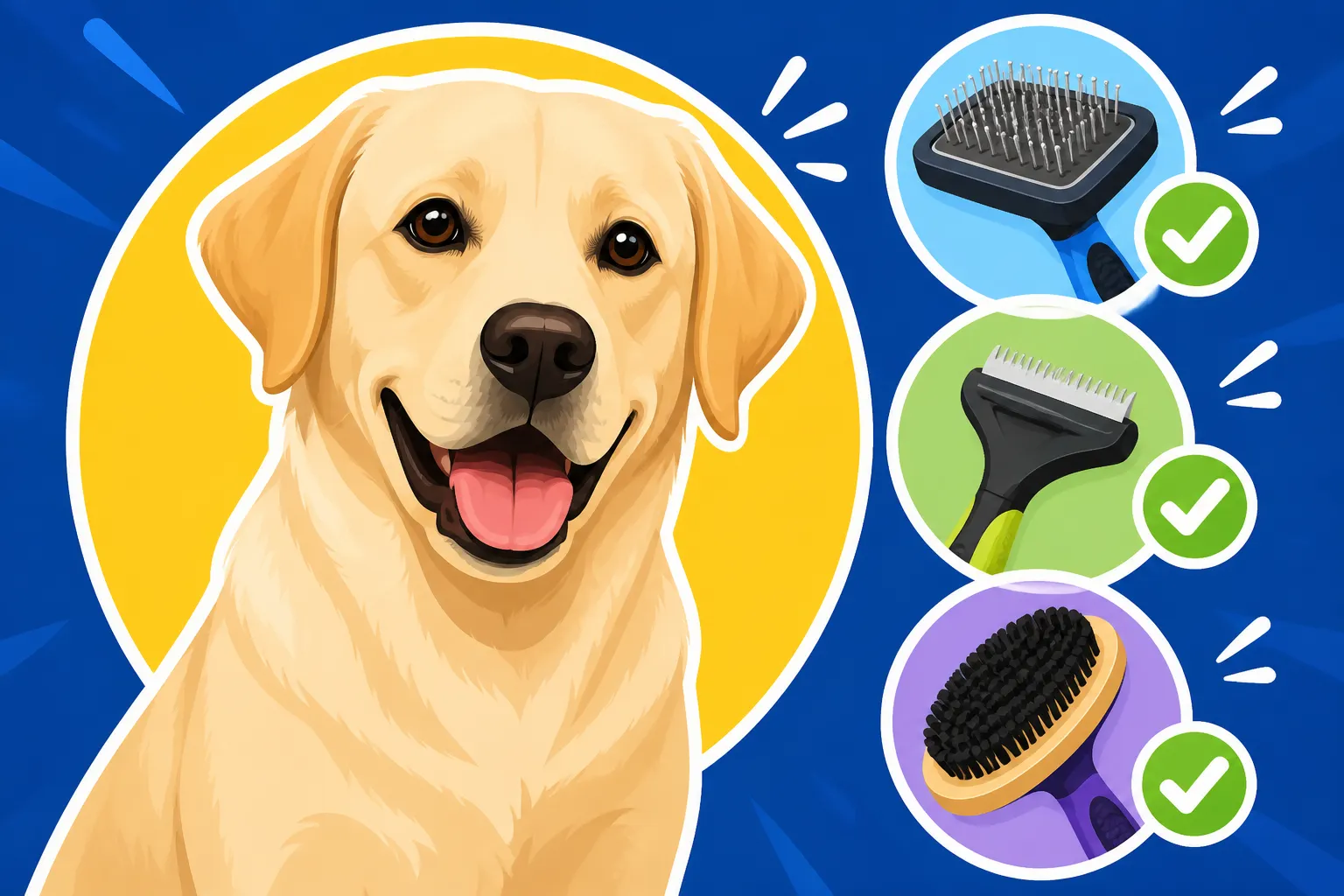
This is often considered the MVP of Labrador grooming, especially during seasonal coat blows. These tools, often recognized by their fine-toothed metal comb attached to a handle, are specifically designed to reach through the guard coat and gently pull out the loose, dead undercoat without cutting the healthy topcoat.
How it works: The short, sharp teeth are spaced precisely to grab onto the fine undercoat hairs that are no longer attached to the follicle. When used correctly, it removes an incredible amount of loose hair that would otherwise end up on your floors, clothes, and furniture. If you’ve never used one, prepare to be amazed (and maybe a little shocked) by the sheer volume of hair that comes off your dog! You can easily find various brands of deshedding tools on online marketplaces like Amazon or specialized pet supply retailers like Chewy.
Pros: Unrivaled effectiveness in removing shedding undercoat. Significantly reduces the amount of hair shed in the house.
Cons: Can be harsh if used improperly. Over-brushing with a deshedding tool can irritate the skin or even cut the guard hairs, potentially damaging the coat over time. It’s crucial to use it sparingly – perhaps once or twice a week during heavy shedding, and less frequently during off-seasons – and always with a light touch. Never apply too much pressure, and stop if you see any redness or irritation on your dog's skin.
The Slicker Brush
While the deshedding tool targets the undercoat, the slicker brush is excellent for the general maintenance of the topcoat and for tackling surface tangles. These brushes typically have a flat or curved head covered in fine, short wires angled at slightly different directions.
How it works: The wire pins gently separate the hairs, removing loose fur, dirt, and minor mats from the outer coat. It’s great for regular, everyday brushing to keep your Lab looking neat and tidy. It also helps to smooth the guard hairs, leaving the coat shiny. While Labs aren't known for extensive matting, especially with their short coats, a slicker brush can help prevent any minor knots that might develop behind the ears or on the hindquarters.
When to use it: A slicker brush is perfect for daily or every-other-day brushing sessions. It's less aggressive than a deshedding tool and can be used more frequently to keep on top of the year-round shedding. It’s also a good choice to use before a deshedding tool to remove any superficial debris and ensure the coat is free of major tangles.
The Rubber Curry Brush (or Grooming Mitt)
This is a fantastic all-around tool, particularly for short-coated breeds like Labradors. Rubber curry brushes have soft, flexible rubber nubs that massage the skin while effectively grabbing loose hair. Grooming mitts offer a similar function but are worn like a glove, giving you more direct contact and control.
How it works: The rubber nubs stimulate circulation in the skin, which promotes a healthy coat. They also do an excellent job of dislodging loose hair, dirt, and dander, bringing it to the surface where it can be easily wiped away or followed up with another brush. They’re especially wonderful for use during bath time, helping shampoo penetrate and scrubbing away loose fur. A thorough scrub with a rubber curry brush while your Lab is sudsy will loosen a surprising amount of hair.
When to use it: You can use a rubber curry brush daily, or even several times a week, as it's very gentle. It’s a great choice for puppies to get them accustomed to grooming, and for older Labs who might appreciate the gentle massage. For Labs who love to swim, using a rubber curry brush after drying helps to remove any residual grime from the water and keep their coat in top condition. Drying a Labrador's Ears After the Lake is important, and so is a good coat brush after a swim!
The Bristle Brush
A bristle brush is more of a finishing tool for Labradors. It typically has natural or synthetic bristles closely packed together.
How it works: The primary function of a bristle brush is to smooth the coat, distribute natural oils from the skin across the hair shafts, and add a final shine. It won't remove large quantities of loose hair, but it's excellent for making your Lab look their absolute best after a good grooming session. It helps to give that healthy, gleaming finish that we all love in a Labrador's coat.
When to use it: Use a bristle brush as the last step in your grooming routine. It’s particularly useful if you’re heading out or just want to give your Lab a quick tidying up. It’s a gentle way to bond and leave their coat feeling soft and looking lustrous.
How to Brush Your Labrador Effectively
Having the right brushes is only half the battle; knowing how to use them effectively and consistently is key. A proper brushing routine not only manages shedding but also keeps your Labrador's skin healthy, allows you to check for lumps or skin issues, and strengthens your bond.
Establishing a Routine
Consistency is paramount when it comes to grooming a Labrador. Rather than waiting for massive hair explosions, aim for regular, shorter brushing sessions. For most Labs, 10-15 minutes a few times a week is a good starting point. During the peak shedding seasons (spring and fall, when they are "blowing coat"), you might need to brush daily, especially with a deshedding tool, to keep up with the sheer volume of hair.
Think about incorporating brushing into your daily rhythm, perhaps after their morning walk or in the evening while you’re relaxing. Establishing a predictable routine helps your Labrador understand what to expect and often makes them more cooperative. It can become a calm, pleasant interaction rather than a wrestle.
Step-by-Step Brushing Guide
Here’s a simple, effective routine you can follow:
- Prepare Your Space: Choose a quiet, comfortable spot where you both can relax. Lay down a blanket or towel to catch the hair, especially if you're inside. Have your chosen brushes, a pile of tasty treats (many owners find high-value, healthy treats from sources like Ollie or Chewy to be excellent motivators), and perhaps a damp cloth handy.
- Start with the Slicker or Curry Brush: Begin by gently going over your Lab's entire body with a slicker brush or a rubber curry brush. Use long, even strokes in the direction of hair growth. This first pass helps to remove any superficial dirt, debris, and loose hairs from the topcoat, and it also helps to loosen up the undercoat. This is a gentle warm-up for your dog and for their coat.
- Introduce the Deshedding Tool (Carefully): Once the topcoat is clear, bring out your deshedding tool. Use short, light strokes, again following the direction of hair growth. Crucially, do not press down hard. Let the tool do the work. Focus on areas where the undercoat is thickest – around the neck, chest, back, and hindquarters. Avoid sensitive areas like the belly or behind the ears, which are typically thinner-coated. Collect the removed hair frequently; you'll be amazed by how much comes off. Limit deshedding sessions to 10-15 minutes, and if you see any skin irritation, stop immediately.
- Finish with the Bristle Brush: After you've removed the bulk of the loose hair with the deshedding tool (or if you're just doing a light, everyday brush), use the bristle brush. This step smooths the coat, distributes natural oils, and adds that lovely shine. It also feels good for your dog, like a gentle massage.
- Praise and Reward: Throughout the process, offer soft praise and occasional treats. End the session on a positive note with plenty of affection and a final reward.
Making Brushing a Positive Experience
For some Labs, especially puppies, brushing can be a bit intimidating at first. The key is positive reinforcement.
- Start Young: Introduce brushing to your Labrador puppy early on. Keep sessions short, fun, and filled with treats. Even just a few gentle strokes followed by a reward can build a positive association.
- Use High-Value Treats: Those special treats your Lab absolutely loves can work wonders. Every time they tolerate a brush stroke, offer a tiny piece.
- Be Patient and Gentle: Never force your dog. If they show signs of stress or discomfort, take a break. Try again later with an even gentler approach. Build up duration gradually.
- Watch for Body Language: Pay attention to your Lab's cues. Are they relaxing, or tensing up? Are their ears back? Are they trying to move away? Adjust your technique or take a break if needed. Your goal is for them to associate brushing with comfort and positive attention. This is part of Training a Labrador From Puppy to Adult and should be a pleasant routine.
Beyond the Brush: Other Grooming Essentials
While brushes are critical, a comprehensive grooming strategy for your Labrador involves a few other elements to ensure their coat and skin stay in prime condition. It’s all part of keeping your active retriever happy and healthy.
Bathing and Drying
Bathing plays a significant role in managing shedding, especially during a coat blow. A good bath, particularly with a deshedding shampoo, can help loosen and wash away a huge amount of dead undercoat. The trick is to really work the shampoo down to the skin, massage it in, and then rinse thoroughly.
Drying is equally important. A wet undercoat can lead to skin irritation or even hot spots if not dried properly. Towel dry vigorously, and consider using a high-velocity pet dryer (if your dog tolerates it) to blast out even more loose hair and ensure their coat is completely dry down to the skin. If using a human hairdryer, always use a cool setting to avoid burning your dog's skin. After a bath, you'll be surprised how much more hair comes out with a brush! For more on this, you might find Bathing a Labrador Retriever helpful.
Diet and Coat Health
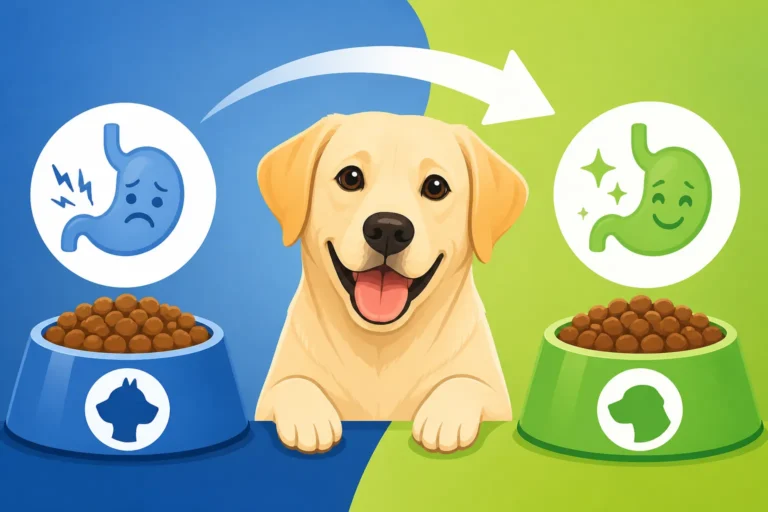
What goes into your Labrador absolutely shows on the outside, particularly in their coat. A high-quality diet rich in essential fatty acids (like Omega-3 and Omega-6) is fundamental for a healthy, shiny coat and supple skin. Look for dog foods that list real meat as the first ingredient and contain sources of these beneficial fats, such as fish oil or flaxseed.
A dull, dry, or excessively flaky coat can sometimes be a sign of nutritional deficiencies or even allergies. If you're concerned about your Lab's coat health, discuss their diet with your veterinarian. They can advise on suitable food choices or supplements. Remember, Choosing Dog Food for a Labrador Retriever is a big decision that impacts their overall well-being.
When to Seek Professional Grooming
While Labradors are generally considered low-maintenance in terms of grooming compared to long-haired breeds, there are times when a professional groomer can be a huge asset.
- Heavy Shedding: During extreme coat blows, a professional groomer has specialized tools, high-velocity dryers, and expertise to perform a "deshedding treatment" that can remove significantly more loose hair than you might manage at home. This can be a lifesaver for your vacuum and your sanity!
- Skin Issues: If your Labrador develops persistent skin irritation, excessive scratching, or unusual lumps and bumps, a groomer might spot these issues, but your first stop should always be the vet. However, sometimes skin issues can be exacerbated by poor grooming or a buildup of dander, and a professional can offer a fresh perspective.
- Nail Trimming: Some Labs are resistant to nail trims. While Nail Trimming a Labrador Who Resists is a skill you can learn, some owners prefer to leave this to the professionals, either at a groomer or the vet, to ensure it's done safely and effectively.
| Brush Type | Primary Function | Ideal For | Usage Frequency | Notes |
|---|---|---|---|---|
| Deshedding Tool | Removing loose undercoat | Seasonal coat blows, heavy shedding | 1-2 times/week during heavy shed; less otherwise | Use light pressure; can irritate skin if overused. |
| Slicker Brush | Removing surface hair, detangling light mats | Regular maintenance, before deshedding tool, short daily sessions | Daily to every other day | Good for overall neatness and removing general debris. |
| Rubber Curry Brush | Massaging skin, stimulating circulation, loosening hair | Daily gentle grooming, bath time, puppies, older Labs, post-swim | Daily | Great for stimulating oils and deep cleaning during baths; very gentle. |
| Bristle Brush | Smoothing coat, distributing oils, adding shine | Finishing touch after other brushes, light daily tidying | Daily | Not for removing bulk hair, but for coat health and shine. |
Taking good care of your Labrador's coat is about more than just aesthetics; it's about their comfort, health, and well-being. With the right tools and a consistent routine, you can keep the shedding manageable and your furry companion looking and feeling their best. And that, my friends, is a win-win for everyone in the household!
Disclaimer
This article is for general informational purposes only and does not constitute professional advice. Laws, prices and regulations vary by location and change over time. Consult a qualified professional for guidance on your specific situation.