Ear Cleaner Safe for a Labrador
Labradors, bless their big, floppy ears and their unwavering love for water, are practically begging for ear problems if we're not diligent. It's a common frustration for so many of us Labrador parents: you spend a wonderful afternoon at the lake or in the backyard pool, only to find your furry friend scratching at their ears a day or two later. The warm, dark, and often moist environment inside their ear canal is a perfect breeding ground for bacteria and yeast, leading to uncomfortable and sometimes painful infections. This guide is here to walk you through everything you need to know about choosing an ear cleaner that's not only safe for your beloved Labrador but also effective in preventing those irritating ear troubles before they even start. We'll dive deep into what to look for, what to avoid, and how to properly care for those adorable, but problematic, ears.
Why Labrador Ears Are Prone to Trouble and What to Look For
Labradors are designed for retrieving, especially from water, and their ears, while certainly cute, are a bit of a double-edged sword when it comes to hygiene. Understanding their unique ear anatomy and recognizing early signs of trouble are the first steps to keeping them healthy and happy.
The Anatomy of a Labrador Ear
Unlike breeds with pricked ears that allow for more airflow, a Labrador's ear flap hangs down, covering the opening of the ear canal. This creates a warm, humid, and poorly ventilated environment—a veritable sauna for microbes. Think about it: after a refreshing dip in the lake, that moisture gets trapped, and without proper drying, it just sits there, inviting trouble. This anatomical feature is a primary reason why Labrador Ear Infections and Swimming is such a common issue for our water-loving companions.
Beyond the floppy exterior, the internal structure of a Labrador's ear canal is also unique. It's not a straight shot like ours; instead, it has a distinct "L" shape. There's a vertical canal that runs down and then a horizontal canal that turns inwards towards the eardrum. This bend makes it incredibly difficult for debris, wax, and water to drain out naturally. Gravity, which would help in an upright ear, actually works against them here. This combination of a covered opening and a winding, poorly ventilated canal means that whatever gets in there, whether it's water, dirt, or pollen, has a tendency to stay put.
This anatomical setup is precisely why so many Labradors are prone to recurrent ear infections. It’s not a sign of poor hygiene on your part, but rather a predisposition built right into their genetics and breed characteristics. Understanding this fundamental aspect helps us realize why proactive care is so much more effective than simply reacting to an infection once it's already set in. Without diligent cleaning and drying, especially for a water-loving breed, you're practically rolling out the welcome mat for bacterial or yeast overgrowth. It's truly a common frustration, and knowing the "why" behind it helps us better prepare.
Common Signs of Ear Problems
Catching an ear problem early can make a huge difference in your Labrador's comfort and the ease of treatment. Sometimes, the first sign is subtle, like a bit more head tilting than usual, or perhaps a slight change in their usually enthusiastic greeting. But often, the signs become more obvious and increasingly uncomfortable for your dog. You might notice your Labrador shaking their head with more frequency and vigor, or relentlessly scratching at their ear with a back paw. Sometimes, they'll even try to rub their ear along furniture or the ground to alleviate the itch.
A closer inspection might reveal a reddish hue inside the ear flap or visible discharge. This discharge can vary in appearance: it might be dark and waxy, yellow and pus-like, or even appear crusty. Along with discharge, a distinctive odor is often present – sometimes yeasty, sometimes foul and putrid. If you gently touch your Labrador's ear, they might flinch, pull away, or even yelp, indicating pain or tenderness. Swelling around the ear canal opening is another red flag, making the ear look puffy or inflamed.
Ignoring these signs is never a good idea, as ear infections can quickly escalate from uncomfortable to excruciating. Left untreated, they can lead to more serious issues like hematomas (a blood blister from excessive scratching) or even affect their hearing and balance. Knowing When a Labrador Ear Needs a Vet Not a Wipe is crucial, as some infections require prescription medication, not just a cleaning solution. Always trust your gut; if something seems off with your Labrador's ears, it's worth a closer look and potentially a vet visit. You know your dog best, and their comfort is paramount.
Understanding What Makes an Ear Cleaner Safe and Effective
When choosing an ear cleaner for your beloved Labrador, it's not just about getting any cleaner. It's about finding one that works harmoniously with their delicate ear environment.
Key Ingredients to Look For and Avoid
When you're sifting through the seemingly endless options for ear cleaners, it can feel like navigating a chemistry lab. The goal is to find a cleaner that gently cleans, dries, and acidifies the ear canal without causing irritation. Look for ingredients that offer mild antiseptic properties to discourage microbial growth. Boric acid and salicylic acid are two common, effective ingredients in this category. They help to create an environment in the ear that is less hospitable to yeast and bacteria, without being overly harsh on the delicate skin.
Drying agents are also crucial, especially for our water-loving Labs. Ingredients like isopropyl alcohol or witch hazel can help evaporate residual moisture, but they need to be balanced with soothing components. Too much alcohol can dry out and irritate the ear, leading to more problems. Therefore, also seek out soothing agents such as aloe vera, chamomile, or calendula extracts. These ingredients help to calm inflamed skin and prevent irritation, which is particularly important if your Labrador already has sensitive ears or is prone to allergies. A good cleaner aims to strike a balance between cleaning, drying, and soothing.
Conversely, there are ingredients you should actively avoid. Strong fragrances, often added to mask odors, can be highly irritating to a dog's sensitive ear canal and can even trigger allergic reactions. Avoid anything with harsh detergents, peroxides (unless specifically directed by a vet for a very particular issue), or anything that feels overly aggressive. If a cleaner burns your skin, imagine what it might do to the delicate lining of your Labrador's ear. Always read the ingredient list carefully. If you're unsure about a specific cleaner, a quick chat with your vet can provide clarity. Many reputable brands offer effective and gentle solutions; you can often find them readily available at places like Chewy or on Amazon, but always check those ingredient labels.
The Importance of pH Balance
The internal environment of your Labrador's ear canal, like many parts of their body, has a specific pH balance that helps maintain healthy skin and discourage the overgrowth of harmful microorganisms. Typically, a dog's ear canal is slightly more acidic than human skin. When this natural pH balance is disrupted, it can make the ear more susceptible to infections. An ear cleaner that is too alkaline, for example, can create an ideal breeding ground for bacteria and yeast, essentially undoing your good intentions.
That's why choosing a pH-balanced ear cleaner is so important. These solutions are formulated to match or support the natural acidity of your dog's ear canal, helping to restore or maintain a healthy microbial balance. They work with your dog's physiology rather than against it. Using a product that isn't pH-balanced can lead to dryness, irritation, and even further inflammation, making your Labrador even more uncomfortable and potentially exacerbating any existing issues.
When selecting a cleaner, look for explicit mentions of "pH-balanced" on the label. If it's not stated, it's often safer to assume it might not be, or to consult your veterinarian for recommendations. While a product like Ollie's fresh food might be fantastic for their diet, remember that ear care requires specialized formulations designed for that particular, delicate environment. Investing in a quality, pH-balanced ear cleaner is a small but significant step in maintaining your Labrador's long-term ear health and preventing those frustrating, recurring infections. It's all about creating an inhospitable environment for the bad stuff, and a comfortable one for your dog.
Here's a quick overview of common safe ingredients and their benefits:
| Ingredient Category | Example Ingredients | Primary Role in Ear Cleaner | Important Considerations |
|---|---|---|---|
| Antiseptic/Acidifier | Boric Acid, Salicylic Acid | Helps create an acidic environment, discourages bacterial and yeast growth | Mild, effective, but can be irritating in high concentrations. |
| Drying Agents | Isopropyl Alcohol, Witch Hazel | Helps evaporate moisture from the ear canal | Use in moderation; too much can dry out and irritate the ear. |
| Soothing Agents | Aloe Vera, Chamomile, Calendula Extract | Calms inflammation, reduces irritation, promotes healing | Counteracts potential dryness; good for sensitive ears. |
| Surfactants/Cleansers | Propylene Glycol, Dioctyl Sodium Sulfosuccinate (DSS) | Loosens and emulsifies wax and debris for easier removal | Helps solution penetrate and break down buildup. |
| pH Balancers | Lactic Acid, Citric Acid | Maintains the natural, slightly acidic pH of the ear canal | Crucial for preventing microbial overgrowth. |
Step-by-Step Guide to Cleaning Your Labrador's Ears Properly
Once you've chosen a safe and effective ear cleaner, the next hurdle is actually getting the job done! With the right approach and a bit of patience, you can make ear cleaning a positive experience for both of you.
Gathering Your Supplies
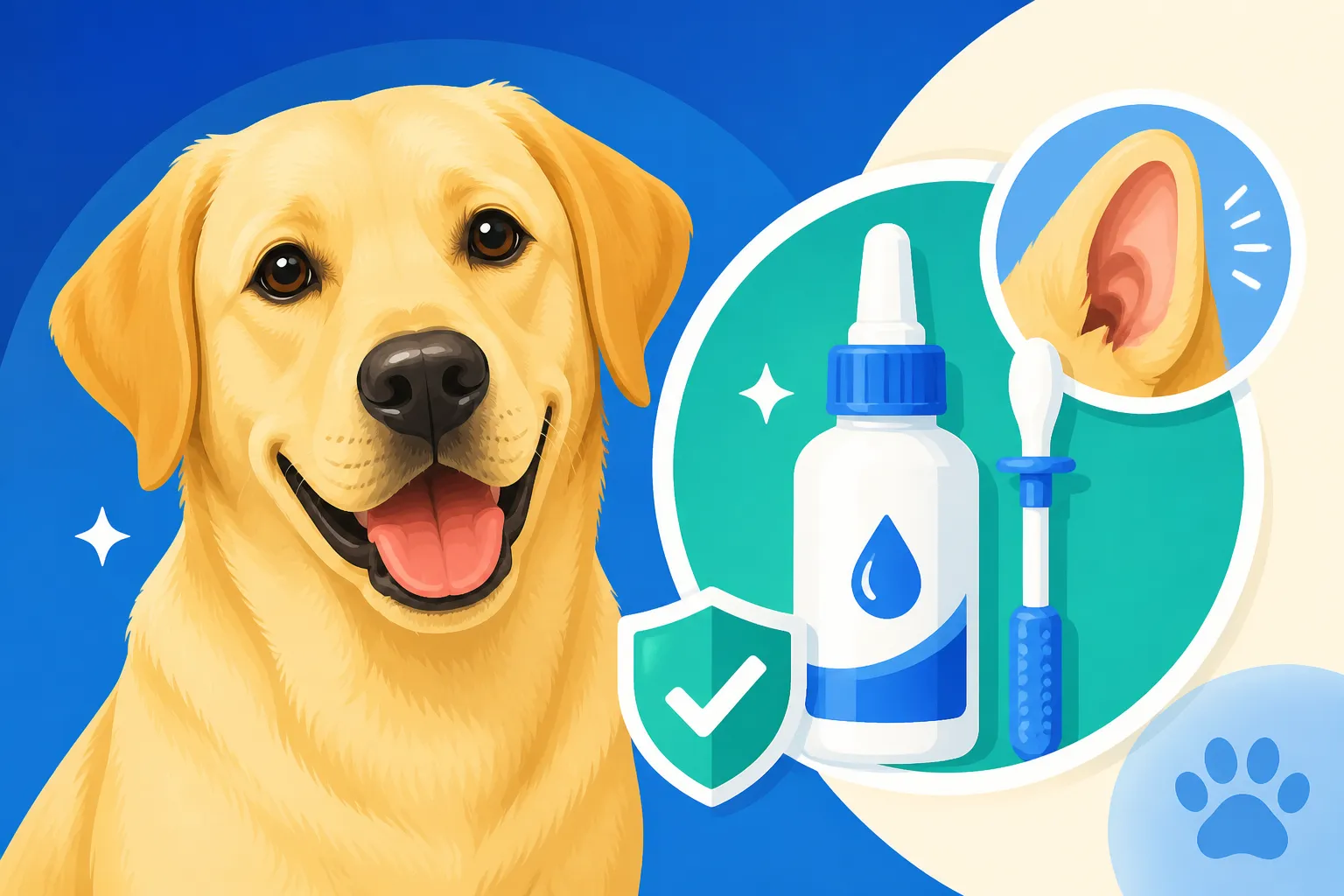
Before you even think about tackling those floppy ears, it's essential to have everything laid out and ready. This isn't a task you want to pause mid-way through because you forgot something! First and foremost, you'll need your chosen safe ear cleaner. Make sure it's at room temperature; a cold solution can be a surprising and unpleasant shock for your Labrador. Next, grab a generous supply of soft cotton balls or cotton pads. Avoid Q-tips, as these can push debris further into the ear canal or even damage the eardrum. You'll also want a few old towels – one to place under your dog, and another for wiping up any spills or excess solution.
Don't forget the positive reinforcement! A handful of your Labrador's favorite high-value treats will be invaluable. This turns the cleaning process into a more positive experience, helping to build good associations. If your Labrador is a bit wiggly, having a helper to gently hold them steady can make a world of difference. For a clearer view inside the ear, especially if you have an uncooperative dog or dim lighting, a small penlight or headlamp can be helpful, but generally, good natural light is enough. You can easily find all these supplies, from ear cleaners to cotton balls, at most pet stores or online retailers like Chewy and Amazon, which offer a wide variety of options for your convenience.
Finally, dress for success, or at least for potential mess. Wear old clothes that you don't mind getting splashed with ear cleaner or a shake of ear gunk. It's going to happen, so just accept it! Having everything prepared beforehand minimizes stress for both you and your Labrador, making the entire process quicker, calmer, and more effective. This preparation also sets the tone, letting your Labrador know that this is a routine, calm activity, not a wrestling match.
The Cleaning Process
Alright, supplies gathered, Labrador potentially bribed with treats. Let's get down to business. First, gently hold your Labrador's ear flap up, exposing the ear canal. You might see some dirt, wax, or hair around the opening – this is normal. Take your ear cleaner bottle and shake it well according to the instructions. Now, carefully insert the tip of the bottle into the ear canal opening and squeeze a generous amount of solution into the ear. The goal is to fill the ear canal without overfilling. You'll hear a squishing sound as the liquid goes in, which tells you you've got enough.
Immediately after applying the solution, lower the ear flap and gently massage the base of your Labrador's ear. You should hear that satisfying squishing sound again, indicating the cleaner is working its way deep into the L-shaped canal, breaking down wax and loosening debris. Continue massaging for about 20-30 seconds. Your Labrador might lean into your hand, enjoying the massage, or they might try to pull away – patience is key here. After massaging, let go of the ear. Your Labrador will likely shake their head vigorously, and this is exactly what you want! The head shaking helps to dislodge and expel the loosened gunk and excess cleaner.
Now comes the cleanup. Take a fresh cotton ball or pad and gently wipe away any visible discharge, wax, or debris from the inner ear flap and the entrance to the ear canal. Remember, only clean what you can see. Never force anything down into the canal with cotton swabs or your fingers. Repeat the process with clean cotton balls until no more debris or solution comes out. Offer your Labrador another treat for their cooperation, reinforcing that good behavior. This simple process, done correctly, can prevent a lot of discomfort and vet visits. For additional routine care, especially after aquatic adventures, don't forget the importance of Drying a Labrador's Ears After the Lake and our comprehensive Routine After a Labrador Swims in the Lake.
How Often to Clean Your Labrador's Ears
The frequency of ear cleaning really depends on your individual Labrador, their lifestyle, and their predisposition to ear problems. For many Labradors who don't have chronic ear issues and aren't frequent swimmers, a routine cleaning every 2-4 weeks might be sufficient. This regular maintenance helps prevent wax buildup and keeps the ear environment healthy. If your Labrador loves to swim, which many do, you'll want to increase the frequency. A quick ear clean and thorough drying immediately after every swim or bath is highly recommended to prevent moisture from getting trapped and causing issues.
However, it's crucial not to over-clean. Excessive cleaning can strip the ear of its natural protective oils, leading to dryness and irritation, which paradoxically can increase the risk of infection. If your Labrador has perfectly healthy, clean ears, there's no need to clean them more than necessary. Think of it as balancing hygiene with natural protection. Always observe your dog: if their ears look clean, smell fresh, and they aren't scratching, you might not need to clean them as often.
On the other hand, if your Labrador is prone to recurrent ear infections or exhibits signs of discomfort, you might need to clean more frequently, but only under veterinary guidance. In such cases, your vet might recommend a specific cleaning schedule or a particular medicated cleaner. Keeping track of how often your dog typically gets ear infections can also help you determine the best cleaning routine. Our article How Often to Clean a Labrador's Ears dives even deeper into this topic. It’s a delicate balance, but with observation and a little guidance, you’ll find the right rhythm for your furry friend.
When to Choose a Veterinary-Prescribed Cleaner Over OTC Options
While preventative care is essential, there are times when over-the-counter solutions just aren't enough. Knowing when to escalate to professional veterinary care is critical for your Labrador's health.
Recognizing Persistent Problems
While over-the-counter (OTC) ear cleaners are fantastic for routine maintenance and prevention, they are generally not designed to treat active, established ear infections. This is a common pitfall for many well-meaning owners who try to manage an obvious infection with just a cleaner, only to find the problem getting worse. If your Labrador is showing clear signs of an ear infection—such as intense scratching, head shaking, a strong foul odor, dark or yellowish discharge, visible redness, swelling, or obvious pain when the ear is touched—it's time to put down the OTC cleaner and pick up the phone to call your vet.
Persistent problems indicate that there's an underlying issue that needs professional diagnosis and treatment. An active infection, whether bacterial, yeast, or a combination, requires specific medication, often in the form of antibiotic or antifungal drops, or sometimes even oral medication. Using a regular ear cleaner on an infected ear might offer temporary relief, but it won't kill the pathogens causing the problem and could even delay proper healing. Sometimes, simply cleaning the ear can push debris and bacteria deeper, making the infection harder to clear. Knowing Vet Costs for a Labrador Ear Infection can also highlight why early intervention is always better.
It's also important to consider that not all ear issues are infections. Your Labrador might have a foreign body lodged deep in the canal, or perhaps an allergy is causing inflammation and secondary infection. OTC cleaners won't address these root causes. A vet can use an otoscope to examine the eardrum and the full length of the canal, take a swab for cytology (to identify bacteria or yeast), and then prescribe the most appropriate course of action. They can also explain How Often Labradors Get Otitis Externa and what it means for your specific dog. Don't hesitate to seek professional help when your dog is clearly uncomfortable or when routine cleaning isn't cutting it.
Tailoring Solutions for Specific Conditions
One of the main reasons a vet visit is indispensable for persistent ear problems is that different types of ear issues require different types of treatment. For instance, an ear infection caused by yeast (which often has a distinct sweet or yeasty odor and dark, waxy discharge) will require an antifungal medication. A bacterial infection, on the other hand, will need antibiotics. Some Labradors suffer from both simultaneously, or from mixed infections. OTC cleaners are typically broad-spectrum preventative solutions; they aren't formulated to target specific pathogens with the potency needed for active treatment.
Beyond infections, many Labradors suffer from chronic ear issues due to underlying allergies. Environmental allergies (like pollen or dust mites) or food allergies can manifest as recurrent ear infections and inflammation. In these cases, simply treating the infection won't solve the problem; the underlying allergy needs to be managed. This might involve dietary changes, allergy medications, or immunotherapy. Our guide on Signs a Labrador Has a Food Allergy can shed more light on this. Your vet can help determine if allergies are a contributing factor and recommend a holistic management plan, which might include specific medicated ear cleansers or flushes designed to work synergistically with other treatments.
Finally, some medical conditions, like hypothyroidism, can also contribute to recurrent ear infections. A vet will perform a thorough examination, including blood work if necessary, to rule out or diagnose any systemic health issues that could be affecting your Labrador's ears. They might also suggest specific ear drops that combine cleaning, anti-inflammatory, and antimicrobial properties. In short, while OTC cleaners are a great part of your regular ear health toolkit, think of your vet as the specialist who can tailor a precise solution when the going gets tough, addressing the complexity of Labrador Ear and Skin Disease. It's about getting the right tool for the right job, ensuring your Labrador gets the targeted care they truly need.
Disclaimer
This article is for general informational purposes only and does not constitute professional advice. Laws, prices and regulations vary by location and change over time. Consult a qualified professional for guidance on your specific situation.