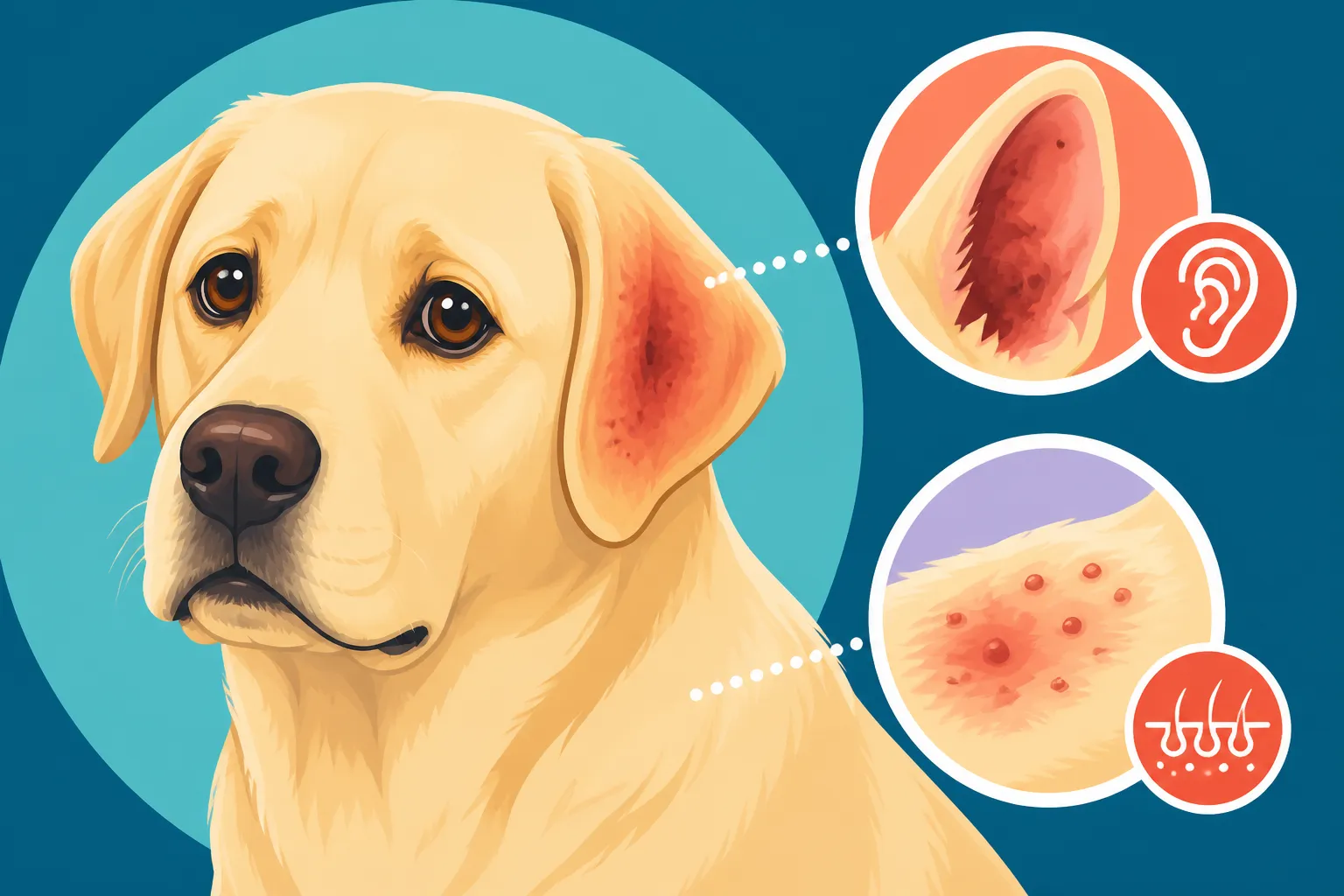
Labrador Ear and Skin Disease
Few things are as frustrating for a Labrador owner as watching their beloved companion constantly scratch, lick, or shake their head, especially when those pesky ear and skin issues seem to return again and again. It’s heart-wrenching to see them uncomfortable, and it can feel like a never-ending battle trying to figure out what’s causing the problem and how to truly make it stop. This guide is here to walk you through the common ear and skin diseases that often plague our wonderful Labradors, helping you understand why they happen, how to spot the signs, and most importantly, how to find lasting relief for your furry friend.
Why Labradors Are Prone to Ear and Skin Issues
Labrador Retrievers are, by and large, a robust and healthy breed, known for their unwavering loyalty and boundless energy. However, like all breeds, they come with certain predispositions, and when it comes to ear and skin health, Labradors often find themselves battling a unique set of challenges. It's not just bad luck; there are very specific reasons rooted in their genetics and physical characteristics that make them more susceptible.
The Role of Their Unique Coat and Ear Structure
Think about a Labrador's signature thick, dense double coat. It's fantastic for keeping them warm when they dive into icy waters, but it also acts like a little humid greenhouse close to their skin. This thick fur can trap moisture, heat, and allergens right against their body, creating a perfect breeding ground for bacteria and yeast, especially in humid climates or after a swim. Many Labrador owners can attest to the dampness that lingers in their dog's undercoat if not thoroughly dried, and this can be a significant contributor to skin problems.
Then there are those adorable, floppy ears. While they add to the Labrador's classic look, they effectively seal off the ear canal from fresh air circulation. This lack of airflow creates a warm, dark, and often moist environment that yeast and bacteria absolutely thrive in. When you combine this with the breed's love for water activities – whether it’s a quick dip in a backyard pool or a full-on retrieve from a lake – the conditions inside their ears can quickly become a perfect storm for infection. It’s no wonder so many Labradors seem to suffer from recurrent ear infections; their anatomy really stacks the deck against them.
Genetic Predispositions and Breed-Specific Traits
Beyond their physical structure, Labradors also have a genetic predisposition to certain conditions, particularly allergies, which often manifest as skin problems. Many Labradors inherit a tendency towards atopic dermatitis, an allergic skin disease caused by environmental allergens like pollen, dust mites, or mold. This isn't just a minor irritation; it can lead to chronic itching, skin inflammation, and a cascade of secondary infections. It’s a frustrating cycle where the initial itch leads to scratching, which damages the skin barrier, allowing bacteria and yeast to move in, causing more itch and further damage.
Their strong retrieving drive and love for the outdoors, while wonderful traits, also expose them more frequently to environmental allergens and potential irritants. A Labrador bounding through tall grass might pick up burrs, grass seeds, or other foreign bodies that can embed themselves in their coat or even work their way into their ear canals, leading to severe localized irritation or infection. Understanding these breed-specific factors is the first step toward effectively managing and preventing these recurring health issues, helping our Labradors live more comfortable lives.
Common Labrador Ear Infections (Otitis Externa)
For many Labrador owners, ear infections, or otitis externa, are an all-too-familiar foe. The constant head shaking, the lingering smell, the redness – it’s a clear sign of discomfort for our usually happy-go-lucky pups. It’s important to understand what you’re dealing with, why it keeps happening, and what steps you can take to bring relief.
Recognizing the Signs of an Ear Infection
Spotting an ear infection early can make a huge difference in treatment and your Labrador’s comfort. The most obvious sign is usually increased head shaking or scratching at the ears. You might notice your dog rubbing their head along the furniture or pawing at their ears repeatedly. This isn’t just a cute quirk; it’s a clear indication of itchiness and irritation.
Beyond the visible actions, take a closer look (and sniff!) at their ears. You might see redness or swelling of the ear flap and inside the ear canal. There could be discharge – anything from dark, waxy buildup to yellowish pus – and a distinct, often unpleasant odor, which can range from yeasty to overtly foul. Some Labradors might even hold one ear slightly lower than the other or react with pain when you try to touch their head. In more severe cases, they might seem generally lethargic, have a decreased appetite, or become unusually irritable because of the persistent discomfort. Regularly checking your Labrador's ears as part of your grooming routine can help you catch these subtle signs before they escalate into a full-blown crisis.
Causes and Triggers of Otitis Externa
Several factors contribute to otitis externa in Labradors, often working in concert to create the perfect storm for infection. The most common culprits are bacteria and yeast, which are normal inhabitants of the ear but can overgrow when conditions are right. For example, the warm, moist environment of a Labrador’s floppy ear, especially after swimming, makes an ideal breeding ground. A stray ear mite, though less common in adult dogs, can also kickstart an infection, particularly in puppies. Less frequently, foreign bodies like a stubborn grass awn or a piece of plant material can work their way into the ear canal, causing irritation and subsequent infection.
However, many ear infections are not the primary problem but rather a secondary symptom of an underlying issue, most notably allergies. Just as environmental or food allergies can cause skin itching, they can also trigger inflammation in the ear canal, leading to redness, swelling, and increased wax production. This inflamed environment then becomes ripe for bacterial or yeast overgrowth. Even something as simple as excessive hair growth within the ear canal can reduce airflow and lead to problems. This is why successfully treating recurrent ear infections in a Labrador often means digging deeper to identify and address the root cause, rather than just treating the symptoms repeatedly. We actually have a whole article dedicated to Labrador Ear Infections and Swimming which goes into even more detail on how to prevent post-swim issues.
Diagnosis and Treatment Options
If you suspect your Labrador has an ear infection, a trip to the veterinarian is essential. Your vet will perform a thorough examination, using an otoscope to look deep into the ear canal and check for foreign bodies, polyps, or eardrum damage. The crucial step in diagnosis is often taking a swab of the ear discharge for cytology. This involves looking at the sample under a microscope to identify whether bacteria, yeast, or mites are present, and in what quantities. This information guides the choice of medication, ensuring your Labrador gets the right treatment for their specific infection.
Treatment typically involves a combination of thorough ear cleaning, usually done by your vet initially, followed by topical medications that you will administer at home. These might be antibiotic, antifungal, or anti-inflammatory drops or ointments. In more severe cases, or if the infection is particularly painful or deep-seated, your vet might prescribe oral antibiotics or anti-inflammatory medications. It’s absolutely vital to follow the full course of treatment, even if your Labrador’s ears seem better after a few days, to prevent recurrence and build-up of resistance. For chronic or stubborn cases, especially those linked to allergies, further diagnostics might be needed, or your vet might discuss long-term maintenance cleaning or specific allergy management strategies to prevent these frustrating relapses.
Allergic Skin Disease in Labradors
Beyond ear infections, many Labradors suffer from various forms of allergic skin disease, which can be incredibly challenging for both the dog and their devoted owner. The relentless itching, the inflamed skin, the constant licking and chewing – it’s a cycle that wears everyone down.
Understanding Atopic Dermatitis
Atopic dermatitis, often simply called atopy, is one of the most common allergic skin conditions in Labradors, and it's largely genetic. This is an environmental allergy, meaning your dog is reacting to things like pollen (from trees, grasses, or weeds), dust mites, or mold spores. Unlike seasonal allergies in people that often involve sneezing, dogs typically manifest these allergies through their skin. Imagine having an itch that you just can't scratch enough, all the time, for months on end – that's often what a Labrador with atopy experiences.
Symptoms usually start between six months and three years of age. You might notice your Labrador constantly itching their face, paws, armpits, or groin area. This persistent scratching, licking, and chewing leads to red, inflamed skin, hair loss, and often secondary bacterial or yeast infections, which in turn cause even more itching. It’s a vicious cycle that quickly degrades the skin barrier. The frustration for owners is real; you want to help, but the allergens are often invisible and widespread. It's not uncommon for Labradors with atopy to also suffer from recurrent ear infections, as the skin lining the ear canal is just as susceptible to allergic inflammation as the rest of their body. For more information on identifying these signs, check out our guide on Hot Spots and Allergies in Labradors.
Food Allergies and Sensitivities
While less common than environmental allergies, food allergies and sensitivities can also cause significant skin issues in Labradors. It’s easy to jump to the conclusion of a food allergy when your dog is itchy, but true food allergies account for a smaller percentage of canine allergies compared to environmental ones. When they do occur, however, the symptoms can be strikingly similar to atopy, including generalized itching, redness, recurrent ear infections, and even gastrointestinal upset like vomiting or diarrhea.
The most common food allergens in dogs are proteins like chicken, beef, dairy, and wheat, though any protein source can potentially trigger a reaction. Diagnosing a food allergy requires a strict elimination diet, which can be quite a commitment. This involves feeding a novel protein (one your dog has never eaten before, like duck or venison) or a hydrolyzed protein diet (where proteins are broken down so the immune system doesn't recognize them as allergens) for 8-12 weeks, with no other treats, chews, or flavored medications. If symptoms resolve on the special diet and then return when the original food is reintroduced, a food allergy is confirmed. This process can be challenging, but it’s the most accurate way to pinpoint dietary triggers and provide long-term relief. Our article Running an Elimination Diet on a Labrador offers detailed steps to successfully navigate this diagnostic process.
Managing Allergic Reactions
Managing allergic skin disease in Labradors is often a multi-faceted, long-term endeavor. There's usually no single "cure," but rather a combination of strategies to control symptoms and improve quality of life. For immediate relief during flare-ups, your vet might prescribe oral medications like antihistamines (though often not strong enough for severe cases), corticosteroids (prednisone), or newer targeted medications like Apoquel or Cytopoint. Apoquel works by blocking specific itch pathways, while Cytopoint is an injectable antibody that targets the main itch-causing protein. These can offer significant relief and break the itch-scratch cycle.
Beyond medications, supporting skin barrier health is crucial. This can include regular bathing with medicated shampoos that soothe skin and help remove allergens, incorporating omega-3 fatty acids into their diet to reduce inflammation, and using topical sprays or foams. For environmental allergies, immunotherapy (allergy shots or oral drops) is often the gold standard. This involves gradually exposing your Labrador to increasing amounts of the specific allergens they react to, helping their immune system build tolerance. While it takes time and commitment, immunotherapy can be very effective in reducing the severity of allergic reactions and the need for other medications long-term. Partnering closely with your veterinarian is key to developing the best management plan for your individual Labrador, ensuring they stay as comfortable as possible.
Other Common Skin Conditions
While allergies and ear infections often dominate the conversation about Labrador skin health, our robust companions can encounter a few other common skin issues. These might not be as widespread as atopy, but they can still cause significant discomfort and concern for owners.
Hot Spots (Acute Moist Dermatitis)
Ah, hot spots – every Labrador owner’s nightmare! These nasty lesions, technically called acute moist dermatitis, appear seemingly overnight and can grow alarmingly fast. A hot spot is a raw, red, oozing, and often painful skin lesion that typically develops when a dog continuously licks, chews, or scratches an area, usually in response to an underlying itch. The Labrador’s dense coat means these can quickly become trapped under the fur, becoming worse rapidly. Common triggers for the initial itch can include flea bites, allergic reactions (like those from atopy or food sensitivities), ear infections (where the dog scratches their neck near the ear), or even matted fur.
Once a Labrador starts obsessively licking, the moisture and trauma quickly create an open wound susceptible to bacterial infection. You’ll often find them on the face, neck, hips, or base of the tail. The treatment for a hot spot typically involves carefully clipping the fur away from around the lesion to allow air to reach it and cleaning it with an antiseptic solution. Your vet will likely prescribe topical medications, which might include antibiotics and steroids to reduce inflammation and infection, or oral antibiotics for more widespread cases. Preventing hot spots often means addressing the underlying cause of the itch, whether that’s rigorous flea control or better allergy management, and being vigilant about keeping your Labrador’s coat dry and clean. Our article on Treating a Hot Spot on a Labrador provides practical steps for immediate care.
Pyoderma and Other Bacterial/Fungal Infections
Bacterial skin infections, known as pyoderma, are another common issue in Labradors, particularly as secondary complications to allergies. When the skin barrier is compromised by chronic itching, inflammation, or excessive moisture, opportunistic bacteria (often Staphylococcus) can invade and multiply. Pyoderma can manifest in various ways: superficial pyoderma might look like red bumps, pustules, or crusts, especially on the belly or in skin folds, while deeper infections can cause more severe lesions, pain, and even fever. You might also notice hair loss in affected areas.
Fungal infections can also occur, with ringworm (a misnomer, as it’s a fungus, not a worm) being one of the most recognized. Ringworm typically presents as circular patches of hair loss, redness, and scaling, often with a central area of healing. It’s highly contagious to other animals and humans, so quick diagnosis and treatment are crucial. Your vet will diagnose these infections through skin scrapes, cultures, or fungal tests. Treatment for pyoderma usually involves oral antibiotics (often for several weeks) and medicated shampoos or topical antimicrobial sprays. Fungal infections are treated with antifungal medications, both topical and oral. Long-term management often requires identifying and controlling the primary underlying issue, such as allergies, that made the skin susceptible to infection in the first place.
Lipomas and Fatty Lumps on a Labrador
As our beloved Labradors reach their middle and senior years, it's not uncommon for owners to discover various lumps and bumps on their bodies. One of the most frequent types is the lipoma, which is simply a benign (non-cancerous) fatty tumor. These lumps typically feel soft or slightly rubbery, are usually movable under the skin, and are generally painless. They can vary greatly in size, from tiny peas to several inches across, and can appear anywhere on the body, though they're often found on the torso or limbs.
While most lipomas are harmless and merely an aesthetic concern, it's essential to have any new lump or bump checked by your veterinarian. Only a vet can properly assess the lump and determine if further investigation, such as a fine needle aspirate (where cells are collected with a needle and examined under a microscope), is necessary to confirm it's a lipoma and not something more serious, like a mast cell tumor. Most lipomas don't require removal unless they are growing rapidly, impeding movement, or causing discomfort due to their location or size. However, even if confirmed as benign, your vet will likely recommend monitoring its size and consistency. Learning more about Lipomas and Fatty Lumps on a Labrador can help ease your concerns about these common growths.
Proactive Prevention and Home Care
The saying "an ounce of prevention is worth a pound of cure" truly applies to Labrador ear and skin health. While you can't eliminate all risks, establishing a consistent routine of proactive care can significantly reduce the frequency and severity of these frustrating conditions. It's about being diligent and understanding your Labrador's specific needs.
Effective Grooming and Hygiene Practices
Regular grooming is your first line of defense against many ear and skin problems. For their dense double coat, daily or at least several-times-a-week brushing is key, especially during shedding seasons. Brushing helps to remove loose hair, distribute natural oils, and most importantly, it aerates the coat. This improves air circulation, preventing moisture and debris from getting trapped close to the skin, which can lead to hotspots or skin infections. A good deshedding tool can make a huge difference in managing the undercoat and reducing shedding, which also means less dead hair to trap moisture.
For those iconic floppy ears, routine cleaning is absolutely paramount, particularly if your Labrador loves water. After every swim or bath, thoroughly dry their ears with a soft towel, and consider using a veterinarian-approved ear cleaner specifically designed for dogs. These cleaners help to dry out the ear canal and alter the pH, making it less hospitable for yeast and bacteria. Just apply the cleaner, gently massage the base of the ear, and then wipe away any loosened debris with a cotton ball or pad. Never use cotton swabs inside the ear canal, as this can push debris deeper or damage the eardrum. Consistent hygiene can prevent many of those painful ear infections from ever taking hold.
Nutritional Support for Skin and Coat Health
What goes into your Labrador's bowl has a profound impact on their skin and coat health. A high-quality, balanced diet rich in essential nutrients is fundamental. Look for dog foods with excellent protein sources and a healthy balance of fats, particularly omega-3 and omega-6 fatty acids. These healthy fats are crucial for maintaining a strong skin barrier, reducing inflammation, and promoting a shiny, healthy coat. Many premium dog foods formulate with these in mind, but supplements, such as fish oil, can also be beneficial, especially for Labradors prone to dry skin or allergies.
If your Labrador suffers from suspected food allergies or sensitivities, diet becomes an even more critical component of their care. Working with your vet on an Running an Elimination Diet on a Labrador and then carefully selecting a hypoallergenic or novel protein diet can make a world of difference. Even for general skin health, avoiding artificial colors, flavors, and excessive fillers can be beneficial. Remember, every Labrador is an individual, so what works best for one might not be ideal for another. Paying attention to how your dog's skin and coat respond to their diet and making adjustments as needed, often with veterinary guidance, is a key part of long-term skin health.
Environmental Controls and Allergy Management
For Labradors with environmental allergies, proactive management of their surroundings can significantly reduce allergen exposure and symptom severity. Regular cleaning of your home is a big one: vacuum frequently with a HEPA filter vacuum to reduce dust mites and pet dander (even if it's their own!). Washing your Labrador’s bedding at least weekly in hot water can also help eliminate dust mites. If outdoor pollen is a major trigger, consider wiping your dog down with a damp cloth or bathing them after outdoor excursions to remove allergens from their coat before they track them inside.
Year-round, consistent flea and tick prevention is non-negotiable. Flea bite dermatitis is a common cause of intense itching and can easily trigger secondary infections or hot spots, especially in a dog already predisposed to allergies. There are many effective products available, from oral medications to topical treatments – discuss the best option for your Labrador with your vet. For those particularly sensitive to airborne allergens, sometimes even using an air purifier in the rooms your Labrador spends the most time in can help create a cleaner breathing and living environment. These seemingly small steps can add up to much greater comfort for an allergic Labrador, and help them avoid the misery of constant itching and recurring skin issues.
When to See the Vet and What to Expect
It's tempting to try and manage every little itch or ear flap with home remedies, but knowing when to call the vet is crucial for your Labrador's health and comfort. Delaying professional care can turn a minor issue into a chronic, painful, and more expensive problem.
Recognizing Urgent vs. Non-Urgent Symptoms
Understanding the difference between something you can monitor for a day and something that needs immediate veterinary attention can save your Labrador discomfort and prevent complications. Generally, persistent itching, mild redness, or a slightly waxy ear with a faint odor are signs that warrant a vet visit soon, but not necessarily an emergency. These are often the early indicators of allergies or budding infections that can be easily managed if caught early.
However, certain symptoms demand more urgent attention. If you notice sudden, severe swelling, intense pain (your dog cries out when touched, or refuses to let you near their ear), a foul-smelling discharge, or any bleeding from the ear or skin, it’s time to call your vet immediately. Rapidly expanding hot spots, signs of systemic illness (like lethargy, fever, or loss of appetite accompanying skin issues), or any lump that appears suddenly, is painful, or growing quickly also warrant prompt veterinary assessment. Don’t wait for things to get severe; early intervention is almost always better for your Labrador. For general health checks, including checking for new lumps or unusual symptoms, remember that an How Often a Labrador Needs an Eye Exam is a good time to bring up any other emerging concerns too.
Preparing for Your Veterinary Visit
When you notice your Labrador having ear or skin problems, preparing a little before your vet visit can make a huge difference in getting an accurate diagnosis and effective treatment plan. Start by making detailed notes: when did the symptoms first appear? Have they gotten worse, or do they come and go? What have you tried at home, and did it help or make things worse? Keep track of any changes in diet, new treats, or environmental exposures that might have coincided with the onset of symptoms.
It’s also incredibly helpful to take photos or even short videos, especially if the symptoms are intermittent or tend to flare up at specific times. For example, if your Labrador only scratches intensely after a walk in the park, a video can show the vet the severity. Be ready to discuss your Labrador’s overall health, vaccination history, and any other medications or supplements they might be on. This comprehensive history is invaluable for your vet. Also, consider the financial aspect – chronic skin and ear issues can rack up vet bills. Many owners find peace of mind with pet insurance providers like Healthy Paws, which can help cover unexpected or ongoing veterinary expenses for conditions like chronic allergies or recurrent ear infections. Knowing you have that safety net can make crucial decisions much easier.
Long-Term Management and Outlook
The reality for many Labradors with chronic ear and skin conditions, especially those related to allergies, is that it’s often a journey of long-term management rather than a one-time cure. Conditions like atopic dermatitis require ongoing vigilance, consistent treatment, and a strong partnership with your veterinarian. You might find yourself managing flare-ups with targeted medications, continuing regular medicated baths, or adhering to a specific allergy immunotherapy schedule for years. The goal isn’t necessarily to eliminate the problem entirely, but to control the symptoms effectively, prevent secondary infections, and ensure your Labrador maintains a good quality of life.
This might involve adjustments to diet, changes in grooming routines, or even lifestyle modifications to minimize exposure to allergens. Regular follow-up appointments are crucial to assess the effectiveness of treatment plans and make any necessary tweaks. It’s a marathon, not a sprint, and there will be good days and bad days. However, with dedication and the right veterinary support, even Labradors with persistent ear and skin issues can live full, happy, and comfortable lives. Investing in their health early, and maintaining that investment through consistent care and perhaps even a good pet insurance plan from a company like Healthy Paws, truly pays off in their long-term well-being.
| Condition | Common Symptoms | Primary Causes/Triggers | Typical Treatment Approaches |
|---|---|---|---|
| Otitis Externa | Head shaking, ear scratching, red/swollen ears, discharge, foul odor, pain | Bacteria, yeast, ear mites, foreign bodies, allergies, moisture | Ear cleaning, topical antibiotics/antifungals, oral meds, allergy management |
| Atopic Dermatitis | Persistent itching (paws, face, armpits, groin), redness, hair loss, skin infections | Environmental allergens (pollen, dust mites, mold) | Antihistamines, steroids, Apoquel/Cytopoint, immunotherapy, medicated shampoos, omega-3s |
| Food Allergy | Generalized itching, recurrent ear infections, GI upset (vomiting, diarrhea) | Dietary proteins (chicken, beef, dairy, wheat) | Strict elimination diet, novel protein or hydrolyzed protein food |
| Hot Spots | Rapidly appearing red, raw, oozing, painful skin lesions, localized hair loss | Self-trauma (licking/scratching) due to underlying itch (fleas, allergies, irritation) | Clipping fur, cleaning, topical drying agents, antibiotics, steroids |
| Pyoderma | Red bumps, pustules, crusts, hair loss, scaling, itching | Bacterial overgrowth (often secondary to allergies) | Oral antibiotics, medicated shampoos, topical antimicrobials |
| Lipomas | Soft, movable, painless lumps under the skin, varying in size | Benign fatty tissue overgrowth (common in older Labs) | Monitoring, fine needle aspirate (FNA), surgical removal if problematic |
Disclaimer
The information provided in this guide is for general informational purposes only and does not constitute veterinary advice. Always consult with a qualified veterinarian for any health concerns or before making any decisions about your Labrador Retriever's medical care.