Which DNA Tests a Labrador Breeder Runs
Bringing a Labrador puppy into your life is an incredibly exciting time, filled with dreams of muddy paws, wagging tails, and endless adventures. But it's also a time when many prospective owners feel a little overwhelmed by the sheer volume of health information out there, especially when it comes to genetic testing. You want a healthy puppy, but understanding which DNA tests a reputable Labrador breeder runs and why they matter can feel like navigating a complex scientific maze. This guide is here to demystify the world of Labrador genetic screening, helping you understand the crucial steps responsible breeders take to ensure the health of their puppies.
Why DNA Testing is Essential for Responsible Labrador Breeding
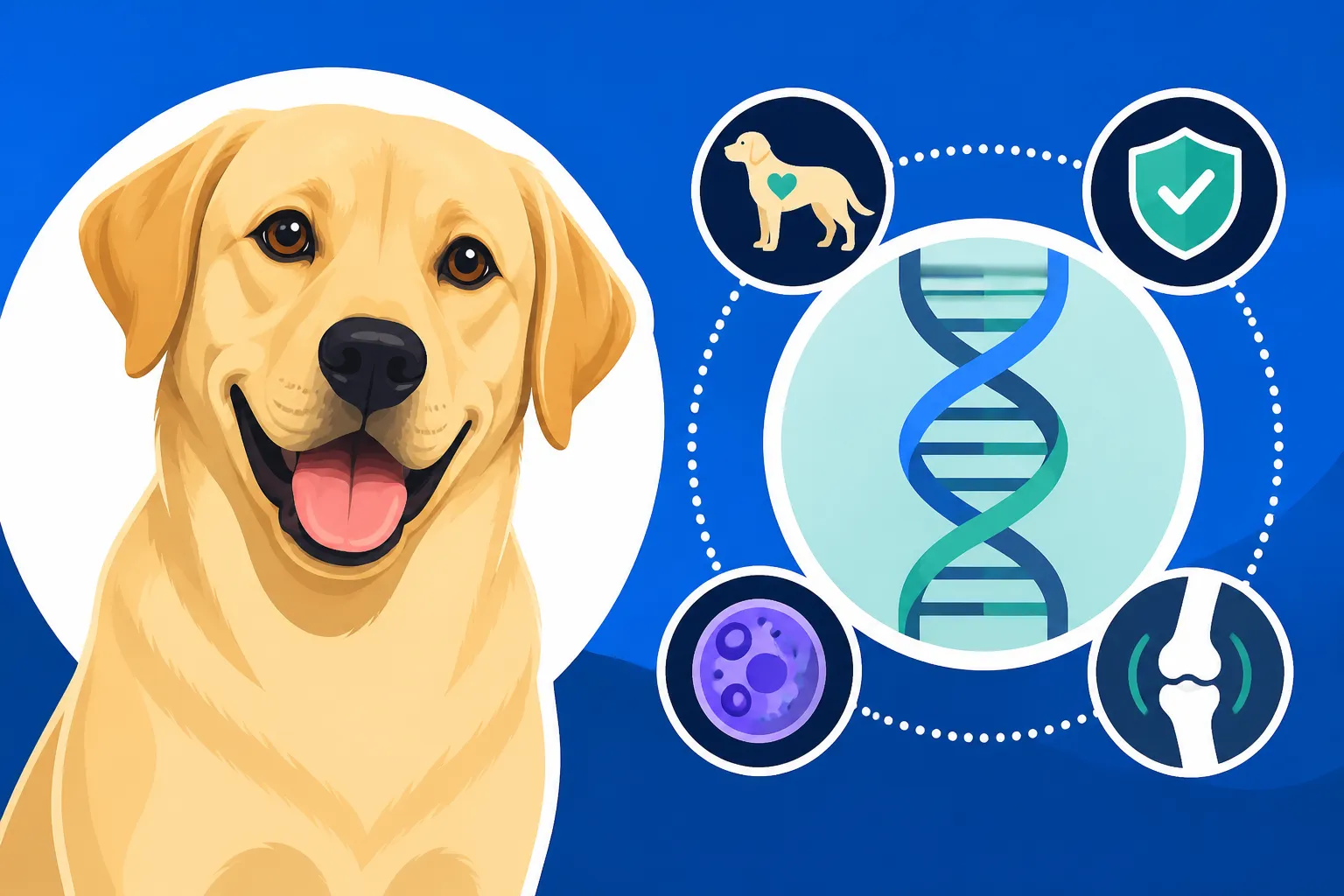
For any devoted Labrador lover, the health and well-being of these wonderful dogs are paramount. Responsible breeders share this commitment, going above and beyond to minimize the risk of passing on inherited diseases to future generations. DNA testing isn't just a fancy add-on; it's a fundamental pillar of ethical breeding, providing invaluable insights into a dog's genetic makeup. Without these tests, even seemingly healthy parent dogs could unknowingly carry and pass on devastating conditions.
The Breeder's Ethical Responsibility
A responsible breeder doesn't just breed dogs; they breed for the betterment of the Labrador Retriever as a whole. This means making tough decisions, investing in comprehensive health screenings, and prioritizing the long-term health of their puppies over quick profits or convenience. Their primary ethical responsibility is to produce puppies that are as healthy as possible, reducing the heartache and financial burden that genetic diseases can inflict on new families. This commitment extends beyond just the immediate litter; it impacts the breed's health for years to come.
Good breeders are transparent about their dogs' health clearances and will gladly discuss their testing protocols with you. They understand that you, as a prospective owner, are making a significant, long-term commitment, and they want you to feel confident in the health foundation of your new family member. It’s part of the comprehensive approach that also includes vital screenings like those for Health Clearances a Labrador Breeder Must Show.
Unmasking Hidden Genetic Risks
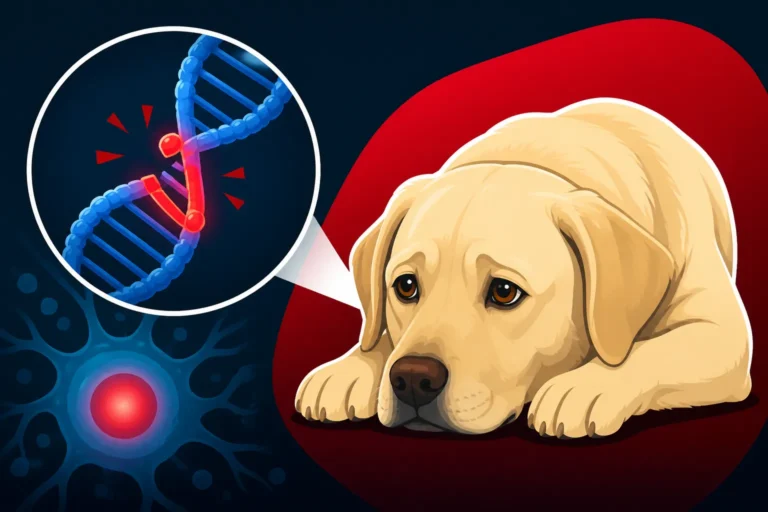
The tricky thing about genetic diseases is that a dog can be a "carrier" without ever showing symptoms themselves. This means they carry one copy of a problematic gene, but because they also have a normal copy, their body compensates, and they appear perfectly healthy. If two carriers are bred together, however, there's a 25% chance with each puppy that it will inherit two copies of the problematic gene and be "affected," meaning it will develop the disease.
DNA tests reveal these hidden risks, allowing breeders to make informed decisions about which dogs to breed together. By understanding a dog's genetic status – whether they are clear, a carrier, or affected – breeders can strategically pair dogs to avoid producing affected puppies. This preventative measure is incredibly powerful, transforming breeding from a hopeful gamble into a calculated effort to produce healthy offspring.
Protecting Future Generations
The impact of genetic testing extends far beyond a single litter. By systematically testing breeding stock and selectively pairing dogs, responsible breeders are actively working to reduce the prevalence of inherited diseases within the entire Labrador Retriever gene pool. Each generation of carefully bred puppies contributes to a healthier future for the breed. This isn't a quick fix, but a sustained, diligent effort to protect the genetic integrity and longevity of Labradors.
Think of it as an ongoing commitment to the breed's future. When you choose a puppy from a breeder who embraces thorough DNA testing, you’re not just getting a healthier puppy; you’re supporting practices that benefit all Labradors. This dedication also helps address broader concerns, such as understanding factors that influence a Labrador Lifespan and What Changes It.
Key DNA Tests Every Labrador Breeder Should Run
The world of canine genetics is constantly evolving, but there are several core DNA tests that are universally recognized as essential for Labrador Retriever breeders. These tests target specific genetic mutations known to cause common and often severe health issues in the breed.
Exercise-Induced Collapse (EIC) Testing
This is a critical test for active Labradors, particularly those from field lines or those involved in demanding activities like hunting, agility, or competitive retrieving. Dogs affected by EIC appear healthy but can experience weakness, loss of coordination, and collapse after 5-20 minutes of strenuous exercise, especially in warm weather or when highly excited. While most recover within 5-30 minutes, it can be terrifying for owners to witness.
The genetic test identifies the specific mutation in the DNM1 gene. A responsible breeder will test all their breeding dogs for EIC. Knowing a dog's status (clear, carrier, or affected) allows breeders to ensure that no two carriers are bred together, thereby preventing affected puppies. If you’ve ever wondered What an EIC Episode Looks Like in a Labrador, understanding these genetics highlights how preventative breeding can spare dogs from this condition.
Progressive Retinal Atrophy (PRA) Panel
Progressive Retinal Atrophy (PRA) refers to a group of genetic diseases that cause the degeneration of the retina, leading to progressive vision loss and ultimately blindness. Several forms of PRA exist in Labradors, and responsible breeders will typically run a panel of tests to cover the most common mutations.
- prcd-PRA: This is one of the most common forms, characterized by night blindness developing first, progressing to complete blindness over months or years.
- GR-PRA1 and GR-PRA2: While more common in Golden Retrievers, Labradors can also carry these mutations, which cause a similar degeneration of the retina.
Having these tests done for your puppy's parents provides peace of mind that your dog is at significantly reduced risk for these forms of inherited blindness. It's a proactive step that complements broader efforts to understand and manage Labrador Eye Conditions and Vision Loss.
Centronuclear Myopathy (CNM) Screening
Centronuclear Myopathy (CNM), also known as Hereditary Myopathy, is a severe muscle disease in Labradors. Affected puppies are often noticeably different from their littermates; they may have a clumsy gait, muscle weakness, and exercise intolerance. Symptoms typically begin around 2-5 months of age and can lead to significant debilitation, though some affected dogs can live with careful management.
The DNA test for CNM identifies a specific gene mutation. Like EIC, CNM is an autosomal recessive disorder, meaning a puppy must inherit two copies of the mutated gene (one from each parent) to be affected. Breeders use this test to avoid pairing two carriers, thereby ensuring no affected puppies are born. This testing is crucial for understanding and preventing serious conditions like Centronuclear Myopathy in Labradors.
Hereditary Nasal Parakeratosis (HNPK) Test
HNPK is a genetic skin disease specific to Labradors that primarily affects the nose. Affected dogs develop crusting, dryness, and sometimes painful cracking on the surface of their nose, which can lead to secondary infections. Symptoms typically become apparent between 6 months and 1 year of age.
While not life-threatening, HNPK requires lifelong management and can cause discomfort. The DNA test identifies the mutation responsible for HNPK, allowing breeders to prevent affected puppies. Again, this is an autosomal recessive condition, making carrier screening vital.
Dilute Gene (D Locus) Testing
This test specifically looks for the "dilute" gene (d/d), which is responsible for diluting standard coat colors. In Labradors, a black dog with two copies of the dilute gene becomes "charcoal," a chocolate dog becomes "silver," and a yellow dog becomes "champagne." While these colors can be visually appealing to some, they are not recognized by the American Kennel Club (AKC) breed standard for Labrador Retrievers.
Beyond the breed standard, there's ongoing debate and concern within the Labrador community about the health implications of the dilute gene, with some theories suggesting potential links to certain skin conditions (Color Dilution Alopecia). Responsible breeders who adhere to the breed standard and prioritize established health lines will often test to ensure their dogs do not carry the dilute gene, thus maintaining the traditional black, yellow, and chocolate coats. This connects to discussions about Whether Silver Labs Inherit Chocolate Health Problems and the general health profiles associated with specific coat colors, including why Chocolate Labradors and Their Shorter Lifespan is a topic of concern.
Other Important DNA Tests
While the above are core tests, some breeders may also run tests for other conditions known to occur in Labradors, depending on their lines and regional prevalence. These can include:
- Skeletal Dysplasia 2 (SD2) / Dwarfism: A recessive condition causing disproportionate dwarfism.
- Retinal Dysplasia/Oculoskeletal Dysplasia 1 (RD/OSD): Can cause eye abnormalities and skeletal issues.
- Degenerative Myelopathy (DM): A progressive neurological disease, though less common as a primary concern in Labs compared to some other breeds.
- Pyruvate Kinase Deficiency (PKD): A rare red blood cell disorder.
- Myotubular Myopathy 1 (MTM1): Another muscle-wasting disease.
Some breeders might even test for the POMC gene deletion, which is strongly linked to increased appetite and obesity in Labradors, contributing to Why Labradors Gain Weight So Easily. While not a disease in itself, understanding this genetic predisposition can help owners manage their dog's weight.
Here's a quick overview of some essential DNA tests for Labradors:
| Condition | Gene/Panel Tested | Mode of Inheritance | Key Impact |
|---|---|---|---|
| Exercise-Induced Collapse (EIC) | DNM1 | Autosomal Recessive | Collapse after strenuous exercise |
| Progressive Retinal Atrophy (PRA) | prcd-PRA, GR-PRA1/2 | Autosomal Recessive | Progressive vision loss, leading to blindness |
| Centronuclear Myopathy (CNM) | PTPLA | Autosomal Recessive | Muscle weakness, clumsy gait, exercise intolerance |
| Hereditary Nasal Parakeratosis (HNPK) | SUV39H2 | Autosomal Recessive | Dry, crusty, painful nose |
| Dilute Gene (D Locus) | MLPH (d/d) | Autosomal Recessive | Diluted coat colors (charcoal, silver, champagne) |
| Skeletal Dysplasia 2 (SD2) | COL11A2 | Autosomal Recessive | Disproportionate dwarfism |
| Degenerative Myelopathy (DM) | SOD1 | Autosomal Recessive | Progressive spinal cord degeneration, paralysis |
| Oculoskeletal Dysplasia (OSD) | COL9A3 | Autosomal Recessive | Eye abnormalities, skeletal issues |
| Pyruvate Kinase Deficiency (PKD) | PKLR | Autosomal Recessive | Anemia |
| Hereditary Myopathy (Myotubular Myopathy) | MTM1 (X-linked) | X-linked Recessive | Severe muscle weakness in young males |
Interpreting DNA Test Results and Making Informed Breeding Choices
Understanding the results of these genetic tests is critical for both breeders and prospective puppy owners. The terms "clear," "carrier," and "affected" are standard across most genetic tests and carry significant meaning for breeding decisions and potential health outcomes.
Decoding Clear, Carrier, and Affected Status
- Clear: A dog testing "clear" has two normal copies of the gene in question. This dog will not develop the disease and cannot pass the mutation on to its offspring.
- Carrier: A "carrier" dog has one normal copy and one mutated copy of the gene. This dog will not develop the disease itself (for recessive conditions) but can pass the mutated gene to approximately 50% of its offspring.
- Affected: An "affected" dog has two copies of the mutated gene. This dog will develop the disease, and will pass one copy of the mutated gene to all of its offspring.
For most conditions in Labradors that are tested by DNA, they are autosomal recessive. This means a dog only develops the disease if it inherits two copies of the faulty gene. Knowing these statuses allows breeders to predict the genetic makeup of their litters with a high degree of accuracy. This information is a cornerstone for ensuring healthy puppy production.
How Breeders Use Test Results for Mating Pairs
A responsible breeder uses DNA test results to make strategic mating decisions. The golden rule is simple: never breed two carriers together. If both parents are carriers for the same recessive genetic disease, there's a 25% chance that each puppy in the litter will be affected, a 50% chance they will be carriers, and a 25% chance they will be clear. Producing affected puppies is precisely what ethical breeding aims to avoid.
Instead, a carrier dog can be safely bred to a clear dog. In such a pairing, none of the puppies will be affected, although approximately 50% of them will be carriers themselves. This allows breeders to carefully manage genetic diversity while still working to reduce the prevalence of carrier status over generations. By being mindful of which dogs they pair, they can mitigate risks and move towards healthier lines, often at a significant cost for What a Labrador Genetic Panel Costs.
The Limitations and Ongoing Nature of Genetic Screening
While incredibly powerful, DNA testing isn't a silver bullet for perfect health. There are limitations to keep in mind:
- Tests for Known Mutations: DNA tests can only identify specific genetic mutations that have been discovered and for which a test has been developed. There might be other genetic factors or unknown mutations that could contribute to diseases, which current tests cannot detect.
- Polygenic Conditions: Many common conditions, like Labrador Hip and Elbow Dysplasia, are polygenic, meaning they are influenced by multiple genes as well as environmental factors. There isn't a single DNA test for these complex conditions, highlighting the need for other screening methods.
- New Mutations: New genetic mutations can theoretically arise spontaneously, though this is rare.
- Breed-Specific Focus: Most panels focus on conditions known to affect Labradors.
This highlights why genetic screening is an ongoing process, not a one-and-done event. As science advances, new tests become available, and truly dedicated breeders adapt their protocols to incorporate the latest knowledge and tools. Reputable breeders are always learning and evolving their practices.
Beyond DNA: A Holistic Approach to Labrador Health Clearances
While DNA testing is crucial for identifying single-gene disorders, it’s just one piece of the puzzle when it comes to overall Labrador health. Responsible breeders employ a comprehensive approach that includes a variety of health certifications and screenings to assess conditions influenced by multiple genes, environmental factors, or those that manifest later in life. These complementary screenings provide a holistic picture of a dog's health status.
Essential Orthopedic Screenings
Orthopedic problems, particularly hip and elbow dysplasia, are unfortunately common in large breeds like Labradors. These conditions are complex, influenced by genetics, nutrition, and environment. Because they are polygenic, there isn't a simple DNA test. Instead, breeders rely on radiographic evaluations by veterinary orthopedic specialists.
- Hip Dysplasia: Screened by organizations like the Orthopedic Foundation for Animals (OFA) or through PennHIP evaluations. These methods assess the structural integrity of the hip joints. A passing score from OFA (Excellent, Good, Fair) or a good distraction index from PennHIP indicates healthy hips.
- Elbow Dysplasia: Also screened by OFA, which grades elbows as normal or with various degrees of dysplasia. Only dogs with normal elbows should be bred.
Breeders will openly share these certifications, which are typically performed when the dog is at least 24 months old. This transparency is crucial for understanding the preventative measures taken against conditions like Labrador Hip Dysplasia Signs and Onset. For a deeper dive into these screenings, check out OFA and PennHIP Screening for Labradors. Even with all these precautions, unexpected health costs can arise, which is why many savvy owners consider pet insurance options from companies like Healthy Paws to cover unforeseen orthopedic surgeries.
Annual Eye and Cardiac Exams
Beyond genetic tests for specific eye conditions, responsible breeders also ensure their breeding dogs undergo regular, comprehensive eye examinations by a board-certified veterinary ophthalmologist. These exams, often certified by the OFA Eye Certification Registry (formerly CERF), check for a wider range of eye conditions, including:
- Cataracts: Clouding of the lens.
- Retinal Dysplasia: Abnormal development of the retina (different from PRA-related degenerations).
- Glaucoma: Increased pressure in the eye.
These exams are typically performed annually because some conditions can develop or worsen over time. This ongoing vigilance ensures that the breeding dogs maintain optimal eye health throughout their breeding careers.
Similarly, cardiac evaluations are important. Labradors can be prone to certain heart conditions, such as tricuspid valve dysplasia (TVD) or subvalvular aortic stenosis (SAS). Breeders will typically have their breeding dogs examined by a board-certified veterinary cardiologist. This often involves a physical exam, sometimes supplemented with an echocardiogram, to ensure the dog has a healthy heart. While not always directly transmissible in a simple genetic pattern, good cardiac health is a critical component of a robust breeding program.
The Importance of Pedigree and Health Guarantees
Beyond individual tests, a responsible breeder looks at the bigger picture: the pedigree. They research the health history of their dogs' ancestors, including parents, grandparents, and siblings. They want to see a consistent history of good health and longevity in the lines they are working with. This holistic view helps to inform breeding decisions beyond what individual tests can provide, especially for complex conditions.
Furthermore, a reputable breeder will offer a health guarantee for their puppies, often covering genetic conditions for a specified period (e.g., 24-36 months). This guarantee reflects their confidence in their breeding program and their commitment to you, the puppy owner. It also shows they stand by the health of their puppies, and that should a significant, covered genetic issue arise, they will be there to support you. This support can be invaluable, especially if you ever need to make a claim with your pet insurance provider like Healthy Paws for a covered condition.
Choosing a Labrador puppy from a breeder who meticulously performs all recommended DNA tests and health clearances is one of the most proactive steps you can take to ensure your new companion starts life on the healthiest paw possible. It reflects a dedication to the breed's future and a deep respect for the bond you'll share with your furry family member.
Disclaimer
The information provided in this guide is for general educational purposes only and should not be considered a substitute for professional veterinary advice. Always consult with a qualified veterinarian regarding your Labrador's health and medical conditions. Genetic science is constantly evolving, and while this guide covers commonly accepted and practiced testing protocols, new information may emerge.