Rinsing a Labrador After Salt Water
There’s nothing quite like watching your Labrador absolutely revel in the ocean, leaping through waves, or enthusiastically retrieving a bumper from the surf. That sheer joy on their face as they shake off salty spray is a core part of their charm. But for us Labrador parents, that salty dip often comes with a niggling worry: what’s all that salt water doing to their glorious coat and sensitive skin? This guide is here to walk you through exactly why a post-ocean rinse is non-negotiable and how to make sure your salty dog emerges from their beach adventure healthy, happy, and itch-free.
The Sneaky Dangers of Salt Water on Your Labrador’s Coat and Skin
While the ocean might seem like a natural playground for our water-loving Labs, the salt in that water can be surprisingly harsh. Many owners don't realize the extent of the impact, often only noticing problems once they've escalated. It's not just about getting sand out; it's about protecting their most important barrier – their skin and coat.
How Salt Dries Out Skin and Strips Natural Oils
Think about how your own skin feels after a long day at the beach if you don't rinse off. It feels tight, dry, and maybe a little itchy, right? The same goes for your Labrador, but amplified, because their skin is far more delicate than ours, and their double coat traps things in. Salt is a desiccant, meaning it actively draws moisture out. When your Labrador emerges from the ocean, those tiny salt crystals cling to their fur and skin. As the water evaporates, the salt remains, continuing to pull hydration away.
This drying effect doesn't just make their skin uncomfortable; it also strips away the natural oils that are crucial for a healthy coat. Labradors have a wonderfully water-resistant double coat, a gift from their ancestry. These natural oils are what keep that topcoat sleek and somewhat oily to the touch, preventing water from penetrating to their undercoat and skin. When salt water repeatedly strips these oils, the coat's protective qualities diminish, leaving it dull, brittle, and less effective at keeping your dog warm and dry in future swims. Moreover, dry skin is irritated skin, creating a perfect storm for persistent itching and discomfort.
The Risk of Skin Irritation and Hot Spots
Beyond dryness, salt water can directly irritate your Labrador's skin, especially in sensitive areas or if there are any existing minor abrasions. Imagine a small scratch on your arm; now pour salt water on it. Ouch! The same principle applies to your dog. Constant exposure to salt without proper rinsing can lead to a condition called "salt burn," which manifests as redness, flakiness, and tenderness. This is particularly true if your dog doesn't dry completely, or if the salt lingers for hours.
What starts as minor irritation can quickly escalate into something much worse. Labradors are prone to Hot Spots and Allergies in Labradors, which are acute moist dermatitis lesions that appear seemingly overnight. These red, oozing, painful sores are often triggered by excessive licking, scratching, or chewing in response to an irritant – like lingering salt crystals. If your Labrador is already prone to allergies or has sensitive skin, salt water exposure without a thorough rinse is practically an open invitation for a hot spot to develop. You might notice them constantly scratching their flanks, behind their ears, or at the base of their tail, all potential sites for these miserable lesions.
The Essential Art of Rinsing Your Salty Lab
Okay, so we know why rinsing is important. Now, let's talk about how to do it effectively. It's not just a quick spray with the garden hose; there's a method to ensure you're actually doing your Labrador good, not just getting them wet again.
Timing and Technique for an Effective Rinse
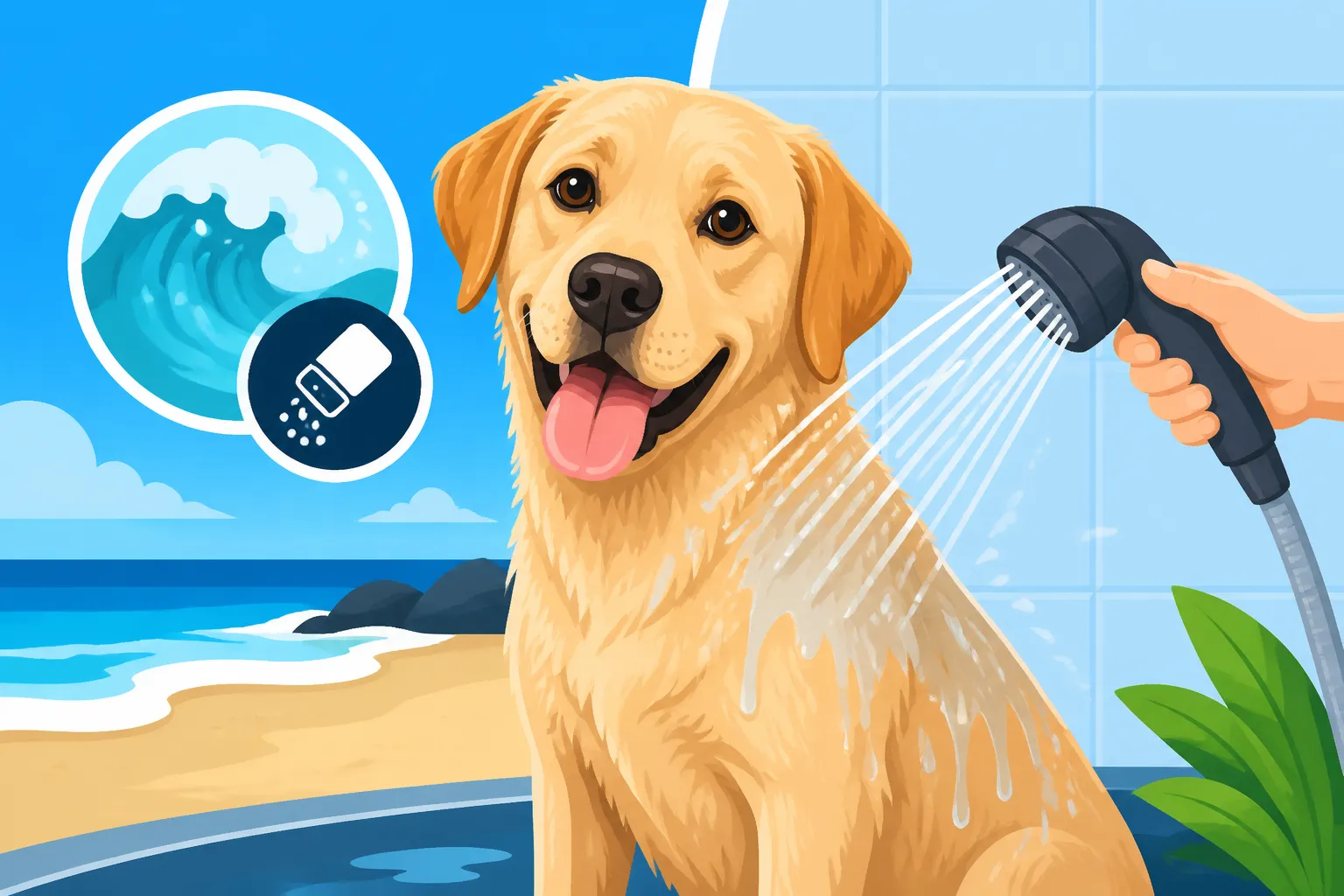
The absolute best time to rinse your Labrador is immediately after they've finished their swim in the ocean. The longer salt water sits on their coat and skin, the more damage it can do. If you're at a beach with outdoor showers, fantastic – use them! If not, a portable water sprayer, a large bottle of fresh water, or even a collapsible bucket of water from your car can work in a pinch. The goal is to get as much of that salt off as quickly as possible.
When rinsing, don't just aim for the topcoat. You need to get down to the skin. Labradors have a dense double coat, and salt can easily hide deep within the fur, right against their skin. Use a gentle but steady stream of lukewarm or cool fresh water. Start at their head (avoiding direct spray into their eyes and ears) and work your way back, ensuring you thoroughly soak every part of their body. Pay special attention to their underbelly, armpits, groin, and the base of their tail – these are common areas where salt (and sand!) can collect and cause irritation. You want the water running off them to be clear, not cloudy with salt residue. For particularly dense areas or if your dog has been really submerged, gently massage the water into their coat with your fingers to help dislodge any remaining salt and sand. Think of it like a mini-shower, not just a quick splash.
Choosing the Right Rinsing Tools and Products
While fresh water is the primary tool, having the right accessories can make the process much smoother and more effective.
- For the immediate rinse: A simple garden hose with an adjustable nozzle is ideal if you're rinsing at home. For on-the-go, portable dog showers or large water jugs are incredibly useful. Many outdoor enthusiasts pack a gallon or two of fresh water specifically for post-swim rinses.
- Shampoo consideration: For casual beach trips, a plain fresh water rinse is often sufficient. However, if your Labrador is a frequent ocean swimmer, or if you notice their coat becoming dull or their skin dry and itchy, a mild, moisturizing dog shampoo might be necessary for a full bath every now and then. Look for shampoos designed for sensitive skin or those with oatmeal or aloe vera, which can soothe and rehydrate. Chewy offers a wide selection of these, making it easy to find one that suits your Lab's needs. Avoid human shampoos, as they can be too harsh and disrupt your dog's skin pH balance. After shampooing, ensure an even more thorough rinse to remove all shampoo residue, which can also be an irritant. For persistent issues, your vet might recommend a medicated shampoo.
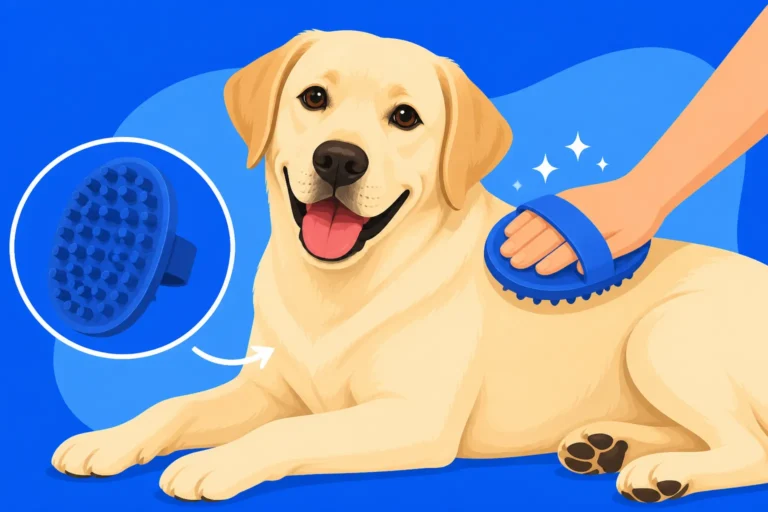
- Grooming tools: A good deshedding brush can be a lifesaver after a salty swim, helping to remove any lingering sand particles and loose undercoat that may have trapped salt. Tools like the Furminator, available on Amazon, are popular choices for Labradors due to their dense coats. A soft bristle brush or a rubber curry comb can also help distribute natural oils and stimulate blood flow to the skin, promoting a healthy coat. Brushing a Labrador's Coat regularly is important, and even more so after beach outings.
Post-Rinse Care for Optimal Labrador Health
Rinsing is just the first step. What you do after the rinse is equally important to ensure your Labrador's comfort and long-term skin and coat health.
Thorough Drying to Prevent Skin Issues
Leaving your Labrador to air dry after a thorough rinse might seem harmless, but it can actually exacerbate some problems. Dampness, especially trapped in a thick double coat, creates a warm, moist environment – perfect for bacteria and yeast to flourish, leading to skin infections or furthering the development of hot spots.
The key is to dry your Labrador thoroughly. Start by gently squeezing excess water from their fur with your hands. Then, use highly absorbent towels to blot and rub them dry. Don't be afraid to use multiple towels; Labs hold a lot of water! For particularly fluffy Labs or during colder weather, a low-setting dog-specific hair dryer can be used, but always keep it moving and never use hot air, which can burn their skin. Ensure you get deep into their undercoat, especially around their armpits, groin, and between their paw pads. These hidden spots are notorious for staying damp. Some owners even invest in a high-velocity dog dryer, which can significantly cut drying time and force moisture out of the dense undercoat. Just make sure to introduce it slowly to your dog so they aren't scared by the noise.
Ear Care and Hydration Considerations
Your Labrador's ears are particularly vulnerable after swimming, especially in salt water. Their floppy ears, combined with their love for diving into water, make them a prime target for moisture and debris to get trapped, leading to painful ear infections. Salt water can be particularly irritating to the delicate skin inside the ear canal.
After every swim, and especially after ocean swims, clean your Labrador's ears. Gently lift the ear flap and use a veterinarian-approved ear cleaner. Apply the cleaner as directed, usually a few drops into the ear canal, then massage the base of the ear to help break up any wax or debris. Allow your dog to shake their head, then use a soft cotton ball or gauze wrapped around your finger to gently wipe out any visible dirt or excess cleaner from the outer ear canal. Never use cotton swabs, as these can push debris further in and damage the eardrum. If you notice redness, a foul odor, excessive head shaking, or your dog pawing at their ears, it's time for a vet visit, as these are signs of a potential ear infection. Regularly cleaning their ears, as detailed in Drying a Labrador's Ears After the Lake, is a critical part of their routine care.
It's also crucial to ensure your Labrador stays well-hydrated after a salty swim. Even though they've been in water, they may have ingested some salt water, which can contribute to dehydration. Always offer plenty of fresh, clean drinking water immediately after a beach trip. Having a travel water bottle or bowl readily available is a good habit. Symptoms of dehydration can include lethargy, sunken eyes, and dry gums.
Preventing Future Issues and Recognizing Warning Signs
The best defense is a good offense, as they say. Being proactive and knowing what to look out for can save your Labrador a lot of discomfort and you, a trip to the vet.
Planning for Beach Trips and Regular Grooming
Preparing for a beach trip with your Labrador should include more than just packing their favorite ball. Always bring a supply of fresh water specifically for rinsing, even if you think there might be showers available. A couple of large plastic jugs of tap water or a portable camping shower bag can be invaluable. This ensures you can provide an immediate, thorough rinse right there on the spot, before the salt has a chance to really set in. If your beach has specific pet-friendly rinse stations, learn their locations.
Regular grooming is also a cornerstone of preventing salt-related issues. Consistent Grooming a Labrador's Short Double Coat helps maintain the health of their skin and coat. This includes regular brushing to remove loose hair and debris, which can trap salt and sand. A bath with a gentle, moisturizing dog shampoo every few weeks, or more frequently if they're a daily ocean swimmer, can help replenish stripped oils and keep their skin healthy. Products like dog-specific conditioners or leave-in sprays, readily found on Chewy or Amazon, can provide an extra layer of moisture and protection, especially for Labs with naturally drier skin. Think of it as a preventative spa day!
| Care Aspect | Before Ocean Swim | Immediately After Ocean Swim | Ongoing Post-Swim Routine |
|---|---|---|---|
| Coat/Skin | Light brush to remove loose fur | Thorough fresh water rinse (head to tail) | Towel dry completely, gentle brushing |
| Ears | Check for redness/debris, ensure dry | Gently wipe outer ear, apply cleaner if needed | Monitor for signs of infection, clean weekly |
| Hydration | Offer fresh water | Offer fresh water, ensure drinking | Consistent access to fresh water |
| Products to Use | – | Portable water, towels | Moisturizing shampoo, conditioner, ear cleaner, deshedding brush |
| Key Goal | Minimize irritants, prepare coat for exposure | Remove all salt & sand from coat/skin | Restore moisture, prevent bacterial/yeast overgrowth |
Recognizing Signs of Trouble and When to See a Vet
Even with the best preventative care, sometimes issues can arise. It’s crucial to know what warning signs to look for so you can address problems before they become severe.
Keep a close eye on your Labrador's skin and coat in the days following a beach outing. Early signs of trouble can be subtle:
- Excessive scratching, licking, or chewing: This is often the first indicator of irritation. Pay attention to specific areas they target.
- Redness or inflammation: Lift their fur and check their skin, especially in common irritation spots like the belly, armpits, inner thighs, and neck.
- Dull or brittle coat: If their coat loses its natural sheen or feels rough to the touch, it might be a sign of excessive dryness.
- Flakiness or dandruff: Dry, irritated skin can lead to shedding of skin cells.
- Odour: A yeasty or otherwise unpleasant smell coming from their coat or skin, even after a bath, can indicate a bacterial or fungal issue.
- Hot spots: These rapidly developing, painful, oozing sores require immediate veterinary attention. They can spread quickly and become very uncomfortable for your dog.
- Ear issues: Shaking of the head, pawing at ears, a foul smell from the ears, or discharge are all red flags for an ear infection. Labrador Ear and Skin Disease often starts subtly.
If you notice any of these symptoms persisting for more than a day or two, or if your Labrador seems genuinely uncomfortable or in pain, it's always best to consult your veterinarian. They can accurately diagnose the issue and recommend appropriate treatment, whether it's a specialized shampoo, topical medication, or oral antibiotics. Don't try to guess or self-medicate; getting a professional opinion early can prevent minor irritations from escalating into more serious health problems for your beloved companion.
Disclaimer
This article is for general informational purposes only and does not constitute professional advice. Laws, prices and regulations vary by location and change over time. Consult a qualified professional for guidance on your specific situation.