Feeding a Labrador Before and After Exercise
It's a familiar scene, isn't it? Your Labrador, tail wagging like a metronome, is bouncing off the walls, ready for their next adventure – whether it's a vigorous hike, a splash in the lake, or an intense game of fetch. As a loving owner, you want to fuel that boundless energy, but you also worry about feeding them at the wrong time, potentially leading to an upset tummy or, even worse, something serious like bloat. Navigating the "when" and "what" of feeding around exercise can feel like a minefield, but this guide is here to clear the path, helping you nourish your active Labrador safely and effectively.
Why Timing Matters: Digestion, Energy, and Bloat Risk
When it comes to feeding your Labrador before or after they exert themselves, timing isn't just a suggestion; it's a critical component of their health and well-being. Their bodies are incredible machines, designed for activity, but they also have delicate digestive systems that need respect, especially when energy demands are high. Getting the timing wrong can lead to discomfort, inefficiency, or, in severe cases, life-threatening conditions.
The Perils of Exercising on a Full Stomach
Imagine heading out for a vigorous run right after eating a huge, multi-course meal. You'd likely feel sluggish, maybe crampy, and certainly not at your best. Your Labrador isn't much different, though the risks for them can be significantly higher. Exercising on a full stomach can lead to several problems, the most concerning of which is Gastric Dilatation and Volvulus (GDV), commonly known as bloat. Labradors, being a deep-chested breed, are unfortunately at a higher risk for this condition, which can be fatal if not treated immediately. Labrador Bloat Risk and Deep Chests explains this in more detail, but the short version is that a stomach full of food and gas can twist, cutting off blood supply and trapping air. This is an emergency that no one wants to face.
Beyond bloat, a full stomach during exercise can simply cause general digestive upset. Think about what happens when food sloshes around: indigestion, vomiting, or diarrhea are all unpleasant possibilities. Their bodies are trying to direct blood flow to their working muscles, not their stomach, which means digestion is less efficient. This can leave them feeling uncomfortable, leading to a less enjoyable and less effective exercise session. It’s about ensuring their comfort and health above all else.
Digestion Times and Energy Availability
Not all food digests at the same rate, and understanding this is key to providing your Labrador with the right energy at the right time. A typical meal of dry kibble can take anywhere from 4 to 10 hours to fully digest in a dog's stomach, with many factors influencing this, such as the food's fat and protein content, and the dog's individual metabolism. A quick, high-sugar treat might offer a brief burst of energy, but it's usually followed by a crash, much like for humans. On the other hand, complex carbohydrates and balanced proteins provide a more sustained release of energy.
If you feed too close to exercise, the food isn't broken down into usable energy yet, meaning your dog is carrying a heavy, undigested meal rather than running on fuel. If you wait too long, they might be running on fumes. The goal is to time their meal so that the bulk of digestion is complete, and nutrients are beginning to be absorbed, providing steady energy without a heavy stomach. This is especially important for sustained activities like a long hike or a swimming session, where they need consistent fuel, not just a quick hit.
Pre-Exercise Fueling: What and When
Getting your Labrador properly fueled before an activity is a fine art, balancing their need for energy with the imperative to prevent digestive upset. It's not about stuffing them full, but rather about providing adequate, easily digestible fuel for the work ahead. This timing can vary based on the intensity and duration of the exercise.
Optimal Meal Timing Before Activity
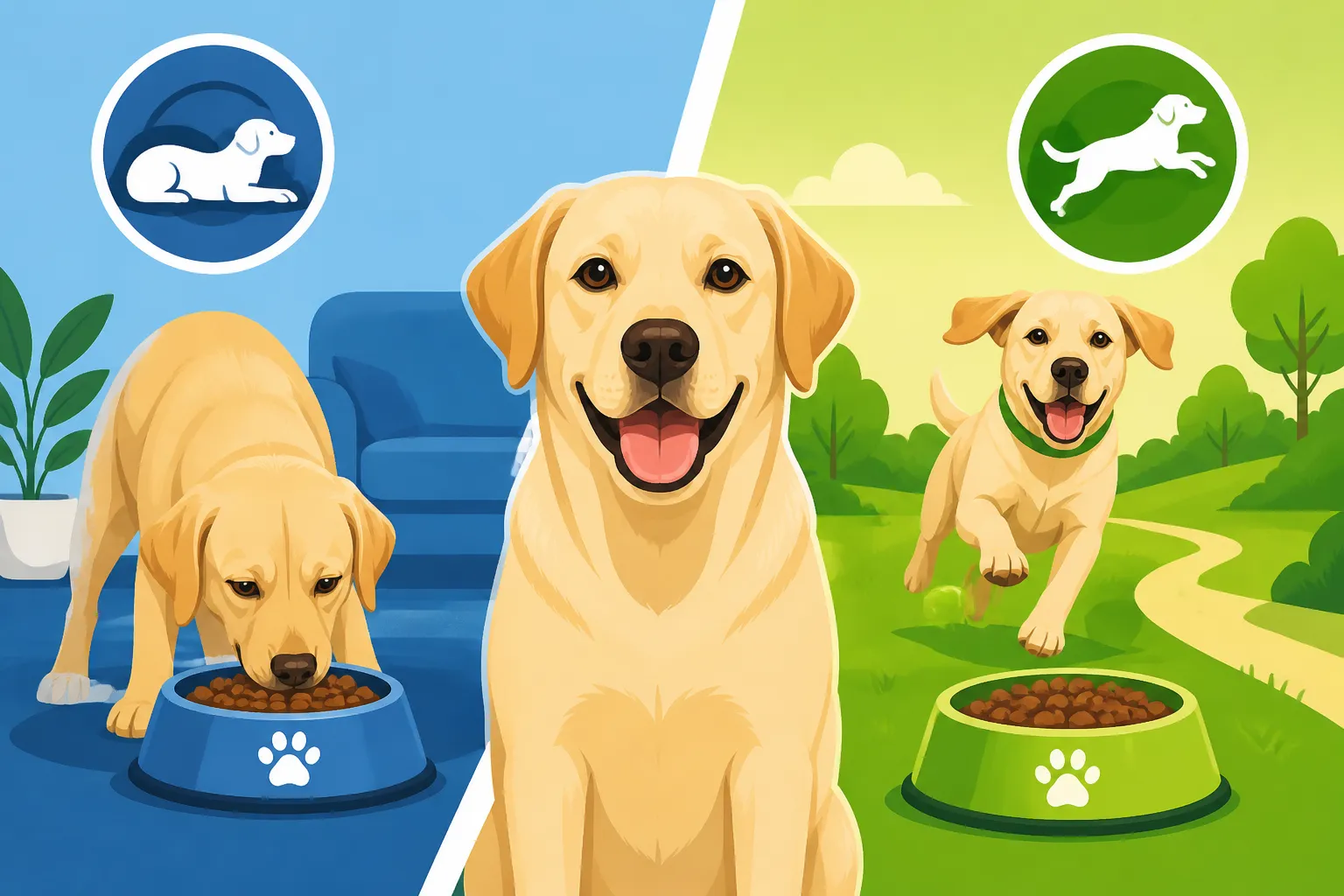
For most typical Labrador exercise – think a brisk 30-60 minute walk, a romp in the park, or a casual swim – a full meal should be given at least 2-3 hours beforehand. This allows ample time for the food to begin its journey through the digestive system, reducing the risk of bloat or discomfort while they're active. If you're planning a more strenuous or prolonged activity, like a multi-hour hike or a field training session, extending that window to 3-4 hours might be even safer, ensuring the stomach is largely empty of solid food.
For lighter activities, like a quick potty break or a very gentle stroll around the block, a small amount of food or a treat consumed closer to the activity might be okay, but it's always safer to err on the side of caution. Generally, it's best practice to separate significant food intake from significant physical exertion. Remember that Why Free Feeding Fails With a Labrador highlights that these dogs are often prone to overeating, making scheduled meals and mindful timing even more crucial.
Here's a simple guide to help you decide:
| Activity Type | Pre-Exercise Feeding Window | Key Considerations |
|---|---|---|
| Casual Walk (30-60 min) | 1-2 hours | Small snack (if any) closer to activity is sometimes okay |
| Moderate Play/Hike (1-2 hours) | 2-3 hours | Prioritize full digestion to prevent discomfort |
| Strenuous Training/Field Work (>2 hours) | 3-4 hours | Crucial for bloat prevention and sustained energy |
| Swimming | 2-3 hours | Bloat risk heightened, ensure no food sloshing |
Best Pre-Workout Snacks and Their Purpose
Sometimes, your Labrador might need a little top-up, especially if it's been a while since their last full meal and a long, energetic session is coming up. The key here is small and easily digestible. This isn't the time for a big, fatty chew or a whole bowl of kibble.
Good pre-workout snack options might include:
- A few pieces of their regular kibble: Just enough to take the edge off hunger and provide a tiny energy boost.
- A small carrot stick or apple slice: Low in calories, high in fiber, and hydrating.
- A tiny piece of cooked, plain chicken breast: Lean protein for sustained energy without being heavy.
The purpose of these snacks is not to fill them up, but to give them a slight metabolic boost. It’s also wise to avoid introducing new foods right before a big exercise session, as this could lead to unexpected digestive upset. Stick to what you know they tolerate well. Many owners find their usual high-quality kibble, perhaps purchased from a reputable retailer like Chewy, works perfectly for this purpose, just in smaller quantities. For specific dietary needs or if you're looking for easily digestible options, you might explore fresh food subscriptions from a brand like Ollie.
Post-Exercise Recovery: Rehydrating and Replenishing
The workout doesn't end when the leash comes off or the ball is put away. The recovery phase is just as important, focusing on rehydration and replenishing depleted energy stores. Your Labrador has worked hard, and their body needs support to bounce back effectively.
Immediate Post-Workout Hydration
As soon as your Labrador finishes exercising, especially if it was intense or in warm weather, their first priority should be rehydration. They've likely been panting heavily, losing fluids, and their body temperature might be elevated. Offering fresh, cool (but not ice-cold) water is crucial.
However, a common mistake is letting them gulp down huge quantities of water too quickly, which, like rapid eating, can increase the risk of bloat. Instead, offer water in smaller, controlled amounts. If your Labrador is prone to gulping, you might:
- Offer a few sips every few minutes.
- Use a shallow bowl or your hand to limit the amount they can drink at once.
- Wait until their panting has subsided significantly before offering larger amounts.
Watch for Signs of Heatstroke in a Labrador, especially if they've been exercising in hot conditions, as excessive thirst can be a symptom. Ensuring controlled access to water helps them rehydrate safely.
When to Feed and What to Offer After Exercise
Just as there's a waiting period before exercise, there's one for after as well. Typically, you should wait at least 30-60 minutes after strenuous activity before offering your Labrador a meal. Their body needs time to cool down, their heart rate needs to normalize, and their digestive system needs to shift back into "digest mode." Feeding too soon after exercise can still pose a bloat risk and may lead to discomfort or vomiting.
When it's time to feed, their regular, balanced meal is usually appropriate. Their body will be eager to replenish glycogen stores in their muscles and repair any minor tissue damage. If they've had a particularly intense or long session, some owners might slightly increase their normal portion (if they are a working dog with high caloric needs) or add a small, easily digestible supplement like a plain yogurt or a vet-approved electrolyte solution (always consult your vet first).
For active Labradors, choosing a high-quality dog food that provides adequate protein and healthy fats is essential for sustained energy and recovery. You might find a wide range of specialized sports nutrition foods or supplements on platforms like Amazon, but always ensure they are suitable for your dog and backed by veterinary advice. Remember to consult their Cups Per Day for an Adult Labrador guidelines to avoid overfeeding, which can lead to weight gain over time.
Special Considerations: Puppies, Seniors, and High-Performance Dogs
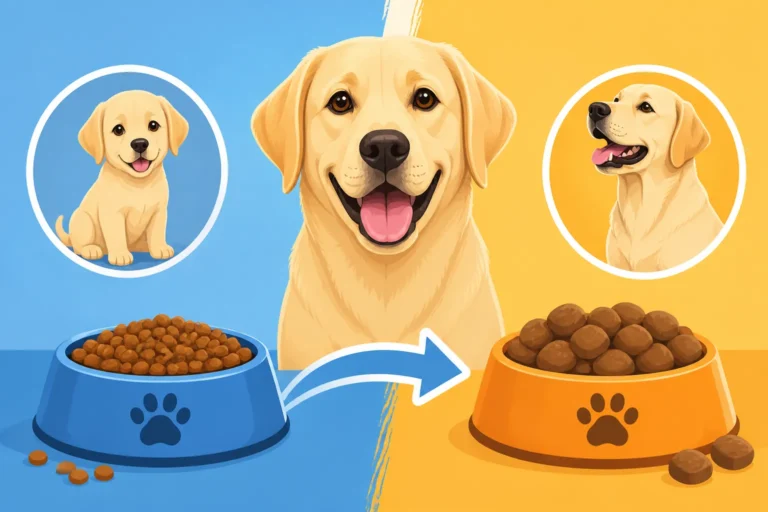
While the general rules of feeding around exercise apply to most Labradors, certain life stages and activity levels require a slightly more nuanced approach. Puppies, seniors, and highly athletic working dogs each have unique nutritional and physical needs that influence their feeding schedules relative to their activity.
Young Pups and Growing Bodies
Labrador puppies are bundles of boundless energy, but their bodies are still developing, and overexertion or improper feeding can have long-term consequences. Their growth plates are open, making them susceptible to injury from too much high-impact exercise. Therefore, their exercise should be kept to short, frequent bursts of play rather than long, strenuous sessions. Exercise Limits for a Labrador Puppy provides excellent guidance on this.
When it comes to feeding, puppies need more frequent, smaller meals throughout the day to support their rapid growth and high metabolism. Instead of two large meals, they might get three or four smaller ones. This naturally spreads out their food intake, making the "before and after exercise" timing easier to manage. You’re less likely to have a puppy with a hugely full stomach if they've just had a small portion an hour or two ago. Refer to a Labrador Puppy Feeding Amounts and Schedule for precise guidelines tailored to their age and weight. After a play session, ensure they rehydrate with fresh water, and then offer their next small meal as per their regular schedule.
Senior Labradors and Lower Energy Needs
As Labradors age, their metabolism slows, their energy levels naturally decrease, and they often become more prone to joint issues. Caring for a Senior Labrador involves adjusting their diet and exercise to support their changing body. An older Labrador might still enjoy a gentle walk or a leisurely swim, but they won't have the same stamina or need for calories as their younger selves.
For senior Labs, the concern shifts less to intense performance and more to comfort and avoiding strain. They might benefit from smaller, more digestible meals if their digestive system has slowed. Giving their meals at least 2 hours before a walk and waiting 30-60 minutes afterward remains a good practice, primarily to prevent any digestive upset. Keeping them at a healthy weight is paramount for their aging joints, so carefully monitor their food intake. Slowing Joint Decline in an Older Labrador emphasizes the importance of weight management and appropriate exercise to maintain mobility and comfort.
Working and Athletic Labradors
Then there are the Labradors bred and trained for high-performance activities – field trials, hunting, agility, or search and rescue. These dogs are essentially canine athletes and have significantly higher caloric and nutritional needs than a typical family pet. Their feeding strategy becomes a critical part of their training and performance regimen.
Working Labradors often require specialized diets that are higher in fat and protein to provide sustained energy and support muscle recovery. Instead of a single large meal before an event, they might benefit from a strategic smaller meal with complex carbohydrates 3-4 hours prior, followed by a very small, easily digestible snack (like a few bites of lean meat or kibble) an hour before intense work begins. During prolonged events, some handlers even offer small, diluted electrolyte drinks or highly palatable, moist food to maintain hydration and energy.
Post-exercise, these dogs need rapid replenishment. A balanced meal within an hour or two, packed with high-quality protein and carbs, is essential for muscle repair and glycogen repletion. Always ensure they have access to plenty of fresh water throughout their activity and recovery periods. It's a precise balancing act to ensure these incredible athletes are always at their peak.
Disclaimer
This article is for general informational purposes only and does not constitute professional advice. Laws, prices and regulations vary by location and change over time. Consult a qualified professional for guidance on your specific situation.