Whether Labradors Still Work as Gundogs
It’s a common question I hear from folks who love Labradors: are these incredible dogs still working gundogs, or have they mostly transitioned into being beloved family pets? The truth is, it's a bit of both, and the answer isn't as simple as a yes or no. This guide will dive deep into the enduring spirit of the Labrador as a working gundog, exploring their innate abilities, how breeders maintain these traits, and how even family pets can embody their rich heritage.
The Enduring Legacy: Why Labradors Excel as Gundogs
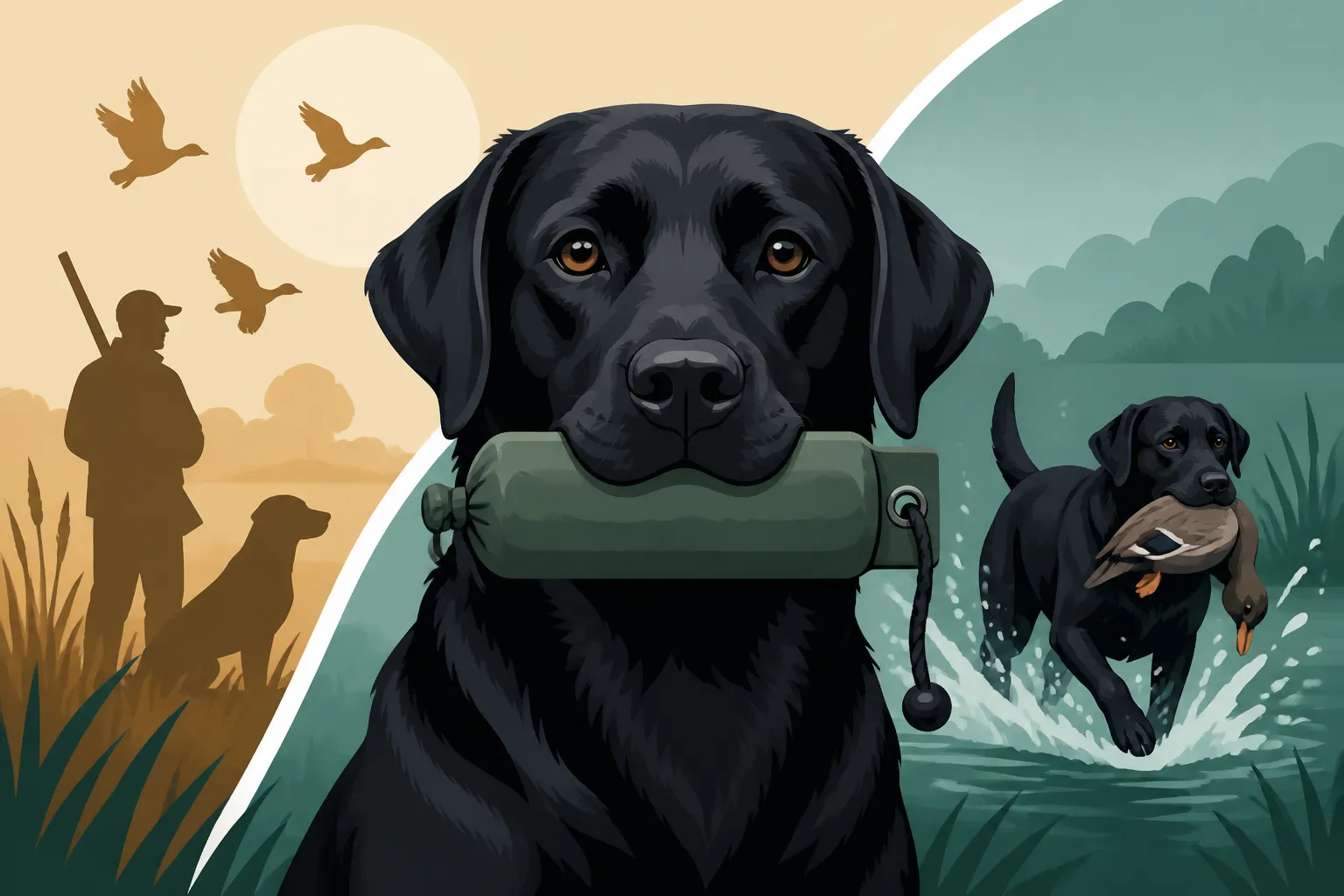
When you think of a Labrador, you likely picture a friendly, tail-wagging companion, eager for a game of fetch. But beneath that charming demeanor lies a powerful, intelligent animal, meticulously developed over centuries to work alongside hunters. This isn't just a historical footnote; it's a living legacy that continues to define the breed today. Their purpose was, and in many lines, still is, to retrieve game, often in challenging conditions.
Innate Drive and Temperament
The core of a Labrador's gundog prowess lies in its inherent drives. They possess an almost unshakeable desire to retrieve, a soft mouth that allows them to carry game without damaging it, and an incredible eagerness to please their handler. These traits aren't accidental; they were carefully selected for by the early breeders. Imagine a frigid fall morning, a hunter needs a dog to plunge into icy water to retrieve a fallen duck. That takes an immense amount of drive, resilience, and focus – qualities that are still paramount in a working Labrador. Their high Labrador Intelligence and Trainability also makes them exceptional partners in the field, able to learn complex commands and make independent decisions when needed.
Furthermore, a gundog Labrador needs a steady temperament. They can't be easily spooked by gunshots or chaotic environments. They need to be calm and patient, waiting quietly in a blind for hours, then exploding into action on command. This blend of calm patience and explosive energy is truly remarkable. It's why they are so adaptable, able to switch from a high-intensity retrieve to a gentle cuddle on the sofa. This balanced nature is crucial, not just for hunting, but for being a well-adjusted dog in any setting.
Physical Attributes Built for the Field
Beyond their mental and emotional traits, Labradors boast a physical structure that is perfectly suited for gundog work. Their dense, double coat provides incredible insulation against cold water and harsh weather, repelling moisture almost magically. You've seen it, right? A Lab shakes off water, and their coat seems almost dry immediately. That's no accident; it's part of their design. Their webbed feet are like built-in flippers, giving them a powerful advantage in swimming. This makes them superb at water retrieves, a task they were originally bred for when working with fishermen and later, waterfowl hunters.
Their strong, otter-like tail acts as a rudder in the water, providing steering and balance. On land, their sturdy, muscular build allows them to cover ground quickly and push through dense undergrowth without tiring easily. They're built for endurance and power, not just speed. A field Labrador might not be quite as bulky as some show-line Labs, but they are incredibly athletic and well-muscled. This physical robustness, combined with their low center of gravity, makes them incredibly agile and capable of navigating diverse terrains, from marshlands to dense forests, with ease. This combination of physical and mental aptitude is why What Labradors Were Bred to Do continues to influence their capabilities today.
Modern Roles and the Evolution of the Gundog Labrador
While the fundamental traits remain, the world of gundog work has evolved. Today, Labradors are still highly sought after as hunting companions, but the breeding and training methods have refined, often creating distinct lines suited for different purposes.
Field Lines vs. Show Lines
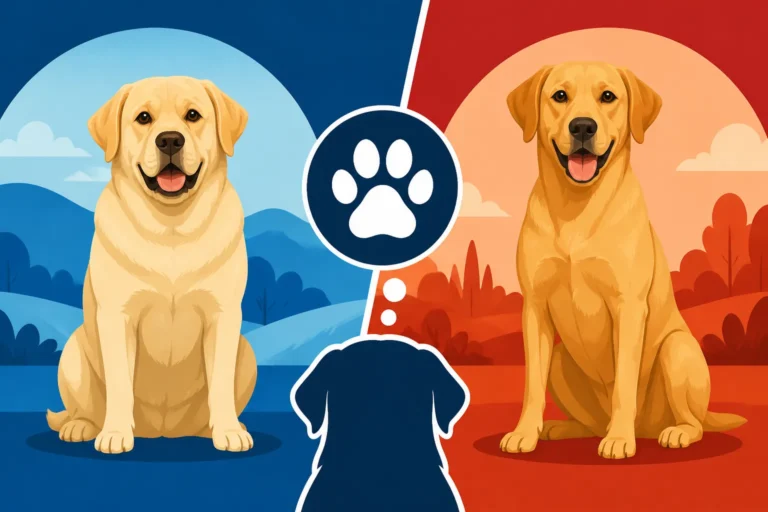
This is where the distinction often becomes most apparent. You might hear people talk about "English Labs" or "American Labs," which often correlates with "show lines" and "field lines," respectively. While these aren't official breed classifications, they describe noticeable differences.
-
Field Line Labradors: These are the workhorses. Breeders of field-line Labradors prioritize working ability above all else. They select for intense drive, exceptional scenting ability, speed, agility, and a relentless desire to retrieve. These dogs often have a more athletic, leaner build, with narrower heads and longer legs. They are bred for high energy and an unwavering focus on the task at hand. If you meet a field-line Lab, you'll likely notice their boundless energy and their innate need to "do" something. These dogs are truly built for intense Gundog Training Costs for a Field Labrador and demanding hunting environments. You can read more about Field Line Labrador Traits to understand what makes them tick.
-
Show Line Labradors: Sometimes referred to as "bench" or "English" Labs, these dogs are bred to conform closely to The AKC Labrador Retriever Breed Standard, with an emphasis on physical appearance, conformation, and a somewhat calmer temperament. While they still possess the fundamental Labrador traits of a good nature and retrieving instinct, the intensity of their drive might be less pronounced than in a dedicated field line. They often have a blockier head, a thicker body, and a generally more laid-back disposition. This isn't to say they can't hunt, many do, but their primary breeding focus is different. For more on this, check out Show Line Labrador Traits.
It's important to remember that these are generalizations, and there's a spectrum. Many excellent breeders strive for a balance, producing dogs that can excel in both the show ring and the field, or simply be fantastic, biddable companions. The key is knowing what you're looking for in a Labrador and understanding the lineage behind them.
Training for Today's Hunting Needs
Training a Labrador for gundog work is an intensive process that builds upon their natural abilities. It's not just about teaching them to fetch. It involves complex obedience, mark training (remembering where a bird fell), blind retrieves (retrieving a bird they didn't see fall, guided by the handler), steadiness (remaining calm until commanded), and advanced scent work.
Modern gundog training often employs positive reinforcement methods, building a strong bond between dog and handler. Tools like whistles, hand signals, and specific verbal cues are used to direct the dog in the field. Training starts young, often with puppy retrieves and basic obedience, gradually increasing in complexity as the dog matures. This rigorous training isn't just for hunting; it's a fantastic way to bond with your Labrador and provide them with the mental and physical stimulation they thrive on. Many owners, even those who don't hunt, engage in Labrador Obedience and Field Titles competitions to challenge their dogs and celebrate their natural abilities. Training a Labrador, whether for hunting or just general good manners, often involves quality treats and durable training tools, many of which you can find at places like Chewy.
Beyond the Hunt: Other Working Roles for Labradors
The traits that make Labradors exceptional gundogs – their intelligence, biddability, excellent nose, and calm demeanor – translate beautifully into many other working fields. They aren't just limited to retrieving game; they are true canine all-rounders.
Search and Rescue and Detection Work
Their superior olfactory senses make Labradors ideal candidates for scent-based work. In search and rescue, they can track missing persons over vast distances, even in challenging environments. Their stamina ensures they can work for extended periods, and their friendly nature can be a comfort to those they find. These dogs are trained to alert their handlers to human scent, often indicating the location of someone trapped or lost. The dedication of these dogs and their handlers is truly inspiring.
Labradors also dominate the world of detection. You'll find them sniffing out narcotics, explosives, accelerants, and even agricultural pests at airports and border crossings. Their non-threatening appearance and strong work ethic make them perfect for public-facing roles. They are often chosen because their eager-to-please nature means they see these demanding tasks as a fun game, fueled by their desire for a reward, whether it's a favorite toy or a tasty treat. This innate desire to work and their remarkable nose makes them indispensable. Labradors in Search and Rescue Work highlights their incredible contributions in these critical areas.
Service and Therapy Work
Perhaps one of the most heartwarming roles Labradors excel in is service and therapy work. Their gentle nature, patience, and intelligence make them superb assistance dogs for people with disabilities. They can guide the visually impaired, provide mobility support, retrieve dropped items, and even alert to medical conditions. The deep bond formed between a service dog and its handler is a testament to the Labrador's empathetic and loyal character.
As therapy dogs, Labradors bring comfort and joy to hospitals, nursing homes, and schools. Their calm presence and willingness to be petted can reduce stress and anxiety in people of all ages. Their ability to connect with humans on such a profound level, often without judgment, is truly a gift. These roles demonstrate the remarkable versatility of the breed, proving that their working spirit extends far beyond the traditional hunting field. Many organizations specifically choose Labradors for these vital roles, recognizing their unparalleled blend of intelligence, temperament, and drive. For those interested, Labrador Tasks in Guide Dog Programs offers more insight into this impactful work.
Keeping the Gundog Spirit Alive in a Pet Home
Even if your Labrador's "hunting ground" is your local park or living room, you can still embrace and celebrate their gundog heritage. Providing outlets for their natural drives is crucial for a happy, well-adjusted Labrador, preventing boredom and destructive behaviors.
Incorporating Retrieving Games and Scent Work
Retrieving isn't just a fun game for a Labrador; it's an ingrained instinct. Make fetch a daily ritual. Use different types of toys and vary the throwing patterns to keep it interesting. If your Labrador loves water, find safe opportunities for them to swim and retrieve in a lake or dog-friendly pool. This engages their physical attributes and fulfills a deep-seated desire. A durable, floating dummy, perhaps one from Chewy, can make water retrieves even more exciting.
Scent work is another fantastic way to tap into their gundog roots. Hide treats or their favorite toys around the house or yard and encourage them to "find it." This engages their powerful nose and provides immense mental stimulation. Simple nose work games can be easily set up at home and are incredibly rewarding for both dog and owner. They don't need to be tracking a pheasant; finding a hidden kibble can be just as satisfying for their brain. This kind of engagement helps fulfill their The Labrador Retriever Breed Explained drives in a way that’s appropriate for a family pet.
Maintaining Physical and Mental Fitness
A Labrador, regardless of its "line," needs plenty of exercise. Their strong gundog bodies are not meant to be idle. Daily walks are a start, but they truly thrive with more vigorous activity. This could be long hikes, runs, swimming, or extended play sessions. A bored Labrador is often a destructive Labrador, channeling their energy into chewing inappropriate items or digging. Providing adequate Exercise a Labrador Needs Each Day is paramount for their physical health and mental well-being.
Mental exercise is just as important. Puzzle toys, training sessions, and learning new tricks keep their intelligent minds sharp. Remember, Labradors are highly trainable and love to learn. Continuing to work on obedience commands, even advanced ones, provides structure and engagement. A mentally stimulated Labrador is far less likely to develop behavioral issues. Think of it as keeping their gundog brain active, even if they're never going to point a bird. This constant engagement, combined with a proper diet (perhaps from Chewy, which often carries specific formulas for active breeds, see Feeding a Labrador Through Every Life Stage), ensures your Labrador lives a full and vibrant life.
| Feature | Traditional Gundog Labrador | Family Pet Labrador (with gundog spirit) |
|---|---|---|
| Primary Focus | Hunting, field trials | Companionship, family life |
| Breeding Priorities | Working drive, stamina | Temperament, health, conformation |
| Training Intensity | High, specialized | Moderate to high, general obedience |
| Exercise Needs | Very high, often structured | High, varied activities |
| Retrieving Drive | Extremely high, precise | High, enthusiastic, often playful |
| Scent Work | Advanced, critical | Encouraged through games |
| Coat & Build | Athletic, weather-resistant | Can vary (show line thicker), healthy |
| Temperament | Steady, biddable, focused | Affectionate, friendly, adaptable |
Ultimately, the answer to whether Labradors still work as gundogs is a resounding yes, though the type of work and the intensity of their working life might vary widely. From the dedicated field trial champion to the cherished family pet who loves to retrieve a tennis ball, the inherent spirit of the gundog remains a defining characteristic of this incredible breed. It's a testament to their versatility, intelligence, and unwavering desire to be a partner, no matter the task.
Disclaimer
This article is for general informational purposes only and does not constitute professional advice. Laws, prices and regulations vary by location and change over time. Consult a qualified professional for guidance on your specific situation.