Why Labradors Love Carrying Shoes
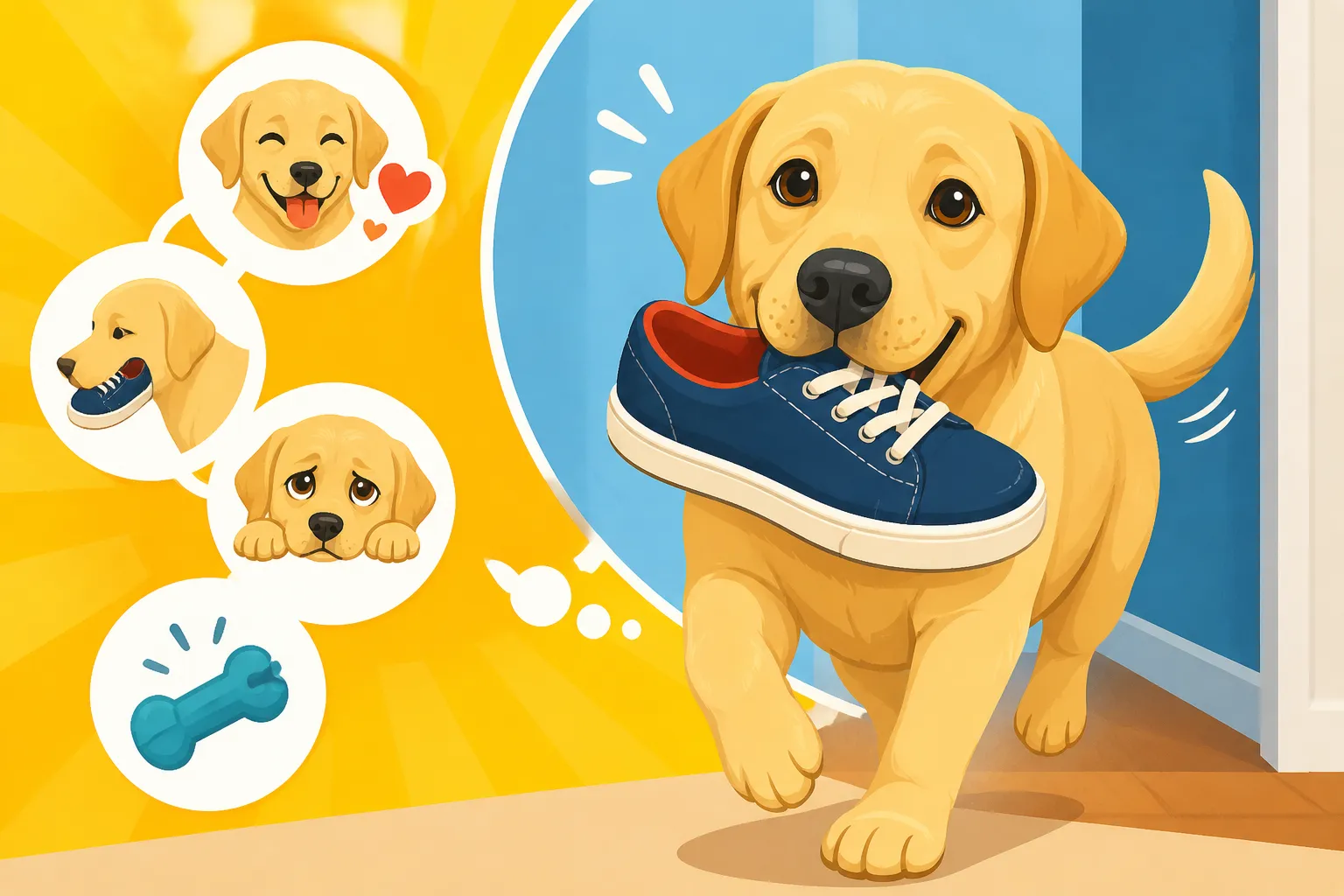
Oh, the infamous shoe heist! If you're a Labrador owner, you've probably walked into a room more than once only to find your favorite slipper or a rogue running shoe proudly displayed in your dog's mouth, tail wagging like they've just won the lottery. It's a common, often endearing, but sometimes utterly frustrating quirk that many of us Lab parents know all too well. This guide is here to shed some light on why our beloved Labradors have such an affinity for carrying our footwear and, more importantly, what we can do to manage this behavior effectively.
The Instinctual Drive to Retrieve: It's in Their DNA!
Let's face it, Labradors were practically born with a job description already etched into their genetic code: retrieving. This isn't just a cute habit; it's a deep-seated instinct that dates back centuries.
A Deep-Seated Heritage
Think about the origins of the Labrador Retriever. They weren't lounging on velvet cushions; they were working dogs, bred in Newfoundland (not Labrador, interestingly enough!) to help fishermen retrieve nets, ropes, and most importantly, fish that had escaped the lines in icy North Atlantic waters. These dogs, often referred to as St. John's Water Dogs, were renowned for their incredible stamina, love of water, and a truly remarkable "soft mouth." The soft mouth meant they could carry delicate items like fish or, later, game birds, back to their masters without causing any damage. It’s this very soft mouth and inherent desire to carry things that we see manifesting today when your Lab trots off with your hiking boot.
This retrieving drive isn't just a historical footnote; it's a vibrant part of their daily existence. Every time your Labrador picks up a fallen leaf, a stick in the park, or yes, your shoe, they are, in a way, honoring their ancestors. They are fulfilling a primal need to fetch, hold, and deliver. For them, it's not misbehavior; it's simply doing what comes naturally. Understanding this deep history helps us approach the behavior with a bit more patience and empathy. The urge to carry things is as fundamental to a Labrador as swimming is to a duck. You can read more about their early ancestors and their appearance in What the St. John's Water Dog Looked Like.
Satisfying the Oral Fixation
Beyond the pure act of retrieving, Labradors also possess a strong oral fixation. This isn't necessarily about destructive chewing, although that can certainly be a byproduct, especially in younger dogs. Instead, it's about the comfort and satisfaction they derive from having something in their mouths. It's a sensory experience for them.
When a Labrador carries a shoe, they're not always looking to destroy it; often, they're just holding it. It's akin to a child carrying a favorite blanket or a comfort toy. The texture of the shoe, the way it feels in their mouth, and the act of carrying it can be incredibly soothing and self-rewarding. Puppies, in particular, use their mouths to explore the world, much like human babies use their hands. As they mature, this exploratory mouthing often transitions into a preference for carrying. This might be why your Labrador might gently pick up a shoe, carry it to their bed, and simply lie down with it, rather than tearing it apart. It’s a way for them to interact with an object they find appealing, and for a dog bred for their renowned gentle bite, it truly is about the hold, not the harm. This "soft mouth" trait is a hallmark of the breed, allowing them to carry delicate game birds without bruising them, and it’s why your Lab can carry your glasses without crushing them (most of the time!). Learn more about this amazing trait in Why Labradors Have Soft Mouths.
Attention-Seeking and Communication
Let's be real: sometimes our Labs are just master manipulators, and they've figured out that a shoe is a surefire way to get our attention. Have you ever noticed your dog grab a shoe, make eye contact, and then prance away, almost daring you to follow? That's not a coincidence.
Dogs are incredibly astute observers of human behavior. If every time your Lab picks up a shoe, you react – whether it's a frustrated "No! Drop that!" or a playful chase – they've achieved their goal: they've engaged you. For a social and affectionate breed like the Labrador, any attention is often good attention. They might be trying to initiate play, signal that they need to go outside, or simply feel a bit neglected and want some interaction. The shoe becomes a prop in their communication strategy. It’s a learned behavior, reinforced by our reactions. If a quick grab of your sandal results in you stopping what you're doing to interact with them, they'll quickly connect those dots. They're not being naughty; they're being clever and using what they know works to get a response from their favorite human.
Why Shoes (and Other Forbidden Treasures)?
Of all the things in the house, why does it always seem to be the shoes? It's not just random; there are several compelling reasons why our footwear holds such a powerful allure for our furry friends.
Scent and Familiarity
To put it simply, your shoes reek – to a dog, that is! And to a Labrador, your scent is the most wonderful, comforting, and interesting smell in the world. Our shoes carry a concentrated cocktail of our individual odor, sweat, and the various places we've walked throughout the day. For a creature whose primary sense is smell, a shoe is like a personalized scratch-and-sniff experience, a fragrant diary of your day.
Imagine your Labrador lying in their bed, feeling a bit lonely while you're at work. Picking up your shoe and carrying it might be a way for them to feel closer to you, to surround themselves with your comforting scent. It's a powerful psychological connection for them. This is why a shoe often trumps their own chew toys – those don't smell nearly as much like you. It’s a bit like us hugging a worn sweater that smells of a loved one; for them, it’s a direct link to their favorite person, a tangible piece of you they can hold onto. This is especially true for dogs who spend time alone; your scent can be a source of security.
Texture and Accessibility
Beyond the irresistible scent, shoes offer a smorgasbord of textures that dogs find incredibly satisfying to hold and mouth. From the smooth leather of a dress shoe to the rugged rubber of a sneaker, the soft fabric of a slipper, or the intriguing laces, shoes provide a diverse tactile experience. They're often just the right size and shape for a Labrador's mouth, making them comfortable to carry around.
What's more, shoes are often incredibly accessible. We tend to leave them near the door, under a chair, or scattered in the hallway – perfectly within paw's reach. They're not locked away in cabinets or placed on high shelves; they're usually right there for the taking. This combination of varied texture and easy availability makes them an irresistible target. Compare this to a single, worn-out rubber toy that offers the same sensation every day. A shoe, on the other hand, is an adventure in textures and tastes, constantly renewing its appeal. It’s no wonder they gravitate towards them when seeking oral gratification or a new object to carry.
The Thrill of the "Forbidden"
Let's not underestimate the allure of the forbidden. While it might sound mischievous, for a dog, sometimes the very act of grabbing something they know they shouldn't have adds an extra layer of excitement. If you've ever chased your Lab around the house trying to reclaim your shoe, you've inadvertently taught them that taking your shoe leads to a fun game of chase.
It's not that your Labrador is being spiteful or trying to annoy you. Rather, they're responding to the high-energy reaction they get from you. For a playful and intelligent breed, a spontaneous game of "catch me if you can" is a blast! This can be particularly true during the adolescent phase, where boundaries are tested and playful antics are common. While we might find it annoying, for them, it's a thrilling interaction. This isn't malice, it's often a learned behavior where the "naughty" act brings a reward (your attention or a game). It’s an easy trap for us to fall into, but understanding it is the first step to changing the dynamic. It's important to differentiate this from actual destructive chewing, which can indicate boredom or anxiety, especially when your Labrador is still Labrador Chewing Through Adolescence.
Managing the Shoe-Carrying Habit
So, you understand why they do it, but how do you stop your prized loafers from becoming a parade float? The good news is, with consistency and a bit of foresight, you can absolutely manage this behavior.
Redirection and Providing Alternatives
The most effective strategy is to give your Labrador appropriate outlets for their natural retrieving and carrying instincts. Instead of just saying "no," offer them something they can carry.
Stock up on a variety of appealing dog-safe toys designed for carrying, fetching, and gentle chewing. Think about different textures: rope toys, plush retrieving dummies, rubber kongs, and durable chew toys. Make these toys readily available and exciting. When you see your Lab eyeing your shoe, immediately pick up one of their toys and enthusiastically offer it. Praise them lavishly when they take their toy instead. This teaches them, "Ah, this is what I'm allowed to carry, and it makes my human happy!" Rotate toys to keep them interesting. You can find a huge selection of durable chews and engaging toys at online retailers like Chewy, which can make a big difference in keeping your Lab's oral fixation satisfied. Giving them proper outlets for their urges is far more effective than just trying to suppress them. For younger Labs, providing Toys That Satisfy a Teething Labrador is absolutely essential.
Training the "Drop It" and "Leave It" Commands
These two commands are indispensable for any Labrador owner, especially when dealing with their penchant for carrying forbidden items. Mastering "drop it" and "leave it" gives you control and safety.
- "Drop It": Start practicing "drop it" with a low-value item they're already holding (like one of their toys). Hold a high-value treat near their nose. The moment they open their mouth to investigate the treat, say "drop it," take the toy, and immediately give them the treat. Repeat this many times. Gradually increase the value of the items they're holding, always rewarding with something even better. The goal is to make "drop it" mean "let go of what you have, and something better is coming." Never snatch the item, as this can lead to resource guarding.
- "Leave It": "Leave it" is for preventing them from picking up an item in the first place. Place a tempting item (like a shoe, but start with a less exciting object) on the floor. When your Lab looks at it, say "leave it" and immediately reward them with a high-value treat when they turn their attention to you instead. Gradually increase the duration they have to ignore the item before getting their reward, and slowly increase the temptation of the object. Consistency is key here. If they successfully ignore your shoe when you walk past it, praise and reward them. Being able to calmly ask your dog to Teaching a Labrador to Drop It Reliably not only saves your belongings but builds trust and a strong bond.
Environmental Management
This is perhaps the simplest, yet most overlooked, solution: prevent access to the forbidden fruit! If your Labrador can't get to your shoes, they can't carry them.
Make it a habit to put shoes away immediately when you take them off. Use shoe racks in closets, closed cabinets, or even lidded storage bins. This isn't about punishing your dog; it's about setting them up for success. If the temptation isn't there, they can't practice the undesirable behavior. This strategy extends beyond shoes to anything else they might be tempted to carry or chew, like remote controls, children's toys, or socks. Think of it as dog-proofing your home, much like you would baby-proof for a toddler. When you remove the opportunity for them to "practice" taking your shoes, you make it much easier for them to learn what is acceptable. This principle applies to many aspects of living with a curious Labrador, like Labrador-Proofing a Kitchen to prevent counter surfing or trash raids.
Channeling the Retrieving Drive Positively
Since the urge to retrieve is so strong in Labradors, lean into it! Give them appropriate and structured ways to fulfill this drive.
Engage in regular, enthusiastic games of fetch with their own toys. This not only satisfies their instinct to retrieve but also provides excellent physical exercise and mental stimulation. Teach them to bring you specific toys by name. If you're feeling ambitious, consider joining a dog sport like retrieving games, scent work, or even obedience where fetching is incorporated. Giving them a "job" that utilizes their natural talents will make them feel fulfilled and less likely to seek out inappropriate outlets for their energy. A tired and mentally stimulated Labrador is a well-behaved Labrador. Regular sessions of Retrieving Games That Tire a Labrador are not just fun; they're essential for their well-being.
When Carrying Turns to Destructive Chewing (and What to Do)
Sometimes, the gentle art of shoe-carrying crosses the line into full-blown destruction. It's important to understand the difference and address it appropriately.
Differentiating Carrying from Destruction
It's crucial to observe how your Labrador interacts with the shoe. Are they gently holding it, perhaps parading it around, and then dropping it when asked? Or are they actively tearing it apart, shredding laces, or gnawing on the sole? The former is typically instinctual carrying or attention-seeking; the latter is destructive chewing.
Destructive chewing, especially of inappropriate items, often signals a deeper issue. It could be boredom, anxiety, teething (for puppies), or even a lack of appropriate chew toys. If your Labrador consistently destroys items, it’s a sign that their needs aren't being fully met. While carrying your shoe might be a charming (if inconvenient) quirk, reducing it to shreds indicates a problem that needs a more focused intervention. Pay attention to the context: is it when they're left alone? Is it after a day with insufficient exercise? The clues will help you determine the root cause.
Addressing Underlying Issues
If destruction is the pattern, you need to look at your Labrador's overall routine and well-being. A bored Labrador is a destructive Labrador, period. These intelligent, high-energy dogs need more than just a quick walk around the block.
Ensure your Labrador is getting adequate physical exercise and mental stimulation every single day. For a Labrador, "adequate" often means at least an hour or two of vigorous exercise, split into sessions, along with regular mental challenges. This could be long walks, runs, swimming, fetch sessions, or dog park visits. For mental stimulation, consider puzzle feeders, scent games, training sessions, or interactive toys. Many retailers like Chewy offer fantastic options for Mental Work for a Bored Labrador, from snuffle mats to treat-dispensing toys that keep their minds engaged. A Labrador that is physically tired and mentally satisfied is far less likely to resort to destructive behaviors. Reviewing their daily Exercise a Labrador Needs Each Day is a great starting point if you suspect boredom is the culprit.
Seeking Professional Help
For persistent, severe destructive chewing, or if you suspect your Labrador is suffering from separation anxiety or other behavioral issues, don't hesitate to seek professional help. This is not a sign of failure; it's a responsible step towards ensuring your dog's well-being and your peace of mind.
A certified professional dog trainer or a veterinary behaviorist can observe your Labrador's behavior, help identify underlying causes, and develop a tailored training and management plan. They can teach you effective techniques, provide guidance on environmental changes, and even recommend appropriate tools or aids. Sometimes, what we perceive as stubbornness or naughtiness is actually a manifestation of stress, fear, or a miscommunication between species. A professional can bridge that gap and provide invaluable insights, helping you build a stronger, happier relationship with your Labrador. Remember, positive reinforcement methods are always the most effective and humane approach. Consider looking into general training resources like Training a Labrador From Puppy to Adult to build foundational skills.
Here’s a quick overview of the differences between carrying and destructive chewing:
| Feature | Instinctual Carrying (e.g., shoe) | Destructive Chewing (e.g., shoe) |
|---|---|---|
| Primary Motivation | Retrieving instinct, oral fixation, comfort, attention-seeking, scent | Boredom, anxiety, teething pain, lack of appropriate outlets |
| Mouth Action | Soft mouth, gentle hold, often parading or presenting | Hard chewing, gnawing, ripping, shredding, ingesting pieces |
| Result to Item | Item remains largely intact, perhaps slobbery | Item is damaged, torn, chewed apart, or ruined |
| Context | Often occurs when owner is present, or for comfort when alone | Often occurs when bored, under-exercised, or experiencing separation anxiety |
| Owner Reaction Sought | Attention, chase, interaction | Often no specific reaction sought, internal relief is the goal |
| Solution Focus | Redirection, training "drop it/leave it," management | Increased exercise/mental stimulation, anxiety management, professional help |
Understanding why your Labrador loves carrying your shoes is the first step toward managing the behavior. By providing appropriate outlets, consistent training, and smart environmental management, you can satisfy their innate drives while keeping your footwear (mostly) intact. It's all part of the charming, sometimes challenging, journey of living with a Labrador Retriever.
Disclaimer
This article is for general informational purposes only and does not constitute professional advice. Laws, prices and regulations vary by location and change over time. Consult a qualified professional for guidance on your specific situation.