What a Labrador DNA Test Reveals
It’s a common scenario: you look at your beloved Labrador and wonder about their full story. Perhaps they came from a rescue, or maybe you have their pedigree papers but still feel like there's more to uncover about their unique traits and potential health predispositions. Labrador DNA tests are becoming incredibly popular because they offer a fascinating glimpse into your dog's genetic makeup, providing insights into their ancestry, breed composition, and crucial health risks that can help you provide the best care possible.
Beyond the Pedigree: Unpacking Your Labrador's Genetic Blueprint
You might think you know everything about your Labrador because you have their family tree, or because they look every inch the classic Lab. But genetics can hold surprising secrets, and a DNA test can peel back layers of history and biology that even the most meticulously kept papers can’t always reveal. It’s like discovering hidden chapters in your dog's personal saga.
Confirming Your Labrador's Ancestry and Breed Purity
For many purebred Labrador owners, the idea of a DNA test might seem redundant. After all, if you have AKC or Kennel Club papers, isn't that enough? While papers certify parentage and registration within a breed, a DNA test looks at your dog's actual genetic code. This can be especially interesting in today's world, where "designer dogs" and sometimes questionable breeding practices exist. A DNA test can definitively confirm whether your dog's genetic markers align purely with the Labrador Retriever breed, ensuring that the lineage claimed is indeed genetically accurate.
It’s not just about proving purity, though. It’s about understanding the subtle nuances within the breed. For instance, even within purebred Labradors, genetic markers can sometimes lean towards certain lines. You might have an English-style Labrador in appearance, but their genetic makeup could reveal a stronger tie to working lines. This could subtly inform why your "couch potato" English Lab still has an unstoppable drive for retrieving, or why they possess a particular athleticism you hadn't expected. Understanding these deeper genetic connections helps you appreciate the full spectrum of English and American Labrador Types and how their diverse traits manifest in your own dog.
Discovering Hidden Breeds in Mixed-Breed Labradors
Ah, the mystery mutt! If you’ve adopted a "Labrador mix" from a rescue, you're likely filled with curiosity about their heritage. They might have that classic Lab-like face, the otter tail, and the boundless enthusiasm, but what else is simmering in their genetic pot? This is where DNA tests truly shine for mixed-breed owners. Many people are utterly shocked by the results, finding breeds they never would have guessed. Your "Lab-mix" might turn out to be part Border Collie, part Australian Shepherd, or even have a touch of a terrier or hound breed.
Knowing these hidden breeds isn't just a fun party trick; it provides invaluable information for understanding your dog's behavior, training needs, and even potential quirks. For example, if your seemingly lazy Lab-mix suddenly reveals a significant percentage of a high-energy working breed like a German Shorthaired Pointer, it could explain their sudden bursts of zoomies or their intense focus on scents. This knowledge can transform your approach to training and exercise, helping you meet their innate needs. Imagine adopting a dog you believe is primarily Labrador, only to discover they have a strong drive from a sighthound or a guarding breed. This insight can help you preemptively address behaviors like intense prey drive or suspicion of strangers, allowing you to tailor their environment and training to prevent problems. It truly sheds light on the origins of your dog's Labrador Temperament and Personality and can explain certain behaviors that might otherwise seem out of character for a typical Labrador.
A Window into Your Labrador's Health Future
Beyond shedding light on your dog's family tree, perhaps the most impactful revelation from a Labrador DNA test is the insight it provides into their health. It's not about predicting a guaranteed illness, but rather understanding genetic predispositions, which empowers you to be a more proactive and informed pet parent.
Identifying Inherited Genetic Conditions
This is often the primary motivation for many Labrador owners to get a DNA test. Labradors, like all purebreds, are prone to certain inherited conditions. A DNA test screens for these genetic markers, giving you a heads-up on potential health challenges your dog might face. For example, you might discover your Labrador has genetic markers for conditions like Progressive Retinal Atrophy in Labradors, a degenerative eye disease, or Exercise-Induced Collapse in Labrador Retrievers, a neurological condition that causes temporary weakness or collapse after intense exercise. Other common Labrador conditions like Centronuclear Myopathy in Labradors, a muscle weakness disorder, can also be detected.
Knowing about these conditions early is a game-changer. If your dog tests positive for a predisposition, it doesn't mean they will get the disease, but it means you can work closely with your veterinarian to implement preventative strategies. This might involve more frequent screenings, dietary adjustments, specific supplements, or modifications to their exercise routine. For instance, if you know your Lab is predisposed to EIC, you'll be much more mindful of What Triggers an Exercise-Induced Collapse Episode, avoiding prolonged, high-intensity retrieves in warm weather. This proactive approach can potentially delay the onset of symptoms, manage the condition more effectively, or even prevent it entirely in some cases.
Understanding Carrier Status vs. Affected Status
One of the nuances of genetic testing is understanding the difference between being a "carrier" and being "affected." Most inherited genetic conditions are recessive, meaning a dog needs two copies of the faulty gene (one from each parent) to actually develop the disease (affected). If a dog inherits only one copy of the faulty gene, they are typically a "carrier." Carriers usually do not show symptoms of the disease themselves, but they can pass that gene on to their offspring.
While this distinction is crucial for breeders looking to make responsible pairing decisions, it's still valuable for pet owners. If your dog is identified as a carrier, you gain a deeper understanding of their genetic makeup. Although your dog might never suffer from the condition, this knowledge helps you recognize that they carry a piece of genetic information that could be significant in a different context. It also educates you on the complexities of genetic health, reinforcing why reputable breeders go to great lengths to conduct Genetic Panels Worth Running on a Labrador before breeding. It's about building a comprehensive picture of your dog's health profile, not just for them, but for their lineage.
Traits that Impact Care: Coat, Color, and Weight Predispositions
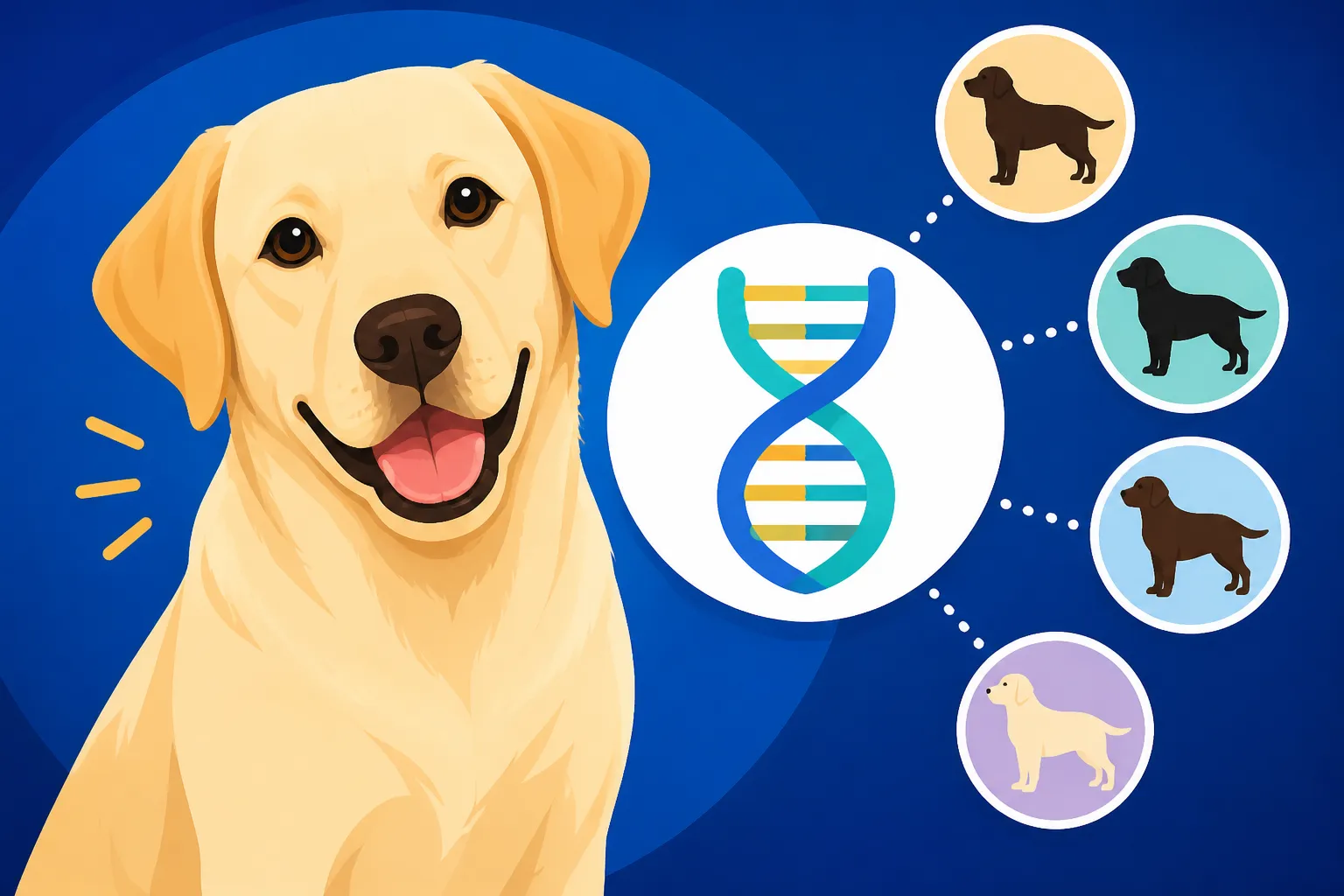
Beyond the serious health conditions, DNA tests can also reveal fascinating insights into your Labrador's physical traits and predispositions that directly impact their daily care. For example, the tests can pinpoint genetic markers related to coat length, texture, and even specific color genes (like whether your yellow Lab genetically carries chocolate or black). This information might not change much, but it's fun to know!
More importantly, some tests can identify genetic predispositions related to weight management and appetite. For instance, many Labradors carry a specific gene deletion in the POMC gene, which is strongly linked to an insatiable appetite and a higher likelihood of obesity. If your Labrador is constantly begging for food, seems perpetually hungry, and gains weight easily despite your best efforts, a DNA test might reveal they have The POMC Gene and Labrador Appetite deletion. Knowing this isn't an excuse for overfeeding, but it is an incredible validation of your struggles! It confirms that your dog isn't just being "greedy"; they are genetically wired to feel less full and expend less energy. This insight is powerful because it reinforces the absolute necessity of strict Portion Control for a Food-Obsessed Labrador and a dedicated exercise regimen. You might choose specific weight management food, readily available on platforms like Chewy, or work even harder to ensure their caloric intake is precisely managed. This genetic understanding transforms frustration into an informed, proactive care plan.
Practicalities of Labrador DNA Testing
Deciding to get a DNA test for your Labrador is just the first step. Understanding the process, what to look for, and how to interpret the results will ensure you get the most value out of this fascinating tool.
Choosing the Right DNA Test Kit
With so many options on the market, choosing the right DNA test kit can feel a bit overwhelming. The key is to look for reputable companies that offer comprehensive panels. Consider what you're most interested in: is it ancestry, health screenings, or both? Some kits specialize in one area more than another. Look for tests that boast a large database of dog breeds, particularly for ancestry results, as this leads to more accurate and detailed breakdowns of your dog's heritage. For health screenings, ensure the test covers a wide array of conditions known to affect Labradors, like those related to joint health (such as Labrador Hip and Elbow Dysplasia), heart, and eyes.
The process itself is typically straightforward and designed for at-home use. You usually receive a kit with simple instructions for collecting a saliva sample using a swab from your dog's cheek. It's painless, quick, and surprisingly easy to do, even with an excitable Labrador. Once you've collected the sample, you simply mail it back in the provided packaging. Then, the waiting game begins – usually a few weeks – before your results are ready to view online. When selecting a kit, reading reviews and checking for clear, transparent reporting from brands available on platforms like Chewy can help you make an informed decision.
Interpreting Your Labrador's Results
Once your results arrive, you might be faced with a comprehensive report full of scientific terms and percentages. It can feel like reading a medical journal! Don't panic. Reputable companies usually provide user-friendly dashboards and explanations to help you navigate the information. You'll likely see sections for breed composition, health conditions (often categorized as "clear," "carrier," or "at risk"), and physical traits.
It's highly recommended to share your Labrador's DNA test results with your veterinarian. They are best equipped to help you interpret the clinical significance of any health predispositions and advise on appropriate next steps. For example, if your dog shows a predisposition to a certain condition, your vet might suggest specific diagnostic tests, preventative medications, or lifestyle changes. Remember, a genetic predisposition is not a definitive diagnosis; it indicates an increased risk. Your vet can help you understand what that risk truly means for your individual dog and develop a tailored wellness plan.
How a DNA Test Can Influence Your Labrador's Life
The insights gained from a DNA test aren't just fascinating facts; they can directly translate into tangible improvements in your Labrador's quality of life. Knowing about potential health concerns empowers you to be proactive. For a Labrador predisposed to joint issues, you might adjust their diet to include joint-supportive supplements, choose lower-impact exercise like swimming instead of intense jumping, and monitor them closely for subtle signs of discomfort, even Reading Pain in a Stoic Labrador.
If your dog has the POMC gene deletion, you'll be hyper-aware of their caloric intake, measuring their food precisely, perhaps even using puzzle feeders from Chewy to slow down their eating and provide mental stimulation, rather than assuming their constant hunger is just typical Labrador greed. For mixed breeds, understanding their full genetic makeup helps you engage them in activities that tap into their innate drives, leading to a happier, more fulfilled dog. Ultimately, a DNA test equips you with personalized knowledge, moving you from general Labrador care to highly individualized care that addresses your specific dog's unique genetic blueprint. This deep understanding can extend your Labrador's healthy years and enhance your bond.
Common Misconceptions and Ethical Considerations
While Labrador DNA tests offer incredible benefits, it's also important to approach them with a balanced perspective, understanding their limitations and the broader ethical landscape they present.
DNA Tests Are Not a Crystal Ball
It's crucial to manage expectations: a DNA test is not a crystal ball that foretells every future ailment or guarantees perfect health. What it provides are insights into genetic predispositions and risks. Many complex diseases are multifactorial, meaning they are influenced not only by genetics but also by environmental factors, diet, lifestyle, and sheer chance. A dog with a genetic predisposition might never develop the condition, while a dog with a "clear" genetic panel could still develop a different illness due to other factors or simply old age.
Therefore, a clean DNA bill of health shouldn't lead to complacency. Regular veterinary check-ups, a balanced diet, appropriate exercise, and a loving home environment remain paramount for your Labrador's well-being. Knowing your dog's genetic risks allows for informed vigilance, not anxious certainty. It helps you focus your preventative efforts where they might be most beneficial, but it doesn't mean you can ignore other aspects of Labrador Puppy Health in the First Year or ongoing adult care. Unexpected health issues, sadly, can still arise, leading to potential Labrador Emergency Vet Bills.
Privacy and Data Usage Concerns
As with any form of genetic testing involving personal data (even if it's your dog's), privacy and data usage are important considerations. When you submit your Labrador's DNA sample, you're contributing to a larger database. Reputable DNA testing companies generally have clear policies on how they use this genetic information. Often, the data is anonymized and aggregated for scientific research, which can contribute to a better understanding of canine health, breed characteristics, and the development of new diagnostic tools.
Before choosing a company, take a moment to review their privacy policy. Understand who owns the data, how it might be shared (if at all, typically in anonymized research capacities), and your options for data deletion if available. For most pet owners, the benefits of gaining health insights outweigh these concerns, but it's always wise to be an informed consumer.
The "Designer Dog" Dilemma and Breed Purity
The rise of DNA testing has certainly stirred conversations around "breed purity" and the growing popularity of "designer dogs." For some, the idea of a DNA test for a supposedly purebred Labrador might even feel like an affront to their dog's lineage, especially if they have official papers. However, as discussed, Whether AKC Papers Prove a Labrador Is Purebred is about lineage registration, while DNA testing reveals genetic composition. These are two different, though related, concepts.
Ultimately, whether your dog is 100% purebred Labrador, a delightful mix of several breeds, or something in between, the true value of a DNA test lies in the actionable information it provides for their health and well-being. It moves beyond superficial labels to a deeper, scientific understanding of the individual dog in front of you. This knowledge fosters a more informed, compassionate, and tailored approach to care, celebrating every unique aspect of your furry best friend.
| Feature | What a DNA Test Reveals | Why it Matters for Your Labrador |
|---|---|---|
| Breed Composition | Exact percentages of breeds in your dog's ancestry, distinguishing purebreds from mixes. | Understand innate behaviors, size potential, temperament influences, and even physical traits. |
| Genetic Health Risks | Predisposition to inherited diseases (e.g., PRA, EIC, CNM, joint dysplasia). | Proactive veterinary care, preventative measures, dietary adjustments, and early monitoring. |
| Carrier Status | If your dog carries one copy of a recessive gene for a disease without being affected. | Important for breeders, but for pet owners, it highlights specific genetic traits to be aware of. |
| Physical Traits | Genetic markers for coat color, type, shedding intensity, ear set, and tail curl. | Fun insights; can sometimes confirm traits like double coats. |
| Weight & Appetite Predisposition | Presence of gene deletions (like POMC) linked to increased hunger and obesity risk. | Informs stricter Portion Control for a Food-Obsessed Labrador, exercise plans, and diet choices. |
Disclaimer
This article is for general informational purposes only and does not constitute professional advice. Laws, prices and regulations vary by location and change over time. Consult a qualified professional for guidance on your specific situation.