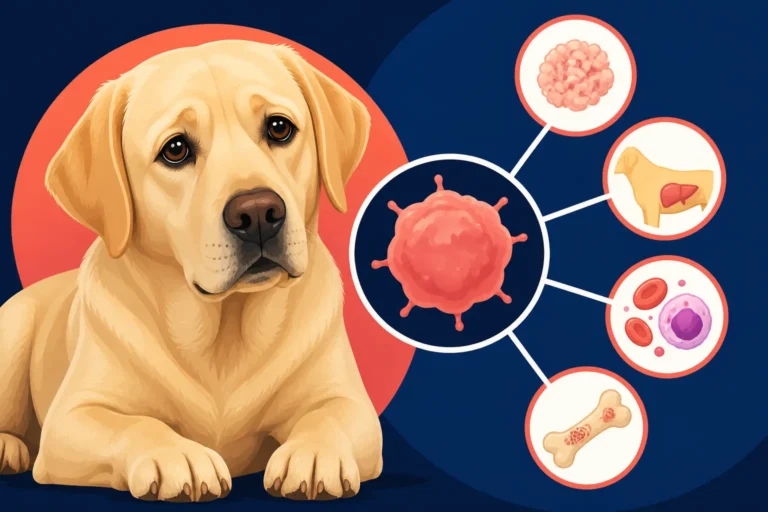
Whether Silver Labs Inherit Chocolate Health Problems
It's completely understandable to feel a swirl of confusion and worry when you hear talk about certain Labrador colors having specific health challenges. The internet is a vast place, and while it's full of passionate Labrador lovers, sometimes information gets tangled, especially when it comes to the unique topic of Silver Labradors. You might have heard whispers, or even outright statements, that Silver Labs automatically inherit the same health problems often associated with their chocolate counterparts, and it leaves you wondering what that really means for these beautiful dogs. This guide is here to untangle those genetic threads and give you a clear, empathetic understanding of whether your beloved Silver Lab, or one you're considering, truly carries the baggage of "chocolate health problems."
Unraveling the Labrador Color Genetics
Before we dive into health, it's really helpful to understand how these beautiful coat colors actually come about. It can feel like a science lesson, but stick with me – it makes all the difference in understanding why certain misconceptions persist.
The Traditional Trio: Black, Yellow, and Chocolate
Most people know Labradors come in black, yellow, and chocolate. These are the three colors recognized by major kennel clubs like the American Kennel Club (AKC). The expression of these colors is primarily governed by two main gene loci: the B/b locus and the E/e locus.
- Black Labradors: A Labrador will be black if they have at least one dominant 'B' allele (meaning they can produce black pigment) and at least one dominant 'E' allele (meaning that pigment is expressed in the coat). So, their genetic makeup might look like BB EE, Bb EE, BB Ee, or Bb Ee.
- Chocolate Labradors: For a Labrador to be chocolate, they must inherit two recessive 'b' alleles (bb), meaning they can only produce brown pigment, and at least one dominant 'E' allele, ensuring that pigment is expressed. So, their genotype would be bb EE or bb Ee. This is the key part for our discussion – the 'bb' genotype is what makes a chocolate Lab, and it's this specific genetic pairing that has been linked to certain observations in health studies, not necessarily because brown pigment is inherently weaker, but due to how those lines have been historically bred.
- Yellow Labradors: Yellow Labs happen when a dog has two recessive 'e' alleles (ee). This effectively "masks" whatever color pigment (black or brown) the dog would otherwise produce, making the coat appear yellow. So, a yellow Lab could genetically be BB ee, Bb ee, or bb ee. Their nose and eye rim pigment would reveal their underlying black (black nose) or chocolate (brown nose) genetics.
This foundational understanding of black, yellow, and chocolate is crucial because the concept of "chocolate health problems" is rooted in studies observing dogs with the 'bb' genetic makeup.
The Dilute Gene and Silver Coloration
Now, let's bring in the dilute gene, which is where Silver Labradors come into play. The dilute gene operates at the D/d locus.
- Dominant D: If a Labrador has at least one dominant 'D' allele (DD or Dd), their color will be "full" and undiluted.
- Recessive dd: If a Labrador inherits two recessive 'd' alleles (dd), then any color they would normally express gets diluted.
This means:
- A black Labrador (BB/Bb Ee/EE) with 'dd' becomes a Charcoal Labrador.
- A yellow Labrador (bb/Bb/BB ee) with 'dd' becomes a Champagne Labrador.
- And, most importantly for our discussion, a chocolate Labrador (bb Ee/EE) with 'dd' becomes a Silver Labrador.
What this truly means is that a Silver Labrador is genetically a chocolate Labrador with an additional dilute gene. The dilute gene itself doesn't replace the chocolate gene; it merely changes how that chocolate pigment is expressed, making it lighter and giving it that distinctive silver sheen. So, fundamentally, all Silver Labs carry the 'bb' genotype, making them genetically chocolate at their core.
| Gene Combination (Simplified) | Expressed Coat Color | Underlying Pigment |
|---|---|---|
| BB EE DD | Black | Black |
| Bb EE DD | Black | Black (carrier of chocolate) |
| bb EE DD | Chocolate | Brown |
| BB ee DD | Yellow | Black |
| bb ee DD | Yellow | Brown |
| BB EE dd | Charcoal | Diluted Black |
| bb EE dd | Silver | Diluted Brown |
| BB ee dd | Champagne | Diluted Black |
This table helps illustrate that the dilute gene ('dd') acts on the base color. A Silver Labrador is essentially a dilute chocolate Labrador.
Unpacking the "Chocolate Health Problems" Conversation
The idea that chocolate Labradors might have more health issues or a shorter lifespan isn't just hearsay; it stems from scientific observations, notably a significant study conducted by the Royal Veterinary College's VetCompass programme in the UK.
The VetCompass Study's Findings
This large-scale study, which looked at over 33,000 Labrador Retrievers in the UK, provided some interesting insights. It found that, on average, chocolate Labradors had a slightly shorter median lifespan – about a year less – compared to black and yellow Labradors. They also noted that chocolate Labs had higher rates of certain health conditions, particularly ear infections (otitis externa) and skin conditions like hot spots. If you're curious about the specifics, you can dive deeper into What the VetCompass Labrador Study Measured.
Now, it's crucial to understand what this study didn't say. It didn't say that the chocolate gene itself is toxic or directly causes disease. Instead, the leading theory is that the narrower gene pool used to consistently produce chocolate Labradors might be the underlying factor.
The Gene Pool Theory, Not the Color Itself
To consistently breed chocolate Labradors, breeders must select for the 'bb' genotype. Historically, this has often meant relying on a smaller, more concentrated pool of breeding dogs that carry these recessive genes. When a gene pool becomes too narrow, there's an increased risk of inadvertently concentrating other undesirable genes – genes that might predispose dogs to certain health issues. It's not the chocolate color, but the potential lack of genetic diversity in the lines dedicated solely to producing it, that's thought to contribute to these observed differences.
Think of it like this: if you have a small village where everyone marries their cousin, certain traits, good or bad, are more likely to become widespread. If that village happened to have a higher incidence of ear infections, it wouldn't be because of a specific hair color, but because the genetic predispositions for ear infections were concentrated within that small, isolated community. This is a simplified analogy for the impact of a narrower gene pool.
This phenomenon is discussed further in articles like Whether Coat Color Really Changes Labrador Health, which delves into the nuances beyond surface appearance.
Do Silver Labs Share These Challenges?
Given that a Silver Labrador is genetically a dilute chocolate Labrador, the question logically arises: do they inherit the same predispositions? The answer is nuanced, but largely yes, potentially, and for similar reasons.
The Dilute Gene and Specific Health Implications
The 'dd' gene itself isn't directly linked to a wide array of severe health problems. However, there is one notable condition associated with the dilute gene in certain breeds: Color Dilution Alopecia (CDA). CDA is a genetic condition that causes hair thinning, breakage, and often secondary skin infections in dilute-colored dogs. While not every dilute dog develops CDA, it's a known risk for Charcoals, Champagnes, and Silvers. This is a direct health implication of the dilute gene itself, though its severity can vary. Aside from CDA, the 'dd' gene itself is not broadly implicated in other systemic health issues typically seen in Labradors.
This connects to general discussions about Labrador Ear and Skin Disease, as CDA can lead to such issues.
The Intersecting Gene Pools: Dilute and Chocolate
Here's where the potential overlap with "chocolate health problems" becomes significant. To produce a Silver Labrador, a breeder needs dogs that carry both the 'bb' (chocolate) and 'dd' (dilute) genes. Because the dilute gene is not recognized by the AKC for Labradors, and it's historically been a rare trait, the breeding lines used to produce Silver Labs have been even more concentrated and specialized than those for traditional chocolate Labs. Many early Silver Lab lines originated from existing chocolate lines that happened to carry the dilute gene.
This means that if a particular chocolate Labrador line had a predisposition to, say, ear infections or hip dysplasia, and that line was used extensively to establish new silver lines, then those predispositions could easily be carried over and concentrated further in the smaller gene pool of dilute-colored Labradors. It's not the silver color causing these problems, but rather the intensified focus on a specific, rare color combination that can further limit genetic diversity.
For example, a breeder aiming for silver might prioritize the 'dd' and 'bb' genes above all else, potentially overlooking broader health clearances or genetic diversity markers. This could inadvertently perpetuate or amplify health issues already present in the ancestral chocolate lines. This is why it's so important to look at the health history of both parents and their lineages, regardless of coat color.
The Paramount Importance of Responsible Breeding
This brings us to the absolute core of the matter: responsible breeding practices are far more important than coat color when it comes to predicting a Labrador's long-term health. A responsible breeder will prioritize:
- Health Clearances: They will perform extensive health checks on breeding parents, including hip and elbow evaluations (OFA or PennHIP for Labrador Hip and Elbow Dysplasia), eye certifications (CERF/OFA Eye), and genetic testing for conditions like Exercise-Induced Collapse (EIC), Progressive Retinal Atrophy (PRA), and Centronuclear Myopathy (CNM). You should always ask for Health Clearances a Labrador Breeder Must Show.
- Genetic Diversity: Reputable breeders aim to maintain genetic diversity within their lines to reduce the risk of inherited diseases. This might involve careful outcrossing or using tools like COI (Coefficient of Inbreeding) to make informed breeding decisions.
- Temperament: A well-bred Labrador, regardless of color, should have the characteristic friendly, outgoing, and stable temperament the breed is known for.
- Transparency: They should be open about their breeding practices, allow you to meet the puppy's parents, and provide references.
Whether you're looking at a black, yellow, chocolate, charcoal, champagne, or silver Labrador, choosing a puppy from a breeder who adheres to these rigorous standards is your best bet for a healthy companion. Pet insurance, such as through Healthy Paws, can also provide a safety net for unexpected vet costs, no matter how carefully you choose your puppy.
Beyond Color: What Truly Impacts a Labrador's Health
While coat color and associated breeding practices can be factors, they are far from the only, or even the primary, determinants of a Labrador's health and longevity. Many other elements play a much larger role.
Genetics and Parentage are Key
Even outside of coat color, the overall genetic health of a Labrador's parents and lineage is paramount. This includes a wide range of inherited conditions common in the breed.
- Hip and Elbow Dysplasia: These orthopedic issues can significantly impact a Labrador's quality of life. Reputable breeders screen for these.
- Eye Conditions: Various inherited eye conditions can lead to vision impairment or loss.
- Cardiac Health: Some lines may have predispositions to heart conditions.
This is why those comprehensive Genetic Panels Worth Running on a Labrador are so valuable, offering insights beyond what physical appearance might suggest. Knowing your puppy's genetic background, through careful breeder selection, is a proactive step towards long-term health.
Lifestyle and Environmental Factors
What you do day-to-day for your Labrador has an enormous impact on their health, arguably more so than their coat color.
- Nutrition: A high-quality diet appropriate for their life stage and activity level is essential.
- Weight Management: Labradors are notoriously prone to weight gain, and obesity is a major contributor to various health problems, including worsening joint issues and shortening their lifespan. The article on Labrador Obesity and the Years It Costs drives this point home. Maintaining a lean, healthy weight is one of the best things you can do for your Lab.
- Appropriate Exercise: Regular, appropriate exercise keeps their muscles strong, joints mobile, and minds engaged. However, over-exercising a growing puppy or a dog with underlying joint issues can be detrimental.
- Preventative Care: Consistent flea, tick, and heartworm prevention, along with regular vaccinations, are vital.
These daily choices contribute significantly to a Labrador's vitality and can often outweigh genetic predispositions, within reason.
Regular Veterinary Care
Don't underestimate the power of your veterinarian. Regular check-ups, even when your Labrador seems perfectly healthy, are crucial for early detection of potential issues. Your vet can monitor weight, assess joint health, check for signs of Labrador Arthritis in Middle Age or Labrador Dental Disease and Tartar, and recommend appropriate preventative care tailored to your dog's individual needs. They can also advise on things like When to Spay or Neuter a Labrador to ensure optimal long-term health benefits. Early intervention often leads to better outcomes and can save you heartache and significant expense down the line. Having a pet insurance plan like those offered by Healthy Paws can help cover routine and unexpected veterinary expenses, ensuring your Labrador always gets the care they need.
Ultimately, while the dilute gene is present in Silver Labs and links them genetically to chocolate Labradors (carrying the 'bb' gene), and while the specific breeding practices for rarer colors can introduce certain risks like CDA or further concentrate undesirable traits, focusing on a reputable breeder who prioritizes overall health and genetic diversity is the most powerful tool you have. A healthy lifestyle and consistent veterinary care will then build upon that solid foundation. The conversation about "chocolate health problems" should serve as a reminder to always dig deeper into a breeder's practices, rather than an indictment of any particular coat color. Your Labrador's individual health story is complex and wonderfully unique.
Disclaimer
This article is for general informational purposes only and does not constitute professional advice. Laws, prices and regulations vary by location and change over time. Consult a qualified professional for guidance on your specific situation.