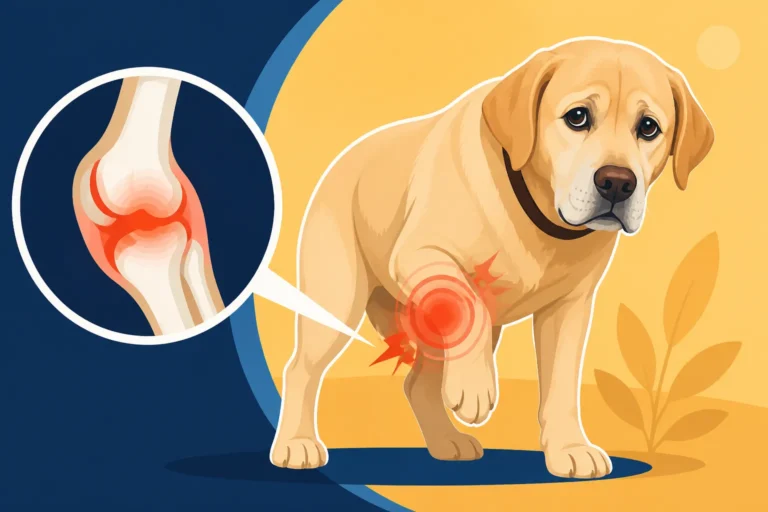
What the POMC Deletion Does to Appetite
It’s a scenario many Labrador owners know all too well: you’ve just fed your dog a perfectly appropriate meal, but they’re already giving you those soulful, hungry eyes, acting as if they haven't eaten in days. This insatiable appetite isn't just a quirky trait; for many Labradors, it's rooted in their genetics, specifically a deletion in the Pro-Opiomelanocortin (POMC) gene. This guide will delve deep into what this genetic deletion is, how it profoundly impacts a Labrador’s appetite, and crucially, what you can do to help your beloved companion lead a healthy, happy life despite it.
Understanding the POMC Gene and Its Role in Appetite
When we talk about a Labrador’s seemingly endless hunger, it’s easy to joke about them being a “food hoover.” But for a significant portion of the breed, there's a real biological reason behind this drive. It all comes down to a tiny but mighty gene called POMC.
The Basics of Appetite Regulation
Our bodies, and those of our canine companions, have a sophisticated system designed to tell us when we’re hungry and, just as importantly, when we’re full. This system involves hormones and signals that travel to the brain, specifically to an area called the hypothalamus. When you eat, your body releases hormones like leptin (from fat cells) and insulin (from the pancreas), which signal to the brain that energy stores are sufficient and it's time to stop eating. This intricate dance helps maintain a healthy energy balance and body weight.
What is the POMC Gene?
The Pro-Opiomelanocortin (POMC) gene plays a critical role in this appetite regulation pathway. In the brain, POMC produces neurotransmitters that are essential for sending "stop eating" signals. Think of it as a key component in your dog's internal "fullness" sensor. When these neurotransmitters are produced and functioning correctly, they bind to receptors in the hypothalamus, telling the dog that they've had enough food and should feel satisfied. It's a fundamental part of how a healthy metabolism works and prevents overeating.
The Impact of a Deletion
Now, imagine that crucial "fullness" sensor is broken or severely impaired. That's essentially what happens with a deletion in the POMC gene. This specific genetic mutation means that the Labrador's body either produces insufficient amounts of these "stop eating" signals or the signals it does produce aren't fully effective. The result is a dog that constantly feels hungry, almost as if its brain never truly registers satiety.
This isn't a minor tweak; it's a fundamental disruption. The affected Labrador's brain isn't receiving the proper hormonal feedback that tells it "you're full, no more food needed." This explains why they can seemingly eat endless amounts and still act ravenous, always on the lookout for the next meal or forgotten crumb. It's a constant, biological urge, not just a bad habit, which often leads to significant challenges for owners trying to manage their dog’s weight.
How the POMC Deletion Affects a Labrador's Hunger
The genetic deletion in the POMC gene doesn't just mean a slightly bigger appetite; it fundamentally alters a Labrador's relationship with food, creating a persistent, biological drive that can be incredibly challenging for both the dog and its owners.
Constant Hunger Signals
For a Labrador with the POMC deletion, the internal "full" switch is effectively stuck in the "empty" position. Even immediately after consuming a substantial meal, their brain isn't receiving the strong, clear signals that indicate satiety. This means they feel a perpetual, gnawing hunger. This isn't just psychological; it's a deep-seated physiological sensation that drives them to constantly seek out food. They are literally wired to believe they are starving, regardless of how much they've actually eaten. This can be heartbreaking for owners who see their dog constantly begging or rooting through trash, always searching for more. This continuous feeling of hunger is a major reason why Labradors are so prone to weight gain, making it incredibly difficult to keep them at a healthy weight.
Altered Fat Metabolism
Beyond the insatiable hunger, research suggests that the POMC deletion might also influence how a Labrador's body processes and stores fat. While the primary effect is on appetite, there’s evidence that these dogs may be more efficient at storing calories as fat and potentially less efficient at burning it. This dual impact—constant hunger combined with a metabolism geared towards fat storage—creates a perfect storm for obesity. It means that even if you're incredibly diligent with their food intake, they may still struggle to maintain an ideal body condition compared to a Labrador without the deletion. It’s a double whammy that underscores just how much of a disadvantage these dogs have when it comes to weight management.
Behavioral Manifestations
The most obvious signs of a POMC deletion are the classic Labrador behaviors that are amplified to an extreme. You’ll notice an almost obsessive focus on food in any environment. This manifests as:
- Intense Food Seeking: They will patrol the kitchen, sniff out crumbs, and investigate any dropped item with remarkable efficiency. No counter is too high, no pantry door too secure, for a truly motivated, food-driven Lab.
- Persistent Begging: Their legendary "Labrador stare" at the dinner table becomes even more intense, often accompanied by nudges, whines, or pawing. It's not just a cute habit; it’s a desperate plea driven by a genuine feeling of hunger.
- Counter-Surfing and Food Theft: What might seem like naughtiness is often an irresistible compulsion. They will jump on counters, open cabinets, and steal food with incredible stealth and speed. This isn't malice; it's instinct. It’s a testament to the power of this genetic drive that owners often have to truly Labrador-Proofing a Kitchen to keep their dogs safe from ingesting dangerous items.
- Eating Non-Food Items: In extreme cases, the drive to eat can extend to non-food items, such as toys, socks, or even rocks, leading to serious digestive issues and vet emergencies. This further highlights the profound biological urge that overrides normal discernment.
Understanding these behaviors as symptoms of a genetic condition, rather than mere naughtiness, can help owners approach management with more empathy and effective strategies. It's a constant battle for these dogs, and it’s up to us to help them navigate it safely.
Identifying and Managing a POMC-Affected Labrador
Dealing with a Labrador whose appetite seems limitless can be incredibly frustrating and concerning. The good news is that understanding the genetic basis for this behavior empowers you to take specific, informed actions.
Genetic Testing for the Deletion
The first step in truly understanding your Labrador's intense food drive is to consider genetic testing. Modern veterinary science has made it straightforward to test for the specific POMC deletion. Several reputable companies offer comprehensive genetic panels that include this test. A simple cheek swab or blood sample can reveal:
- Affected (homozygous for the deletion): This means your Labrador has two copies of the mutated gene and is highly likely to exhibit the extreme food-seeking behaviors and metabolic predispositions described.
- Carrier (heterozygous for the deletion): Your Labrador has one normal copy and one mutated copy. They may show some increased food motivation, but often not to the extreme degree of an affected dog. They can, however, pass the deletion on to their offspring if bred with another carrier or affected dog.
- Clear (no deletion): Your Labrador does not have the POMC deletion. If they are still very food motivated, it points to other factors like environmental conditioning or general Labrador breed traits.
Knowing your dog's status can be incredibly validating. It shifts the blame from "bad dog" or "poor training" to a concrete biological reality. This knowledge also helps breeders make responsible choices, as discussed in Genetic Panels Worth Running on a Labrador. When you understand the underlying cause, you can tailor your approach much more effectively, and reputable pet insurance providers like Healthy Paws might even offer insights into how such predispositions could factor into long-term health planning.
Practical Strategies for Management
Once you know your Labrador's POMC status, or even if you suspect the deletion without testing, implementing structured management strategies is crucial. This is about creating an environment where your dog can thrive without constantly battling their innate hunger.
- Strict Portion Control: This is non-negotiable. Free-feeding is simply not an option. Use a kitchen scale to accurately measure out their food, rather than relying on imprecise measuring cups. Consult your vet to determine the appropriate caloric intake for your dog’s ideal weight and activity level, especially when considering Portion Control for a Food-Obsessed Labrador.
- Multiple Small Meals: Instead of one or two large meals, try feeding several smaller meals throughout the day. This can help manage the feeling of constant hunger by providing more frequent, albeit smaller, moments of satiety.
- High-Fiber, Low-Calorie Foods: Your vet might recommend specific diets designed for weight management that are higher in fiber to promote fullness with fewer calories. Companies like Purina Pro Plan Veterinary Diets or Royal Canin Veterinary Diet often have formulas for this.
- Mental Stimulation and Exercise: A hungry Labrador is a destructive Labrador. Redirect their energy and focus with plenty of physical exercise, as outlined in Exercise a Labrador Needs Each Day, and mental enrichment. Puzzle feeders, snuffle mats, and training sessions using their daily kibble as rewards can help satisfy their drive to "work" for food.
- Environment Management: "Out of sight, out of mind" is key. Keep all human food, trash, and tempting items securely out of reach. Child locks on cabinets, tall gates, and secure trash cans are your best friends.
- Consistent Training: While you can't "train out" the genetic hunger, you can train impulse control. "Leave It" and "Drop It" commands are vital. While it might feel like a constant battle, consistent training can make a huge difference, and you can learn more about Whether a Food-Obsessed Labrador Can Be Trained Out.
The Importance of a Lean Body Condition
For Labradors with the POMC deletion, maintaining a lean body condition isn't just about aesthetics; it's absolutely paramount for their long-term health and quality of life. An overweight or obese Labrador faces a significantly higher risk of numerous health issues.
- Joint Problems: Excess weight puts immense strain on joints, exacerbating or accelerating conditions like Labrador Hip and Elbow Dysplasia and Labrador Arthritis in Middle Age. This can lead to chronic pain, reduced mobility, and a diminished quality of life.
- Diabetes: Obesity is a major risk factor for diabetes in dogs, leading to complex and expensive management.
- Cardiovascular Disease: The heart and circulatory system work harder to support a larger body mass.
- Reduced Lifespan: Studies have clearly shown that Labrador Obesity and the Years It Costs, significantly shortening their lives. For a Labrador already genetically predisposed to obesity, careful weight management can literally add years to their life.
- Decreased Quality of Life: An obese dog often has less energy, struggles with exercise, and can experience discomfort, truly limiting their joy.
By proactively managing their appetite and weight, you're not just preventing problems; you're actively ensuring a longer, healthier, and happier life for your companion.
Long-Term Health Implications of Unmanaged Appetite
Ignoring the signs of an unmanaged appetite in a Labrador with a POMC deletion can have profound and lasting consequences, impacting not just their daily comfort but their overall health trajectory. This isn't just about them being a bit chunky; it's about a cascade of health issues that can severely diminish their quality of life and shorten their time with you.
Risk of Obesity-Related Diseases
The most immediate and pervasive consequence of an unmanaged appetite, especially in a Labrador predisposed to weight gain, is the increased risk of obesity-related diseases. When a dog consistently consumes more calories than they burn, the excess energy is stored as fat, leading to a host of medical complications.
- Exacerbated Joint Problems: Labradors are already prone to orthopedic issues like hip and elbow dysplasia. Carrying extra weight significantly worsens these conditions, leading to earlier onset of arthritis, increased pain, and decreased mobility. Imagine trying to run and jump with an extra 20-30 pounds strapped to your body—it’s no fun for a dog either. Managing Labrador Arthritis in Middle Age becomes much more complex and painful if the dog is overweight.
- Diabetes Mellitus: Just like in humans, obesity is a primary risk factor for developing canine diabetes. This chronic condition requires daily insulin injections, careful dietary management, and frequent veterinary monitoring, which can be both emotionally and financially draining.
- Cardiovascular Disease: The heart has to work harder to pump blood through an overweight body. This strain can lead to or worsen heart conditions, impacting stamina and overall health.
- Respiratory Problems: Excess fat around the chest and abdomen can restrict lung function, making breathing more difficult, especially in warm weather or during exercise. This is particularly concerning for a breed known for its love of activity.
- Certain Cancers: Emerging research suggests a link between obesity and an increased risk of specific types of cancer in dogs, including transitional cell carcinoma (bladder cancer) and mammary tumors. This adds another layer of serious concern when considering Cancers Labrador Retrievers Get Most and their prevention.
- Liver Disease: Fatty liver disease can develop in obese dogs, impairing liver function, which is vital for detoxification and metabolism.
- Urinary Tract Issues: Overweight dogs can be more prone to urinary tract infections due to difficulty cleaning themselves properly or changes in urine concentration.
These conditions are not only debilitating for your Labrador but also come with substantial veterinary bills. This is where a robust pet insurance policy from a provider like Healthy Paws can truly be a lifesaver, helping to cover the costs of managing these complex chronic conditions.
Impact on Quality of Life and Lifespan
Beyond specific diseases, an unmanaged appetite and subsequent obesity have a profound impact on your Labrador's overall quality of life and significantly shorten their lifespan. A dog that is constantly hungry and overweight cannot enjoy life to its fullest.
- Reduced Mobility and Playfulness: An obese Labrador struggles to run, jump, and play. Their natural zest for life and love of activity are severely hampered. Walks become difficult, games of fetch are cut short, and they might even struggle with simple tasks like getting up from a lying position.
- Chronic Discomfort and Pain: The constant strain on joints, the difficulty in breathing, and other physical ailments mean many overweight Labradors live in a state of chronic discomfort. They might be stoic, as Labradors often are, but their bodies are suffering. Understanding Reading Pain in a Stoic Labrador is critical for owners.
- Behavioral Changes: Frustration from constant hunger and physical discomfort can lead to behavioral issues such as lethargy, irritability, or increased begging. It's a miserable existence for a dog whose natural instincts for activity and companionship are suppressed.
- Shorter Lifespan: Perhaps the most sobering consequence is the undeniable link between obesity and a shorter lifespan. Studies have shown that maintaining a lean body condition can add an average of two years or more to a dog's life. For Labradors, whose average lifespan is already around 10-12 years, losing even a year or two is a significant loss. This highlights the importance of truly managing Why Labradors Gain Weight So Easily and taking proactive steps to avoid obesity.
While the POMC deletion presents a genuine challenge, it's not a death sentence or an excuse for inaction. With awareness, diligent management, and a strong partnership with your veterinarian, you can help your Labrador overcome these genetic hurdles and enjoy a long, healthy, and happy life.
| Feature / Condition | Normal Appetite Labrador | POMC-Affected Labrador | Management Approach |
|---|---|---|---|
| Hunger Sensation | Feels full and satisfied after appropriate meals. | Feels perpetually hungry, even after eating. | Strict portion control, multiple small meals, high-fiber diet. |
| Food Seeking | Moderate interest in food, easily satisfied. | Intense, obsessive food seeking, counter-surfing, begging. | Secure food storage, mental enrichment, consistent training ("leave it"). |
| Metabolism | Efficiently uses and stores fat. | Potentially more efficient at fat storage, less at burning. | Calorie-controlled diet, regular exercise tailored to activity needs. |
| Weight Gain Risk | Lower, if fed appropriately. | High, due to constant hunger and potential metabolic factors. | Daily weigh-ins if needed, body condition scoring, veterinary oversight. |
| Behavior | Food motivated but can be distracted. | Highly driven by food, potentially destructive in pursuit. | Redirect behaviors, positive reinforcement for desired actions, avoid free-feeding. |
| Genetic Test | Not needed unless breeding. | Highly recommended to confirm deletion status. | Know your dog's status to tailor interventions. |
| Obesity Risk | Low-moderate if diet/exercise balanced. | Very high without strict management. | Proactive prevention is key to preventing long-term health issues. |
Disclaimer
The information provided in this article is for general informational purposes only and is not a substitute for professional veterinary advice. Always consult with a qualified veterinarian for any health concerns or before making any decisions related to your pet's health and treatment.