How Many Labradors Carry the EIC Gene
It’s a truly frightening moment for any Labrador owner: watching your vibrant, energetic dog suddenly stumble, collapse, and seem disoriented after a bout of strenuous exercise. Your heart races, imagining the worst, and you desperately search for answers. This guide aims to shed light on Exercise-Induced Collapse (EIC), a genetic condition that affects Labradors, specifically addressing how common the EIC gene is within the breed and what this means for your beloved companion.
Understanding Exercise-Induced Collapse in Labradors
Exercise-Induced Collapse, or EIC, is a complex neurological disorder that can turn a fun day of play into a terrifying emergency. It's not heatstroke, although high temperatures can exacerbate it, and it's not a sudden heart attack. Instead, it's a specific genetic condition that causes a temporary loss of muscle control and coordination.
What Exactly is EIC?
At its core, EIC is caused by a mutation in a gene called DNM1. This gene is crucial for normal nerve function, particularly in the pathways that control muscle movement during intense activity. When a Labrador with two copies of this mutated gene (meaning they are "affected") engages in strenuous exercise, especially if they are highly excited, overstimulated, or in warm weather, their nervous system simply can't keep up. The nerve impulses that tell their muscles what to do essentially short-circuit, leading to a sudden and often dramatic collapse.
It’s important to understand that dogs with EIC are usually completely normal and healthy-looking otherwise. They have no apparent muscle weakness or neurological issues in their day-to-day lives. The collapse only happens after specific triggers, which makes it particularly insidious and hard for owners to predict without prior knowledge or genetic testing. Many owners are utterly bewildered when their seemingly robust retriever, who loves to play fetch or go on long runs, suddenly can’t stand. This condition truly highlights the importance of understanding the unique genetic predispositions of our beloved Labradors, like those discussed in The DNM1 Mutation Behind Labrador Collapse.
Recognizing an EIC Episode
An EIC episode typically begins within 5 to 20 minutes of intense, high-arousal exercise. The signs are usually quite distinct. You might notice your Labrador's rear legs start to wobble or become uncoordinated. They might drag their hindquarters, or their gait could become stiff and high-stepping. This weakness can then progress to involve their front legs, and eventually, the dog may collapse entirely.
During the collapse, affected Labradors are often fully conscious and aware of their surroundings, though they might appear disoriented. They usually try to get up but can't. Sometimes, they might even seem to lose interest in their surroundings for a few minutes. It’s crucial to distinguish this from other emergencies like Telling EIC From Heatstroke in a Labrador, which requires different immediate interventions. The recovery process is usually fairly quick once the dog is rested and cooled down, often within 10 to 30 minutes, though some residual stiffness or weakness might linger for a bit longer. It's a terrifying experience for both dog and owner, and knowing What to Do While a Labrador Is Collapsing is vital for their safety.
The Prevalence of the EIC Gene in Labrador Retrievers
The question of how many Labradors carry the EIC gene is one that many prospective and current owners understandably ask. Understanding the genetic landscape of the breed helps in making informed decisions about breeding, buying puppies, and managing the health of your existing dog. The good news is that thanks to extensive research, we have a pretty clear picture.
Carrier Rates Across the Breed
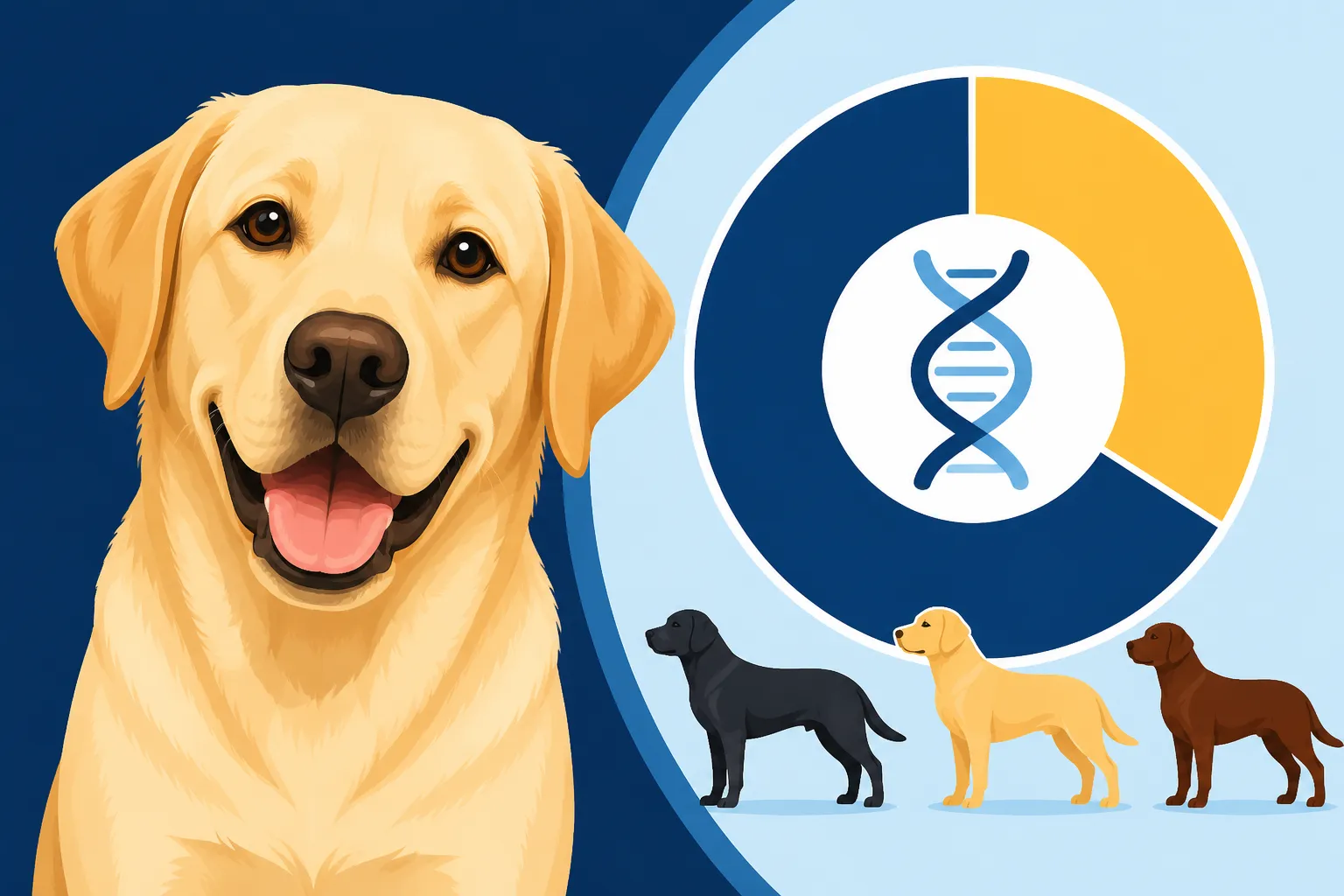
Based on genetic testing conducted by veterinary laboratories and universities over the past two decades, the DNM1 mutation responsible for EIC is surprisingly common within the Labrador Retriever population. Estimates suggest that approximately 20% to 30% of Labradors in North America and Europe are carriers of the EIC gene. This means that while they themselves will not develop EIC, they carry one copy of the mutated gene and could pass it on to their offspring.
An even smaller percentage, roughly 1% to 2%, are "affected" dogs, meaning they have inherited two copies of the mutated gene and are at risk of developing EIC episodes. These figures highlight why genetic screening is so important for responsible breeders. Without testing, a significant portion of the breed would unknowingly be perpetuating this condition. This kind of data often comes from large-scale studies, similar to How Many Labradors the RVC Study Followed for other health issues.
It's also worth noting that the prevalence can vary depending on the specific lines within the breed. For instance, some working or field lines, which are often bred for intense retrieving drive and endurance, might have a slightly higher carrier rate due to a more concentrated gene pool from certain foundational dogs.
Why Some Lines Carry More Risk
The prevalence of EIC isn't uniform across all Labrador lines. Primarily, the mutation is more common in dogs bred for field trials and hunting, often referred to as "field line" or "American-style" Labradors. This isn't to say that "show line" or "English-style" Labradors are immune; they can also be carriers or affected, but the incidence tends to be lower.
This disparity likely stems from historical breeding practices. When a desirable trait, such as exceptional retrieving ability or intense drive, is sought after, breeders will often use dogs that exhibit these traits extensively in their breeding programs. If one of these highly successful dogs unknowingly carried the EIC gene, it could rapidly spread through subsequent generations as their offspring were also used for breeding. Without the widespread genetic testing we have today, it would have been nearly impossible for early breeders to identify the underlying genetic problem, especially since carriers show no symptoms. This makes the EIC gene a classic example of a "founder effect" in a breed, where a genetic mutation from an early, influential ancestor becomes disproportionately common.
Implications of Being an EIC Carrier or Affected Dog
Discovering your Labrador is an EIC carrier, or worse, EIC-affected, can be concerning. However, it's not a death sentence, and with proper understanding and management, these dogs can still lead full and happy lives. The implications primarily depend on whether the dog is a carrier (heterozygous) or affected (homozygous) for the DNM1 mutation.
Living with an EIC-Affected Labrador
If your Labrador has been diagnosed as EIC-affected, it means they have two copies of the mutated gene and are at risk for collapse episodes. The primary implication here is a need for careful management of their exercise and excitement levels. You'll need to learn What Triggers an Exercise-Induced Collapse Episode and tailor their activities to prevent overstimulation and strenuous exertion, particularly in warm weather. This doesn't mean they can't exercise at all, but rather that their activities need to be modified.
For example, instead of an hour-long, high-intensity fetch session with multiple dogs, you might opt for shorter, less intense walks, swimming (which can be great low-impact exercise), or puzzle games that stimulate their mind without pushing their physical limits. Continuous, repetitive retrieving is often a major trigger. It's about moderation and awareness. Many EIC-affected dogs live happy lives once their owners understand their limitations and manage their environment accordingly. It might require you to be more selective about dog park visits or group playdates, but it's entirely manageable. Understanding your dog's unique needs, especially when it comes to sensitive health matters, is part of what makes being a responsible pet parent so rewarding. Speaking of being prepared, having a robust emergency fund or a solid pet insurance policy, such as those offered by Healthy Paws, can alleviate financial stress should any complications or additional health concerns arise.
Breeding Considerations for Carriers
For Labradors identified as EIC carriers, the implications are primarily for breeding programs. A carrier dog possesses one normal copy and one mutated copy of the DNM1 gene. They will never develop EIC themselves, which is a huge relief for their owners. However, if a carrier dog is bred to another carrier, or worse, to an affected dog, some of their puppies will inherit two copies of the mutated gene and become EIC-affected.
Responsible breeders use genetic testing to avoid these pairings entirely. If a breeder discovers they have a carrier in their lines, they can still responsibly breed that dog, but only to a mate that has been tested and found to be "clear" (meaning they have two normal copies of the gene). In such a pairing, all puppies will either be clear or carriers, but none will be affected. This strategy allows breeders to maintain valuable genetic diversity and desirable traits in their lines while systematically reducing the incidence of EIC. This process is fully explained in What an EIC Carrier Result Means for Breeding. The goal is to gradually phase out the mutated gene from the breeding population while maintaining other positive breed characteristics.
Here's a quick overview of what each genetic status means:
| EIC Genetic Status | Genotype | Dog's Health | Breeding Implications |
|---|---|---|---|
| Clear | N/N | Will not get EIC | Can be bred to any EIC status without producing affected puppies. |
| Carrier | N/EIC | Will not get EIC | Can be bred to a Clear dog without producing affected puppies. Should not be bred to another Carrier or Affected dog. |
| Affected | EIC/EIC | At risk for EIC episodes | Should not be used for breeding. |
N/N denotes two normal genes, N/EIC denotes one normal and one EIC gene, and EIC/EIC denotes two EIC genes.
Testing and Management of EIC
Once you understand the genetic basis and prevalence of EIC, the natural next steps are about how to accurately diagnose it and how to manage the condition effectively. Thankfully, modern veterinary science offers clear solutions for both.
Genetic Testing for the DNM1 Mutation
The most definitive way to determine your Labrador's EIC status is through a simple, non-invasive genetic test. This test specifically looks for the DNM1 mutation. It's usually performed using a cheek swab or a blood sample, which is then sent to a specialized veterinary genetics laboratory. This process is typically easy to arrange through your veterinarian. If you're looking into adding a new Labrador to your family, a reputable breeder will always have provided Health Clearances a Labrador Breeder Must Show, including EIC testing, for their breeding dogs and ideally for the puppies too.
The results will clearly state whether your dog is "Clear" (N/N), a "Carrier" (N/EIC), or "Affected" (EIC/EIC). Knowing this information is powerful. For prospective puppy buyers, it allows them to choose a puppy from parents who have been screened, ensuring they won't bring home an EIC-affected dog. For current owners, it provides a definitive diagnosis for those worrying episodes and empowers them to manage their dog's health proactively. Understanding potential genetic conditions like EIC is also crucial for budgeting, and that's where pet insurance from providers like Healthy Paws can offer real peace of mind, potentially helping with diagnostic costs or related veterinary care if symptoms were to develop and lead to a diagnosis after enrollment. Many owners consider this an essential part of Genetic Panels Worth Running on a Labrador today.
Managing Exercise for EIC Dogs
For Labradors who are diagnosed as EIC-affected, the focus shifts to managing their lifestyle to prevent episodes. This isn't about eliminating all exercise; it's about smart, controlled activity. The key is to avoid the specific triggers that lead to collapse.
Firstly, identify the intensity and type of exercise that causes problems. Many EIC dogs can tolerate moderate activity, like leashed walks or light jogging, but struggle with highly stimulating, repetitive activities such as prolonged fetch sessions, intense retrieving of birds, or vigorous play with other dogs. Whether an EIC Labrador Can Still Hunt depends entirely on the modification of activities. Some can, with careful management and breaks, while others cannot safely.
Secondly, monitor environmental factors. Heat and high humidity are significant exacerbating factors. On warm days, exercise should be minimized or moved to the coolest parts of the day. Keeping your Labrador cool and hydrated is always important, but critically so for EIC-affected dogs. Excitement and high arousal also play a role, so try to keep training and play sessions calm and focused. For instance, using a slow feeder bowl can reduce excitement around meal times, and short, structured training sessions can be beneficial. Your veterinarian can offer tailored advice and might even suggest working with a canine rehabilitation specialist to create an appropriate exercise regimen. Regular vet check-ups are key to managing any chronic condition, and with support from a company like Healthy Paws, you can ensure your Labrador gets the best care possible.
Ultimately, living with an EIC-affected Labrador means being an observant and proactive owner. It's about celebrating their spirit and capabilities while respecting their genetic predisposition, ensuring they live a life full of joy, not fear of collapse.
Disclaimer
This article is for general informational purposes only and does not constitute professional advice. Laws, prices and regulations vary by location and change over time. Consult a qualified professional for guidance on your specific situation.