Managing Labrador Hip Dysplasia Without Surgery
It’s truly heartbreaking to watch your beloved Labrador, usually a whirlwind of joyful energy, start to slow down, limp, or struggle with everyday movements. When you get that diagnosis of hip dysplasia, the immediate fear often jumps to surgery and its daunting costs and recovery. But for many Labradors, there are indeed effective non-surgical paths to manage this condition and maintain a good quality of life, and this guide will walk you through the options.
Understanding Labrador Hip Dysplasia and Non-Surgical Approaches
Labrador Retrievers are incredible dogs, known for their boundless enthusiasm and loyal companionship. However, like many large breeds, they are predisposed to certain genetic conditions, and hip dysplasia (HD) is one of the most common and challenging. This condition involves the abnormal development of the hip joint, where the ball (femoral head) and socket (acetabulum) don't fit together perfectly. Over time, this poor fit leads to grinding, pain, and the development of degenerative joint disease, or osteoarthritis.
Why Non-Surgical Options are Often the First Step
While surgery can be a miracle for some dogs, it’s not always the immediate or best answer for every Labrador diagnosed with hip dysplasia. Often, the severity of the dysplasia, the dog's age, overall health, and the owner's financial situation play a big role in deciding the treatment path. Many veterinarians, myself included, will recommend a conservative, non-surgical approach as the first line of defense, especially for dogs with mild to moderate dysplasia, or those who are not candidates for surgery due to age or other health concerns.
The idea behind non-surgical management isn't to "cure" hip dysplasia – it's a structural issue that can't be reversed without intervention – but rather to manage the pain, reduce inflammation, slow the progression of osteoarthritis, and improve the dog’s mobility and comfort. This approach focuses on making their everyday life as pain-free and active as possible, without the trauma, expense, and long recovery period associated with surgical procedures. It's about giving your Labrador the best chance to live a happy, active life despite their diagnosis.
Recognizing When Non-Surgical Treatment is Appropriate
Deciding whether non-surgical management is right for your Labrador often comes down to a careful evaluation by your veterinarian. They’ll look at several factors beyond just X-ray images, considering your dog's clinical signs, their activity level, and how well they respond to initial pain relief. For some dogs, the dysplasia might be present on X-rays but cause minimal symptoms. In these cases, proactive non-surgical care can help prevent or delay the onset of severe pain.
Generally, Labradors who are good candidates for non-surgical management include those with mild to moderate dysplasia, older dogs where surgery might be too risky, or younger dogs where growth plates are still open and surgical options are limited. Dogs who respond well to pain medication and lifestyle adjustments are also excellent candidates. It’s a holistic approach, often involving a combination of therapies tailored to your individual Labrador's needs, rather than a one-size-fits-all solution. For a deeper dive into the specific signs, you might read our guide on Labrador Hip Dysplasia Signs and Onset.
Effective Non-Surgical Management Strategies
Once you and your vet decide on a conservative approach, there's a whole toolkit of strategies to employ. The goal is always to minimize discomfort and maximize function, allowing your Labrador to enjoy their life as much as possible. This often involves a multi-modal approach, combining different therapies to tackle pain and inflammation from various angles.
Pain and Inflammation Management
The cornerstone of non-surgical hip dysplasia management is controlling pain and inflammation. When the hip joint is compromised, the body tries to compensate, leading to inflammation that causes further pain and accelerates joint damage. A thoughtful pain management plan is crucial.
Your veterinarian will likely prescribe non-steroidal anti-inflammatory drugs (NSAIDs) such as carprofen (Rimadyl), meloxicam (Metacam), or firocoxib (Previcox). These medications are fantastic at reducing both pain and inflammation, making a huge difference in your Labrador's comfort and mobility. It's vital to use them exactly as prescribed and to never administer human NSAIDs, which can be toxic to dogs. Regular vet check-ups are important when your dog is on NSAIDs to monitor for any side effects, particularly affecting the liver or kidneys. Sometimes, in addition to NSAIDs, other pain relievers like gabapentin may be prescribed, especially if nerve pain is suspected or if the NSAIDs aren't fully managing the discomfort on their own.
Joint Supplements and Complementary Therapies
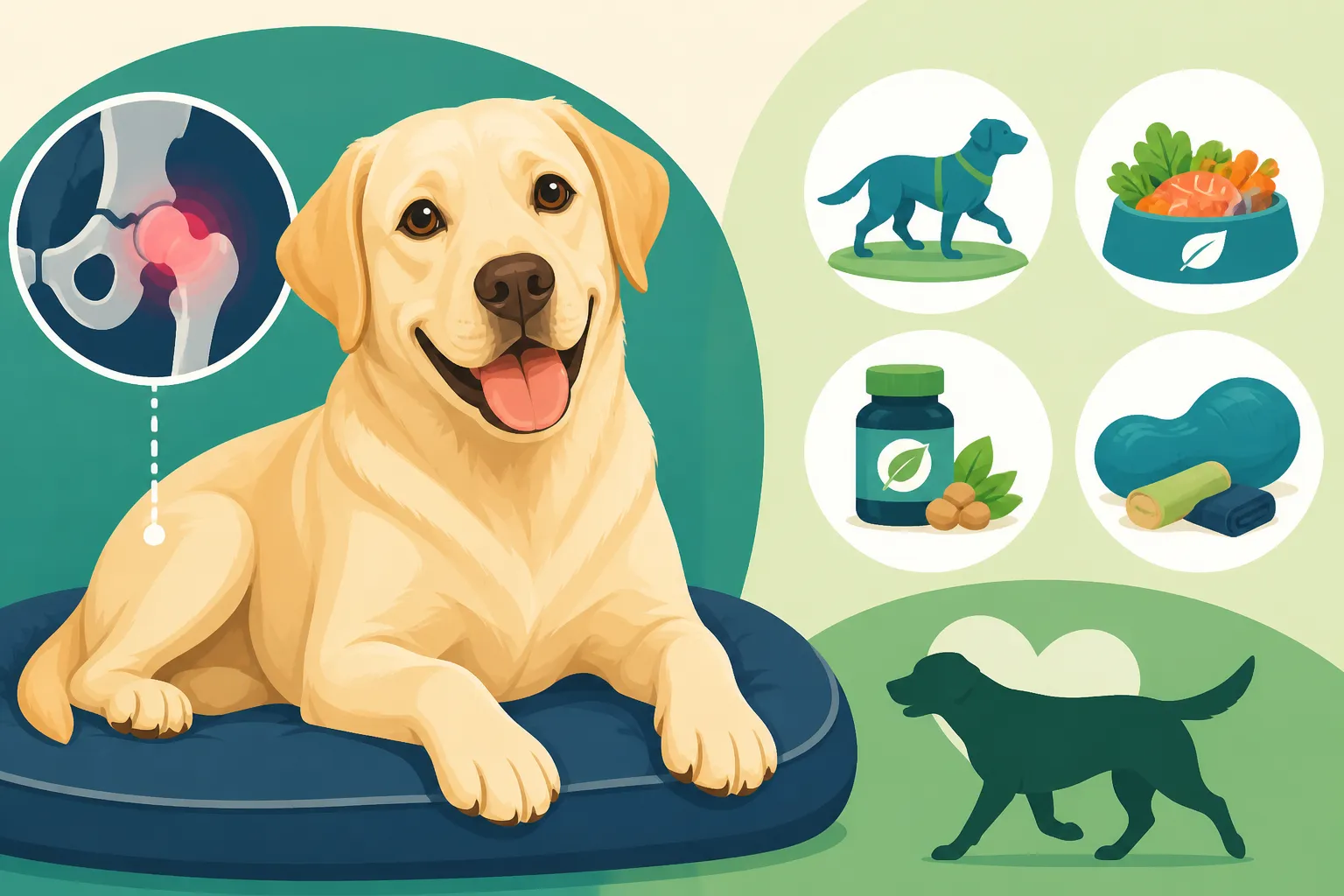
Beyond prescription medications, a range of supplements can support joint health and potentially slow degeneration. The most commonly recommended are glucosamine and chondroitin, often combined with MSM (methylsulfonylmethane). These compounds are believed to help maintain the cartilage in the joint, reduce inflammation, and improve the viscosity of the joint fluid. While they aren't miracle cures, many owners report noticeable improvements in their Labrador's comfort and mobility with consistent use. It’s worth looking into specific formulations designed for large breeds. Omega-3 fatty acids, particularly EPA and DHA found in fish oil, are also powerful natural anti-inflammatories that can complement other treatments. For a more detailed look, consider our article on Joint Supplements That Help a Labrador.
When discussing long-term care plans and the associated costs, it's worth noting that having a pet insurance policy from providers like Healthy Paws, established early in your dog's life, can significantly ease the financial burden of these ongoing treatments, from prescribed medications to specialized therapies. Beyond oral supplements, some vets recommend injectable polysulfated glycosaminoglycans (PSGAGs), such as Adequan, which can help repair cartilage and improve joint fluid quality. These injections are typically administered in a series and can provide long-lasting relief.
Physical Therapy and Rehabilitation
Just like in humans, physical therapy can work wonders for dogs with joint issues. The goal here is to strengthen the muscles supporting the hip joint, improve range of motion, and reduce pain through controlled exercises. This is not about letting your dog run wild; it's a structured program designed by a certified canine rehabilitation therapist.
Hydrotherapy, which involves exercises in water, is particularly beneficial for Labradors with hip dysplasia. The buoyancy of water reduces stress on the joints, allowing your dog to move and strengthen muscles without bearing full weight. This can include underwater treadmills or swimming sessions. Many Labradors, being natural water lovers, take to hydrotherapy with enthusiasm, seeing it more as fun than therapy. Therapeutic exercises, land-based but carefully controlled, focus on specific muscle groups to improve stability and gait. These might involve slow walks, balance exercises, or obstacle courses tailored to your dog's capabilities. You can find more specific advice in our guide on Physical Therapy for a Labrador With Bad Hips.
Other complementary therapies, such as cold laser therapy (low-level laser therapy), use specific wavelengths of light to reduce pain and inflammation and promote tissue healing. Acupuncture, derived from traditional Chinese medicine, can also be very effective for pain relief in some dogs by stimulating nerve points. These advanced therapies can be fantastic additions to a comprehensive management plan, often providing relief when other methods fall short.
Lifestyle Adjustments for a Labrador with Hip Dysplasia
Managing hip dysplasia isn’t just about medication and therapy; it's deeply ingrained in your Labrador’s daily life. Making key adjustments to their diet, exercise routine, and even their home environment can dramatically improve their comfort and slow the progression of the disease.
Weight Management and Diet
This is perhaps the single most critical factor in managing hip dysplasia non-surgically. Every extra pound your Labrador carries puts immense strain on their already compromised hip joints, accelerating pain and damage. Achieving and maintaining a lean body weight is paramount. It’s not just about looking good; it's about reducing the load on those sensitive joints.
Your veterinarian can help you determine your Labrador’s ideal body condition score and caloric intake. This often means carefully measuring food portions, reducing high-calorie treats, and opting for a high-quality, weight-control dog food if necessary. Remember, Labs are notoriously food-motivated, so sticking to a strict diet requires diligence, but the payoff in their comfort is immeasurable. A lean Labrador with hip dysplasia will almost always be more comfortable than an overweight one, even if they're on the same medications. For insights on managing weight, consider reading Labrador Obesity and the Years It Costs.
Tailored Exercise Routines
While high-impact activities like jumping, intense fetch sessions, or long runs can exacerbate hip pain, a complete lack of exercise is also detrimental. Muscles supporting the joints need to be maintained, and regular, controlled exercise helps keep joints lubricated and mobile. The key is tailored and controlled activity.
Think low-impact exercises: shorter, more frequent walks on soft surfaces (like grass or dirt trails), gentle swimming (especially beneficial), and controlled leash walks. Avoid slippery floors where your Labrador might splay out. Listen to your dog: if they're limping or showing signs of pain during or after an activity, scale it back. Consider two to three shorter walks throughout the day instead of one long, arduous trek. The goal is consistent, gentle movement to maintain muscle tone without causing excessive wear and tear.
Home Modifications for Comfort and Safety
Your home environment can be made much more forgiving for a Labrador with hip dysplasia. Think about making everyday life easier and safer to prevent slips, falls, and unnecessary strain on their joints.
Consider providing orthopedic dog beds that offer firm, supportive cushioning to relieve pressure on joints during rest. Ramps are invaluable for helping your Labrador get into and out of cars, onto furniture (if they’re allowed), or up and down stairs, saving them from painful jumps or struggles. Covering slippery floor surfaces like hardwood or tile with rugs or runners can provide much-needed traction, preventing painful slips and falls. Even simple things like raised food and water bowls can make eating and drinking more comfortable by reducing the need to stoop. These small changes add up to significant improvements in your Labrador’s daily comfort and overall quality of life. Our article on Ramps and Mobility Aids for an Old Labrador offers more suggestions.
Considering Future Care and Quality of Life
Living with a Labrador that has hip dysplasia is a journey, not a sprint. It requires ongoing vigilance, a willingness to adapt, and a strong partnership with your veterinary team. While non-surgical management can be incredibly effective, it's essential to continually assess your dog's comfort and be prepared to adjust your approach as needed.
Ongoing Monitoring and Adjustments
Hip dysplasia is a progressive condition, meaning it tends to worsen over time, albeit at different rates for different dogs. Regular check-ups with your veterinarian are crucial to monitor your Labrador's condition, assess their pain levels, and make necessary adjustments to their management plan. This might involve periodic X-rays to check the progression of osteoarthritis, or simply observing changes in their gait, mood, and willingness to participate in activities. Being proactive in monitoring means you can catch any decline early and tweak medications or therapies before your dog experiences significant discomfort. It's also important to be aware of the subtle signs of pain, as Labs are notoriously stoic. Our article on Reading Pain in a Stoic Labrador can provide helpful insights.
Your veterinarian might suggest trying different pain medications, adjusting dosages, or integrating new therapies as the disease progresses or your dog’s response to current treatments changes. This adaptive approach is key to long-term success. Having pet insurance, like a policy from Healthy Paws, can be a major relief during these times, as it helps ensure you can afford the best possible care and doesn't force you to choose between your dog's comfort and your budget when costly medications or new therapies are recommended.
When to Reconsider Surgical Options
Even with the most dedicated non-surgical management, there may come a point when conservative treatments are no longer enough to keep your Labrador comfortable. If your dog's pain becomes unmanageable, their quality of life significantly declines, or they become unable to perform basic functions despite all efforts, it's time to have an honest conversation with your vet about reconsidering surgical options.
Advances in veterinary surgery mean there are several procedures that can drastically improve a dog's quality of life, even if they are older. These might include femoral head ostectomy (FHO) for smaller or less active dogs, or total hip replacement (THR) for severe cases, which can offer excellent long-term outcomes. The decision to pursue surgery is a deeply personal one, weighing the potential benefits against the risks, recovery time, and financial investment. It's about ensuring your Labrador has the best possible quality of life, whatever path that may take.
Long-Term Outlook for Labradors with Managed Hip Dysplasia
The good news is that with diligent non-surgical management, many Labradors with hip dysplasia can live full, active, and happy lives. It requires commitment, patience, and a deep understanding of your dog's needs, but it is absolutely achievable. Focus on their comfort, keep them lean, provide consistent, appropriate exercise, and utilize the medical and rehabilitative tools available.
Managing this condition is a partnership between you, your Labrador, and your veterinary team. By staying informed, advocating for your dog's needs, and making thoughtful choices, you can ensure your beloved companion continues to bring joy and companionship to your life for many years to come. Remember, a happy Labrador is one that's comfortable and loved, regardless of their joint condition.
Disclaimer
The information provided in this guide is intended for general informational purposes only and does not constitute veterinary medical advice. Always consult with a qualified veterinarian for any health concerns or before making any decisions about your pet's medical care. Individual results may vary based on your Labrador's specific condition and response to treatment.