Why Labradors Lick Their Paws Raw
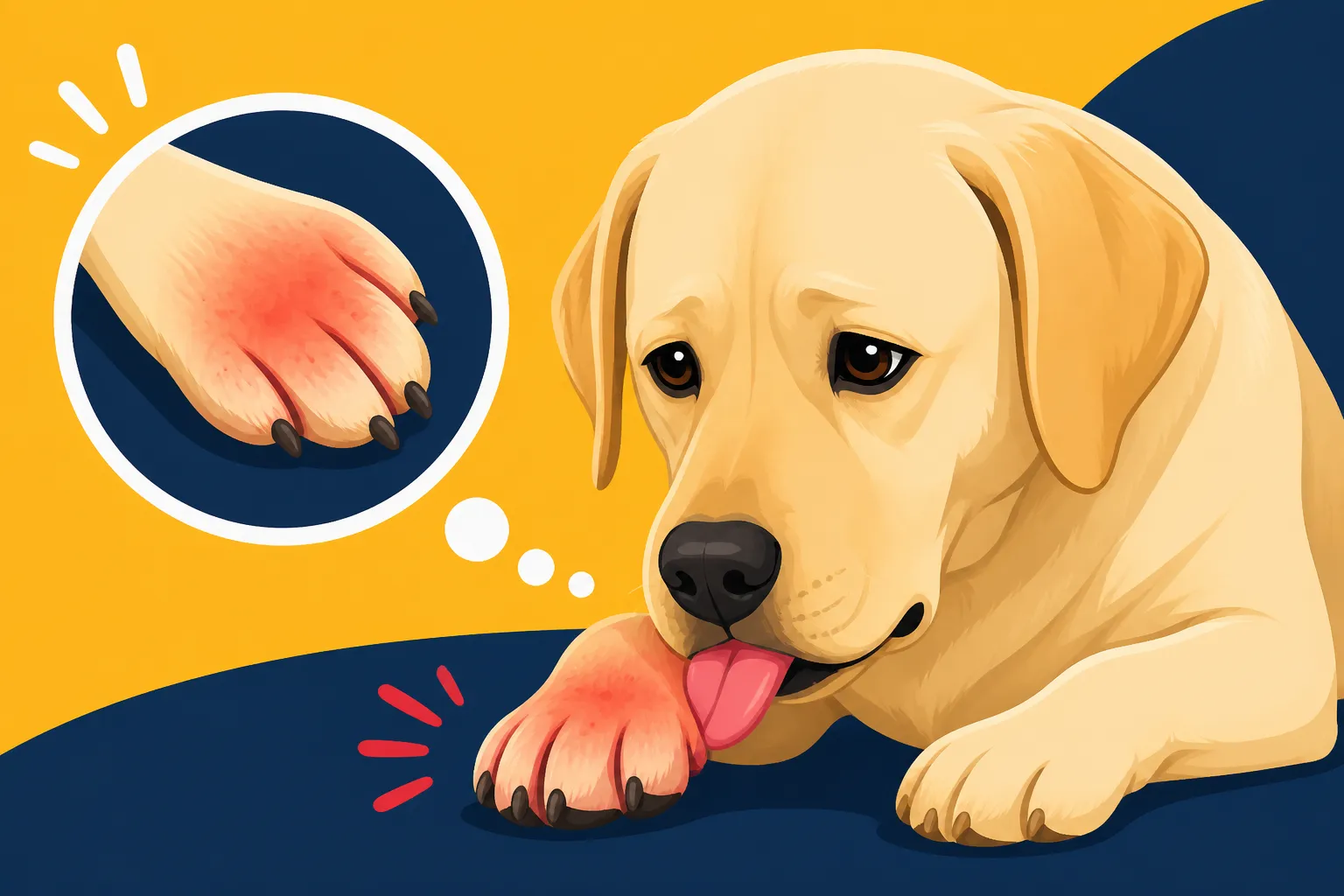
Seeing your beloved Labrador constantly licking their paws until they're red, raw, and sometimes even bleeding is one of the most heartbreaking and frustrating experiences a dog owner can face. It's not just a minor annoyance; it's a clear sign of discomfort or distress in your furry friend. This guide is here to unravel the mystery behind why Labradors lick their paws raw, delve into the common culprits, and equip you with practical, compassionate strategies to bring your dog relief.
The Frustrating Cycle of Paw Licking: Why It Happens
It's easy to dismiss a bit of paw licking as a quirk, especially with Labradors who often explore the world with their mouths. But when that licking becomes relentless, obsessive, and leads to angry-looking skin, it's moved beyond normal grooming and into the realm of a genuine problem. This isn't just a bad habit; it's a symptom, a cry for help from your dog. Understanding the core reasons behind this behavior is the first step toward finding a solution and giving your Labrador the comfort they deserve.
Common Triggers for Excessive Licking
Labradors, with their deep intelligence and high energy, are susceptible to a range of issues that can manifest as obsessive paw licking. Sometimes it's a simple, acute problem, other times it's a complex, chronic condition. The key is to observe when and how often it happens. Does it increase after a walk in the grass? Is it constant, regardless of activity? The answers to these questions are crucial clues for you and your vet.
One of the most common, yet often overlooked, triggers is boredom or anxiety. A Labrador that isn't receiving enough mental and physical stimulation can become destructive or develop compulsive behaviors like excessive licking. Imagine being cooped up all day with nothing to do; some dogs will lick their paws as a self-soothing mechanism, much like a person might bite their nails. This can become a deeply ingrained habit, even if the initial cause is resolved. Similarly, dogs experiencing Separation Anxiety in Labrador Retrievers might lick their paws as a coping mechanism when left alone, finding comfort in the repetitive motion.
Another significant category is pain or injury. Labradors are hardy and stoic, often hiding their discomfort until it's quite advanced. A small thorn embedded in a paw pad, a cracked nail, a bee sting, or even a sprain can cause localized pain that your dog tries to alleviate by licking. What starts as an attempt to "clean" a wound can quickly escalate into raw skin, especially if the foreign object remains. It’s vital to regularly check your Labrador's paws for any obvious signs of injury or redness.
Then there are allergies, which are incredibly prevalent in Labradors. Both environmental and food allergies can cause intense itching, leading your dog to relentlessly lick their paws. Think about how annoying an itchy mosquito bite is; now imagine that itch is all over your feet, all the time. Your Labrador is just trying to find relief. This constant licking can break the skin, allowing bacteria and yeast to move in, creating a secondary infection that makes the problem even worse. We'll dive deeper into specific allergy types shortly.
Finally, don't forget parasites. Fleas, ticks, and mites can all cause severe itching and skin irritation. While fleas are often associated with scratching, their bites can cause intense localized itching, and a Labrador will lick their paws raw trying to get rid of the irritation. Mites, particularly sarcoptic mange mites, can burrow into the skin and cause relentless, unbearable itching, often targeting areas like the paws. Even if you don't see obvious bugs, a thorough check for parasites is always a good starting point when dealing with a persistently itchy Labrador.
The Damage Caused by Constant Licking
It starts innocently enough: a little lick here, a little lick there. But once a Labrador begins licking excessively, it creates a vicious cycle that's incredibly difficult to break. The constant moisture and friction from licking irritate the skin, breaking down its natural protective barrier. This weakened skin then becomes prime real estate for opportunistic infections.
The most visible and painful result of this relentless licking is often a "hot spot," medically known as acute moist dermatitis. These are red, inflamed, often oozing lesions that develop quickly and can spread rapidly. They are incredibly itchy, which drives your Labrador to lick even more, exacerbating the problem. Hot spots are not only uncomfortable but can be quite painful, making walking or even resting difficult for your dog. They often require immediate veterinary attention to prevent further infection and pain.
Beyond hot spots, the moist environment created by constant licking is a haven for yeast and bacteria. You might notice a brownish or reddish stain on your Labrador's fur around their paws, particularly on lighter-colored Labs, which is often a sign of yeast overgrowth. This yeast, Malassezia pachydermatis, thrives in damp, warm conditions and produces compounds that cause even more itching, creating an unbearable feedback loop. Bacterial infections also contribute to the redness, swelling, and foul odor you might detect. These secondary infections require specific medical treatment to resolve.
What began as an attempt to find relief can morph into a compulsive behavioral habit. Even after the underlying cause (like an allergy or pain) has been addressed, some Labradors will continue to lick their paws out of habit. The repetitive motion becomes self-reinforcing, releasing endorphins that provide temporary comfort. Breaking this habit requires patience, consistent intervention, and often a multi-pronged approach to keep your dog from returning to the behavior. It’s important to understand that your Labrador isn’t being naughty; they are genuinely struggling with something, and their incessant licking is a manifestation of that struggle.
Digging Deeper: Identifying the Root Cause of Paw Licking
Unraveling the mystery of why your Labrador is licking their paws raw often feels like detective work. There isn't usually one single, obvious answer, and it requires careful observation, elimination, and sometimes, medical diagnostics. It's a journey that starts at home but almost always leads to your veterinarian's office for a definitive diagnosis and treatment plan. Don't feel discouraged if the answer isn't immediately apparent; many Labrador owners face this exact challenge.
Environmental Allergies: The Usual Suspect
When a Labrador starts licking their paws, especially seasonally, the first thing many vets suspect are environmental allergies, also known as atopy or atopic dermatitis. Just like humans get hay fever, dogs can be allergic to things in their environment. Common culprits include pollens from trees, grasses, and weeds, dust mites (year-round problem), and molds. These allergens are often absorbed through the skin, especially in areas like the paws, belly, and ears, leading to generalized itchiness that can be incredibly intense.
You might notice the licking becomes worse during certain times of the year, correlating with pollen seasons in your area. For instance, if your Labrador starts licking like crazy every spring, tree pollen is a strong contender. If it's late summer, ragweed might be the culprit. Dust mites, on the other hand, can cause year-round issues, often worsening when dogs spend more time indoors. When your dog walks through grass or rolls in leaves, these allergens cling to their fur and paws, directly triggering an allergic reaction. This is why immediate post-walk paw wiping can sometimes offer a small amount of relief.
Diagnosing environmental allergies often involves ruling out other causes first. If suspected, your vet might suggest allergy testing, which can be done through blood tests or intradermal skin testing (where small amounts of allergens are injected under the skin). Once identified, management typically involves a combination of strategies: avoiding triggers where possible, topical treatments, medications to control the itch (like antihistamines, steroids, or newer drugs like Apoquel or Cytopoint), and sometimes allergen-specific immunotherapy (allergy shots or drops). Pet insurance, such as a plan from Healthy Paws, can be incredibly helpful for managing the ongoing costs associated with diagnosing and treating chronic allergies, which can be substantial over a Labrador's lifetime.
Food Allergies and Sensitivities
While less common than environmental allergies, food allergies and sensitivities can absolutely be the underlying cause of your Labrador's raw paws. The key difference here is that food allergies typically cause year-round symptoms, not seasonal ones, and often involve other signs like gastrointestinal upset (diarrhea, vomiting), chronic ear infections (learn more about Labrador Ear and Skin Disease), or overall body itchiness, not just the paws.
Common food allergens in dogs include proteins like chicken, beef, dairy, wheat, soy, and eggs. It's not the grain itself that's usually the problem, but the protein source. A true food allergy involves an immune response to a specific protein. A food sensitivity or intolerance, on the other hand, doesn't involve the immune system but causes digestive upset. Both can lead to skin issues, including paw licking, as the body tries to rid itself of the irritant.
The gold standard for diagnosing a food allergy is an elimination diet. This isn't a simple food switch; it involves feeding your Labrador a novel protein (one they've never eaten before, like venison or duck) and a single carbohydrate source (like potato or peas) for 8-12 weeks, and nothing else. No treats, no table scraps, no flavored medications. It requires extreme diligence from everyone in the household. After the elimination period, if symptoms improve, you then reintroduce common allergens one by one to see which one triggers a reaction. This process can be challenging, but it's often the most reliable way to pinpoint the problematic ingredient and find a suitable long-term diet, which might involve a veterinary-prescribed hydrolyzed protein diet. This systematic approach, though demanding, can finally bring lasting relief to your itching Labrador.
Pain, Injury, and Orthopedic Issues
Sometimes, the simplest explanation is the correct one, and your Labrador might be licking their paw because it hurts. Labradors are known for their exuberance and love of adventure, which can sometimes lead to minor, easily overlooked injuries. A tiny splinter from running through the woods, a sharp piece of gravel embedded in a paw pad, a nasty bee or ant sting, or even a crack in a nail can cause localized pain that your dog tries to soothe with their tongue. Regular inspection of your Labrador's paws – checking between the pads, feeling each toe, and examining the nails – is crucial, especially after outdoor activities.
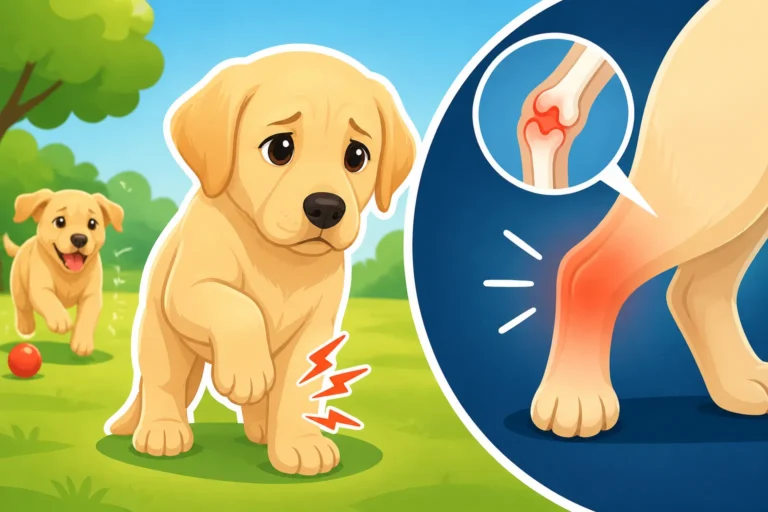
Beyond acute injuries, chronic pain, particularly from orthopedic issues, is a very common reason for paw licking, especially in middle-aged and senior Labradors. Conditions like arthritis are widespread in the breed, and dogs often lick the areas around painful joints as a way to cope. If your Labrador is licking a specific paw or joint repeatedly, it could be a sign of underlying joint discomfort. Arthritis can be debilitating, and observing for other signs like stiffness, limping, or difficulty getting up (covered in more detail in Labrador Arthritis in Middle Age) can help confirm this suspicion.
Furthermore, genetic predispositions such as Labrador Hip and Elbow Dysplasia can lead to chronic pain that manifests in subtle ways, including paw licking. If a hip or elbow is causing discomfort, your Labrador might shift weight, walk awkwardly, and then lick their paws due to the secondary strain or even referred pain. These conditions are deeply ingrained in the breed, and while not always visible, their impact can be felt in your dog's daily comfort. A comprehensive vet exam, including X-rays, might be necessary to diagnose these conditions. Understanding the potential for such issues highlights the importance of choosing a reputable breeder who performs thorough Health Clearances a Labrador Breeder Must Show.
Practical Solutions for Soothing Sore Paws and Breaking the Habit
Once you've done your detective work and, ideally, consulted with your veterinarian, it's time to implement a plan. Treating raw, licked paws is a multi-step process that often involves both medical intervention and consistent home care. Remember, patience is paramount; breaking this deeply ingrained habit and healing the skin won't happen overnight.
Veterinary Diagnosis and Treatment Options
The absolute first step when your Labrador is licking their paws raw is a trip to the vet. Do not try to self-diagnose or treat with home remedies if the skin is broken, red, or oozing. A veterinarian can accurately diagnose the underlying cause and ensure your dog receives the correct treatment. They will perform a thorough physical examination, looking for foreign bodies, signs of inflammation, and evidence of secondary infections.
For suspected allergies, your vet might recommend specific diagnostic tests. This could involve skin scrapings to check for mites, cytology (examining cells from the skin under a microscope) to identify yeast or bacterial overgrowth, or blood tests and intradermal skin tests to pinpoint environmental allergens. For food allergies, as mentioned, an elimination diet is usually the preferred method. In cases of suspected pain, they may recommend X-rays to check for arthritis, fractures, or orthopedic issues like hip or elbow dysplasia.
Treatment typically involves addressing both the primary cause and any secondary infections. If bacteria or yeast are present, your vet will likely prescribe oral antibiotics or antifungals, along with medicated shampoos or topical creams. For allergies, medications vary widely: antihistamines might offer mild relief, while corticosteroids (like Prednisone) are powerful anti-inflammatory drugs often used for severe flare-ups. Newer, more targeted medications like Apoquel and Cytopoint specifically block the itch pathways, providing significant relief with fewer side effects than steroids. For pain, NSAIDs (non-steroidal anti-inflammatory drugs) are commonly prescribed. These treatments, while effective, can be costly. This is where comprehensive pet insurance, such as a plan from Healthy Paws, can truly be a lifesaver, helping to cover diagnostic tests, medications, and specialist consultations, allowing you to prioritize your Labrador's health without undue financial stress.
Home Management and Preventative Measures
While veterinary care is essential, there's a lot you can do at home to support your Labrador's recovery and prevent recurrence. Consistent home care is key to managing chronic conditions and keeping those paws healthy. One of the simplest, yet most effective, steps is regular paw hygiene. After walks, especially through grass, wipe your Labrador's paws with a damp cloth or a specialized paw wipe to remove allergens and irritants. For dogs prone to chronic ear and skin issues, regular bathing with a vet-recommended shampoo can also help remove allergens from their coat, complementing treatment for conditions like Hot Spots and Allergies in Labradors.
For physical protection, protective booties can be invaluable. If your Labrador has raw or injured paws, booties can shield them from further irritation during walks and prevent them from licking the area directly. There are many types available, from simple fabric ones to more durable rubber boots, so you might need to try a few to find the right fit for your Lab. Using soothing paw balms designed for dogs can also help moisturize and heal cracked or dry paw pads, though always ensure your dog doesn't simply lick it all off immediately.
If food allergies are suspected or confirmed, strictly adhere to the prescribed diet. This often means switching to a novel protein or hydrolyzed protein diet and carefully monitoring everything your Labrador eats. Even a small treat or a piece of dropped food can trigger a flare-up. Referencing guides like Feeding a Labrador Through Every Life Stage can provide context for making appropriate dietary changes. Beyond allergies, ensuring your Labrador receives adequate mental and physical stimulation is crucial. A bored Labrador is a problematic Labrador. Provide plenty of opportunities for Exercise a Labrador Needs Each Day and engage their brilliant minds with games, puzzle toys, and training sessions, as outlined in Mental Work for a Bored Labrador. This can significantly reduce stress and boredom-related licking.
Breaking the Licking Habit
Even after the underlying medical issue is addressed, the incessant licking can sometimes persist as a learned behavior. Breaking this habit requires patience, consistency, and a multi-faceted approach. One of the most effective ways to prevent direct access to the paws is with physical barriers. The dreaded "cone of shame" (E-collar) is often necessary, at least temporarily, to allow irritated skin to heal without constant disruption from licking. While your Labrador might look miserable, it's a vital tool for recovery. Alternatively, soft cones or inflatable collars can be more comfortable options.
For dogs with less severe, habitual licking, bitter sprays can sometimes act as a deterrent. These sprays are formulated with a safe, unpleasant taste that discourages licking. However, their effectiveness varies widely from dog to dog; some Labradors seem to enjoy the taste! Always test a small area first to ensure it doesn't cause further irritation.
Crucially, you need to redirect the behavior. When you see your Labrador starting to lick, interrupt them calmly and immediately redirect their attention to an appropriate activity. This could be a sturdy chew toy (like those recommended in Chew Toys That Survive a Labrador), a brief training session, or a game of fetch. The goal is to provide an alternative, acceptable outlet for their oral fixation or energy. Consistency is key here; every time you catch them licking, redirect them. This teaches them that licking paws doesn't get them relief or attention, but engaging with you or a toy does. For particularly persistent cases, working with a certified professional dog trainer or veterinary behaviorist can provide tailored strategies to break the habit and address any underlying anxiety contributing to the compulsive behavior.
Common Causes of Paw Licking in Labradors
| Category | Specific Cause | Key Signs & Symptoms | Treatment & Management |
|---|---|---|---|
| Allergies | Environmental (Atopy) | Seasonal itching, redness between toes, hot spots, ear infections | Antihistamines, Apoquel/Cytopoint, steroids, medicated baths, immunotherapy, paw wipes |
| Food Allergy | Year-round itching, GI upset, chronic ear infections, skin inflammation | Strict elimination diet, novel protein or hydrolyzed diets, identifying trigger foods | |
| Pain/Injury | Foreign Body (thorn, etc.) | Sudden onset licking of one paw, limping, visible object or puncture wound | Vet removal of object, cleaning, antibiotics if infected, protective bootie |
| Arthritis/Joint Pain | Licking specific joint, stiffness, limping, difficulty with movement, older dog | NSAIDs, joint supplements, physical therapy, weight management, comfortable bedding (see Caring for a Senior Labrador) | |
| Nail/Pad Injury | Licking one toe/pad, visible crack, tear, or redness | Vet care for severe injuries, protective bootie, cleaning, pain management | |
| Infections | Bacterial (Pyoderma) | Red, inflamed, sometimes pus-filled skin, crusts, odor, often secondary to licking | Oral antibiotics, medicated shampoos/wipes, E-collar to prevent licking |
| Yeast (Malassezia) | Greasy skin, brownish/reddish staining, strong yeasty odor, intense itching | Oral antifungals, medicated shampoos, E-collar | |
| Behavioral | Boredom | Licking when under-stimulated, often combined with other destructive behaviors | Increased exercise, mental stimulation, puzzle toys, training, structured playtime |
| Anxiety/Stress | Licking during stressful events (leaving alone, storms), sometimes self-mutilating | Behavioral modification, anti-anxiety medication, pheromones, consistent routine | |
| Parasites | Fleas/Mites | Intense itching, red bumps, hair loss, visible fleas/flea dirt, often generalized | Flea/mite treatment (oral, topical), environmental control, medicated baths |
Disclaimer
The information provided in this article is for general informational purposes only and is not intended as a substitute for professional veterinary advice. Always consult with a qualified veterinarian for any health concerns or before making any decisions about your Labrador's care, diet, or treatment. Your veterinarian is the best resource for diagnosing and treating your specific pet's condition.