Why Labradors Hide Pain So Well
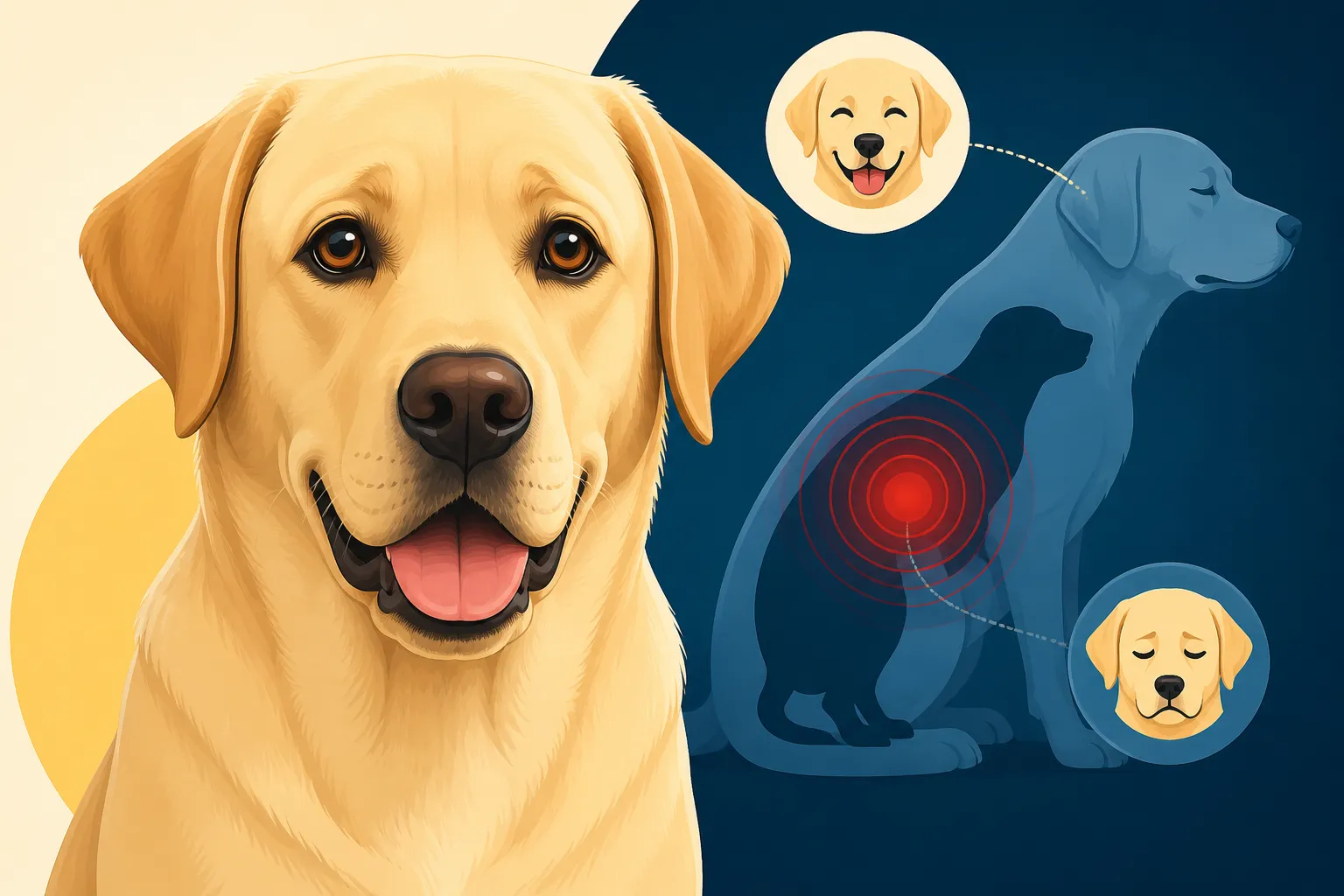
One of the most heartbreaking frustrations for any Labrador owner is the gut-wrenching feeling that something isn't quite right with their beloved companion, yet they can't quite put their finger on it. Labs are notoriously stoic, masters at masking discomfort, leaving us bewildered and anxious. This guide is dedicated to helping you understand why Labradors hide pain so well and, more importantly, how you can become a keen observer of their subtle cues, ensuring your furry family member gets the help they need before a problem escalates.
The Instinctive Roots of a Labrador's Stoicism
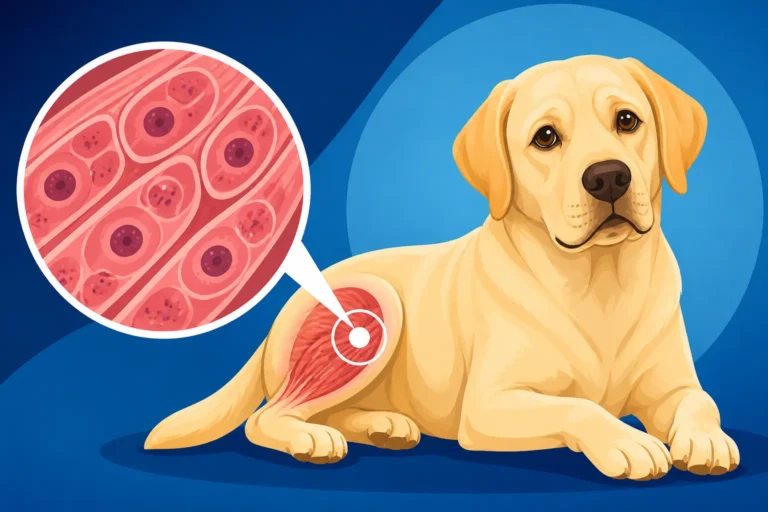
It’s not that your Labrador is intentionally trying to deceive you; it's a deep-seated survival mechanism ingrained in their very being. For centuries, dogs, like their wild ancestors, have learned that showing weakness can make them vulnerable. This instinct, combined with specific traits honed over generations, makes our Labradors incredibly adept at appearing fine even when they are not.
Tracing Back to Their Wild Ancestors
Think about a wolf in the wild. If it’s injured or sick, openly displaying that pain makes it a target for predators or ostracization from its pack. To survive, they learned to push through discomfort, to keep moving, and to hide any signs of weakness. Our domesticated dogs, including the Labrador Retriever, still carry echoes of these ancient instincts. Even though our Labs are safe and cherished members of our modern families, that primal urge to conceal vulnerability remains. They don't want to appear weak or unable to contribute to their "pack" – which is, of course, your family. This inherent drive means that by the time a Labrador is overtly limping or crying out, the underlying issue might be quite advanced.
The "Soft Mouth" and Its Dual Nature
The Labrador Retriever is famed for its "soft mouth," a trait painstakingly bred into them to retrieve game birds without damaging them. This incredible gentleness is a hallmark of the breed, allowing them to carry an egg without breaking it. However, this same inherent trait can sometimes contribute to their ability to hide pain. A dog with a soft mouth is, by nature, less likely to snap or bite when in discomfort, which might be a more obvious sign of pain in other breeds. They may tolerate manipulations or discomfort that would cause a more sensitive dog to react defensively. This isn't to say a Lab won't ever react, but their natural inclination toward gentleness can unfortunately extend to how they express pain, making it less obvious to us.
The Drive to Please, Even When Hurting
Labradors are quintessential "people-pleasers." They thrive on interaction, praise, and being part of the action. This powerful drive to be involved, to fetch the ball, to go for a walk, or to simply be by your side can override their natural inclination to rest or protect an injured area. You might see a Labrador push through obvious discomfort to engage in an activity they love, only to "pay for it" later with increased stiffness or reluctance to move. It’s a testament to their loyalty and joy for life, but it also means we, as owners, have to be incredibly vigilant. They might continue to wag their tail and try to play, even if every movement sends a jolt of pain through their body. This boundless enthusiasm can often mask the quiet suffering beneath, making it tricky to discern when their usual exuberance is actually a cover for discomfort.
Decoding the Whisper: Subtle Signs Your Labrador is in Pain
Since Labradors aren't often ones to dramatically yelp or overtly limp until things are quite severe, we need to become detectives, looking for the nuanced, often quiet, indications that something is amiss. These signs are often behavioral, appearing as slight deviations from their normal routine or personality.
Behavioral Shifts and Personality Changes
This is often the first and most telling category of signs. If your usually gregarious Labrador suddenly seems a bit withdrawn, or if your normally calm companion becomes restless, these are red flags.
- Changes in Interaction: Is your Lab less enthusiastic about greeting you? Do they avoid being petted in certain areas, or perhaps even flinch? A Labrador who usually leans into a cuddle but now pulls away could be indicating pain. Conversely, some dogs become clingier or more demanding of attention when in pain, seeking comfort. Keep an eye on how they interact with children or other pets in the household; a usually tolerant Lab might become irritable or snap if touched in a painful spot.
- Altered Temperament: Pain can make anyone grumpy, and Labradors are no exception. You might notice an increase in irritability, a tendency to growl or snap more readily, or a general decrease in their usual cheerful demeanor. They might become less tolerant of minor annoyances or seem generally "off." On the other hand, some Labs become unusually quiet, withdrawn, or even depressed, losing interest in toys or activities they once adored. This shift can be profound, and as detailed in Reading Pain in a Stoic Labrador, it's critical to note these changes immediately.
- Restlessness or Reluctance to Settle: A dog in discomfort might struggle to find a comfortable position. You might see them pacing, frequently shifting spots, or circling before lying down. They might avoid their favorite sleeping spots if getting into them requires an awkward movement. If your Lab suddenly seems unable to get comfortable at night, it could be a sign of underlying pain, perhaps even arthritis or joint issues that worsen with prolonged rest.
Changes in Movement and Activity Levels
While a limp is an obvious sign, Labs often show more subtle movement changes before a pronounced lameness appears. These are particularly important to watch for in a breed prone to joint issues.
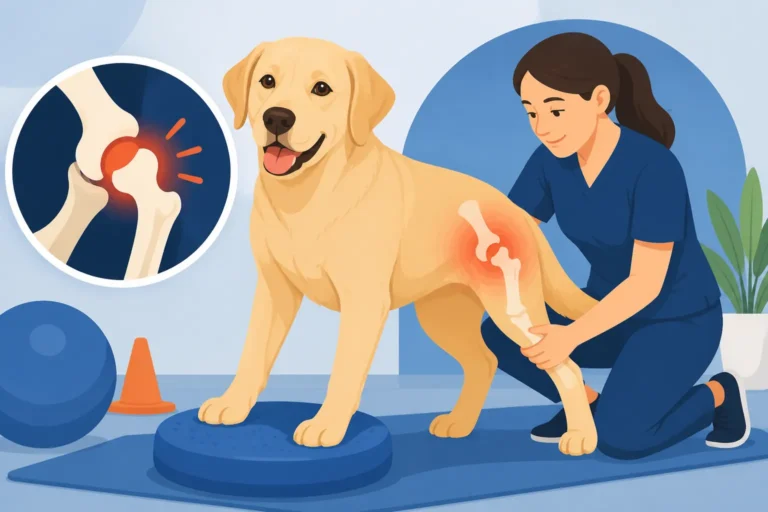
- Stiffness or Difficulty with Movement: This is a classic indicator, especially as Labs get older. You might notice they are slower to rise from a resting position, particularly after a nap. They might hesitate before jumping into the car or onto the couch, or even avoid stairs. Their gait might appear stiffer, less fluid. Even subtle changes, like taking shorter strides or favoring one leg slightly, warrant attention. Conditions like Labrador Hip and Elbow Dysplasia can manifest this way.
- Reduced Activity or Exercise Intolerance: If your Labrador, known for their endless energy, suddenly seems less keen on their usual walks or cuts short their play sessions, take notice. They might be slower on walks, lagging behind, or refusing to retrieve the ball with their usual gusto. This isn't just about laziness; it could be their body telling them they're hurting. Even if they still want to play, the duration or intensity of their play might decrease.
- Changes in Posture: A Labrador in pain might adopt unusual postures to alleviate pressure on a sore area. They might stand with their back arched, tuck their tail more, or shift their weight to one side. A "praying position" (front legs down, rear end up) can sometimes indicate abdominal pain or discomfort, such as an upset stomach or even early signs of Labrador Bloat Risk and Deep Chests.
Altered Eating and Drinking Habits
While not always directly linked to musculoskeletal pain, changes in appetite or thirst can be generalized indicators of illness or discomfort.
- Decreased Appetite or Reluctance to Eat: A usually food-motivated Labrador who suddenly turns up their nose at mealtime or eats significantly less could be experiencing pain or illness. Dental pain, for example, can make eating hard kibble unbearable. Abdominal pain can also suppress appetite.
- Increased Thirst or Urination: While less common for direct pain, changes in drinking habits can signal systemic issues that might be causing generalized discomfort. If your Lab is suddenly drinking and urinating much more, it’s always worth a vet visit to rule out underlying medical conditions.
- Difficulty Chewing or Swallowing: If your Labrador drops food, chews slowly, or seems hesitant to eat hard kibble, it could be a sign of dental pain or issues in their mouth or throat. Even a small fractured tooth can cause significant discomfort.
The Challenges of Pinpointing Pain in a Labrador
Understanding the signs is one thing, but the reality of living with a stoic Labrador means that even the most observant owner can struggle. The challenges are real, and it’s important to acknowledge them.
The High Pain Threshold Misconception
Many people, including sometimes even vets who aren't specifically attuned to the breed, believe that Labradors simply have a high pain threshold. While it's true they often tolerate more discomfort before outwardly showing it, this isn't necessarily a high threshold for feeling pain, but rather a high threshold for expressing it. They feel pain just like any other dog, but their behavioral response is muted. This misconception can lead to delayed diagnosis because owners (and sometimes professionals) might not escalate concerns until the symptoms are impossible to ignore. It’s crucial to remember that a Labrador's quiet endurance doesn’t mean they’re not hurting. It often means they're hurting quite a bit already.
Overlooking Gradual Changes
One of the biggest culprits in missing early signs of pain is the insidious nature of gradual change. Your Labrador doesn't wake up one day with severe arthritis; it develops slowly over months or even years. Each day, the change is so minuscule that you barely notice it. Perhaps they're a tiny bit slower to stand up, or jump a fraction less enthusiastically. Over time, these small changes accumulate, but because you see them daily, they become the "new normal." It's only when a friend or family member who hasn't seen your dog in a while points it out that you realize how much has shifted. This is why regular "check-ins" with yourself – perhaps filming your dog walking or playing every few months – can be incredibly insightful, offering an objective baseline to compare against. Signs a Labrador Is Aging Faster Than Expected often involve these subtle, incremental changes.
The Emotional Toll on Owners
It’s emotionally exhausting to suspect your dog is in pain but feel powerless to identify it. The guilt, the worry, and the frustration of trying to communicate with a creature who can't speak our language can be immense. Owners often second-guess themselves, wondering if they're overreacting or if their dog is just "getting old." This emotional burden can sometimes prevent owners from seeking vet attention early, delaying a diagnosis, and potentially worsening the problem. Remember, it's always better to be safe than sorry. If you have a gut feeling, trust it. Getting clarity from a professional, even if it's just to confirm your Labrador is fine, provides invaluable peace of mind. For serious health issues, having pet insurance like Healthy Paws can alleviate some of the financial stress during these anxious times, allowing you to focus purely on your dog's well-being.
Proactive Steps for Early Detection and Management
While Labs are masters of disguise, we aren't entirely helpless. There are many things we can do as vigilant owners to peel back the layers of their stoicism and ensure they live their healthiest, happiest lives.
Regular Health Checks and Preventative Care
Consistent veterinary care is your first line of defense. Don't just wait until your Labrador is clearly sick.
- Annual and Bi-Annual Vet Visits: These routine check-ups are crucial. Your vet can perform a thorough physical exam, checking joints, teeth, eyes, and ears, often detecting issues before they become apparent to you. As your Labrador enters their senior years, consider bi-annual visits, as discussed in Caring for a Senior Labrador. These regular appointments allow your vet to establish a baseline for your dog's health and spot subtle changes over time.
- Discussing Concerns, No Matter How Small: Never hesitate to bring up even the tiniest observation with your vet. "He's not jumping quite as high," or "She seems a little stiff after her morning nap," might seem insignificant to you, but they can be vital clues for your veterinarian. They might recommend specific diagnostic tests, like X-rays for potential Labrador Arthritis in Middle Age or blood work to check for systemic issues.
- Preventative Joint Supplements: For a breed prone to joint issues, starting a good quality joint supplement (like glucosamine and chondroitin) earlier in life, under veterinary guidance, can be a proactive step. While not a cure, these supplements can help support joint health and potentially slow the progression of conditions, as outlined in Slowing Joint Decline in an Older Labrador.
Learning to "Read" Your Labrador's Body Language
Becoming an expert in your own dog's unique communication style is paramount.
- Establish a Baseline of Normal Behavior: Spend time observing your Labrador when they are completely healthy and happy. How do they usually walk, run, lie down, stand up, and play? What are their normal eating and drinking habits? What's their typical enthusiasm level for walks, toys, or greets? Knowing their "normal" makes it much easier to spot deviations. You can even keep a journal or video log to track these baselines.
- Pay Attention to Subtle Cues: We've covered many, but it bears repeating: look for changes in posture, facial expression (ears back, squinting, "worried" brows), tail carriage, panting (even when not hot or exercising), licking of specific areas (paws, joints), and changes in grooming habits. Even a slight hesitation before going up or down a single step can be a clue. Quiet Signs a Labrador Is Hurting are often found in these minor nuances.
- Regular At-Home Body Checks: Make it a habit to gently run your hands over your Labrador's entire body a few times a week. Feel for any lumps, bumps, hot spots, or areas of tenderness. Watch their reaction as you gently flex and extend each leg. Check their paw pads, ears, and teeth. This not only familiarizes you with their normal anatomy but also helps them get used to being handled, which can make vet visits easier. If you notice any unusual lumps, even if they seem soft, it's wise to get them checked out, as sometimes seemingly benign things like Lipomas and Fatty Lumps on a Labrador can hide something more serious.
Supporting Their Health with the Right Resources
Being prepared for the unexpected is a huge part of being a responsible pet parent, especially with a breed like the Labrador who can face significant health challenges.
- Pet Insurance: Given that Labrador Retrievers are prone to conditions like hip and elbow dysplasia, cruciate ligament tears, and certain cancers, vet bills can quickly become substantial. Investing in pet insurance, from providers such as Healthy Paws, can provide financial relief when unexpected illnesses or injuries strike. It allows you to make decisions based on what's best for your dog's health, rather than your wallet. Understanding Whether Insurance Covers Labrador Hip Dysplasia and other breed-specific conditions before you need it is crucial.
- Emergency Fund: Even with insurance, an emergency fund is invaluable for deductibles, co-pays, or treatments not covered. Having a dedicated savings account for pet emergencies, as outlined in Setting Up an Emergency Fund for a Labrador, ensures you're prepared for unforeseen circumstances.
- Finding a Trusted Veterinary Team: A vet who knows Labradors well and understands their stoic nature can be a true asset. Don't be afraid to seek second opinions if you're not satisfied with a diagnosis or treatment plan. A great veterinary team will partner with you to give your Labrador the best possible care.
By being proactive, observant, and prepared, you can help pierce through your Labrador’s inherent stoicism, ensuring that their quiet courage doesn't lead to prolonged, unnoticed suffering. They give us so much joy, and it’s our privilege to be their silent advocates.
Disclaimer
The information provided in this article is for general informational purposes only and is not a substitute for professional veterinary advice. Always consult with a qualified veterinarian for any health concerns or before making any decisions related to your Labrador's health and well-being.