Pain Medication Vets Prescribe for Labradors
There's nothing quite as heartbreaking as seeing your usually vibrant Labrador slow down, limp, or struggle with everyday activities, and the worry about how to ease their discomfort can be overwhelming. When your vet recommends pain medication, it's natural to have a lot of questions about what's being prescribed, why, and what to expect. This guide is here to walk you through the common pain medications vets prescribe for Labradors, helping you understand their purpose and how to ensure your furry family member gets the best relief possible.
Understanding Pain in Labradors
Labradors, bless their stoic hearts, are often masters at hiding their discomfort. It’s part of their incredible resilience and their strong bond with us – they don’t want to let us down, even when they’re hurting. This can make it incredibly challenging for us as owners to recognize when something is truly wrong, often delaying crucial treatment. Catching the subtle signs of pain early is key to helping your Labrador maintain their quality of life.
Why Labradors Hide Their Discomfort
It's a common lament among Labrador owners: "My dog never complains!" And it's true, Labradors are known for their high pain tolerance and their desire to please. This wonderful trait, however, can be a double-edged sword when it comes to their health. Historically, dogs in the wild would hide pain to avoid appearing vulnerable to predators. While our Labs are far from the wild, this instinct persists, making them incredibly stoic. They might still greet you with a wagging tail even if every joint aches, or enthusiastically chase a ball despite a pulled muscle. This can lead to owners missing the early, more subtle signs of conditions like arthritis or a soft tissue injury. Learning to read the nuanced cues is paramount. If you want to delve deeper into recognizing these subtle cues, consider reading our detailed article on Reading Pain in a Stoic Labrador.
Instead of obvious yelps or limping, you might notice very subtle changes. Maybe they hesitate before jumping into the car, or they start taking longer to lie down. Perhaps their eagerness for a walk has slightly diminished, or they're not quite as enthusiastic about retrieving. They might sleep more, become a bit grumpy when touched in certain areas, or even start licking a particular joint excessively. Sometimes, a Labrador might even become a bit withdrawn or, conversely, a little more clingy than usual. These small behavioral shifts are often the first, quiet whispers of pain that we need to tune into. Ignoring these subtle signs can mean that a treatable condition goes unaddressed for longer than it should.
Common Conditions Requiring Pain Relief
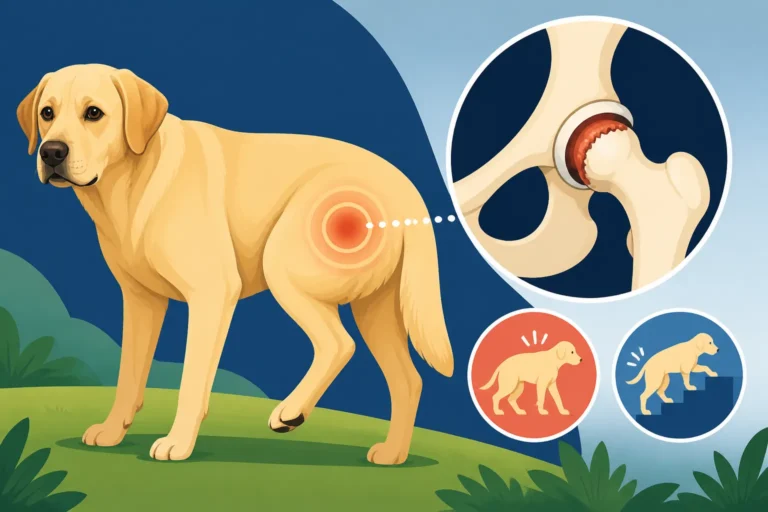
Labradors are a robust breed, but like all dogs, they are susceptible to a range of conditions that cause pain and benefit greatly from medication. Joint issues are undeniably at the top of the list for this active, large breed. Chronic conditions like Labrador Hip and Elbow Dysplasia are unfortunately common, leading to significant discomfort as they age. Arthritis, particularly Labrador Arthritis in Middle Age and senior years, is almost an inevitability for many. These degenerative conditions cause inflammation and breakdown of cartilage, leading to stiffness, soreness, and reduced mobility.
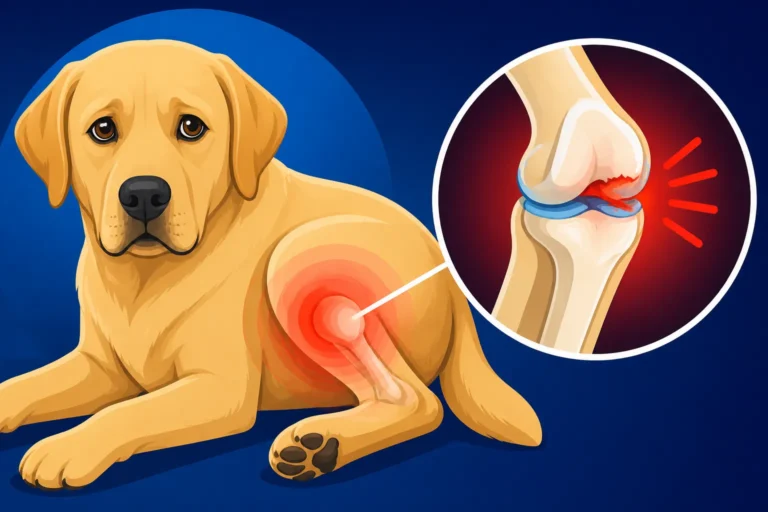
Beyond chronic joint problems, Labradors can suffer acute injuries. Imagine your active Lab tearing a Cruciate Ligament Tears in Labradors during a spirited game of fetch, or pulling a muscle while bounding through the woods. These acute injuries are intensely painful and often require immediate veterinary attention and short-term pain relief to manage the immediate discomfort and aid recovery. Furthermore, post-surgical pain is a significant concern; whether it's an orthopedic procedure like the TPLO surgery for a torn cruciate, or a more routine spay/neuter, effective pain management is crucial for a comfortable and speedy recovery. Even seemingly minor issues like dental pain from a cracked tooth or a severe ear infection can necessitate pain medication to alleviate suffering.
The Mainstays: NSAIDs for Labrador Pain
When your veterinarian talks about pain medication for your Labrador, Non-Steroidal Anti-Inflammatory Drugs, or NSAIDs, are usually the first class of drugs that come to mind. These medications are incredibly effective for managing a wide range of pain, especially that which involves inflammation. They're often prescribed for everything from a sudden injury to chronic conditions like arthritis.
How NSAIDs Work to Reduce Inflammation
NSAIDs work by targeting the body’s inflammatory pathways. When your Labrador experiences injury, illness, or chronic conditions like arthritis, their body produces chemicals called prostaglandins. These prostaglandins are involved in transmitting pain signals, causing inflammation, and even regulating fever. While prostaglandins play a role in normal bodily functions, certain types, particularly those produced at sites of injury or disease, contribute significantly to pain and swelling. NSAIDs specifically inhibit the enzymes (called COX-1 and COX-2) responsible for producing these problematic prostaglandins. By doing so, they reduce inflammation, which in turn significantly alleviates pain and can help reduce fever.
It's important to understand that there are different types of NSAIDs, and some are more selective in targeting the "bad" prostaglandins (COX-2) while sparing the "good" ones (COX-1) that protect the stomach lining and maintain kidney function. This selectivity is what veterinarians consider when choosing the best NSAID for your individual Labrador, aiming to maximize pain relief while minimizing potential side effects. The goal is to break the cycle of pain and inflammation, allowing your Labrador to move more comfortably, encourage activity, and improve their overall quality of life.
Common NSAIDs Prescribed for Labradors
There are several highly effective and commonly prescribed NSAIDs for dogs, and your vet will choose the most appropriate one based on your Labrador's specific condition, existing health issues, and individual tolerance. Some of the most well-known and trusted options include carprofen (often known by the brand name Rimadyl), meloxicam (Metacam), deracoxib (Deramaxx), and firocoxib (Previcox). These are all canine-specific formulations, meaning they are designed with a dog's metabolism in mind, unlike human NSAIDs which can be toxic to pets.
Carprofen, for example, is widely used for both acute pain and chronic conditions like osteoarthritis. Meloxicam is another popular choice, often administered as a liquid, making it easier for some owners to give, especially to picky eaters. Deracoxib is known for its effectiveness in managing post-operative pain and osteoarthritic pain, while firocoxib is another potent option for similar conditions. Your vet might start your Labrador on one of these and monitor their response, sometimes trying a different one if the initial medication isn't providing sufficient relief or if side effects become a concern. It’s never a case of one-size-fits-all, and finding the right NSAID and dosage for your particular Labrador often involves a bit of careful observation and communication with your veterinary team.
Navigating Potential Side Effects
While NSAIDs are incredibly beneficial, it's crucial to be aware of potential side effects and how to monitor your Labrador while they are on these medications. The most common side effects involve the gastrointestinal system, as NSAIDs can sometimes irritate the stomach lining. You might notice your Labrador experiencing vomiting, diarrhea, loss of appetite, or lethargy. Less commonly, but more seriously, NSAIDs can lead to stomach ulcers or even kidney and liver problems, especially with long-term use or if your dog has pre-existing conditions. This is why your vet will often recommend baseline blood work before starting long-term NSAID therapy, and periodic rechecks to monitor kidney and liver function.
It’s vital to always give NSAIDs exactly as prescribed and never exceed the recommended dose. Never give human NSAIDs like ibuprofen or naproxen to your Labrador, as these can be highly toxic and even fatal. If you notice any concerning symptoms – such as persistent vomiting, dark or tarry stools (which can indicate gastrointestinal bleeding), increased thirst, increased urination, or yellowing of the skin/eyes – stop the medication immediately and contact your vet. Open communication with your vet is the best way to ensure your Labrador gets the pain relief they need safely. If you have pet insurance, like a plan from Healthy Paws, these routine blood tests and potential follow-up treatments for side effects might be covered, which can be a huge relief for chronic medication management.
Beyond NSAIDs: Other Pain Management Options
While NSAIDs are fantastic, sometimes they aren't enough on their own, or perhaps your Labrador can't tolerate them. Thankfully, veterinary medicine has evolved significantly, offering a broader array of tools in the pain management toolbox. These options can be used in conjunction with NSAIDs, or as standalone treatments, providing comprehensive relief for your furry friend.
Adjunct Medications for Enhanced Relief
For Labradors experiencing more severe or chronic pain, especially neuropathic pain (nerve pain), vets often turn to "adjunct" medications. These drugs work differently from NSAIDs and can be incredibly effective when used in combination, creating a multi-modal approach to pain relief. Gabapentin is a prime example; it's an anti-seizure medication that also has powerful pain-relieving properties, particularly for nerve-related pain and chronic discomfort. It can help calm an overactive nervous system, making it a great option for conditions where nerve impingement or damage is present, or simply to take the edge off severe pain.
Another common adjunct is Amantadine, which is typically used for chronic, intractable pain, often in combination with NSAIDs. It works by blocking certain pain receptors in the brain, essentially reducing the "wind-up" phenomenon where chronic pain can become amplified over time. Sometimes, even low-dose tranquilizers like Trazodone or benzodiazepines can be prescribed for short-term use if a Labrador's pain is causing extreme anxiety or inability to rest, although these are generally not for long-term pain management. These adjuncts allow your vet to tailor a pain protocol that targets different pain pathways, often leading to more profound relief than a single medication could achieve, especially for conditions like severe Labrador Arthritis in Middle Age.
Injectable and Alternative Pain Therapies
Beyond oral medications, there's a growing array of innovative pain therapies that can make a huge difference for Labradors. One of the most exciting recent developments is the introduction of monoclonal antibody injections, specifically Librela (for osteoarthritis). This groundbreaking treatment targets Nerve Growth Factor (NGF), a key driver of pain in osteoarthritis, without the organ system risks associated with NSAIDs. Given as a monthly injection by your vet, it can provide consistent pain relief, which is a game-changer for many older Labs struggling with chronic joint pain.
Other injectable options include polysulfated glycosaminoglycans (PSGAGs), such as Adequan. These injections work to improve joint fluid quality, protect cartilage, and reduce inflammation, often used as a joint-preserving therapy, particularly helpful for managing conditions like Labrador Hip and Elbow Dysplasia. For localized pain, vets might also use steroid injections (though typically avoided with NSAIDs due to increased risk of side effects) or nerve blocks. Beyond pharmaceuticals, many vets incorporate alternative therapies like acupuncture, therapeutic laser, or even physical rehabilitation to complement medication. These non-pharmacological approaches can reduce reliance on drugs, improve mobility, and offer a holistic approach to pain management, all aimed at improving your Labrador's comfort and function.
Comprehensive Pain Management Strategies
True, effective pain management for a Labrador often extends far beyond just popping a pill. It's about a holistic, multi-pronged approach that addresses every aspect of their well-being. This often involves a carefully selected combination of medications, but also lifestyle adjustments and supportive therapies. For example, maintaining a healthy weight is paramount for any Labrador with joint pain, as excess pounds put immense strain on already compromised joints. Your vet can help you determine your Labrador's ideal body condition and provide guidance on diet.
Alongside medication, physical therapy can be transformative. Techniques like controlled leash walks, swimming (which is excellent low-impact exercise for Labradors), therapeutic exercises, and even massage can strengthen supporting muscles, improve range of motion, and reduce stiffness. Joint supplements containing ingredients like glucosamine, chondroitin, and MSM can also play a supportive role, helping to maintain cartilage health and reduce inflammation, as discussed in detail in our piece on Joint Supplements That Help a Labrador. Environmental modifications, such as providing orthopedic beds, ramps for cars or stairs, and non-slip mats on slippery floors, can further enhance your Labrador's comfort and safety. This combination of medical intervention, lifestyle changes, and supportive care is the best way to keep your Labrador as comfortable and active as possible throughout their life. If your Labrador's pain requires ongoing management, discussing long-term costs with your vet and reviewing pet insurance options like Healthy Paws can provide financial peace of mind.
Here's a quick overview of some common pain medications and their general uses:
| Medication Type | Common Examples (Generic/Brand) | Primary Use | Key Benefits | Potential Side Effects |
|---|---|---|---|---|
| NSAIDs | Carprofen (Rimadyl), Meloxicam (Metacam), Deracoxib (Deramaxx), Firocoxib (Previcox) | Acute & Chronic pain, inflammation (e.g., arthritis, post-op) | Reduces pain, swelling, fever | GI upset (vomiting, diarrhea), appetite loss, kidney/liver issues |
| Gabapentin | Gabapentin | Neuropathic pain, chronic pain, anxiety adjunct | Targets nerve pain, can aid sedation/relaxation | Sedation, ataxia (wobbliness), GI upset |
| Amantadine | Amantadine | Chronic, refractory pain (often with NSAIDs) | Blocks pain receptors, combats chronic pain "wind-up" | Agitation, GI upset |
| Tramadol | Tramadol | Mild to moderate pain (opioid-like action) | Moderate pain relief | Sedation, GI upset, panting, dizziness |
| Monoclonal Antibodies | Librela | Osteoarthritis pain (chronic) | Highly targeted, long-lasting relief, fewer organ risks | Mild injection site reactions, occasional GI upset |
| PSGAGs | Polysulfated Glycosaminoglycans (Adequan) | Joint health, cartilage protection, inflammation | Improves joint fluid, protective for cartilage | Injection site reactions, rare allergic reactions |
Administering Pain Medication Safely and Effectively
Once your vet has prescribed pain medication, the next step is ensuring your Labrador actually takes it – and that you’re doing so in a way that maximizes its benefits and minimizes risks. This part can sometimes be a battle of wits with a clever or stubborn Lab, but with a few strategies, you can make it a smooth process.
Tips for Giving Your Labrador Pills and Liquids
Getting a pill into a reluctant Labrador can feel like a wrestling match, but it doesn't have to be! Many Labradors are famously food-motivated, which works to your advantage. For pills, the "pill pocket" method is often a lifesaver. You can use commercially available pill pockets, or simply mold a small piece of cheese, peanut butter (xylitol-free!), lunch meat, or even a soft treat around the pill. Make sure it's appealing enough that they'll swallow it without chewing. Some Labs are incredibly smart and will chew just enough to spit out the pill, so ensure it's hidden well. Another trick is to offer a few "dummy" treats first, then the pill-laden treat, followed by another plain treat. This makes them less suspicious.
For liquids, it can sometimes be easier. Many vets will give you a syringe without a needle. Draw up the liquid medication and gently insert the tip of the syringe into the side of your Labrador's mouth, between their cheek and gums. Administer the liquid slowly, allowing them time to swallow. Don't tilt their head back too far, as this can make them choke. Always offer praise and a tasty reward immediately afterward to create a positive association. If your Labrador is particularly challenging, don't hesitate to ask your vet or vet tech for a demonstration; they often have great tips and tricks up their sleeves. Remember, consistency is key for effective pain management, especially for chronic conditions.
What to Watch For While Your Labrador Is on Medication
Monitoring your Labrador while they are on pain medication is absolutely crucial for their safety and to gauge the medication's effectiveness. You are their most important advocate and observer. Beyond watching for the previously mentioned side effects like vomiting, diarrhea, lethargy, or changes in appetite, you should also pay close attention to subtle shifts in their demeanor and physical state. Is the medication truly making them more comfortable? Are they moving more freely, sleeping better, or regaining some of their former enthusiasm? Or do they still seem stiff, reluctant to move, or are the behavioral signs of pain (like excessive licking or grumpiness) persisting?
Keeping a simple log can be very helpful, especially with new medications or if your Labrador is on multiple drugs. Note down the time and dose of medication given, and then observe their activity level, appetite, and any signs of discomfort or side effects. This detailed information will be invaluable for your vet to make informed decisions about adjusting dosage or switching medications if needed. Also, be mindful of drug interactions if your Labrador is on any other medications, supplements, or even certain herbs. Always inform your vet of everything your Labrador is taking to avoid dangerous combinations. Being proactive in monitoring can help you catch issues early and ensure your Labrador gets the most out of their pain management plan. For long-term conditions that require continuous monitoring and potential adjustments, having pet insurance from a provider like Healthy Paws can cover the costs of regular vet check-ups and follow-up bloodwork.
When to Seek Veterinary Advice
Knowing when to pick up the phone and call your veterinarian is an essential part of responsible pet ownership, especially when your Labrador is on pain medication. Any severe or persistent side effects should be reported immediately. This includes prolonged vomiting, severe diarrhea, dark or tarry stools, yellowing of the skin or eyes (jaundice), sudden changes in drinking or urination habits, or severe lethargy or weakness. These can be signs of serious complications, and prompt veterinary attention is vital.
Beyond acute side effects, you should also contact your vet if the medication simply isn't working as expected. If your Labrador's pain isn't improving after a few days, or if it seems to be worsening, their current medication or dosage might not be appropriate. Perhaps their condition has progressed, or they might need a different class of pain reliever or an adjunct therapy. Don't feel like you're bothering your vet; they want to ensure your Labrador is comfortable. Additionally, if your Labrador develops any new symptoms that are unexplained, or if you simply have questions about the medication, its interactions, or long-term prognosis, it's always best to err on the side of caution and reach out to your veterinary team. They are your best resource for keeping your beloved Labrador happy and healthy. Understanding when to seek further advice is crucial in Slowing Joint Decline in an Older Labrador and managing other chronic issues. Remember, unexpected vet visits can be expensive, and a robust pet insurance plan like Healthy Paws can alleviate financial stress during such times.
Disclaimer
This article is intended for informational purposes only and does not constitute veterinary medical advice. Always consult with a qualified veterinarian for any health concerns or before making any decisions about your Labrador's medical care, diet, or treatment. Individual results may vary, and decisions should be made in consultation with a veterinary professional.