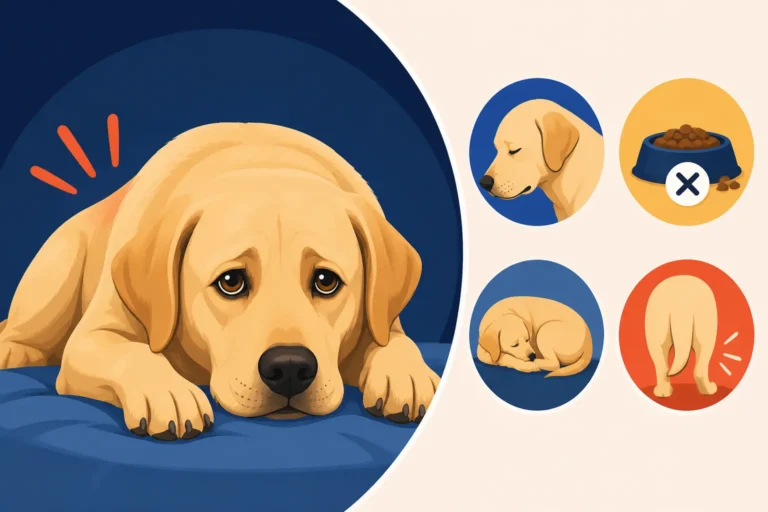
The Labrador Teething Timeline
The adorable, razor-sharp teeth of a Labrador puppy are a double-edged sword: incredibly cute when they yawn, but a nightmare for your furniture, fingers, and anything else within their reach. This intense chewing phase, a natural part of growing up, leaves many new Labrador owners wondering when the relentless gnawing will finally subside and when those needle-like puppy teeth will give way to sturdy adult chompers. This comprehensive guide will walk you through the entire Labrador teething timeline, detailing what to expect at each stage and how best to support your furry companion (and your sanity) through this challenging but temporary period.
Understanding the Puppy Teething Process
Before we dive into the specific timeline, it's helpful to grasp why puppies teethe with such fervor. Just like human babies, puppies are born without teeth, relying entirely on their mother's milk. Their first set of teeth, known as deciduous or "milk teeth," emerges quickly, but these are temporary. Their primary purpose is to allow the puppy to start experimenting with solid food and to develop the muscles needed for chewing. However, these tiny, sharp teeth aren't meant for the long haul.
The teething process is essentially nature's way of making room for the stronger, permanent adult teeth. As the adult teeth begin to push through the gums, they exert pressure on the roots of the baby teeth, causing them to resorb and loosen. This can be an uncomfortable, even painful experience for your Labrador puppy, leading to increased chewing, drooling, and sometimes a temporary decrease in appetite. It's a critical developmental phase that shapes their jaw structure and prepares them for a lifetime of eating and, for many Labradors, retrieving.
Why Labradors Seem to Chew Constantly
If you feel like your Labrador puppy is chewing on everything, you're not alone. Labradors are known for their strong oral fixation, a trait deeply rooted in their retrieving heritage. They love to carry things, hold things, and yes, chew things. This natural inclination is amplified during teething. The pressure from chewing helps to relieve the discomfort and irritation in their gums as new teeth emerge.
Beyond pain relief, chewing is also a way for puppies to explore their world. They learn about objects by mouthing them, and for a curious, intelligent breed like the Labrador, this exploration is constant. Without appropriate outlets, your puppy will inevitably turn to your belongings, often with devastating results. Providing a variety of safe, appealing chew toys is paramount, not just for their dental health, but for channeling this inherent drive positively. If you're struggling with this, our guide on how to redirect intense Labrador Puppy Mouthing and How to Redirect It can offer more specific strategies.
The Role of Genetics and Breed Traits
While all puppies go through teething, a Labrador's strong jaws and powerful chewing drive can make the experience particularly intense for owners. Their breeding for retrieving waterfowl means they have robust mouths, designed to carry game without damaging it, but also capable of applying significant pressure. This strength, combined with their generally high energy levels, means they need durable, stimulating chew solutions.
Interestingly, some individual Labradors might experience teething with less fuss, while others might be more vocal or destructive. This can be partly due to their individual pain tolerance and partly to their specific genetic makeup, which can influence everything from their overall energy to their propensity for chewing. Regardless of individual differences, every Labrador puppy will benefit from a structured approach to managing this phase.
The Four Stages of Labrador Teething
The Labrador teething timeline can be broadly divided into four key stages, each with its own characteristics and challenges. Understanding these stages will help you anticipate what's coming and provide the best support for your puppy.
Stage 1: Birth to 2 Weeks – Gummy Smiles
In the very beginning, from birth up to about two weeks of age, your Labrador puppy will be completely toothless. During this initial period, they rely solely on their mother for nourishment and comfort. Their gums are smooth and soft, and they spend most of their time sleeping and feeding.
This stage is generally peaceful, at least in terms of chewing. The focus is entirely on growth and developing basic sensory functions. You won't notice any chewing behaviors yet, as their primary interaction with the world is through suckling. This is also a time when critical early developmental milestones are met, laying the groundwork for their health and behavior in the first year.
Stage 2: 2 to 6 Weeks – First Milk Teeth Emerge
Around two to three weeks of age, you'll start to see the first tiny, sharp teeth poking through your Labrador puppy's gums. These are the incisors (the small teeth at the front of the mouth), followed quickly by the canines (the long, pointed "fangs"). By about six weeks, most of their 28 deciduous teeth will have erupted.
This is often when new owners first experience the "needle teeth" phenomenon. While still with their littermates and mother, these teeth are essential for transitioning to solid food. For the mother dog, this phase can be a bit painful during nursing, sometimes leading her to start weaning the puppies naturally. For the puppies, it's the beginning of their chewing journey. They'll start exploring textures, mouthing their siblings, and gnawing on anything they can get their mouths around. This is the crucial time to introduce puppy-safe chew toys, even if they're not fully engaged with them yet.
Stage 3: 8 Weeks to 4 Months – Losing Baby Teeth
This is arguably the most intensive and often most frustrating stage for Labrador owners, especially if you've brought your puppy home around the typical 8-week mark. From about 8 weeks to 4 months of age, your Labrador puppy will be actively losing their baby teeth and growing their adult teeth. They have 28 baby teeth to shed and 42 adult teeth to grow, which means a lot of dental activity!
You might find tiny, rice-grain-sized teeth on the floor, in their bedding, or embedded in their chew toys. More often than not, puppies simply swallow their baby teeth, which is completely harmless. During this period, their gums will be sore and itchy, driving an intense need to chew. Everything becomes a potential chew toy: chair legs, remote controls, shoes, and yes, your fingers. This is the prime time for implementing strict bite inhibition training and offering a wide variety of appropriate chews. Our guide on What Not to Do When a Labrador Puppy Bites can provide critical advice for navigating this stage.
| Age Range | Teething Stage | Key Developments | Common Behaviors | Owner Actions |
|---|---|---|---|---|
| 0-2 Weeks | Gummy Smiles | No teeth visible | Primarily nursing | N/A |
| 2-6 Weeks | Milk Teeth Erupt | Incisors, canines emerge | Exploring textures, mouthing | Introduce soft, puppy-safe chews |
| 8 Weeks – 4 Months | Baby Teeth Falling Out | 28 baby teeth shed, adult teeth emerge | Intense chewing, drooling, nipping | Offer varied chew toys, enforce bite inhibition, monitor lost teeth |
| 4-7 Months | Adult Teeth Erupt | All 42 adult teeth in place | Continued chewing, less frantic | Continue providing chews, establish dental hygiene |
Stage 4: 4 to 7 Months – Adult Teeth Fully Emerge
By four months of age, your Labrador puppy will be well into growing their adult teeth. The molars (the large chewing teeth at the back of the mouth) are often the last to emerge, typically between 4 and 7 months. Once all 42 permanent teeth have pushed through, the primary teething phase is officially over.
While the intense discomfort should subside, don't be surprised if your Labrador continues to chew diligently. Labradors are natural chewers, and even with a full set of adult teeth, chewing remains a vital activity for mental stimulation, jaw strength, and keeping those pearly whites clean. This is when you transition from "teething toys" to durable, appropriate chew toys designed for adult dogs. Continued access to safe chews is essential to prevent destructive behaviors and to maintain good dental health. Remember, a robust chew routine can actually help prevent issues like Labrador Dental Disease and Tartar down the line.
Managing Your Labrador's Teething Pain and Chewing
Navigating the teething period requires patience, consistency, and a proactive approach. Your goal is to alleviate your puppy's discomfort while simultaneously teaching them what is and isn't acceptable to chew.
Providing Appropriate Chew Toys
This cannot be stressed enough: always have appropriate chew toys readily available. A variety of textures and hardness levels will keep your Labrador engaged. For young puppies, softer rubber toys are good, transitioning to harder, more durable options as their adult teeth come in. Consider toys designed for teething, which often have nubby textures to massage gums.
Some excellent choices for a teething Labrador include:
- Rubber Kongs: Fill them with frozen peanut butter (xylitol-free!), yogurt, or wet food. The cold helps soothe gums, and the challenge keeps them occupied.
- Nylabone or Benebone chews: Choose the puppy-specific versions initially, then upgrade to adult strength.
- Frozen carrots or banana chunks: These offer a safe, cold, and nutritious option. Always supervise, especially with carrots, to ensure no choking hazards.
- Rope toys: Great for tug-of-war, but be mindful of fraying, as swallowed strings can cause issues.
- Bully sticks or natural chews: Offer these sparingly and supervise closely to prevent choking or excessive consumption. Always opt for high-quality brands.
Our guide on Toys That Satisfy a Teething Labrador offers even more specific recommendations for durable, engaging options.
Soothing Sore Gums
Just like a human baby, your Labrador puppy will appreciate anything that helps numb or soothe their inflamed gums. Cold items are particularly effective.
- Frozen wet washcloths: Soak a clean washcloth in water, wring it out, and freeze it. The cold, slightly pliable texture is often very appealing.
- Ice cubes: Some puppies love to crunch on ice cubes, but offer them cautiously, especially if your puppy is a gulper.
- Chilled teething rings: You can find these specifically designed for puppies in pet stores.
- Specialized puppy gels: Some vets might recommend topical gels to numb the gums, though most puppies prefer a cold chew.
While there are many home remedies, always consult your veterinarian if you're concerned about your puppy's pain level or if they seem overly distressed.
Protecting Your Home and Possessions
Puppy-proofing your home is non-negotiable during the teething phase. Think like a toddler – if it's within reach, it's fair game.
- Elevate or secure valuables: Shoes, remote controls, books, and electronics should be kept out of reach.
- Block access to dangerous areas: Use baby gates to restrict access to rooms where you can't supervise or where there are tempting hazards like electrical cords.
- Bitter sprays: For furniture legs or other non-chewable items you can't move, a deterrent spray (like Grannick's Bitter Apple) can be effective. Always test in an inconspicuous area first to ensure it doesn't stain.
- Supervise, supervise, supervise: Active supervision is the best defense. When you can't supervise, a crate or puppy-proofed playpen is your best friend. Crate training is incredibly useful for a young Labrador, and a guide like Crate Training a Labrador Puppy can offer more insights.
Remember, punishing your puppy for chewing on inappropriate items is rarely effective and can damage your bond. Instead, immediately redirect them to an approved chew toy and praise them enthusiastically when they chew on the right thing.
When to Be Concerned: Red Flags During Teething
While teething is a natural process, there are a few situations where veterinary intervention might be necessary. Keeping an eye out for these red flags can save your Labrador from discomfort and potential long-term issues.
Retained Baby Teeth
This is one of the most common issues during Labrador teething. Sometimes, a baby tooth doesn't fall out on its own, even after the permanent tooth has started to erupt. This is called a "retained deciduous tooth." The most common culprits are the canine teeth, both upper and lower.
A retained baby tooth can cause several problems:
- Misalignment: The adult tooth might erupt in an incorrect position, leading to overcrowding or a poor bite.
- Food trapping: Food and debris can get stuck between the retained baby tooth and the new adult tooth, leading to plaque buildup, tartar, and eventually dental disease or gum infections.
- Pain and discomfort: The retained tooth can rub against other teeth or the gums, causing irritation.
If you notice two teeth growing in the same spot, or if a baby tooth seems stubbornly in place when the adult tooth is clearly visible, it's time to call your vet. Often, these teeth need to be extracted under anesthesia to prevent future problems. You can learn more about this specific issue in our detailed article on Retained Baby Teeth in a Labrador Puppy.
Swollen, Bleeding, or Infected Gums
A small amount of blood on chew toys or in your puppy's mouth during teething is normal. Their gums might also look a little red and swollen. However, excessive bleeding, very dark red or purple gums, pus, or a foul odor coming from their mouth are signs of a potential infection.
If your puppy seems to be in severe pain, refusing to eat, or develops a fever, these are also reasons for concern. A veterinarian can assess the situation, rule out infection, and provide appropriate pain relief if needed. It's always best to err on the side of caution when it comes to your puppy's health. Pet insurance providers like Healthy Paws can be a real lifeline if unexpected dental procedures or treatments for infections arise.
Broken or Damaged Teeth
While Labrador puppies have strong jaws, accidents can happen, especially if they chew on excessively hard objects like rocks or antlers that are too tough. A chipped or broken tooth can be painful and lead to infection. If you notice a broken tooth, or if your puppy suddenly becomes sensitive around their mouth, a vet visit is warranted. The sooner a damaged tooth is addressed, the better the prognosis for preserving it or preventing further complications.
Abnormal Jaw Development
In very rare cases, teething might highlight underlying issues with jaw development. If your puppy's bite seems significantly misaligned, or if they have trouble closing their mouth comfortably, bring this to your vet's attention. While most dental issues are minor, serious malocclusions (incorrect bites) can sometimes impact a dog's ability to eat and their overall quality of life, potentially requiring orthodontic intervention.
For any of these concerns, a timely vet visit is crucial. Having a good pet insurance policy, perhaps from a reputable provider like Healthy Paws, can offer peace of mind during your Labrador's first year when so many health developments are underway, including teething. Many routine vet visits and even some unexpected issues during this formative period are covered, making the decision to seek professional advice much easier. Knowing your First Year Vet Spending on a Labrador Puppy can be significant, considering insurance is a smart move.
Beyond Teething: Lifelong Dental Health for Labradors
Once your Labrador's adult teeth are fully in, the challenges of teething fade, but the importance of dental care doesn't. Labradors, like many breeds, are prone to dental disease if their teeth aren't regularly maintained.
Establishing a Dental Hygiene Routine
The best time to start a dental routine is during the teething phase, even if it's just getting your puppy used to having your fingers in their mouth. Once their adult teeth are set, aim for regular brushing with a dog-specific toothbrush and toothpaste. Even a few times a week can make a significant difference in preventing plaque and tartar buildup.
Beyond brushing, dental chews specifically designed to clean teeth can be a helpful supplement, but they should never replace manual brushing. A guide on Brushing a Labrador's Teeth at Home can provide a step-by-step approach.
Regular Veterinary Dental Check-ups
Your veterinarian will check your Labrador's teeth during their annual wellness exams. They can spot early signs of dental disease, recommend professional cleanings when necessary, and advise on any specific concerns. Professional dental cleanings, performed under anesthesia, are often needed every few years to remove tartar buildup below the gumline and to address any issues like cavities or extractions. Knowing the full cost of these procedures, and how pet insurance might help, is part of being a responsible owner.
The teething timeline for your Labrador puppy can feel like an eternity when you're dealing with constant chewing and sharp nips. However, by understanding each stage, providing appropriate outlets for their chewing instincts, and being vigilant for potential complications, you can help your beloved companion navigate this phase successfully. Before you know it, those needle-sharp puppy teeth will be a distant memory, replaced by a healthy set of adult choppers ready for a lifetime of retrieving, eating, and smiling.
Disclaimer
This article is intended for informational purposes only and does not constitute veterinary advice. Always consult with a qualified veterinarian regarding your Labrador's specific health concerns, treatment options, or before making any decisions related to their medical care.