Taking On a Labrador With Known Hip Problems
Deciding to welcome a Labrador into your home is a big commitment, and it's even bigger when you know they're bringing a significant health challenge like hip dysplasia with them. It can feel daunting, full of 'what ifs' and worries about their future comfort and your ability to provide for them. This guide is here to walk you through everything you need to know about bringing a Labrador with known hip problems into your life, from understanding the condition to managing their care, ensuring they live their happiest, most comfortable life.
Understanding Hip Dysplasia in Labradors
It’s heartbreaking to think of a beloved dog living with chronic discomfort, and hip dysplasia is one of those conditions that often casts a long shadow over a Labrador's well-being. This isn't just a minor ache; it's a significant developmental disorder that impacts their quality of life, often from a young age. Many potential owners shy away from a dog with this diagnosis, fearing the costs and the heartbreak, but with understanding and dedication, these dogs can still lead incredibly fulfilling lives.
What is Canine Hip Dysplasia?
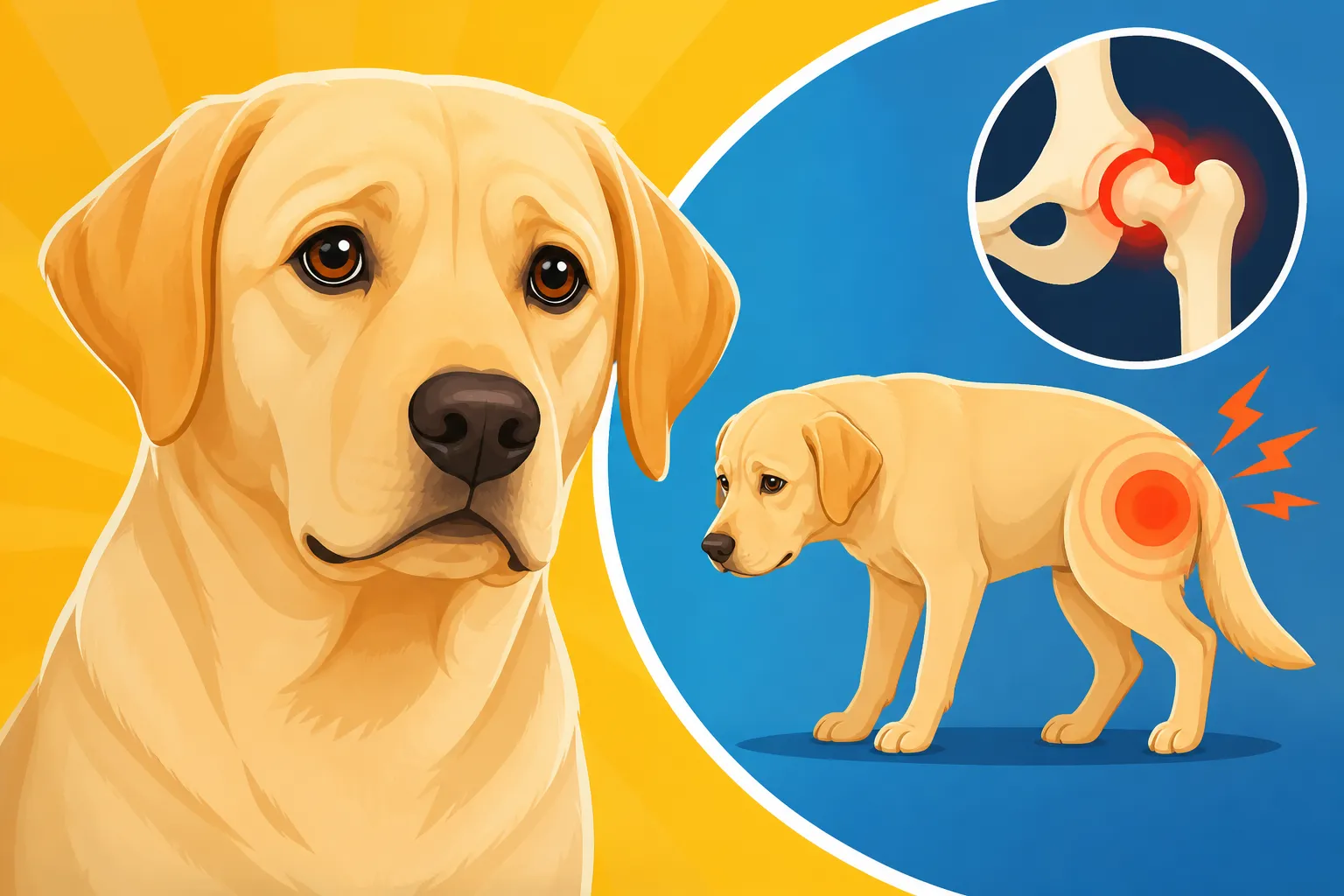
Canine hip dysplasia, or CHD, is a condition that affects the hip joints, which are ball-and-socket joints. In a healthy hip, the "ball" (the head of the femur, or thigh bone) fits snugly and smoothly into the "socket" (the acetabulum, part of the pelvis). When a dog has hip dysplasia, this fit isn't quite right. The hip joint develops abnormally, leading to a loose or unstable connection between the ball and socket. This looseness can cause the bones to rub and grind against each other instead of gliding smoothly.
Over time, this constant friction and instability lead to degenerative joint disease, which is essentially osteoarthritis. The cartilage lining the joint surfaces erodes, bone spurs can form, and the joint capsule thickens. This entire process results in pain, inflammation, reduced mobility, and a significant impact on the dog's ability to move freely and without discomfort. It's a progressive condition, meaning it tends to worsen over time, though the rate of progression can vary greatly between individuals and with proper management.
How Hip Dysplasia Develops and Its Impact
Hip dysplasia is primarily a genetic condition, meaning it's passed down through generations. If a Labrador puppy has parents with poor hip scores, there's a higher likelihood they might develop it, even if good care is provided. However, genetics aren't the only factor. Environmental influences play a massive role in how severely the condition manifests. Rapid growth from overfeeding, excessive or inappropriate exercise during puppyhood, and even slippery household floors can exacerbate the genetic predisposition. For instance, allowing a large breed puppy to run up and down stairs frequently or engage in intense, repetitive exercise like long-distance running before their growth plates close can put undue stress on developing joints. This interplay between nature and nurture is why even a dog from well-screened parents can occasionally show signs of dysplasia, and conversely, a dog with a genetic predisposition might have less severe symptoms if managed perfectly from day one. You can learn more about how the condition develops in our comprehensive article on Labrador Hip and Elbow Dysplasia.
The impact on a Labrador can be profound. Imagine trying to walk or run with your leg constantly shifting out of place, or with every movement causing bone-on-bone friction. That's a simplified version of what a dog with hip dysplasia experiences. They might be reluctant to play, struggle with stairs or jumping, and generally show a reduced zest for life. This can be especially frustrating for Labradors, who are known for their boundless energy and love of activity. The condition doesn't just affect their physical body; it can influence their mood and overall happiness too.
Common Signs and Symptoms You'll See
Identifying hip dysplasia can sometimes be tricky because Labs are incredibly stoic animals, often hiding pain until it becomes severe. However, there are common signs that keen owners will pick up on. One of the earliest indicators you might notice is a bunny-hopping gait, where your Labrador uses both back legs simultaneously to propel themselves forward, almost like a rabbit. They might also exhibit lameness in one or both hind legs, especially after exercise or a long rest. You could see stiffness, particularly first thing in the morning or after a nap.
Other signs include reluctance to climb stairs, jump into the car, or even stand up from a lying position. They might cry or whimper when trying to get comfortable or when you touch their hip area. You might also notice a decrease in their activity level, a reluctance to play, or a general slowing down. Their posture might change, with them carrying their weight more on their front legs to alleviate pressure on their hips. Muscle atrophy in the hindquarters can also be observed over time, as they use those muscles less. If you're seeing these subtle changes, it's crucial to consult a vet. Our guide on Labrador Hip Dysplasia Signs and Onset has even more detail.
Assessing the Severity and Prognosis
Taking on a Labrador with known hip problems means you're already one step ahead because you have a diagnosis. However, not all hip dysplasia is created equal. The severity can range from mild laxity that causes minimal issues to severe malformation requiring significant intervention. Understanding where your potential new family member falls on this spectrum is critical for preparing for their future care.
Veterinary Diagnosis and Grading Systems
The definitive diagnosis for hip dysplasia typically involves X-rays, often taken with the dog sedated to ensure proper positioning and to relax the muscles around the joint. Your veterinarian will look for specific signs like joint laxity, shallow hip sockets, flattening of the femoral head, and signs of secondary osteoarthritis. Various grading systems exist to classify the severity. In the United States, the Orthopedic Foundation for Animals (OFA) is widely recognized. OFA evaluates hip X-rays and assigns a rating of Excellent, Good, Fair (all considered passing), Borderline, or Dysplastic (Mild, Moderate, or Severe). Another method, PennHIP, provides a quantitative measurement of hip laxity, offering a distraction index score that indicates how loose the joint is, which can be detected in younger dogs.
It's important to obtain and review these records if available when you're considering adopting a dog with known hip problems. A clear understanding of the diagnosis, including which hips are affected and to what degree, will inform discussions with your vet about potential treatments and long-term care plans. Don't hesitate to ask for copies of all veterinary records, including X-rays, so you can have them reviewed by your own trusted veterinarian. This due diligence is crucial before making such a significant commitment. Understanding the OFA and PennHIP Screening for Labradors can help you interpret these scores.
| OFA Rating | PennHIP Score (Distraction Index) | Interpretation |
|---|---|---|
| Excellent | 0.3 or less | Superior hip conformation, minimal laxity |
| Good | 0.3 – 0.4 | Well-formed hips, healthy |
| Fair | 0.4 – 0.5 | Slight irregularities, still within normal limits |
| Borderline | 0.5 – 0.7 | Hips are questionable; re-evaluation recommended |
| Mild Dysplasia | 0.7 – 0.8 | Noticeable laxity, early signs of degenerative changes |
| Moderate Dysplasia | 0.8 – 0.9 | Significant laxity, clear degenerative changes, moderate lameness likely |
| Severe Dysplasia | 0.9 or greater | Severe laxity, advanced degenerative changes, often painful and debilitating |
Understanding the Long-Term Outlook
The long-term outlook for a Labrador with hip dysplasia varies greatly depending on the severity of the condition, the dog's age, and the management plan put in place. A dog with mild dysplasia, especially if diagnosed young and managed proactively with weight control and appropriate exercise, might live a relatively normal, comfortable life with minimal intervention beyond supplements. However, a dog with moderate to severe dysplasia will likely require more intensive management throughout their life, potentially including pain medication, regular physical therapy, and even surgery.
It's vital to have an honest conversation with your veterinarian about the specific dog's prognosis. Ask about their expected comfort level, potential future limitations, and the likelihood of needing surgery down the road. While the condition is progressive, aggressive management can often slow its progression and significantly improve comfort. Many dysplastic Labradors, with dedicated care, can still enjoy walks, play, and a high quality of life. The key is to be realistic about the commitment required and to provide consistent, tailored care. This commitment to care directly impacts their ability to lead a comfortable and joyful life, even with a challenging diagnosis.
Surgical vs. Non-Surgical Management Options
When faced with a Labrador with hip dysplasia, you'll generally explore two main avenues for management: surgical and non-surgical. Non-surgical, or conservative, management focuses on alleviating pain and slowing joint degeneration without invasive procedures. This often involves a combination of weight management, anti-inflammatory medications, joint supplements, controlled exercise, and physical therapy. Many dogs, particularly those with mild to moderate dysplasia, can thrive on this approach for years, especially when their owners are diligent.
For more severe cases, or when conservative management is no longer effective in controlling pain and improving function, surgery might be recommended. Common surgical options include Femoral Head Ostectomy (FHO), where the head of the femur is removed to create a "false joint," and Total Hip Replacement (THR), which involves replacing the damaged joint with prosthetic components. THR is often considered the gold standard for severe cases as it can eliminate pain and restore near-normal function, but it is also the most expensive and invasive. The decision to pursue surgery depends on the dog's age, size, overall health, the severity of the dysplasia, and your financial situation. Understanding the potential recovery time and costs, such as the Cost of Hip Surgery for a Labrador Retriever, is paramount.
Daily Life and Care for a Dysplastic Labrador
Once you've made the decision to bring a Labrador with hip problems into your home, your focus shifts to providing the best possible daily care to ensure their comfort and mobility. This isn't just about reacting to pain; it's about proactive measures that support their joint health and overall well-being. It requires consistency, patience, and a willingness to adapt your lifestyle to meet their needs.
Tailored Exercise and Physical Therapy
One of the biggest mistakes owners of dysplastic Labradors can make is either over-exercising or under-exercising their dog. Too much high-impact activity can worsen joint damage and pain, while too little can lead to muscle atrophy and weight gain, both of which exacerbate hip dysplasia. The key is tailored exercise. Low-impact activities are best, such as swimming, short, frequent walks on soft surfaces (like grass or dirt trails, avoiding pavement), and gentle leash walks. You'll need to learn to read your dog's cues – a slight limp, lagging behind, or reluctance to move are all signs they've had enough. Our guide on Exercise a Labrador Needs Each Day will offer insights into typical needs, but for a dysplastic dog, modifications are crucial.
Physical therapy can be incredibly beneficial, often prescribed by a vet or a certified canine rehabilitation therapist. This might include hydrotherapy (underwater treadmill), therapeutic exercises to build core strength and hindquarter muscles, massage, and stretching. These therapies can reduce pain, improve range of motion, and enhance muscle support around the compromised joint. Finding a local rehab center might be a bit of an investment, but the improvements in quality of life can be priceless. Don't forget to look into Physical Therapy for a Labrador With Bad Hips for more detailed guidance.
Nutritional Support and Weight Management
Weight management is perhaps the single most critical non-surgical intervention for hip dysplasia. Every extra pound puts immense strain on already compromised joints, increasing pain and accelerating degenerative changes. Keeping your Labrador lean is not just about aesthetics; it’s about reducing their pain and extending their comfortable years. This means precise portion control, avoiding free-feeding, and choosing a high-quality dog food appropriate for their activity level and age. We discuss this in depth in Why Labradors Gain Weight So Easily.
Beyond maintaining a healthy weight, specific nutritional supplements can support joint health. Glucosamine and chondroitin are widely recognized for their role in cartilage health, while omega-3 fatty acids (like those found in fish oil) have anti-inflammatory properties. Other ingredients like MSM and green-lipped mussel can also be beneficial. Always discuss supplements with your vet, as they can recommend appropriate dosages and brands. Companies like Chewy offer a wide selection of joint supplements, and even fresh food services like Ollie can be tailored to provide balanced nutrition while helping with weight control, as they often come with precise calorie recommendations. Integrating Joint Supplements That Help a Labrador can make a tangible difference.
Home Modifications for Comfort and Safety
Making simple adjustments around your home can significantly improve your dysplastic Labrador's comfort and prevent further injury. Slippery floors, like hardwood or tile, are a major hazard. Consider runners, non-slip mats, or even dog booties to provide better traction. Ramps are invaluable for helping your dog get into and out of cars, onto furniture (if they're allowed), or up and down stairs, reducing the impact on their hips.
A good orthopedic bed is also a must. These beds provide superior support and cushioning, alleviating pressure points and helping them get truly restful sleep without stiffness upon waking. Elevated food and water bowls can also make eating and drinking more comfortable by reducing the need to stoop. During colder months, consider a dog coat to keep their joints warm, as cold can exacerbate arthritis pain. These small changes demonstrate a huge commitment to your dog's daily comfort and long-term well-being.
Financial and Emotional Considerations
Bringing a dog with a pre-existing condition into your family is an act of incredible compassion, but it’s also important to be realistic about the commitment it entails, especially financially and emotionally. Managing hip dysplasia can be costly and demanding, but with proper planning and a strong support system, it's absolutely manageable and rewarding.
Estimating the Costs of Care
The financial commitment for a Labrador with hip dysplasia can range widely. Conservative management can cost hundreds to a few thousand dollars annually, covering vet visits, pain medications, joint supplements, and physical therapy sessions. For example, a monthly supply of NSAIDs might be $30-$100, while a course of hydrotherapy could be $50-$100 per session. If surgery becomes necessary, the costs can be much higher. An FHO typically ranges from $1,500-$4,000 per hip, while a Total Hip Replacement can be $4,000-$8,000 per hip, often more in major metropolitan areas. These figures don't even include post-operative care, rehabilitation, or potential complications.
It’s crucial to create a realistic budget and, if possible, set aside an emergency fund. Consider what you are financially capable of, and don’t be afraid to have an honest conversation with your vet about cost-effective treatment options. Sometimes, a combination of medications, supplements, and carefully managed exercise can go a long way in lieu of more expensive therapies, especially for older dogs or those with milder conditions.
Pet Insurance and Pre-Existing Conditions
This is where it gets tricky. If you're taking on a Labrador with known hip problems, any pet insurance policy you purchase after the diagnosis will almost certainly classify hip dysplasia as a pre-existing condition. This means they will not cover any costs related to its treatment. This is a common frustration for many owners. However, it doesn't mean pet insurance is useless. A good policy from providers like Healthy Paws could still cover new health issues that arise, which is still incredibly valuable given that Labradors can be prone to other conditions like Labrador Bloat Risk and Deep Chests or Cancer in Labrador Retrievers.
Always read the fine print of any insurance policy regarding pre-existing conditions. Some policies might have waiting periods for orthopedic conditions, so even if the dysplasia wasn't formally diagnosed until after the policy was active, there could be exclusions if symptoms were noted previously. Given the nature of this situation, it’s often advisable to budget for the hip dysplasia care separately and consider insurance for unexpected, unrelated illnesses or accidents. You can delve into this topic further by reading Whether Insurance Covers Labrador Hip Dysplasia and Pre-Existing Conditions on a Labrador Policy.
Finding Support and Resources
Caring for a dog with a chronic condition can be emotionally taxing. There will be good days and bad days, moments of despair, and moments of immense joy. It’s okay to feel overwhelmed sometimes. Finding a support network can make a huge difference. This might include online communities for owners of dogs with hip dysplasia, local dog groups, or simply friends and family who understand your commitment.
Your veterinarian and their staff are also invaluable resources. Don't hesitate to ask questions, discuss your concerns, and seek their guidance on any aspect of your Labrador's care. They can provide advice on managing pain, improving mobility, and even emotional support when you need it most. Remember, you're not alone in this journey. The love and dedication you give to a Labrador with hip problems will be repaid tenfold in their unwavering affection and the comfort of knowing you've provided them with the best possible life. Caring for them, especially as they get older and conditions like Labrador Arthritis in Middle Age set in, can be a profound experience.
Disclaimer
This article is for general informational purposes only and does not constitute professional advice. Laws, prices and regulations vary by location and change over time. Consult a qualified professional for guidance on your specific situation.