How Often Purebred Labradors Reach Shelters
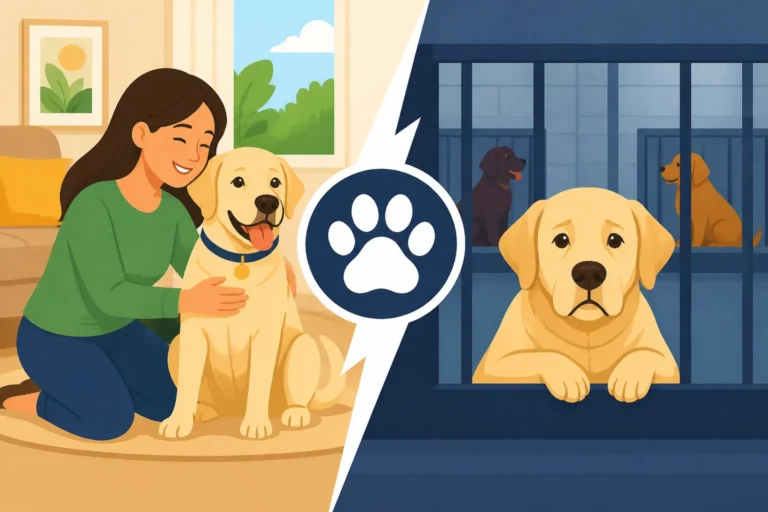
It’s a common misconception, isn't it? Many people envision animal shelters as places primarily filled with mixed breeds, imagining that purebred dogs, especially popular ones like our beloved Labradors, somehow manage to avoid such a fate. The reality, however, is often quite different and can be a heartbreaking surprise. This guide aims to shed light on how frequently purebred Labradors do indeed find themselves in need of a new home through the shelter system, exploring the reasons behind it and how you can offer a second chance to one of these wonderful dogs.
The Surprising Truth About Purebreds in Shelters
When you picture a purebred Labrador, you probably envision a well-loved family dog, perhaps from a responsible breeder, destined for a long, happy life in one home. While this is often the case, the journey isn't always so straightforward for every dog. Life happens, and circumstances can change dramatically, leaving even the most cherished purebreds without a place to call home.
Why "Purebred" Doesn't Mean "Problem-Free"
There's this pervasive idea that if a dog comes with papers, a known lineage, or a specific breed standard, it's somehow immune to the challenges that might lead a dog to a shelter. This simply isn't true. Purebred Labradors, for all their wonderful qualities, are still dogs, and they face the same potential for health issues, behavioral quirks, and life changes that any dog might encounter. They are not impervious to the unexpected twists and turns of life.
For instance, a Labrador might develop a serious condition like Labrador Hip and Elbow Dysplasia or, tragically, succumb to Cancer in Labrador Retrievers. These health challenges, while often genetic, can appear even in carefully bred lines and can become overwhelming for owners to manage, both emotionally and financially. Likewise, behavioral issues such as persistent Labrador Puppy Mouthing and How to Redirect It or profound Separation Anxiety in Labrador Retrievers can surface, proving more than some owners can handle without professional help, which many don't seek. The pedigree might promise certain traits, but it can't guarantee a dog free from all potential problems or an owner equipped to handle every single one.
Often, owners come into a purebred Labrador ownership with a set of ideal expectations based on the breed's reputation for being friendly and biddable. They might not fully research the breed's significant energy needs or the commitment required for consistent training. When reality clashes with these high expectations, especially during the challenging adolescent phase, a dog that was once a dream can quickly become a source of frustration, leading to the difficult decision to rehome. This isn't a reflection of the dog's inherent worth, but rather a mismatch of expectations and preparedness.
The Numbers Game: How Common Is It?
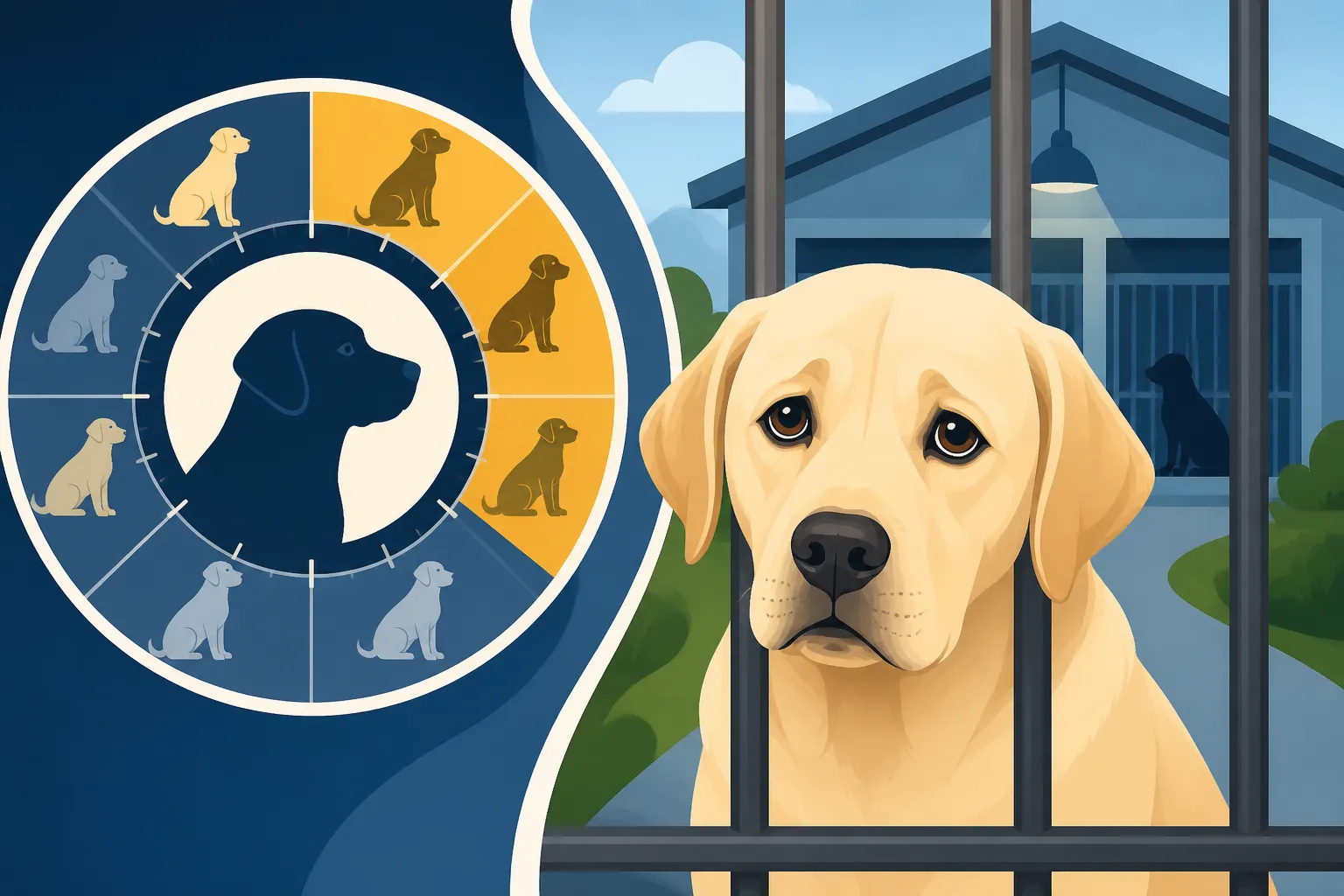
It might be surprising, but purebred dogs, including Labradors, consistently make up a significant portion of shelter populations across the country. While exact percentages can fluctuate based on region and reporting methods, many shelters and rescue organizations report that between 20% to 30%, and sometimes even more, of their intake are purebreds. Because the Labrador Retriever has been America's most popular dog breed for decades, their sheer numbers in the general population mean that even a small percentage of surrendered or stray Labs translates into a substantial number of purebreds in shelters.
These Labradors can end up in various types of facilities. You'll find them in large municipal animal control shelters, smaller private humane societies, and, perhaps most commonly, in dedicated Labrador Retriever breed-specific rescues. Organizations like these often work tirelessly to pull purebred Labs from overcrowded public shelters, offering them specialized care and a better chance at finding a breed-savvy home. These breed-specific rescues are particularly adept at identifying purebreds and understanding their unique needs, often providing a safety net for Labradors whose owners can no longer care for them.
The truth is, while many Labs are fortunate to live out their lives in loving, stable homes, the reality of overpopulation and changing human circumstances means that a significant number of these wonderful dogs will, at some point, pass through the shelter system. This isn't a commentary on their inherent quality as dogs, but rather a reflection of societal factors and the unpredictable nature of life itself.
Common Reasons Purebred Labradors Land in Shelters
Understanding why Labradors, particularly purebreds, end up in shelters isn't about casting blame. It's about recognizing the complex interplay of human life events, unmet expectations, and sometimes, the sheer reality of owning a powerful, intelligent, and often high-energy breed. No owner ever wants to rehome their dog, and these decisions are almost always made with heavy hearts under difficult circumstances.
Owner Circumstances and Lifestyle Changes
One of the most frequent reasons for surrender has absolutely nothing to do with the dog's behavior or health, but everything to do with the owner's life. Imagine falling on hard times financially; unexpected costs like significant Labrador Emergency Vet Bills for an injury or illness can quickly deplete savings. The ongoing Annual Cost of Keeping a Labrador Retriever—food, routine vet care, heartworm prevention, and supplies—can also become unsustainable for families facing job loss or other economic pressures. Many owners find themselves in a position where they simply cannot afford to provide the necessary care.
Moving is another huge factor. Renting apartments or homes with strict pet policies, especially weight or breed restrictions, can force owners to make impossible choices. A family might secure a new job opportunity in a city where suitable dog-friendly housing is scarce, or they might simply be unable to find a landlord willing to take on a large breed like a Labrador. This heartbreaking scenario is far more common than many realize, leaving owners with no viable option but to seek a new home for their companion.
Other life events, such as the arrival of a new baby, a divorce, serious illness or death of an owner, or even developing allergies within the household, can tragically lead to a Labrador needing to be rehomed. These are situations often beyond anyone's control, forcing owners to prioritize human needs or well-being, even if it means saying goodbye to a beloved pet. It's a testament to the unpredictable nature of life itself, rather than a failing on the part of the dog or typically even the owner.
Unrealistic Expectations and Behavioral Challenges
While Labradors are often lauded for their friendly nature and trainability, they are still large, powerful dogs with significant needs. Many people underestimate the sheer amount of physical activity a Labrador requires each day. Without sufficient Exercise a Labrador Needs Each Day, a bored Labrador can become destructive, chewing furniture, digging up the yard, or barking excessively. Owners who aren't prepared for multiple daily walks, active play sessions, and mental enrichment activities may quickly become overwhelmed by their dog's boundless energy.
The "puppy stage" and particularly Surviving Labrador Adolescence can be a major wake-up call for new owners. A cute, cuddly eight-week-old puppy rapidly transforms into a boisterous, often uncoordinated teenager. Mouthing and chewing are natural behaviors for puppies, but when a six-month-old Labrador is still engaging in relentless Labrador Chewing Through Adolescence, it can be incredibly frustrating. Without consistent Training a Labrador From Puppy to Adult, these behaviors can escalate. Many owners find themselves unprepared for the dedication required to channel a Labrador's high drive and intelligence into acceptable behaviors, rather than destructive outlets.
Furthermore, Labradors are highly food-motivated and known for their strong retrieving drive. While these traits make them excellent working dogs, they can also lead to issues like chronic Labrador Counter Surfing and Food Theft or resource guarding if not managed properly. A Labrador who is constantly seeking food can quickly become a nuisance, and one who isn't given enough Mental Work for a Bored Labrador will invent their own entertainment, often to the detriment of household items. Without a clear understanding of these breed-specific tendencies and the commitment to address them through training and enrichment, owners can feel defeated and unable to cope.
Health Issues and Costs
Even with the best intentions and responsible breeding, Labradors are prone to certain health conditions that can be incredibly costly to manage. We've already touched on hip and elbow dysplasia, but conditions like Labrador Arthritis in Middle Age can also manifest, requiring ongoing medication, supplements, and potentially physical therapy. Sadly, Labradors also have a higher incidence of certain cancers, such as lymphoma and mast cell tumors, making Cancers Labrador Retrievers Get Most a major concern for owners. Treatment for these serious conditions can easily run into the thousands or even tens of thousands of dollars.
Many owners find themselves in a truly dire situation where they love their dog deeply but simply cannot afford the extensive veterinary care required for chronic or acute illnesses. While pet insurance companies like Healthy Paws offer a lifeline for unexpected medical expenses, many owners either don't have a policy or find that pre-existing conditions are excluded. This leaves them with the difficult choice of incurring massive debt or considering rehoming their beloved companion to a rescue organization that might have the resources to provide the necessary treatment.
It’s a heartbreaking reality that financial limitations often dictate a pet's access to vital medical care. Even something as common as chronic ear infections, prevalent in Labs due to their floppy ears and love for water, can become a significant financial burden over time. These situations highlight the critical need for owners to realistically assess the financial commitment involved in dog ownership, especially for large breeds susceptible to costly health issues.
Finding a Purebred Labrador in the Rescue System
If you're considering bringing a Labrador into your home, looking at the rescue system is a truly admirable path. There are so many purebred Labradors who, through no fault of their own, are waiting for a second chance. The process of finding and adopting one can be incredibly rewarding, offering a loving home to a dog who desperately needs it.
Where to Look: Local Shelters vs. Breed-Specific Rescues
When you start your search, you'll encounter a few different types of organizations, each with its own strengths. Your local municipal animal shelter or humane society is always a great place to start. These shelters often have Labradors, sometimes even purebreds, who have been surrendered by their owners or found as strays. The staff and volunteers do their best, but they often have limited resources and may not be able to provide extensive background information or medical history for every dog. However, adopting from a local shelter directly saves a life and often has lower Labrador Rescue Adoption Fees.
For a more focused search, breed-specific Labrador Retriever rescues are invaluable. These organizations are dedicated solely to Labradors and often have extensive networks of foster homes. They typically invest significant time in evaluating each dog's temperament, providing necessary medical care, and often have a better understanding of the dog's history and personality quirks. They'll also be very knowledgeable about breed-specific traits and potential issues. You can find these rescues by searching online for "Labrador Retriever rescue near me" or by checking national directories. Websites like Petfinder and Adoptapet are also excellent resources that allow you to filter by breed, location, and even age, helping you cast a wide net across both general shelters and breed-specific groups.
| Feature | Local Municipal Shelter | Breed-Specific Labrador Rescue |
|---|---|---|
| Dog Population | Mixed breeds predominant, but purebreds common | Exclusively (or almost exclusively) Labradors |
| Background Info | Varies greatly; sometimes limited, especially for strays | Often extensive; foster parents provide detailed insights |
| Medical Care | Basic vetting, spay/neuter, vaccinations, microchip included | Comprehensive vetting, often addresses specific breed ailments |
| Behavior Eval. | Basic assessment for immediate safety | Thorough evaluation, behavioral history, professional training |
| Adoption Fees | Generally lower | Typically higher, reflecting comprehensive care provided |
| Support | Limited post-adoption support | Often offers extensive post-adoption guidance and resources |
| Wait Times | Shorter, dogs available more quickly | Can be longer, selective matching process, may have waiting lists |
What to Expect During the Adoption Process
The adoption process, especially with a reputable breed-specific rescue, can be quite thorough. Don't be surprised if you encounter a detailed application form, requests for vet references, and even a home visit. This isn't meant to be intrusive; it's the rescue's way of ensuring that their dogs go to the best possible homes and that the match is truly a good fit for everyone involved. They want to prevent dogs from ending up back in the system. They’ll ask about your lifestyle, your experience with dogs, your living situation, and how you plan to care for a Labrador.
Adoption fees are standard and necessary. These fees, which can range widely depending on the organization and the dog's age/health, help cover the costs of veterinary care, including spaying or neutering, vaccinations, microchipping, and any other medical treatments the dog may have received. For instance, a rescue might have paid for treatment for a Labrador with an ear infection or provided preventative care. Many rescues will also send the dog home with a starter kit of food, a leash, and collar. You'll find many reputable pet supplies, including quality foods and gear, on sites like Chewy, making the initial setup easier. You might also explore fresh food options from services like Ollie, if that aligns with your budget and values for your new family member.
Patience is key. It might take some time to find the right Labrador that matches your family's needs and lifestyle. Rescues often prioritize finding the perfect match over a quick adoption. They may have a waiting list, or you might need to wait for a dog with the specific temperament you’re looking for—perhaps an older, calmer dog for a quieter home, or a younger, more active one for an adventurous family. Be open, be honest, and trust that the rescue team has the dog's best interests at heart.
Preparing for Your Rescued Labrador
Bringing a rescued Labrador home is an exciting time, but it's important to be prepared for what's often called a "decompression period." This is the time your new dog needs to adjust to their new environment, schedule, and family. It can take days, weeks, or even months for a rescue dog to fully settle in and show their true personality. During this time, provide a safe, quiet space, like a comfortable Crate and Bed Sizing Costs for a Labrador in a low-traffic area, where they can retreat when feeling overwhelmed. Limit new experiences and visitors initially, and stick to a consistent routine to help them feel secure.
Continued training and socialization are crucial. Even if your rescued Labrador has some basic manners, reinforcing good behaviors and teaching new commands will strengthen your bond and build their confidence. Many rescues offer post-adoption support or can recommend positive reinforcement trainers. If you're considering a puppy, remember that Labrador Puppy Health in the First Year is very important, including consistent training from day one. For adult dogs, addressing any existing behavioral issues with kindness and consistency will be paramount to their success in your home.
Finally, prioritize their physical well-being with quality nutrition and consistent preventative veterinary care. Discuss appropriate food choices with your vet, considering their age, activity level, and any health concerns. Brands available on Chewy offer a wide variety of options, from budget-friendly kibble to premium diets. And, as mentioned earlier, some owners opt for fresh food delivery services like Ollie. Regular vet check-ups, vaccinations, and parasite prevention are non-negotiable for keeping your Labrador healthy and happy for years to come. Your commitment to these basic needs will pave the way for a long and fulfilling life together.
Disclaimer
This article is intended for informational purposes only and does not constitute professional veterinary advice. Always consult with a qualified veterinarian for any health concerns or before making any decisions about your pet's medical care.