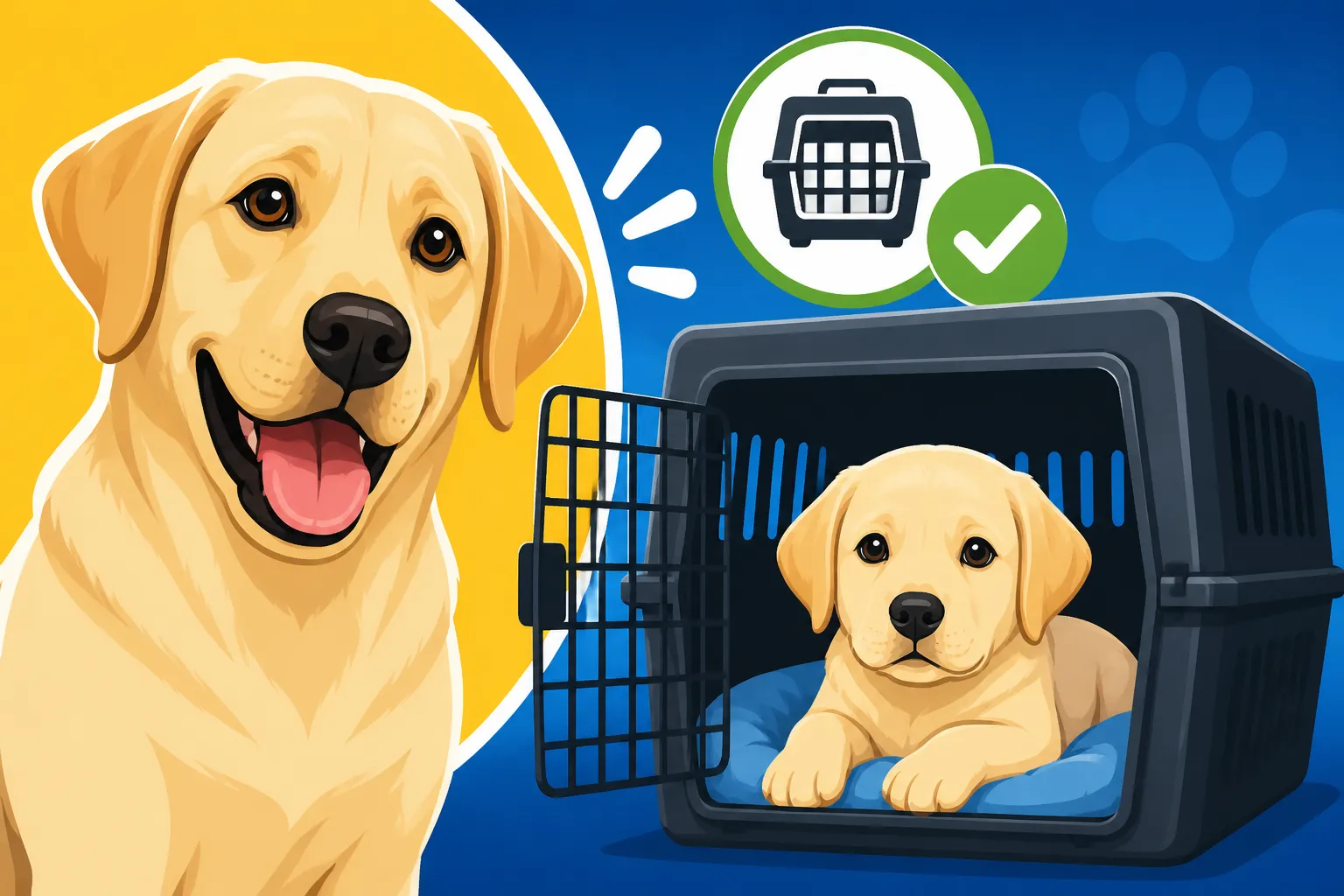
Crate Training a Labrador Puppy
Bringing home a rambunctious Labrador puppy is an absolute joy, but let's be honest, it can also feel a bit like trying to herd a very adorable, very energetic, furry tornado. One of the biggest hurdles new puppy parents face is establishing a sense of order and safety, especially when you can't have eyes on them every second. Crate training often comes up as a solution, but for many, the idea can feel daunting, even a little mean. This comprehensive guide is here to demystify crate training, showing you how to transform the crate from a scary box into your Labrador puppy's favorite, safe haven, making both your lives easier and more harmonious.
Understanding the "Why" Behind Crate Training Your Labrador
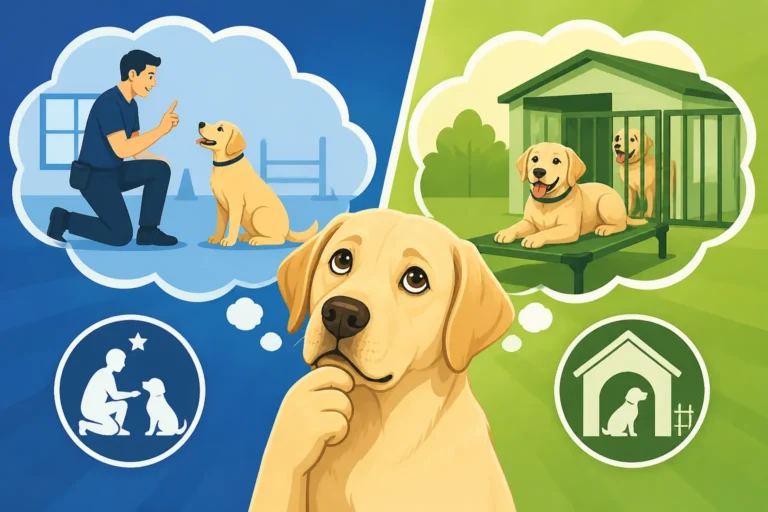
It's completely normal to feel a pang of guilt when you think about putting your sweet, cuddly Labrador puppy in a crate. Many people mistakenly view it as a punishment, a sad little cage. But here’s the truth: when done correctly, a crate becomes a secure, comfortable, and deeply personal space for your dog. It's not about confinement in a negative sense; it's about providing a den, much like their wild ancestors would seek out. Understanding these fundamental benefits will help you approach the process with confidence and a positive mindset.
The Natural Den Instinct
Think about it from a dog's perspective. In the wild, canids seek out small, enclosed spaces – dens – for safety, rest, and raising their young. These spaces offer protection from predators and the elements, a quiet retreat where they can feel truly secure. While your Labrador isn't living in the wild, that primal instinct for a safe, den-like space is still very much alive within them. A properly introduced crate taps into this natural inclination, providing a secure sanctuary where they can relax and feel protected. It's a place where they won't be bothered, a personal room just for them, and once they understand this, they often seek it out voluntarily. It's not uncommon to find a well-crate-trained Labrador curling up in their crate even when the door is wide open, simply because it feels good and safe.
Safety and Security for Your Puppy
Let's be real, Labrador puppies are chew-a-holics. Their curiosity, combined with their strong oral fixation, means almost anything within reach is fair game for a taste test. This can lead to serious hazards, from chewing on electrical cords to ingesting small objects that could cause blockages or poisoning. A crate provides a controlled environment where you know your puppy is safe when you can't actively supervise them. Whether you're making dinner, taking a shower, or just need a few minutes to yourself, the crate offers peace of mind. It prevents destructive chewing, keeps them from getting into dangerous chemicals, and stops them from eating things they shouldn't. This safety net is invaluable, especially during those early months when they're exploring the world with their mouths and haven't quite grasped house rules yet.
Aid in House Training and Behavior Management
One of the most immediate and profound benefits of crate training is its role in house training. Dogs are naturally clean animals; they instinctively avoid soiling their sleeping area. By making the crate a comfortable "den," your Labrador puppy will learn to hold their bladder and bowels for longer periods, eventually associating outside trips with elimination. This dramatically speeds up the house training process and reduces accidents indoors. Potty Training Schedule for a Labrador Puppy is closely tied to effective crating. Beyond potty training, crates are incredible tools for managing other common puppy behaviors. They can prevent destructive chewing, limit counter surfing, and offer a quiet space for your puppy to decompress when they're overstimulated or overtired. It teaches them to settle, to be calm, and to understand boundaries. It's not a magical fix, but it's an incredibly powerful aid in shaping a well-behaved adult Labrador.
Choosing the Right Crate for Your Growing Labrador
Before you even start the training process, picking the right crate is crucial. It’s not just about finding any old wire cage; it’s about selecting a space that is appropriately sized, safe, and comfortable for your Labrador. A poorly chosen crate can hinder your progress and even make your puppy resent the experience, so take your time and choose wisely.
Size Matters: Goldilocks and the Crate
The "Goldilocks principle" definitely applies here: the crate shouldn't be too big, and it shouldn't be too small – it needs to be just right. For a puppy, this means a crate large enough for them to stand up, turn around, and lie down comfortably, but not so large that they can designate a "bathroom corner" far away from their sleeping area. If the crate is too big, you're essentially defeating one of the main purposes for house training. Many crates come with dividers, which are fantastic for growing Labradors. You can expand the living space as your puppy grows, ensuring the crate remains appropriately sized throughout their development. For an adult Labrador, you're generally looking for a large or extra-large crate, but start with a size that offers just enough room for the puppy stage. Remember, a snug fit encourages them to hold it. Crate Size for Potty Training a Labrador is a very important consideration.
Material and Style Options
When you walk into a pet store or browse online, you'll see a dizzying array of crate options. Each has its pros and cons for a Labrador, especially a puppy.
- Wire Crates: These are perhaps the most popular choice for a reason. They offer excellent ventilation, allow your puppy to see what's going on around them, and are typically collapsible for easy transport. The biggest advantage for Labs is that many come with a divider, allowing you to adjust the size as your puppy grows. They're also quite durable against a determined chewer. You can easily find these on Amazon.
- Plastic/Vari-Kennel Crates: These airline-style crates are enclosed, offering more of a true den feel and less visual stimulation, which can be great for anxious puppies. They are often sturdier for travel, as they are approved by airlines. However, ventilation isn't as good as wire crates, and visibility is limited. They also don't usually come with dividers, meaning you might need to buy multiple sizes as your Lab grows.
- Fabric/Soft-Sided Crates: These are lightweight and portable, ideal for short trips or for dogs who are already reliably crate trained and not prone to chewing. They are not suitable for puppies who are still learning or chewers, as they can be easily destroyed and aren't durable enough for escape artists.
- Furniture-Style Crates: These are designed to blend into your home decor, often made of wood or stylish metal, acting as an end table or other furniture piece. While aesthetically pleasing, they are usually more expensive and might not be as durable for persistent chewers. They also typically lack dividers, so they're often best for adult, reliably crate-trained dogs.
For a Labrador puppy, a sturdy wire crate with a divider is almost always the best starting point, offering durability, adaptability, and good airflow.
Essential Crate Accessories
Once you have the main crate, a few accessories will make it much more comfortable and inviting for your puppy.
- Crate Pad/Bed: While some puppies might chew up a plush bed, a comfortable, washable pad is essential for making the crate a cozy place to rest. Look for durable, chew-resistant options if your pup is a persistent destroyer. Alternatively, a simple towel or blanket can work in the beginning, until you know your puppy won't shred it.
- Water Bowl: A crate-friendly water bowl that attaches to the side of the crate is a must. This prevents spills and ensures your puppy has access to water, especially during longer crating periods. Make sure it's secure and at a comfortable height.
- Chew Toys: Always provide a safe, durable chew toy or puzzle toy when your Labrador is in their crate. This gives them something appropriate to do, helps relieve boredom, and can reduce anxiety. Things like Kongs filled with peanut butter (xylitol-free!), frozen wet food, or other long-lasting chews can turn crate time into a positive experience.
- Cover (Optional): Some dogs feel more secure with a blanket or crate cover draped over the top and sides of a wire crate. This creates a true den-like environment, blocking out visual distractions and making it feel more private and cozy. Just ensure it doesn't block too much airflow, especially in warmer climates.
Introducing Your Labrador Puppy to Their Crate Positively
The key to successful crate training is to make it a positive experience, every single time. You want your Labrador puppy to associate the crate with good things – treats, toys, comfort, and peace – not fear or punishment. This takes patience, consistency, and a whole lot of positive reinforcement.
Making the Crate Inviting
Your Labrador puppy won't automatically see the crate as a cozy den; you have to teach them. Start by simply having the crate set up in a busy, central part of your home, like the living room or kitchen, with the door propped open. This allows your puppy to explore it on their own terms. Make it inviting:
- Comfort: Place a soft blanket or a comfortable bed inside.
- Treats: Regularly toss high-value treats into the crate, especially when your puppy isn't looking. Let them discover these "surprises" on their own.
- Toys: Put some favorite toys inside.
- Meals: Start feeding your puppy their meals inside the crate. At first, place the food bowl just inside the door, gradually moving it further back. Eventually, close the door for short periods while they eat, opening it before they finish. This builds a powerful positive association.
- Enthusiasm: When your puppy goes near or into the crate, praise them gently and calmly. Avoid overly excited reactions that might startle them away. The goal is for them to choose to enter it.
Remember, a Labrador’s stomach is often their guiding principle! Using food to create a positive association is one of the most effective strategies.
Short, Sweet, and Frequent Sessions
Once your puppy is comfortable eating in the crate with the door closed for a minute or two, it’s time to introduce short, supervised confinement.
- "Crate Games": Make entering the crate a fun game. Say a positive cue like "crate!" or "kennel!" and toss a high-value treat inside. As your puppy goes in, praise them. Repeat this several times.
- Gradual Increase: Once they're happily entering, close the door for just a few seconds, then open it and offer another treat and praise. Gradually increase the duration – 10 seconds, 30 seconds, a minute, five minutes. Always open the door before they start to whine or show distress. The goal is to avoid any negative experience.
- Chew Toy Distraction: When you close the door for longer periods, give them a special, long-lasting chew toy (like a Kong stuffed with frozen treats). This occupies them and reinforces the idea that crate time equals treat time.
- Stay Nearby: Initially, stay in the room or nearby while your puppy is in the crate. This helps them get used to the idea without feeling abandoned. Gradually, you can move out of sight for short periods, always returning before they get upset.
Keep these sessions short – maybe 5-10 minutes each – but do them frequently throughout the day. It’s better to have many successful short sessions than one long, frustrating one. Short Training Sessions That Suit a Labrador are especially effective for puppies.
The Power of Positive Reinforcement
Positive reinforcement is your best friend in crate training. Every single interaction with the crate should be tied to something good.
- Treats, Treats, Treats: High-value treats are critical. These are special treats your puppy doesn't get at any other time, making crate entry a super rewarding experience.
- Praise and Affection: Use a calm, reassuring tone of voice to praise your puppy when they're in their crate, especially when they're quiet and settled.
- Special Toys: Reserve certain favorite toys, especially chew toys, exclusively for crate time. This makes the crate even more appealing.
- Avoid Punishment: Never use the crate as a punishment. If your puppy misbehaves, do not put them in the crate as a consequence. This will create a negative association and undo all your hard work. The crate must remain a positive, safe space.
- Reading Your Puppy: Pay close attention to your Labrador puppy's body language. If they are showing signs of distress (excessive panting, frantic digging, desperate whining), you've pushed them too far, too fast. Shorten the sessions and go back a step. The goal is calm acceptance, not panicked endurance. BAXTER & Bella, for example, offers excellent online resources and guides that emphasize positive, reward-based training for all aspects of puppy rearing, including crate training, which aligns perfectly with this philosophy.
Crate Training Schedules and Routines for Success
Consistency is king when it comes to crate training a Labrador puppy. Establishing a predictable routine helps your puppy understand what’s expected of them and reduces anxiety. A well-structured schedule ensures they get enough potty breaks, exercise, and quiet downtime, leading to a happier, healthier, and better-behaved companion.
Daytime Crating: Balancing Breaks and Downtime
During the day, your Labrador puppy will need frequent potty breaks and periods of activity. The crate plays a crucial role in managing their schedule and preventing accidents.
- Rule of Thumb: A general guideline is that a puppy can hold their bladder for approximately one hour per month of age. So, a 3-month-old puppy might be able to hold it for 3 hours. However, individual puppies vary, and during awake times, they often need to go out much more frequently.
- "Up and Out" Schedule: The moment your puppy comes out of the crate, immediately take them outside to their designated potty spot. Praise and reward them lavishly when they go.
- Play Time & Training: After a successful potty break, allow for supervised play, exercise, and short training sessions. This burns off energy and stimulates their mind. This is also a good time for Labrador Puppy Mouthing and How to Redirect It.
- Back to the Crate: Once play time is over, and especially after they've had food or water, take them out for one last potty break, then back into the crate for a nap or quiet time with a chew toy. This teaches them to settle down and prevents them from having accidents indoors after play.
- Observing Your Puppy: Always keep an eye on your puppy for signs they need to go out – sniffing, circling, heading towards the door. The more you learn their cues, the faster house training will click.
- Managing Time Alone: When you need to leave the house, even for short errands, ensure your puppy has had a potty break, plenty of exercise, and a fresh chew toy in their crate. Gradually build up the time they spend alone in the crate. Building Alone-Time Tolerance in a Labrador Puppy is a skill that develops over time.
Here’s a sample daily schedule for a young Labrador puppy (e.g., 8-12 weeks old):
| Time | Activity | Notes |
|---|---|---|
| 6:00 AM | Wake Up, Potty Break (outside immediately!) | First thing in the morning is crucial. Lots of praise for success. |
| 6:15 AM | Breakfast in Crate, Crate Door Closed | Helps build positive association. |
| 6:30 AM | Potty Break, Play Time & Training | Supervised activity, short training sessions. |
| 7:30 AM | Potty Break, Crate Time (Nap/Quiet Chew) | Puppy naps frequently. Offer a Kong. Owner can shower, work, etc. |
| 9:30 AM | Potty Break, Play Time | Another burst of energy. |
| 10:30 AM | Potty Break, Crate Time | More quiet time. |
| 12:30 PM | Potty Break, Lunch in Crate, Play Time | Repeat morning routine. |
| 1:30 PM | Potty Break, Crate Time | Extended nap, owner can run errands. |
| 3:30 PM | Potty Break, Play Time | |
| 4:30 PM | Potty Break, Crate Time | |
| 6:00 PM | Potty Break, Dinner in Crate, Play Time | Evening family time. |
| 7:00 PM | Potty Break, Quiet Family Time | Crate door open, puppy can relax nearby. |
| 8:00 PM | Last Potty Break, Crate Time | Before bed. Final opportunity to eliminate. |
| 10:00 PM | Potty Break, Bedtime Crate | Final trip outside, then into the crate for the night. Owner goes to bed. |
| Overnight | Potty Breaks (as needed) | Young puppies (8-12 weeks) may need 1-2 overnight potty breaks. |
This schedule is a general guide and should be adapted to your specific puppy’s needs and your household routine. The key is predictability and consistent potty breaks.
Overnight Crating: Establishing a Solid Sleep Pattern
Overnight crate training is essential for developing good sleeping habits and achieving reliable house training. The goal is for your Labrador puppy to sleep through the night in their crate without accidents.
- Location is Key: For the first few nights, place the crate in your bedroom, right beside your bed. This allows your puppy to hear and smell you, providing comfort and reducing anxiety. It also makes it easier for you to hear them if they need a potty break.
- Last Potty Break: Ensure your puppy has a final, thorough potty break right before bedtime. Make it a quiet, calm affair.
- Comfort and Routine: Put a comfortable bed or blanket in the crate, and perhaps a special, safe chew toy. Avoid putting water in the crate overnight unless specifically advised by your vet. Establish a consistent bedtime routine – a final potty, into the crate, lights out.
- Responding to Crying: If your puppy cries in the middle of the night, assume they need to go out. Don't engage in play or lavish attention; simply take them out on a leash, let them relieve themselves, and immediately return them to the crate. If they're just whining for attention, resist the urge to let them out. This is a tough one, but giving in teaches them that crying gets them out. Labrador Puppy Nights and Crying can be challenging, but consistency pays off.
- Gradual Relocation: Once your puppy is consistently sleeping through the night without accidents, you can gradually move the crate further away, eventually to its permanent spot (if different from your bedroom). Do this slowly over several nights.
When to Leave Your Labrador Alone
This is where the crate truly shines as a management tool. Once your Labrador puppy is comfortable and reliably crate trained, you can begin to leave them alone for longer periods.
- Gradual Increase: Start with very short absences – literally stepping out of sight for a minute, then two, then five. Return before your puppy starts to get anxious.
- Pre-Departure Routine: Always ensure your puppy has had plenty of exercise, a potty break, and a stimulating chew toy before you leave. This sets them up for success.
- No Big Farewells: Avoid drawn-out, emotional goodbyes. This can heighten your puppy's anxiety. A calm, matter-of-fact departure is best.
- Coming Home: When you return, don't rush to let them out if they're still whining or overly excited. Wait for a moment of quiet, then calmly let them out and immediately take them outside for a potty break.
- Time Limits: Remember the "one hour per month of age" rule for bladder control. For adult Labradors, generally, 4-6 hours is a reasonable maximum for crating during the day, with 8 hours being an absolute maximum if unavoidable and they have had plenty of exercise before and after. Crating for excessively long periods is unfair and can lead to behavioral issues. How Long a Labrador Can Stay Crated is an important question, and the answer changes with age.
Troubleshooting Common Crate Training Challenges
Even with the best intentions and a solid plan, crate training can present its fair share of bumps in the road. It’s important to remember that every Labrador puppy is an individual, and some will take to crating more readily than others. Don't get discouraged if you encounter resistance; these challenges are common, and with patience and the right approach, you can overcome them.
Dealing with Crying and Whining
Ah, the mournful cries and persistent whines of a crated puppy – it's enough to break any pet parent's heart! This is perhaps the most common challenge, and how you respond is critical.
- Differentiate Needs vs. Attention-Seeking: First, rule out genuine needs. Has your puppy just been out to potty? Have they had water, food, and exercise? Is the crate comfortable? If all needs are met, the crying is likely attention-seeking or a sign of initial discomfort with being alone.
- Ignore Attention-Seeking: This is the hard part. If you've confirmed all needs are met, you must resist the urge to immediately let them out when they cry. Doing so teaches them that crying is the way to get your attention and escape the crate. Wait for a brief pause in the crying – even just a second or two of silence – before letting them out. This reinforces quiet behavior.
- Comfort Measures: Ensure the crate is in a social area initially, where they feel part of the family. A soft blanket (if they don't chew it), a safe chew toy, and a blanket draped over the crate to create a den can help.
- Gradual Desensitization: If crying persists, you might need to go back a step in your training. Reintroduce very short crating periods with high-value treats and gradually increase the time, always releasing them before they start crying. This rebuilds their tolerance slowly.
- Consider a Vet Visit: Persistent, inconsolable crying or distress could indicate an underlying issue, like illness or extreme separation anxiety. If you're truly struggling, consult your veterinarian or a certified professional dog trainer. Dealing with crying and whining is a common topic, and there's a lot of good advice out there.
Refusal to Enter the Crate
Some Labrador puppies might actively resist going into the crate, pulling away, or trying to escape as you guide them in. This usually indicates a negative association or fear.
- Re-establish Positive Associations: If your puppy is refusing to enter, stop forcing them. Go back to basics:
- Treat Lures: Toss irresistible treats (like tiny pieces of cheese or cooked chicken) into the crate, allowing your puppy to go in and out freely to get them. Don't close the door yet.
- Mealtime Magic: Feed all meals inside the crate with the door open. Gradually close the door for short periods while they are eating, opening it before they finish.
- Fun Games: Play "find it" games where you hide treats in the crate, making it an exciting treasure hunt.
- Special Toys: Only allow access to their absolute favorite, high-value chew toys when they are in or near the crate.
- Patience and No Force: Never physically force your puppy into the crate or shove them in. This will only increase their fear and resentment. The process needs to be entirely positive and on their terms.
- Vet or Trainer Consultation: If the refusal is severe and accompanied by signs of extreme anxiety (trembling, excessive drooling, panicking), it's worth consulting your vet or a professional trainer to rule out medical issues or to develop a more tailored desensitization program. When to Start Training a Labrador Puppy is critical, and starting early with positive methods prevents these issues.
Accidents in the Crate
An accident in the crate can be frustrating, especially if you thought your puppy was already house trained. It often signals a misstep in the training process.
- Crate Size Check: The most common reason for accidents is that the crate is too large. If your puppy can comfortably pee or poop in one corner and still lie down in a clean area, the crate is too big. Use a divider to make it smaller, adhering to the "just right" principle. Crate Size for Potty Training a Labrador is paramount for success.
- Insufficient Potty Breaks: Your puppy might not be able to hold it for the duration you're asking. Revisit your schedule and increase the frequency of potty breaks. Take them out immediately before crating and the very first thing upon release.
- Cleaning Thoroughly: If an accident occurs, clean the crate thoroughly with an enzymatic cleaner designed to remove pet odors. If any scent of urine or feces remains, your puppy might be encouraged to go there again.
- Medical Issues: Rule out medical problems. A urinary tract infection (UTI) or other health issue can cause a puppy to have accidents even in their crate. If accidents are sudden, frequent, or accompanied by other symptoms, a vet visit is in order. Labrador Puppy Health in the First Year is vital, and consistent check-ups can catch issues early.
- Anxiety/Distress: Sometimes, puppies will soil their crate out of fear or anxiety, especially if they are left for too long or are severely stressed by confinement. In these cases, you'll see other signs of distress like excessive panting, drooling, or frantic attempts to escape. Address the underlying anxiety by going back to shorter, more positive crate sessions. For severe cases, a professional dog behaviorist might be needed to address potential Separation Anxiety in Labrador Retrievers.
Beyond Puppyhood: The Crate as a Lifelong Tool
Crate training isn't just a phase you go through with a puppy and then discard. For many Labrador owners, the crate remains a valuable asset throughout their dog's life. It offers continued benefits for safety, comfort, and peace of mind, adapting as your dog matures.
Maintaining Crate Comfort
Even after your Labrador is reliably house trained and past their chewing phase, it's a good idea to keep the crate as a positive, comfortable space.
- A "Safe Room": The crate can serve as your dog's personal sanctuary, a place they can retreat to when they want peace and quiet, are feeling overwhelmed, or just need a good nap away from the hustle and bustle of family life. Many adult Labradors will voluntarily go into their crates when they're tired or want to chew a special bone undisturbed.
- Comfort Enhancements: As your Labrador matures and their chewing habits wane, you can upgrade their crate bedding to something more plush and comfortable. Orthopedic beds can be a godsend for older Labradors with joint issues.
- Continued Positive Association: Continue to occasionally give treats or special chew toys in the crate, even if the door isn't closed. This reinforces the positive feelings associated with the space.
- Door Open Policy: Once your adult Labrador is trustworthy, you can often leave the crate door open, allowing them to use it as a den whenever they choose. This offers them the freedom to decide when they need their private space.
Knowing When to Phase Out Crating (or Not)
The decision to phase out regular crating is a personal one, and it depends entirely on your individual Labrador and your lifestyle. There's no right or wrong answer, and many dogs benefit from having their crate available their whole lives.
- Assessing Trustworthiness: Before considering phasing out crating, your Labrador should be reliably house trained, past the destructive chewing phase (which can last well into adolescence for some Labs!), and show no signs of separation anxiety when left alone. You need to be confident they won't chew furniture, soil the house, or get into dangerous items. This usually happens around 18-24 months of age, but again, every dog is different.
- Gradual Freedom: If you decide to transition away from crating while you're out, start slowly. Begin by leaving them loose in a single, puppy-proofed room for very short periods, gradually increasing the time and the area they have access to. Use a camera to monitor their behavior.
- Situational Crating: Even if your Labrador is perfectly trustworthy at home, the crate remains invaluable for certain situations:
- Travel: It provides a safe, familiar space in new environments like hotels or vacation rentals.
- Vet Visits/Recovery: If your dog ever needs surgery or extended vet stays, being comfortable in a crate will make their experience less stressful.
- Guest Management: It offers a safe place for your dog when guests (especially children or other animals) are visiting, preventing over-excitement or potential issues.
- Emergencies: In case of an emergency, a crated dog is much easier to transport and manage.
- No Pressure: Don't feel pressured to stop crating if it works well for you and your Labrador. If they love their crate and it provides structure and safety, there's absolutely no reason to discontinue its use. It's about what makes your dog happiest and safest.
Disclaimer
This article is for general informational purposes only and does not constitute professional advice. Laws, prices and regulations vary by location and change over time. Consult a qualified professional for guidance on your specific situation.