How Long a Labrador Can Stay Crated
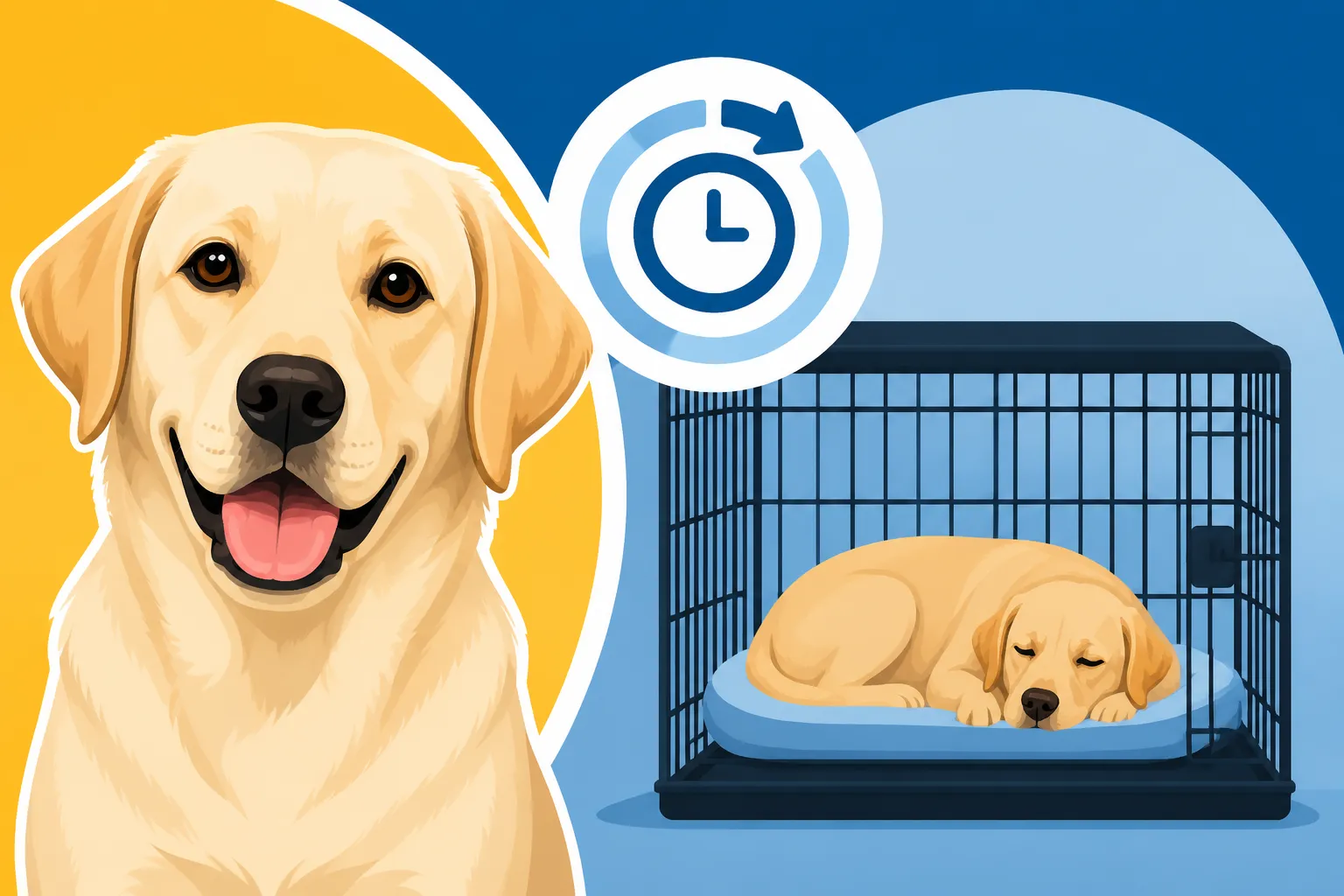
It’s a question that weighs heavily on the hearts of many Labrador owners: how long is really too long to leave your furry friend in their crate? Whether you’re heading out for work, dealing with an unexpected errand, or just need a moment of quiet in a busy household, the guilt can be immense. But crating, when approached thoughtfully and correctly, is far from a punishment; it’s a crucial tool for your Labrador’s safety, house training success, and managing their vibrant, often boisterous, energy. This guide will help you understand age-appropriate crating times, the many factors that influence your Lab's comfort, and how to transform their crate into a true haven.
Why We Crate Our Labradors: Beyond Just Containment
Before we dive into the nitty-gritty of timing, let's talk about why we even use crates for our Labradors in the first place. For some, it might seem like a small jail cell, but for a properly introduced and trained Labrador, their crate can be a sanctuary, a safe den where they feel secure and can truly relax. It's about more than just keeping them from chewing your new sofa; it’s about providing structure, preventing accidents, and fostering independence.
The Den Instinct: Myth Versus Reality
You'll often hear people talk about a dog's "den instinct" when discussing crating, suggesting that dogs naturally seek out small, enclosed spaces because their wild ancestors did. While it's true that dogs appreciate a secure, cozy spot, the idea of a strong, innate "den instinct" that makes them love being locked in a cage isn't entirely accurate. What is true is that dogs, like us, can benefit from having a personal space that is theirs alone, free from interruption and chaos. A crate, when introduced positively, becomes that personal bedroom for your Labrador.
Think of it this way: your Labrador isn't seeking out a small cave in the wild to chill; they're looking for a comfortable, safe spot within your home that offers security. For many Labs, especially puppies, the world can be a bit overwhelming. A crate offers a predictable, safe zone where they can retreat. It's a place they know they won't be bothered, where they can chew a favorite toy, and where they can sleep soundly. This sense of security, rather than a primal den instinct, is what makes a crate valuable. It’s about creating positive associations, not forcing an instinct.
Safety and Preventing Destruction
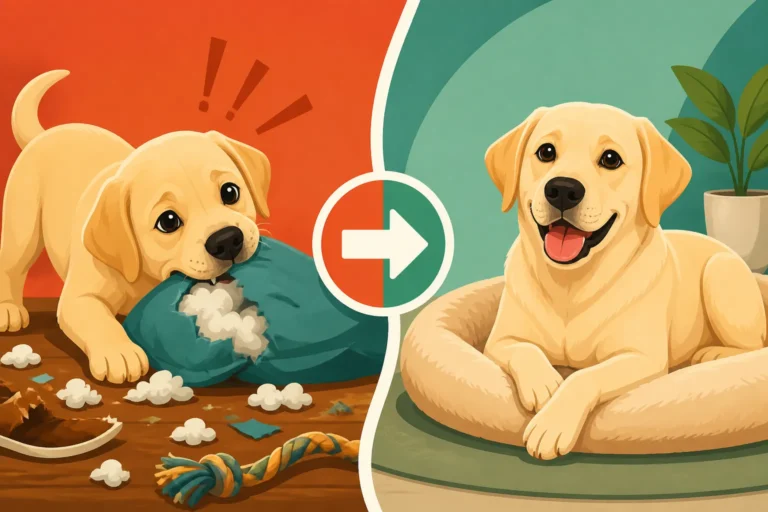
Let's be honest: Labradors, particularly during their puppy and adolescent phases, are often synonymous with destruction. Those strong jaws and inquisitive minds mean that anything within reach is fair game for chewing, shredding, or, in true Lab fashion, attempting to ingest. This isn't naughtiness; it's natural canine exploratory behavior, especially when they're teething or simply bored. The crate serves as an invaluable safety tool, protecting your dog from ingesting dangerous items and saving your belongings from their boundless curiosity.
Imagine coming home to find your Labrador has decided your electrical cords look like delicious chew sticks, or that your favorite pair of shoes has been turned into confetti. Beyond the financial cost, there's a serious health risk. Chewing on cords can lead to electrocution, and swallowing foreign objects can necessitate expensive and dangerous emergency surgery. When your Labrador is safely tucked away in their crate with appropriate, durable chew toys – perhaps a Kong filled with peanut butter or a sturdy Nylabone from a brand like Amazon – you can leave the house with peace of mind. The crate isn't just protecting your home; it's protecting your dog. It's a temporary barrier against a world full of tempting, and potentially harmful, chewables. Labrador Chewing Through Adolescence is a common challenge that crating can help manage.
Age-Appropriate Crate Times for Your Labrador
Understanding how long your Labrador can comfortably stay in their crate is fundamentally tied to their age and developmental stage. A tiny puppy has vastly different needs than a senior dog, and pushing those limits can lead to stress, accidents, and a negative association with the crate itself. Here's a breakdown by life stage.
Labrador Puppies: Building Tolerance
Labrador puppies are bundles of joy, but they come with tiny bladders and an incredible need for social interaction. Their ability to "hold it" is limited, and their need for stimulation is constant. Asking a young puppy to hold it for too long isn't just uncomfortable; it's setting them up for failure and can actually hinder house training efforts, not help them.
- 8-10 Weeks Old: At this very young age, a Labrador puppy can typically only hold their bladder for 1-2 hours during the day. This means very frequent potty breaks! At night, they might stretch it to 3-4 hours, but expect middle-of-the-night excursions. When you first bring home your new pup, the goal is gradual introduction to the crate, making it a comfortable place for short naps and quiet time, not extended confinement. A Labrador Puppy's First Night Home will require careful planning around crate time and potty breaks.
- 11-14 Weeks Old: As they grow a little, their bladder control improves slightly. You might get 2-3 hours during the day, and 4-5 hours at night. Still, consistency is key. Every successful potty break outside builds confidence.
- 15-20 Weeks Old: By this point, most Labrador puppies can manage 3-4 hours during the day, and potentially 6-7 hours at night. This is often the stage where owners begin to feel a bit more freedom.
- 5-6 Months Old: Approaching six months, many Lab puppies can hold it for 4-5 hours during the day, and a full 7-8 hours overnight. This is a significant milestone, but still requires plenty of activity and potty breaks when they are out of the crate.
Always remember that these are guidelines. Each puppy is an individual, and some will develop bladder control faster or slower than others. Never leave a puppy in a crate for longer than they can reasonably be expected to hold their bladder, as accidents will only make them feel anxious in their den and potentially undo your hard work with house training. Use a strict potty training schedule for a Labrador puppy. How long a Labrador can hold it will vary.
Adolescent Labs: The Tricky Teen Years
The adolescent phase for Labradors typically kicks in around 6 months and can last all the way up to 18-24 months. This is often described as the "teenager" phase, where your once-obedient puppy suddenly seems to forget everything they learned. They have more physical endurance, but also an increase in mental curiosity, energy, and sometimes, a touch of rebellion. While their bladder control is generally much better than a puppy's, their need for physical and mental stimulation is at an all-time high.
An adolescent Labrador, who is fully house-trained, can often stay in a crate for 6-8 hours during the day, provided they get plenty of exercise and mental stimulation before and after their crated time. However, this is where boredom and destructive tendencies can really ramp up if their needs aren't met. An under-exercised or under-stimulated adolescent Lab might start to resent the crate, or worse, engage in frantic chewing or barking to express their frustration. Telling Labrador Boredom From Real Anxiety is crucial during this phase.
It's tempting to think that since they can hold it for 8 hours, they should be left for 8 hours every day. But consider the quality of life. An eight-hour stretch in a crate should be balanced with significant opportunities for play, training, and socialization outside the crate. Leaving a vigorous young Labrador in a crate for long stretches regularly without adequate outlets for their energy can lead to behavioral problems, including excessive barking, destructive chewing when they are out, or even separation anxiety.
Adult Labradors: Settled Routines
Once your Labrador reaches adulthood (typically around 18-24 months), and they are fully house-trained and comfortable with their crate, they can usually handle longer periods of confinement. A healthy, adult Labrador can generally be crated for 6-8 hours during the workday. Some might even tolerate up to 9-10 hours occasionally, but this should not be a regular occurrence.
Even for adult Labs, it's vital to ensure they receive ample exercise and mental engagement before and after their crate time. A tired Labrador is a good Labrador, and a Labrador who has had their needs met is much more likely to settle calmly in their crate. This means a good long walk, a vigorous game of fetch, or a stimulating training session before you leave. A quick potty break isn't enough to burn off that characteristic Labrador energy. Leaving a Labrador Home Alone successfully involves more than just crating.
| Labrador Age | Maximum Recommended Crate Time (Daytime) | Maximum Recommended Crate Time (Overnight) | Key Considerations |
|---|---|---|---|
| 8-10 Weeks | 1-2 hours | 3-4 hours | Very limited bladder control, high need for breaks. |
| 11-14 Weeks | 2-3 hours | 4-5 hours | Slight improvement in bladder control. |
| 15-20 Weeks | 3-4 hours | 6-7 hours | Developing bladder control, still needs frequent breaks. |
| 5-6 Months | 4-5 hours | 7-8 hours | Good bladder control, high energy, needs mental work. |
| 6-18 Months (Adolescent) | 6-8 hours | 8-9 hours | Excellent bladder control, but high need for exercise. |
| Adult (18+ Months) | 6-8 hours (occasionally up to 9-10) | 8-9 hours | Established routine, significant pre/post-crate activity. |
| Senior (8+ Years) | 4-6 hours (variable) | 6-8 hours (variable) | Reduced bladder control, arthritis, comfort is paramount. |
Note: These are general guidelines. Always observe your individual Labrador's needs and consult with your veterinarian.
Senior Labradors: Comfort and Consideration
As our beloved Labradors enter their golden years, their needs begin to change again. Senior Labradors (typically 8 years and older, though it varies) may experience reduced bladder control, arthritis, or other age-related health issues that impact their ability to stay crated for extended periods.
For senior Labs, crate time should be approached with extra empathy. They might need more frequent potty breaks, even during the day, and their comfort in the crate is paramount. A soft, orthopedic bed is essential, perhaps one you found on Amazon specifically designed for joint support. What used to be a comfortable 8-hour stretch for an adult dog might become too long for a senior Lab who wakes up stiff or needs to urinate more frequently. It's often advisable to limit their daytime crated hours to 4-6, if possible, and ensure they have easy access to a potty spot if left longer. If you have to leave them for longer stretches, consider options like a trusted dog walker or a dog-proofed room that offers more space and easier access to a potty area. Caring for a Senior Labrador involves adjusting many routines, including crating.
What Influences How Long Your Labrador Can Stay Crated
It's not just age that dictates how long your Labrador can comfortably stay in their crate. Several other critical factors play a huge role in their success and well-being. Ignoring these elements can turn a positive crate experience into a source of stress and anxiety for your dog.
Exercise and Mental Stimulation
This cannot be stressed enough: a tired Labrador is a happy Labrador, and a happy Labrador is much more likely to settle quietly in their crate. Labradors are a high-energy breed, originally bred for demanding work like retrieving waterfowl for hours on end. Expecting them to be calm and quiet after minimal exercise is simply unrealistic and unfair.
Before any extended crate time, ensure your Labrador has had a thorough workout. This means more than just a quick walk around the block. Think a vigorous game of fetch in the yard, a long hike, a swim if they love the water, or a solid obedience training session. Physical exercise burns off pent-up energy, while mental stimulation (like puzzle toys, training new commands, or scent work) tires their brains. A Labrador who is physically and mentally satisfied is much more likely to curl up and nap in their crate. If they're restless, barking, or attempting to chew the crate bars, it’s a clear sign they need more activity before being confined. Mental Work for a Bored Labrador can be just as tiring as physical exercise.
Training and Crate Association
The way a Labrador is introduced to and trained in their crate profoundly impacts their willingness to accept it. If the crate is only used for punishment, or if they are simply tossed in and left for hours on end without proper conditioning, they will quickly develop a negative association. The goal is to make the crate a positive, desirable space.
Effective crate training involves gradual introduction, positive reinforcement, and never using the crate as a punishment. Start with very short periods, always associating the crate with good things: delicious treats, favorite chew toys, and quiet rest time. Feed meals in the crate, and praise them lavishly for going in calmly. Never force your Labrador into the crate or leave them crying endlessly, especially when they are young. A well-crate-trained Labrador will often willingly go into their crate on their own for a nap or to chew a toy, seeing it as their personal safe space. Programs like BAXTER & Bella often provide excellent step-by-step guidance for positive crate training, helping owners build a strong, positive foundation.
Environmental Factors in the Crate
The environment inside and around the crate also makes a difference. Is the crate comfortable? Is it in a high-traffic area, or a quiet corner? These details matter for your Labrador's peace of mind.
- Comfort: A hard plastic crate bottom isn't very inviting. Provide a comfortable, washable bed or blanket. For chewers, look for durable, chew-resistant options. Ensure there's enough room for your Labrador to stand up, turn around, and lie down comfortably. A crate that's too small can cause discomfort and anxiety, while one that's too large can hinder house training if your puppy decides one end is for sleeping and the other for pottying.
- Location: Place the crate in a quiet, low-traffic area where your Labrador won't be constantly disturbed, but still feels like part of the family. Many owners choose a bedroom or a quiet corner of the living room. Avoid drafty areas or places with extreme temperatures.
- Calm Atmosphere: Create a calm atmosphere before crating. Avoid loud farewells or anxious goodbyes, as your Labrador picks up on your emotions. Leaving a radio or classical music playing softly can help muffle outside noises and provide white noise. You might even consider covering the crate with a light blanket to create a more den-like, secure feel, but ensure proper ventilation.
Making the Crate a Haven and Extending Alone Time
Successfully extending your Labrador's alone time in the crate isn't about simply adding hours; it's about building their confidence, providing enrichment, and understanding their individual needs. It's a continuous process that requires patience and consistency.
Gradual Desensitization and Positive Reinforcement
The key to long-term crating success lies in a process of gradual desensitization and consistent positive reinforcement. You can't just expect your Labrador to instantly love their crate for hours on end. It takes careful steps. Start with short periods, even just 5-10 minutes, while you're still in the room. Reward them heavily with high-value treats and praise for quietly settling.
As they become comfortable, slowly increase the duration. Step out of sight for a minute, then two, then five. Gradually build up to longer absences. Always return before they start to whine or show signs of distress, so they learn that you always come back. This builds trust. Avoid making a big fuss when you leave or return; keep hellos and goodbyes calm and low-key. If you act like it’s a huge deal, your Labrador will too. Many online training platforms, such as BAXTER & Bella, offer structured programs that guide owners through this desensitization process, which can be invaluable for consistent training. Crate Training a Labrador Puppy outlines the steps for a solid foundation.
Enriching the Crate Experience
A crate shouldn't feel like an empty box. Enriching the experience makes it a more enjoyable and tolerable place for your Labrador, especially during longer stretches of alone time.
- Chew Toys: Always provide appropriate, safe chew toys. A stuffed Kong, a puzzle feeder, or a durable chew toy (such as those robust options found on Amazon) can keep your Labrador mentally engaged and happily occupied. The act of chewing is naturally calming for dogs, helping them to self-soothe. Make sure the toys are strong enough to withstand that powerful Labrador jaw and don't pose a choking hazard. Chew Toys That Survive a Labrador are essential.
- Comfortable Bedding: Ensure the crate has a soft, comfortable bed. This is especially important for older Labs with joint issues, but even young dogs appreciate a cozy spot to snooze. Choose bedding that is easily washable and, again, durable if your Lab is prone to shredding.
- Interactive Cameras: For owners who worry, a pet camera can offer immense peace of mind. Many modern pet cameras allow you to monitor your Labrador remotely, speak to them, and even dispense treats. This can help you understand if they are truly settled or if they are showing signs of stress or boredom, allowing you to adjust your routine or provide additional enrichment.
- Safe Space with Familiar Scents: Place an old t-shirt or blanket that smells like you in the crate. Familiar scents can be incredibly comforting and help reduce anxiety, making your Labrador feel less alone.
Monitoring and Troubleshooting Crate Issues
Even with the best intentions, you might encounter challenges. Your Labrador might suddenly start disliking their crate, or show signs of distress when left alone. It’s crucial to pay attention to these signals.
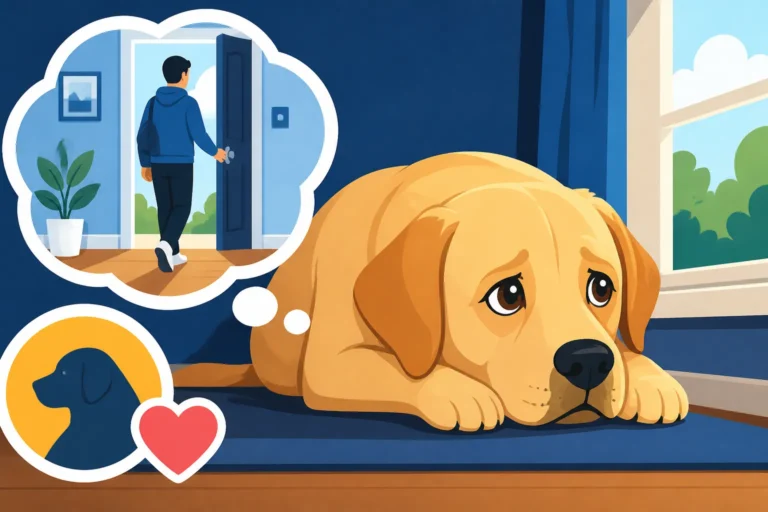
- Whining/Barking: Occasional whining when you first leave is normal, but persistent barking or howling indicates distress. This could be due to an unmet need (like needing a potty break or more exercise), boredom, or developing separation anxiety. Separation Anxiety in Labrador Retrievers is a serious issue that goes beyond typical crate frustration.
- Destructive Behavior: If your Labrador is trying to break out of the crate, bending bars, or harming themselves, this is a major red flag. It signifies severe anxiety and that the crate is not a safe or positive place for them. In such cases, stop crating immediately and seek advice from a professional dog trainer or veterinary behaviorist.
- Potty Accidents: If a house-trained Labrador starts having accidents in their crate, it could indicate an underlying health issue (like a UTI in an older dog), that they’re being left too long, or that the crate is too large. Consult your vet first to rule out medical problems.
- Monitoring with Cameras: As mentioned, a camera can be invaluable. It allows you to see what your Labrador is doing when you're gone. Are they pacing, panting, excessively salivating, or trying to escape? Or are they calmly sleeping? This objective information is vital for troubleshooting.
Remember, the goal is for the crate to be a tool that enhances your Labrador's life, offering a safe, secure, and comfortable retreat. It should never be a source of fear or prolonged distress. If your Labrador struggles significantly with crate time, revisit your training methods, increase their exercise and mental stimulation, or consult a professional for guidance. Building Alone-Time Tolerance in a Labrador Puppy can prevent many of these issues if started early.
Disclaimer
This article is for general informational purposes only and does not constitute professional advice. Laws, prices and regulations vary by location and change over time. Consult a qualified professional for guidance on your specific situation.