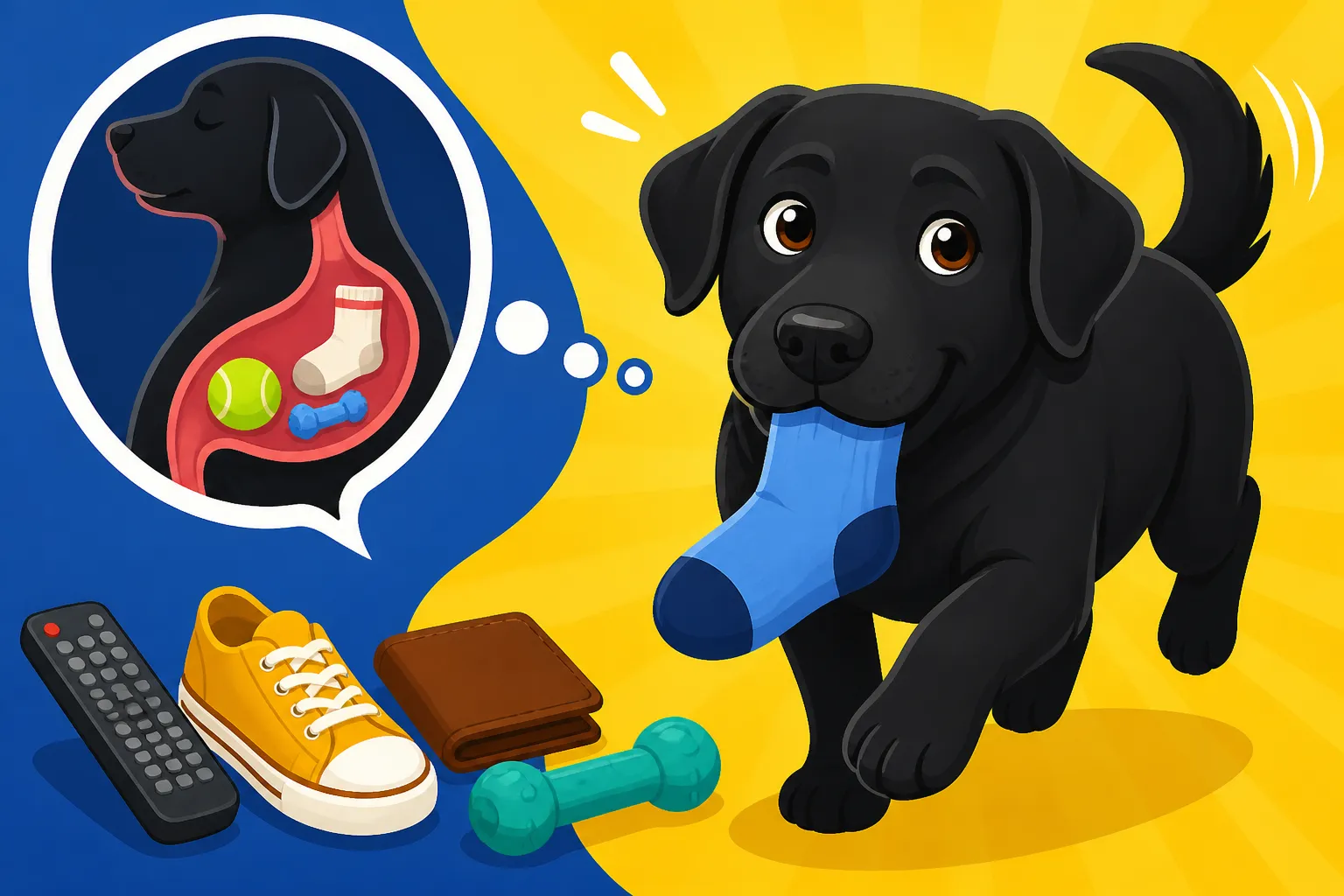
Why Labradors Steal and Swallow Things
If you've ever walked into a room to find your Labrador proudly parading around with your favorite shoe, or worse, discovered a crucial item missing only to suspect it went down the hatch, you know the unique frustration of living with a canine kleptomaniac. Labradors are notorious for their mouthiness and their uncanny ability to "acquire" and, all too often, swallow things they absolutely shouldn't. This guide is here to help you understand why your beloved Labrador engages in this often baffling and sometimes dangerous behavior, and more importantly, what you can do about it.
The Instinctual Drive: Why Labradors Are Wired to Retrieve and Carry
It’s easy to get frustrated when your Labrador is munching on the remote control, but it helps to remember that much of this behavior is deeply rooted in their history. Labradors weren't just born cute; they were purpose-bred working dogs, and their entire being is designed around using their mouths.
The Soft Mouth and Its Purpose
Think about what Labradors were originally developed for: retrieving waterfowl. They needed to bring back downed birds, sometimes from icy waters, without damaging them. This required a "soft mouth"—the ability to carry things gently, without crushing or puncturing. This isn't just a physical trait; it’s a strong instinct. A Labrador's mouth is their primary tool for interacting with the world. They explore with it, they carry things with it, and yes, sometimes they use it to test if something is edible or just fun to hold.
When your Labrador picks up your eyeglasses, they aren't necessarily intending to destroy them or even eat them (though that might be the unfortunate outcome). Often, they're simply engaging that deep-seated desire to carry. It's almost like a child's urge to put everything in their mouth to understand its texture and shape. For a Labrador, a novel object on the floor is an invitation to explore with their most sensitive tool – their mouth. This instinct is so powerful that even well-trained dogs might find themselves drawn to pick up an unattended sock or a fallen piece of paper, simply because their genetics are screaming, "Retrieve!"
Carrying Objects: Not Always About Eating
While we, as owners, immediately jump to "they're going to swallow it!", often the initial impulse for a Labrador isn't consumption. Many Labs enjoy just carrying things. This can range from toys to sticks to, unfortunately, your kid's favorite stuffed animal. It can be a self-soothing behavior, a way to occupy themselves, or even a form of play. They might parade around with an item, sometimes shaking it gently, sometimes just holding it.
Consider the classic image of a Labrador walking around with a tennis ball in its mouth, seemingly content. This is that carrying instinct at play. The problem arises when the object isn't meant for canine mouths, or when the carrying escalates into chewing and then, inevitably, swallowing. For some Labradors, the act of holding something satisfies a need, but for others, especially those with high oral drives, the line between carrying and consuming is very, very thin. Understanding this distinction can help you better manage their environment and provide appropriate outlets. It also helps you approach training with more empathy, recognizing that it's not always malicious mischief, but rather a deeply ingrained part of who they are.
The "Everything Is Food" Mentality: A Labrador's Oral Exploration
If you have a Labrador, you know they tend to view the world through a lens of "can I eat this?" This isn't just a stereotype; it's a very real part of their genetic makeup and behavioral patterns, leading to many instances of them stealing and swallowing inappropriate items.
The World Through a Labrador's Mouth
For a Labrador, nearly anything can be a potential snack or a delightful chew toy. They don't have hands to pick things up and examine them carefully; their mouth is their primary sensory organ for exploration. This means that if something falls on the floor – a dropped pill, a child's small toy, a foreign object from outside – their first instinct is often to investigate it with their mouth. And once it's in their mouth, the temptation to chew, break apart, and ultimately swallow can be overwhelming.
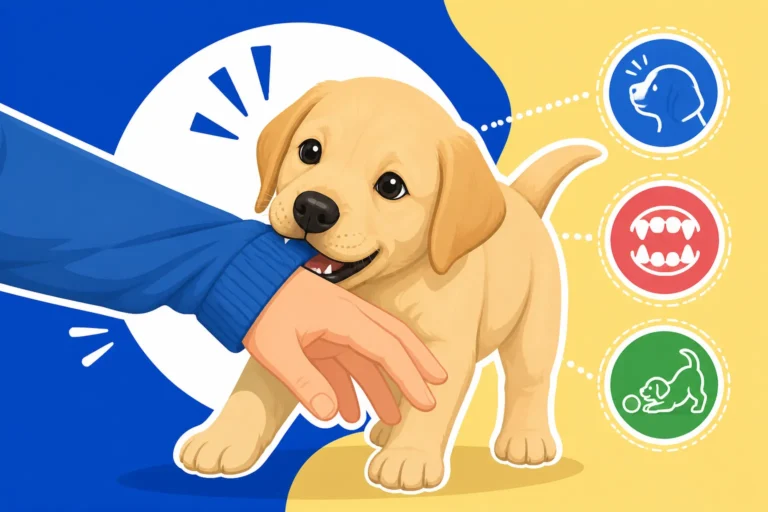
This oral exploration isn't limited to food items. Many Labradors will mouth and chew on furniture, shoes, blankets, and anything else they can get their jaws around. They're gathering information about the object's texture, taste, and durability. Unfortunately, this often leads to them ingesting pieces of non-food items, which can range from mildly disruptive (like chewed up socks) to life-threatening (like batteries or sharp objects). It's a constant battle to keep hazardous items out of reach, almost as if you have a perpetually curious, four-legged toddler in the house. This is a big reason why Labrador Puppy Mouthing and How to Redirect It is such a critical topic from a young age.
The Genetics of the Voracious Appetite
It's not just a cute quirk; a significant percentage of Labradors carry a genetic mutation that predisposes them to a truly insatiable appetite. This mutation affects the POMC gene, which plays a role in regulating hunger and satiety. Dogs with this deletion often feel hungrier, even after eating a full meal, and they tend to be more food-motivated. This means they are constantly on the lookout for anything edible – or potentially edible – and are highly driven to acquire it.
If your Labrador seems perpetually hungry, begs constantly, and has an uncanny ability to sniff out even the tiniest crumb, this genetic predisposition might be at play. It makes them more likely to counter-surf, raid trash cans, and, yes, steal and swallow non-food items if they perceive them as having even a remote possibility of being edible or simply satisfying their oral fixation. This constant drive makes managing their diet and their environment even more crucial. Understanding Why a Quarter of Labradors Overeat by Genetics can really shift your perspective from frustration to a more empathetic and strategic approach to managing their habits.
Boredom and Attention-Seeking: When Stealing Becomes a Game
Sometimes, your Labrador's thieving ways aren't about instinct or hunger, but a classic case of canine ingenuity born from boredom or a desire for your undivided attention.
The Thrill of the "Forbidden Fruit"
Labradors are intelligent, curious dogs, and if they're not adequately stimulated, they can become quite creative in finding ways to entertain themselves. What's more entertaining than snatching something you really don't want them to have? The "forbidden fruit" phenomenon is real with Labradors. They learn quickly which items get the most reaction from you. That sock on the floor? Meh. Your wallet? Now that gets a rise out out of you!
For a bored Labrador, engaging in a game of "keep away" with your personal belongings is a fantastic way to alleviate their under-stimulation. They get exercise, mental engagement trying to evade you, and the ultimate prize: your full attention, even if it's exasperated. This behavior often escalates because it's so self-reinforcing. They grab something, you chase them, they get a thrill. The unfortunate consequence is that in the midst of this game, they might chew or swallow the item, either accidentally or deliberately to prevent you from getting it back. This is why addressing Mental Work for a Bored Labrador is so vital for their overall well-being and preventing destructive habits.
Seeking Your Reaction
Let's be honest, when your Labrador prances off with your phone, what's your first reaction? Probably a gasp, a chase, and a fervent attempt to get it back. From your Labrador's perspective, this is fantastic attention. They might not understand your words, but they certainly pick up on your elevated heart rate, your focused gaze, and your sudden engagement. For a dog that craves interaction, even negative attention can be a powerful motivator.
This type of stealing is often a learned behavior. If a Labrador discovers that picking up a remote control makes you stop what you're doing and interact with them, they're likely to repeat it. They might not even want the item; they just want you. This can be particularly prevalent in households where the dog might not be getting enough dedicated playtime or training sessions. They're simply trying to initiate interaction in the most effective way they know how. It’s a classic example of how dogs learn to manipulate our reactions, and it takes consistent effort on our part to teach them more appropriate ways to ask for attention. Think about enrolling in an online training program like those offered by BAXTER & Bella, which provides structured guidance to help you manage these behaviors and build a stronger, more positive relationship.
Resource Guarding and Anxiety: Deeper Behavioral Roots
While some instances of stealing and swallowing are driven by instinct or boredom, others can stem from more complex behavioral issues like resource guarding or anxiety. These underlying problems require a more nuanced approach.
Protecting Perceived Valuables
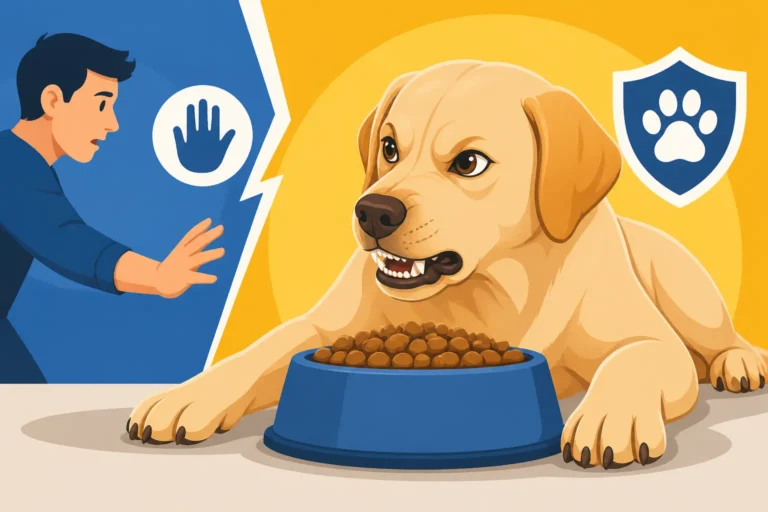
Resource guarding is when a dog becomes possessive over certain items, food, or even people, and exhibits behaviors to prevent others from taking them. For a Labrador, who often views everything as a potential resource (especially if it's food-related or gets your attention), this can manifest as stealing items and then swallowing them quickly to prevent you from retrieving them. They might grab a discarded food wrapper or a valuable object, and if you approach, they might gulp it down in a panic. This isn't necessarily about eating the item for its nutritional value, but about preventing its perceived loss.
This behavior can be subtle or overt. A dog might freeze over an item, growl, stiffen, or even snap if you get too close. If your Labrador exhibits these signs when they've stolen something, it's crucial to address the underlying guarding behavior rather than just punishing the theft. Punishment can actually intensify guarding, making the dog even more secretive and likely to swallow things quickly before you can react. Understanding the signs of Resource Guarding in Food-Driven Labradors is key to addressing this safely and effectively.
Coping Mechanisms and Stress
Anxiety, particularly separation anxiety, can also lead to destructive chewing and the ingestion of inappropriate items. A dog experiencing stress or anxiety when left alone might turn to chewing as a coping mechanism. The act of chewing can be self-soothing, releasing endorphins that help calm them. Unfortunately, in their anxious state, they might chew on anything available – furniture, shoes, clothing, or even parts of their crate – and inadvertently swallow pieces.
A Labrador suffering from Separation Anxiety in Labrador Retrievers might not only chew but also pace, bark, have accidents, or become destructive in other ways. Ingesting non-food items can be a symptom of this distress. If you suspect anxiety is at play, merely "Labrador-proofing" your home won't solve the root problem. You'll need to work on addressing the anxiety itself, perhaps with the help of a professional trainer or veterinary behaviorist. Recognizing the signs of anxiety and providing appropriate interventions is crucial for their well-being and safety.
Safety First: What to Do When Your Labrador Swallows Something Dangerous
No matter the reason, when your Labrador swallows something they shouldn't, your immediate concern is their health and safety. This is where quick, informed action is critical.
Immediate Actions After Ingestion
First, don't panic, but act quickly. If you know exactly what your Labrador swallowed, how much, and when, that information is invaluable. Try to remain calm, as your stress can easily transfer to your dog. Immediately secure any remaining dangerous items and prevent your dog from getting access to more. If it was something toxic like chocolate, certain plants, or medications, contact your veterinarian or an animal poison control center immediately. They can guide you on whether to induce vomiting, and if so, how. Do NOT try to induce vomiting without professional advice, as some substances can cause more harm coming back up.
For non-toxic, but potentially obstructive items (like socks, toys, or large pieces of plastic), observe your dog closely. Look for signs of distress such as choking, gagging, persistent coughing, vomiting, lethargy, loss of appetite, changes in bowel movements, or abdominal pain. If your dog is actively choking and you can see the object, you can attempt to remove it carefully, but be very cautious not to push it further down. For objects they've already swallowed, monitoring for symptoms is important, and a vet visit is usually recommended sooner rather than later, especially for larger or sharp objects. This is a situation where understanding What to Do If a Labrador Swallows Something can make a huge difference.
When to Call the Vet
You should always call your vet if you suspect your Labrador has swallowed something toxic or potentially dangerous. Even if your dog seems fine immediately after, some substances have delayed effects, and some objects can cause internal damage or blockages that aren't immediately apparent.
Here’s a quick guide on when to call:
| Item Swallowed | When to Call the Vet |
|---|---|
| Toxic substances (e.g., chocolate, medications, certain plants, rat poison, household cleaners) | IMMEDIATELY, even if symptoms aren't present. Time is critical. |
| Sharp objects (e.g., bones, glass, needles, shards of plastic) | IMMEDIATELY. These can cause internal punctures or lacerations. |
| Large, non-digestible objects (e.g., socks, underwear, toys, corn cobs, fruit pits) | As soon as you realize it. Blockages are a serious risk. |
| Anything causing immediate distress (e.g., choking, repeated vomiting, severe lethargy, abdominal pain) | IMMEDIATELY – this is an emergency. |
| Small, relatively harmless objects (e.g., small piece of kibble, tiny bit of paper) | Monitor closely. Call if any symptoms develop or if you're concerned. |
Your vet may recommend an emergency visit, X-rays, or blood tests to assess the situation. They can advise on procedures like inducing vomiting (if appropriate), endoscopic removal, or, in severe cases, surgery. Always err on the side of caution when it comes to foreign body ingestion.
Prevention and Training: Building Better Habits
While Labradors may have a genetic predisposition to mouthiness and a huge appetite, you are not powerless. Strategic prevention and consistent training can significantly mitigate the risks and improve your dog's behavior.
Environmental Management: Labrador-Proofing Your Home
The first and most effective line of defense is simply preventing access to tempting and dangerous items. This means thinking like a Labrador and seeing your home through their eyes (and mouth!).
- Elevate and Secure: Keep all medications, toxic foods (like chocolate, grapes, onions), cleaning supplies, small objects, electronics, shoes, and children's toys off the floor and behind closed doors. Use child-proof locks on cabinets if necessary. If your Labrador is a counter-surfer, this means pushing items far back from the edge or storing them away entirely.
- Trash Can Security: Invest in a sturdy, Labrador-proof trash can with a locking lid. Many Labradors see an open trash can as a delicious buffet.
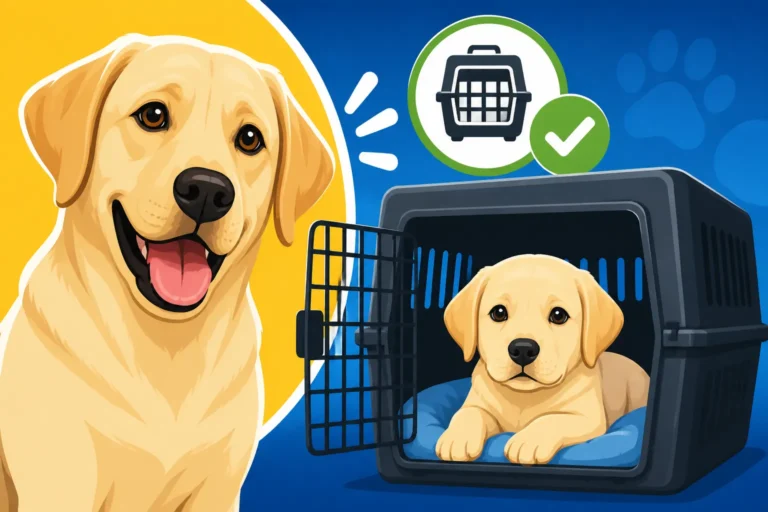
- Crate Training: A crate can be an invaluable tool for safely containing your Labrador when you can't supervise them directly, especially for puppies or new dogs. This prevents them from wandering and finding trouble. Make sure the crate is appropriately sized, comfortable, and that they have appropriate chew toys inside. How Long a Labrador Can Stay Crated is an important consideration for safe use.
- Appropriate Chews: Provide a variety of safe, durable chew toys that are appropriate for your Labrador's chewing style and size. Regularly inspect toys for damage and replace them as needed. Look for robust options on Amazon that can stand up to a strong Labrador jaw. Avoid toys with small parts that can be easily chewed off and swallowed. Think about Chew Toys That Survive a Labrador.
By meticulously managing your home environment, you drastically reduce the opportunities for your Labrador to steal and swallow inappropriate items, saving you stress, vet bills, and potential heartbreak.
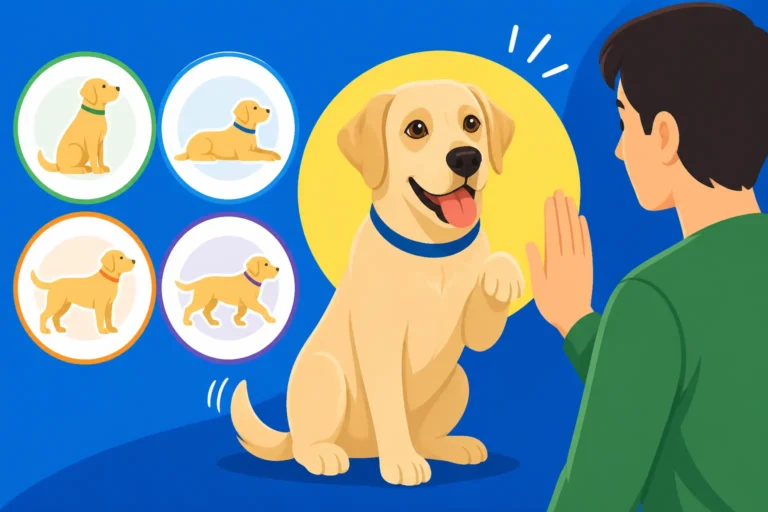
"Drop It" and "Leave It": Essential Commands
Beyond prevention, teaching your Labrador crucial commands can be a lifesaver. "Drop It" and "Leave It" are perhaps two of the most important commands for a Labrador, given their oral fixation.
- "Leave It": This command teaches your Labrador to ignore an item, whether it's on the ground, a counter, or in someone's hand. Start in a low-distraction environment with a low-value treat. Place the treat on the floor and cover it with your hand. When your dog tries to get it, say "Leave It." As soon as they look away from your hand, reward them with a different, higher-value treat from your other hand. Gradually increase the difficulty by having them leave higher-value items or leaving items in more distracting environments. This command is invaluable when you're on a walk and your dog spots something questionable on the pavement.
- "Drop It": This command teaches your Labrador to release an item they already have in their mouth. Start by offering a high-value treat for an item they are willing to drop (like a low-value toy). When they release the toy, say "Drop It" and immediately give them the treat. Practice this repeatedly. The key is to make "dropping" a positive experience, not a punishment. Never chase your dog or try to pry something out of their mouth forcefully, as this can lead to guarding. You want them to voluntarily give it up. Master Teaching a Labrador to Drop It Reliably and you’ll have a much safer dog.
Consistent practice, using high-value rewards, and remaining patient are essential for mastering these commands. They empower you to intervene safely and effectively before an item is swallowed.
Mental and Physical Enrichment
A tired Labrador is a good Labrador, and this goes for mental as well as physical exertion. Many stealing and swallowing behaviors stem from boredom and pent-up energy.
- Adequate Exercise: Labradors need a significant amount of physical exercise every day. This could include long walks, runs, swimming, or vigorous games of fetch. A Labrador that has had a good physical outlet is less likely to seek destructive ways to burn off energy indoors. Remember to tailor exercise to their age; Exercise Limits for a Labrador Puppy are different than for an adult.
- Mental Stimulation: Don't forget their brains! Labradors are smart dogs and thrive on mental challenges.
- Puzzle Feeders and Snuffle Mats: These are fantastic for making mealtime last longer and engaging their minds. Instead of gulping down their food in seconds, they have to work for it. This is a great way to use their natural foraging instincts. Look for a variety of Puzzle Feeders That Slow a Greedy Labrador online.
- Training Sessions: Even short, consistent training sessions (5-10 minutes) can provide immense mental stimulation. Practice obedience commands, teach new tricks, or engage in scent work.
- Interactive Toys: Toys that dispense treats or require manipulation can keep them occupied for longer periods.
- Socialization: Regular, positive interactions with other dogs and people can reduce anxiety and provide healthy stimulation.
A Labrador whose needs for physical activity and mental engagement are met is a much less likely candidate for raiding the trash or gnawing on your furniture. By understanding their inherent drives and proactively meeting their needs, you can transform a mischievous thief into a well-behaved and safe companion.
Disclaimer
This article is for general informational purposes only and does not constitute professional advice. Laws, prices and regulations vary by location and change over time. Consult a qualified professional for guidance on your specific situation.