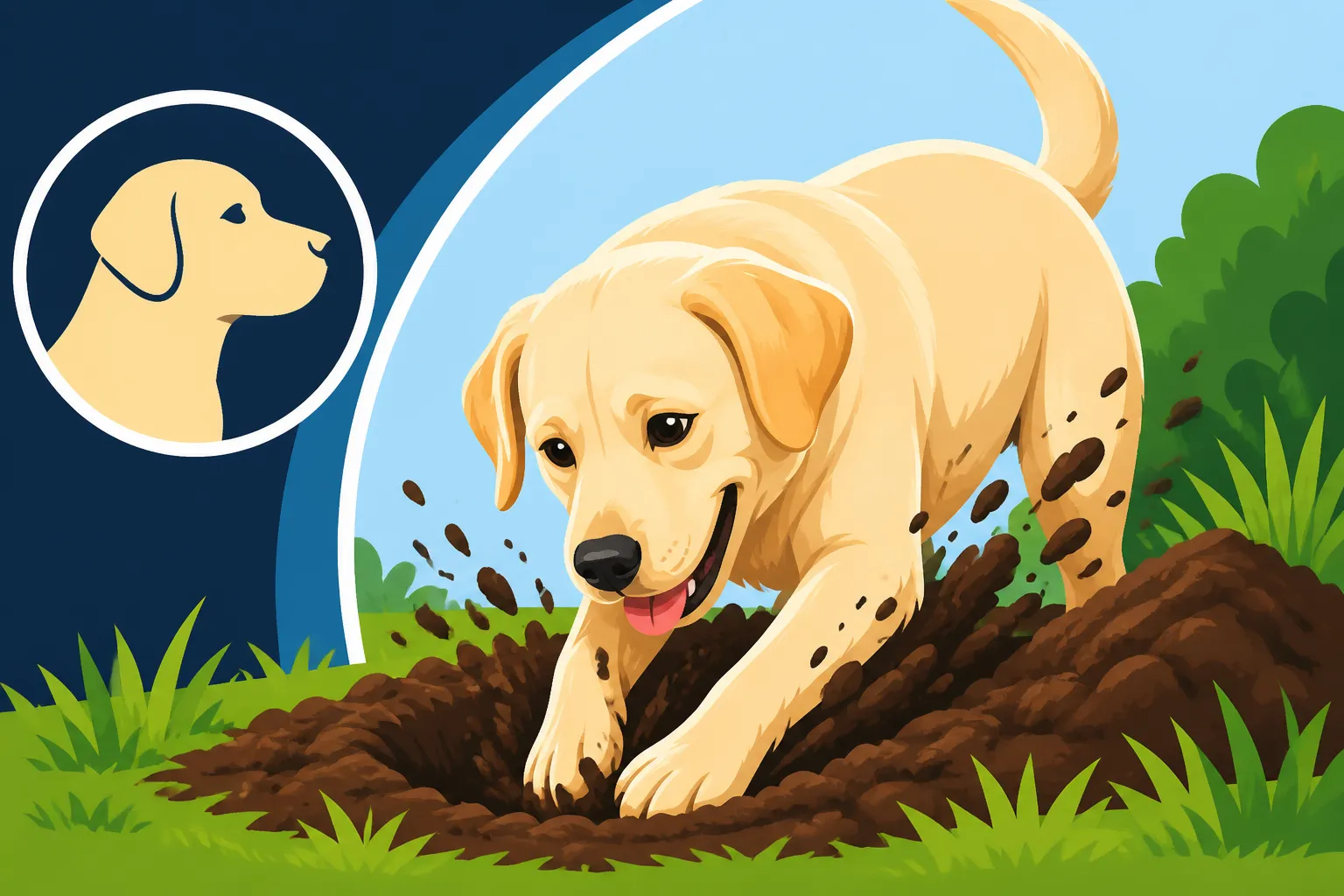
Digging Behavior in Labrador Retrievers
Few things are quite as disheartening as stepping outside to find your once-pristine garden transformed into a moonscape of craters and dirt piles, all courtesy of your beloved Labrador Retriever. It's a common frustration many of us face, leaving us wondering why our usually well-behaved companions suddenly seem intent on becoming champion excavators. This comprehensive guide will delve into the various reasons behind your Labrador's digging habits, exploring everything from instinct to boredom, and offering practical strategies to manage and redirect this natural, albeit sometimes destructive, behavior.
Why Labradors Dig: Understanding the Root Causes
When your Labrador starts digging, it's not usually out of spite or a desire to ruin your landscaping. More often than not, it's a deeply ingrained behavior stemming from their ancestry and physical needs. Understanding these underlying motivations is the first step toward effective management.
Deep-Rooted Instincts and Breed Traits
Labradors, like many dog breeds, carry genetic predispositions that make digging a natural outlet. Their ancestors, working dogs from Newfoundland, were bred for retrieving and often found themselves on rugged terrain, sometimes needing to dig out small game or clear debris. This history means that digging can be an instinctive activity for them, almost like an inherited chore. It’s part of their hard-wired nature, a relic from a time when it served a vital purpose.
Beyond their working heritage, dogs simply have a natural curiosity for what lies beneath the surface. The smells, the textures, the cool earth – it's all an exciting sensory experience. For a Labrador, a breed known for its enthusiastic engagement with the world, a patch of soft dirt can be an irresistible invitation to explore. It's not about being "bad"; it's about being a dog with natural drives.
Boredom, Anxiety, and Excess Energy
One of the most frequent culprits behind unwanted digging is a lack of mental and physical stimulation. Labradors are highly intelligent, energetic dogs who thrive on activity and engagement. If they're not getting enough exercise or mental challenges, that boundless energy has to go somewhere, and digging is an easy, self-rewarding way to release it. A bored Labrador is a destructive Labrador, and a gaping hole in your flower bed might just be a testament to an afternoon spent with nothing else to do. Providing regular, vigorous exercise is absolutely crucial. Exercise a Labrador Needs Each Day covers some great ideas to keep them moving.
Anxiety can also manifest as digging. A Labrador experiencing separation anxiety, for example, might dig frantically at fence lines in an attempt to escape and reunite with their human. Thunderstorms or fireworks can trigger fear, leading some Labs to dig in an attempt to create a "den" or escape the perceived threat. It's their way of coping with stress, even if it seems counterproductive to us. Recognizing the signs of anxiety, as discussed in Telling Labrador Boredom From Real Anxiety, can help you address the root cause of the digging.
Seeking Comfort or Relief
Sometimes, your Labrador is simply trying to make themselves more comfortable. On a hot summer day, a dog will instinctively dig down to the cooler, moist earth beneath the surface. This creates a natural, self-made cooling bed, a simple solution to an uncomfortable problem. This is particularly true for Labs with their dense double coats, which can make them quite warm.
Similarly, digging can be a form of denning behavior. Even though they live in our homes, the primal instinct to create a safe, secure burrow for resting or having puppies can still surface. They might dig a shallow pit in a quiet corner of the yard, perhaps near a bush or under a porch, to create their own cozy, private retreat. It's a bit like us fluffing our pillows or drawing the curtains – an effort to optimize their environment for relaxation.
Common Digging Scenarios and What They Mean
Digging isn't always a uniform behavior; it often presents in different ways depending on the underlying motivation. Observing where and how your Labrador digs can give you valuable clues about why they're doing it.
The Great Escape: Digging Under Fences
This is perhaps one of the most frustrating forms of digging, especially if you have an otherwise secure yard. When a Labrador digs under a fence, they're typically motivated by a strong desire to get to something on the other side or to escape confinement. This could be anything from the enticing smell of a squirrel or a neighborhood cat, to the desperate urge to join you if you've left them alone outside. They might also be driven by the need to find a mate if they aren't spayed or neutered.
This type of digging is usually focused, strategic, and often near weak points in the fence line. It's less about casual exploration and more about achieving a specific goal: freedom or access. Why a Labrador Digs Under the Fence delves deeper into preventing these breakout attempts, which can be a real safety concern.
Burying Treasures: Bones, Toys, and Food
Labradors, like many breeds, possess an instinct to "cache" valuable resources. This means they'll often bury bones, chew toys, or even pieces of food for later consumption. It's a behavior rooted in survival, ensuring that if current food sources run out, there's always a hidden stash to fall back on. While it might seem odd when they have a full bowl of kibble indoors, the instinct is powerful.
You'll often find these "treasure pits" in various spots around the yard, usually shallow and hastily covered. Sometimes they even try to bury things indoors, hilariously pushing blankets or pillows over a prized chew. This behavior is usually harmless, though it can lead to muddy paws being tracked inside or favorite items going missing for a while! It's worth noting that if your Labrador tends to pick up and try to bury household items, this is a separate but related issue covered in Why Labradors Steal and Swallow Things.
Creating Cool Retreats
As mentioned earlier, Labradors are masters of self-cooling. On a hot day, their dense coats can make them overheat quickly, even in the shade. Digging down to the cooler soil is a surprisingly effective way for them to regulate their body temperature. These digs are usually broad, shallow depressions, just big enough for them to lie down in comfortably.
You'll often find these dug-out "beds" in shady areas of the yard, perhaps under a large tree or against the cool side of the house. They might return to the same spot repeatedly, deepening their personal cooling station over time. While it's a natural behavior, it can certainly be unsightly for your lawn.
Attention-Seeking Excavations
Sometimes, a Labrador discovers that digging gets a reaction from you. Even a negative reaction, like shouting or rushing outside, can be interpreted as attention. For a dog that's feeling ignored or under-stimulated, any attention is good attention. They might start digging the moment you step outside or when you're visible through a window, watching to see if you'll come running.
This type of digging is often performed with a certain flair, perhaps a quick glance back at you to gauge your response. It's a clear communication: "Hey! Look at me! I'm doing something interesting (and slightly naughty)!" If you suspect your Labrador is digging for attention, interrupting the behavior calmly and redirecting them to an appropriate activity is key, rather than inadvertently reinforcing it with an over-the-top reaction.
Training and Management Strategies for Digging
Once you've got a handle on why your Labrador is digging, you can start implementing strategies to manage or redirect the behavior. The goal isn't to stop them from being a dog, but to teach them where and when it's okay to indulge their natural instincts.
Providing a "Legal" Digging Outlet
One of the most effective ways to manage a digging Labrador is to give them a designated spot where digging is not only allowed but encouraged. This is often called a "dig pit" or "sandbox." The idea is to satisfy their natural urge to dig without destroying your prized hydrangeas.
To create a dig pit:
- Choose a location: Pick an out-of-the-way spot in your yard that's easily accessible to your Lab.
- Define the area: You can use a small sandbox, some landscaping timbers, or even a large kiddie pool buried halfway. Make it clear this is their digging zone.
- Fill it with appealing material: Sand, loose dirt, or a mixture of both works great.
- Make it exciting: Bury a few high-value treats, durable chew toys, or even a tough bone in the pit when you first introduce it. Encourage your Lab to dig for them! Praise them enthusiastically when they dig in the right spot.
- Consistency is key: Whenever you catch your Labrador digging elsewhere, calmly interrupt them and immediately redirect them to their dig pit. Re-bury a treat there to make it appealing. With consistent redirection and positive reinforcement, they'll learn the rules. Giving a Labrador a Legal Place to Dig offers more detailed instructions.
Enriching Their Environment
A bored Labrador is a digging Labrador. Increasing mental and physical stimulation can drastically reduce unwanted digging. Think about their day – is it packed with engaging activities, or do they spend long stretches with nothing to do?
- Physical Exercise: Labradors need a lot of exercise. Daily walks are a start, but they often need more. Think about games of fetch, swimming (a Labrador favorite!), or even short runs if they're old enough and healthy. A tired Lab is often a well-behaved Lab.
- Mental Stimulation: Don't forget their brains! Puzzle feeders that make them work for their food are fantastic. Scent work, where they use their incredible noses to find hidden treats, is another great option to tire them out mentally without much physical space. You can find a wide variety of these on Amazon, from simple slow feeders to complex interactive games. Engaging in activities like Scent Work for a Labrador Indoors can be a lifesaver on a rainy day.
- Training Sessions: Even short, consistent training sessions throughout the day can provide mental engagement. Five to ten minutes of working on basic obedience cues, learning new tricks, or practicing their recall can be surprisingly tiring for them.
Boundary Setting and Deterrents
While encouraging positive behaviors is paramount, sometimes you need to make certain areas less appealing for digging. This isn't about punishment, but about making the undesirable choice less rewarding than the desirable one.
- Make the spot unpleasant: If your Labrador consistently targets a specific area, you can make it less enjoyable. Lay down chicken wire or hardware cloth just under the surface of the soil (ensure there are no sharp edges sticking up) or place large, smooth river rocks. The unpleasant texture under their paws can be a deterrent.
- Scent deterrents: Some dogs are deterred by certain smells. While commercial deterrents are available (always check they are pet-safe!), natural options like citrus peels or coffee grounds can sometimes work for a short period. Be aware that these typically need frequent reapplication, especially after rain, and their effectiveness varies greatly from dog to dog.
- Supervision: The simplest deterrent, especially for a new puppy or a persistent digger, is direct supervision. When your Labrador is outside, be out there with them, ready to interrupt unwanted digging and redirect to the appropriate spot. When you can't supervise, prevent access to problem areas or bring them indoors.
Tools and Aids for Digging Management
Beyond direct training and environmental enrichment, there are some physical tools and aids that can assist in managing your Labrador's digging habits. These can be particularly helpful for preventing escapes or protecting vulnerable areas of your yard.
Effective Physical Barriers
When your Labrador is determined to dig under a fence, you sometimes need to think like an escape artist yourself and reinforce those boundaries.
- L-Footer Fencing: This involves attaching a section of wire mesh (like chicken wire or hardware cloth) horizontally to the bottom of your fence, extending it out into the yard about 1-2 feet, and burying it just beneath the surface. When your dog tries to dig down, they hit this barrier, which extends out horizontally, making it impossible for them to dig under.
- Large Rocks or Concrete Pavers: For specific, small areas where digging is persistent, you can lay down heavy flagstones, concrete pavers, or large river rocks along the fence line. The weight and solidity make it difficult, if not impossible, for your Labrador to start digging. Just make sure there are no gaps where they can wedge themselves.
- Deep Burial: If you're installing a new fence, consider burying the bottom edge several inches or even a foot into the ground. While this might not stop the most determined digger, it significantly raises the bar. For existing fences, you can dig a trench along the bottom and install a mesh barrier vertically, extending it deep into the soil.
Remember, the goal is to create a barrier that is both effective and safe for your Labrador, avoiding anything that could cause injury.
Puzzle Toys and Chew Items
As we've discussed, boredom and excess energy are huge drivers for digging. Providing a good rotation of engaging puzzle toys and appropriate chew items can give your Labrador a much-needed outlet for their mental and physical energy.
- Food-Dispensing Toys: These are fantastic for Labs, who are often highly food-motivated. Toys that require them to roll, nudge, or manipulate them to release kibble or treats can keep them occupied for a good stretch. Brands readily available on Amazon offer a wide range of difficulty levels.
- Durable Chew Toys: Labradors are strong chewers, especially during Labrador Chewing Through Adolescence. Having access to appropriate, safe, and durable chew toys can help satisfy their oral fixation and keep their mouths busy when they might otherwise be digging. Look for toys specifically designed for power chewers to stand a chance against a determined Lab.
- Scent Games: Instead of burying a bone in the yard, hide treats around the house or yard and encourage your Labrador to sniff them out. This engages their powerful nose, provides mental stimulation, and is much less destructive than digging.
The key is variety and rotation. Don't leave all the toys out all the time, or they'll lose their novelty. Introduce new toys and rotate old ones to keep your Labrador interested and engaged.
Harnesses and Leashes for Supervised Play
While harnesses and leashes aren't direct digging deterrents, they are invaluable tools for managing your Labrador's behavior and preventing digging in unsupervised situations.
- Supervised Outdoor Time: When your Labrador is outside, especially if they have a history of digging, keep them on a long line or a leash so you can actively supervise and intervene. This allows you to immediately redirect any digging attempts to their designated dig pit or another appropriate activity.
- Training Tools: If your Labrador is a consistent escape artist via digging, a secure harness can be crucial for walks or supervised outdoor sessions. A good fit ensures they can't slip out if they get spooked or decide to bolt. This proactive management prevents situations where digging might become a desperate attempt to rejoin you.
- Controlled Access: Until your Labrador understands the rules of the yard, using a leash or long line ensures that you control where they go and what they do. This is especially important for puppies learning boundaries or for adult Labs with stubborn digging habits. Training resources from platforms like BAXTER & Bella often emphasize controlled introductions to new environments and behaviors, which can be directly applied here.
When to Seek Professional Help for Digging Behavior
While most digging can be managed with consistent training and environmental enrichment, there are times when your Labrador's digging behavior might warrant professional intervention. It's important to recognize when the problem goes beyond simple mischief.
Recognizing Persistent or Destructive Digging
If your Labrador's digging is constant, despite your best efforts at redirection and enrichment, or if it's causing significant damage or posing a danger, it's time to consider professional help.
- Extreme or Obsessive Digging: If your Labrador spends an inordinate amount of time digging, seems obsessed with it, or becomes agitated if prevented, this could indicate an underlying behavioral issue that's beyond simple boredom.
- Self-Harm or Injury: If your dog is digging so intensely that they're injuring their paws, nose, or body, this is a clear sign that the behavior is compulsive and needs immediate professional attention.
- Escaping and Danger: When digging leads to frequent escapes, putting your Labrador at risk of traffic, getting lost, or encountering other dangers, it's a serious problem that needs to be addressed swiftly and effectively by an expert.
- Damage Beyond Repair: If the digging is destroying property, undermining structures, or creating hazardous holes in public areas, a professional can help implement a more robust behavior modification plan.
Consulting a Veterinarian: Ruling Out Medical Causes
Before diving into extensive behavioral training, it's always a good idea to consult your veterinarian, especially if the digging behavior is new or has suddenly escalated.
- Pain or Discomfort: Sometimes, a dog might dig excessively to alleviate discomfort or pain. For example, if they have an itch that won't go away, they might scratch and dig at the ground in frustration. Joint pain or other physical ailments could also lead to restless behaviors like digging as they try to get comfortable.
- Parasites: Internal or external parasites can cause intense itching and discomfort, leading to frantic digging or scratching. Your vet can rule out fleas, ticks, or internal worms that might be contributing to the problem.
- Nutritional Deficiencies: While less common, certain nutritional imbalances or gastrointestinal issues could theoretically manifest in unusual behaviors. A vet check-up can ensure your Labrador is in tip-top physical health, eliminating any physiological drivers for the digging.
Your vet can provide a clean bill of health or identify any underlying medical conditions that need to be addressed before focusing solely on behavior modification.
Working with a Certified Professional Dog Trainer or Behaviorist
If medical causes have been ruled out, or if the digging is clearly a complex behavioral issue, enlisting the help of a certified professional dog trainer or a veterinary behaviorist is the next step. Choosing a Trainer for a Labrador offers advice on finding the right fit.
- Behavioral Assessment: A professional will conduct a thorough assessment of your Labrador's history, environment, and specific digging patterns. They'll look for triggers, motivations, and contributing factors that you might have overlooked.
- Tailored Training Plan: Based on their assessment, they can develop a customized training and behavior modification plan tailored to your Labrador's individual needs. This might involve specific exercises, management techniques, and environmental adjustments.
- Addressing Underlying Issues: A behaviorist can help address more complex issues like severe separation anxiety, compulsive disorders, or deep-seated fears that manifest as digging. They might use advanced behavioral science techniques or, in some cases, recommend medication in conjunction with behavior modification.
- Guidance and Support: Working with a professional gives you expert guidance, helping you implement techniques correctly and adjust the plan as needed. They can teach you how to effectively communicate with your Labrador and build a stronger, more harmonious relationship.
By being proactive and seeking help when needed, you can ensure your Labrador is happy, healthy, and less likely to turn your yard into an archaeological dig site.
Final Thoughts on Managing Your Digging Labrador
Dealing with a Labrador who loves to dig can certainly test your patience, but it's important to remember that this behavior is often rooted in their natural instincts and needs. Whether it's boredom, a quest for comfort, or the thrill of the chase, understanding the 'why' behind the 'what' is your superpower.
We’ve covered a lot of ground, from setting up a fantastic "legal" dig pit and enriching their daily lives with Mental Work for a Bored Labrador, to recognizing when their digging might be a cry for more exercise or even a sign of anxiety. Remember, consistency in your training and management is absolutely key. Labs thrive on routine and clear expectations.
Don't be afraid to experiment with different strategies, and certainly don't hesitate to reach out to a professional if you feel truly stuck. With a little patience, dedication, and the right approach, you can transform your backyard from a lunar landscape back into the beautiful space you envisioned, all while allowing your wonderful Labrador to still indulge their innate love for exploration and excavation in appropriate ways.
| Digging Motivation | Common Signs | Recommended Solutions |
|---|---|---|
| Boredom/Excess Energy | Random holes, not focused, often after long periods alone | Increase exercise, mental stimulation, puzzle toys, designated dig pit |
| Escape Attempt | Along fence lines, focused, deep trenches | Secure fence barriers (L-footers), supervised outdoor time, address separation anxiety |
| Burying Treasures | Shallow pits, often near house or bushes, objects found | Designated dig pit, high-value chew toys, supervision, trade for buried items |
| Seeking Comfort (Cool) | Shallow, wide depressions in shady spots | Provide cool resting mats, access to indoor AC, ensure fresh water, designated dig pit |
| Anxiety/Fear | Frantic, destructive digging, often during storms or when alone | Address underlying anxiety (vet/behaviorist), create safe den, appropriate enrichment |
| Prey Drive | Focused digging at specific spots, often near burrows | Supervised outdoor time, engage in scent work or fetch, secure property from rodents |
| Attention-Seeking | Digs when observed, glances back at owner, stops when ignored | Ignore bad behavior, redirect to positive activity, consistent training |
Disclaimer
This article is for general informational purposes only and does not constitute professional advice. Laws, prices and regulations vary by location and change over time. Consult a qualified professional for guidance on your specific situation.