Giving a Labrador a Legal Place to Dig
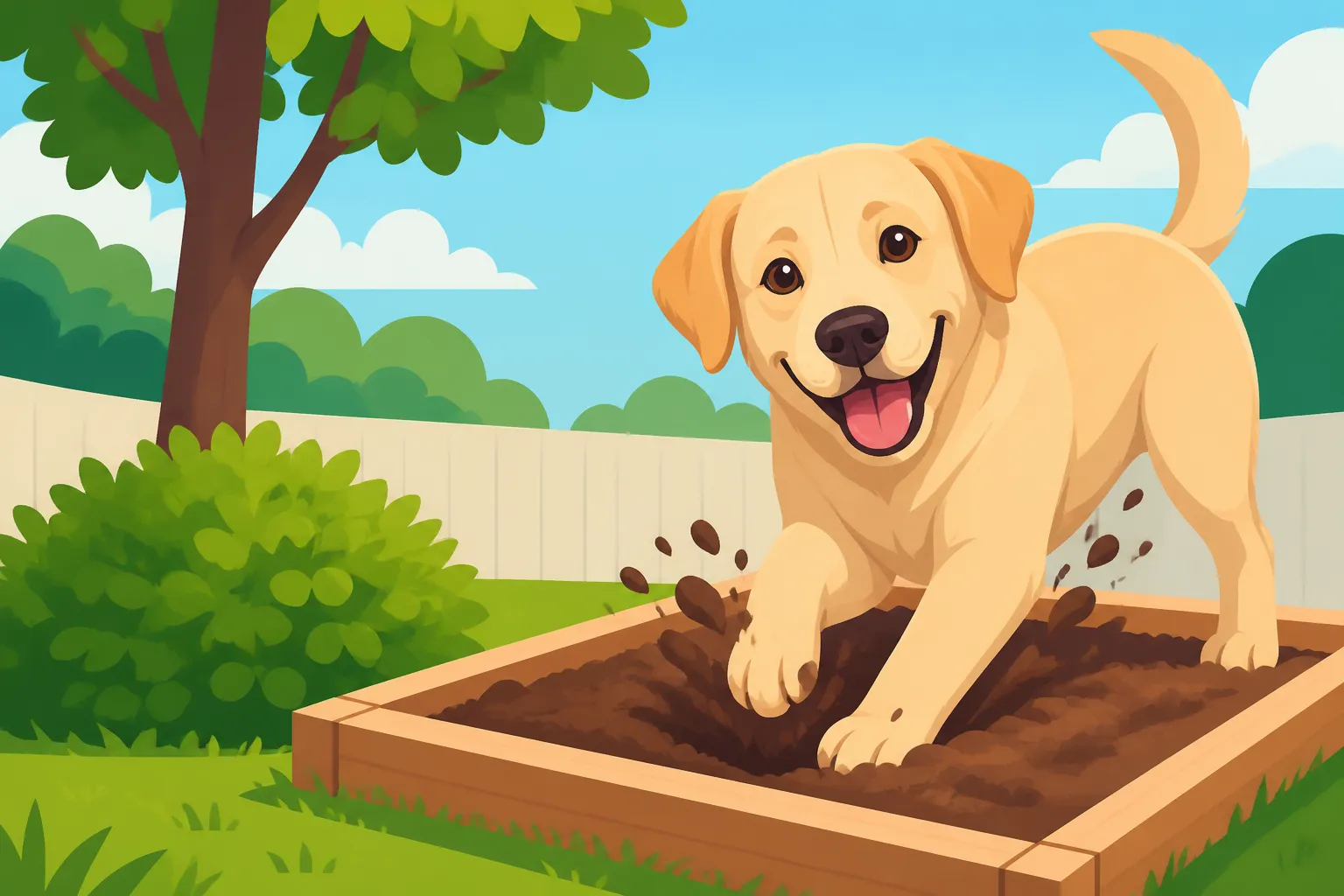
There's nothing quite like the joy of watching your Labrador Retriever zoom around the yard, living their best life. That is, until you spot them nose-deep in your prize-winning rose bed, enthusiastically redecorating your landscaping with mud and roots. The frustration of constant digging can turn your beautiful outdoor space into a minefield of holes. But don't despair! This guide is all about understanding why your furry excavator loves to dig and, more importantly, how to channel that natural instinct into a "legal" digging spot, saving your garden and your sanity.
Understanding Why Your Labrador Digs
Before we can tackle the digging problem, we need to get into our Labrador's head a little bit. It's easy to see a massive hole in your lawn and think your dog is just being naughty, but more often than not, digging is a natural, instinctual behavior for Labradors, stemming from their deep-rooted heritage and various environmental factors. It's not personal; it's just dog!
Instinctual Drives of a Labrador
Our beloved Labradors are not just couch potatoes (though they excel at that too!). They are working dogs through and through, originally bred for demanding tasks like retrieving fowl from icy waters and bringing in fishing lines. This background has gifted them with an incredible drive and a sharp mind, which sometimes manifests in ways we don't always appreciate in our suburban backyards.
Think about what a retriever's ancestors might have done in the wild. They'd hunt, track, and yes, sometimes even dig to unearth small prey or create a den. That powerful urge to work, to problem-solve, and to use their strong paws and noses is still very much alive in your Labrador. They aren't digging to spite you; they're often just fulfilling a primal need. A strong drive to retrieve and work means they need an outlet for that energy and intelligence. If they don't get enough appropriate stimulation, they'll find their own "jobs," and those jobs often involve moving dirt. It's fascinating to consider The Labrador's Fishing and Retrieving Heritage and how those early roles shaped the dogs we know and love today.
Common Reasons for Backyard Excavations
While instinct plays a huge role, specific situations in your daily life can trigger or exacerbate your Labrador's digging habits. Pinpointing the "why" behind the hole is the first step toward a solution.
- Boredom and Lack of Stimulation: This is probably the number one culprit. A Labrador with too much pent-up energy, physically or mentally, will find ways to entertain themselves. For many, that means digging. If they aren't getting enough walks, engaging play, or mental puzzles, the backyard becomes their personal construction site. They're intelligent creatures and they need tasks. If you're wondering what kind of activities can help, consider Mental Work for a Bored Labrador to tire them out constructively.
- Seeking Comfort and Cooling Down: Labradors have dense double coats that are wonderful for keeping them warm in cold water, but can be a bit much on a hot day. Digging a cool hole in the dirt is a natural way for them to create a makeshift den and regulate their body temperature. They're just trying to find a comfortable spot to rest, especially if suitable shade or a cool surface isn't readily available.
- Prey Drive and Scent: Labradors have incredible noses. If your yard has moles, voles, or even interesting insects burrowing beneath the surface, your Labrador's hunting instinct might kick in. They'll start digging, trying to get to whatever captivating scent they've picked up. It's like an exciting treasure hunt, and they're determined to find the prize!
- Anxiety or Stress: Sometimes, digging can be a coping mechanism for stress or anxiety. A dog left alone for long periods, especially if they suffer from separation anxiety, might dig as a way to release nervous energy or even attempt to escape. Separation Anxiety in Labrador Retrievers is a complex issue, and digging can be a symptom.
- Attention-Seeking: Let's be honest, we often react strongly when we see our dog digging where they shouldn't. And any reaction, even a negative one, is still attention. If your Labrador has learned that digging guarantees a dramatic response from you, they might start doing it just to get you to notice them.
- Escape Attempts: For some Labs, digging is a calculated effort to get out of the yard. This often happens if they're bored, lonely, or if there's something incredibly interesting on the other side of the fence. If you've ever dealt with this, you know the frustration. You might find some helpful insights in Why a Labrador Digs Under the Fence.
Planning and Creating Your Labrador's Dig Pit
Now that we understand why they dig, let's talk about giving them a dedicated, "legal" spot to indulge that natural urge. A dig pit is essentially a designated area where your Labrador is encouraged to dig to their heart's content, saving your flowerbeds and keeping them happily occupied.
Choosing the Right Location and Size
Location, location, location! Just like real estate, where you put your dig pit matters. You want it to be appealing to your Labrador, practical for you, and relatively out of the way of your main living areas.
First, consider a spot that's partially shaded, especially during the hottest parts of the day. Remember, one reason dogs dig is to cool down. A shaded pit will be far more attractive than one baking in direct sunlight. Think about a corner of the yard, under a mature tree, or near a fence line that gets some afternoon shade.
Next, think about the size. A small, shallow pit won't satisfy a full-grown Labrador for long. It needs to be big enough for them to comfortably get in, turn around, and really stretch out their digging muscles. For most adult Labradors, a pit that's at least 3-4 feet square and at least 1-2 feet deep is a good starting point. You can always make it larger, but starting too small will likely lead to continued digging outside the designated area. Consider the eventual size of your Labrador, keeping in mind that they are a large, powerful breed.
Building Your Dig Pit: Step-by-Step
Building a dig pit doesn't have to be complicated or expensive. There are several approaches, from simple to a bit more involved, depending on your budget and DIY skills.
Option 1: The Simple Dirt Patch
This is the easiest. Choose your spot, clear any grass, and loosen the soil. You might dig down 6-12 inches to start, just making it inviting. The main challenge here is that the dirt can easily spread and make a mess in the surrounding area, especially after a good digging session or rain.
Option 2: The Sandbox Approach
This is often the most popular and effective.
- Mark Your Area: Use stakes and string, or spray paint, to outline your chosen 3×3 or 4×4 foot square.
- Excavate: Dig down at least 12-18 inches. You'll want to remove enough soil to create a clear boundary and a good depth for digging.
- Line (Optional but Recommended): If you're concerned about drainage or grass growing up through the sand, you can line the bottom of your pit with a layer of landscaping fabric. This allows water to drain but prevents unwanted growth.
- Create a Border: This is key for containing the digging material. You can use:
- Landscape Timbers or Pressure-Treated Wood: Create a simple square frame. Secure the corners with screws. This gives a nice, clean edge.
- Plastic Edging: A more flexible, less permanent option.
- Large Tractor Tires: Lay one flat and fill it. This creates an instant border and is quite durable.
- A Child's Sandbox or Large Kiddie Pool: These can be bought ready-made and simply filled. A hard plastic kiddie pool, for instance, can be excellent for containing sand, especially if you sink it partially into the ground.
- Fill It Up: Now for the fun part! Fill your pit with a digging-friendly material.
- Play Sand: This is often the best choice. It's loose, easy for dogs to dig, doesn't get too muddy, and is usually readily available at hardware stores or home improvement centers.
- Loose Topsoil Mixed with Sand: This offers a slightly firmer digging experience but still allows for easy excavation. Avoid heavy clay soils.
- Mulch (Hardwood, not Cocoa): While not ideal for digging in the traditional sense, a designated mulch pit can still give your Labrador something to move around and investigate, especially if you bury treats in it. Be sure to avoid cocoa mulch, which is toxic to dogs.
Here's a quick comparison of popular dig pit options:
| Feature | Simple Dirt Patch | Wooden Sandbox | Large Kiddie Pool (Sunken) |
|---|---|---|---|
| Cost | Lowest | Moderate | Low to Moderate |
| Setup Effort | Low (just digging) | Moderate (assembly) | Moderate (digging, filling) |
| Containment | Poor (dirt spreads easily) | Good (wood border) | Excellent (plastic walls) |
| Durability | Infinite | Moderate (wood can rot) | Moderate (plastic can crack) |
| Mobility | None | Low (heavy once filled) | Low (heavy once filled) |
| Maintenance | Refill, clean up soil | Refill sand, cover | Refill sand, wash, cover |
| Aesthetic Impact | Can look messy | Can be neat and tidy | Can be subtle if sunken |
Training Your Labrador to Use the Dig Pit
Building the pit is only half the battle. The next crucial step is teaching your Labrador that this is the approved digging zone, and everywhere else is off-limits. This requires patience, consistency, and a whole lot of positive reinforcement.
Introducing the Dig Pit and Making it Enticing
Your Labrador needs to learn that the dig pit is the most exciting place to dig in the entire yard. We do this by making it incredibly rewarding.
- Bury Treasure: The easiest way to get them interested is to bury high-value treats (like small pieces of cooked chicken, cheese, or their favorite kibble) or their absolute favorite toys (maybe a new tennis ball or a robust chew toy you found on Amazon). Start by just loosely covering them so they're easy to find, then gradually bury them deeper as your Labrador gets the idea.
- Lead the Way: Take your Labrador on-leash to the dig pit. Encourage them to investigate. Point out the buried items. When they start sniffing and digging, praise them enthusiastically! Use a happy, excited voice and say "Good dig!" or "Find it!"
- Dig with Them (Initially): Yes, really! Get down there and pretend to dig with your hands. Show them how much fun it is. Your enthusiasm will be contagious.
- Reward, Reward, Reward: Every time your Labrador digs in the designated pit, even just a little bit, shower them with praise and maybe another small treat. The more positive experiences they have there, the stronger the association will be. It helps to have a range of Treats That Motivate a Food-Driven Labrador ready to go!
Redirecting Unwanted Digging Behavior
This is where consistency really pays off. You need to be vigilant, especially in the early stages of training.
- Interrupt, Don't Punish: If you catch your Labrador digging in an unapproved spot (like your flowerbed), do not yell, scold, or punish them. This can create fear and make them reluctant to dig even in their pit, or worse, make them sneak off to dig when you're not looking. Instead, calmly and cheerfully interrupt them. A clap of your hands or a gentle "Uh-oh!" is usually enough to get their attention.
- Redirect Immediately: As soon as they stop digging in the wrong spot, lead them directly to their dig pit. Re-engage them there with buried treats or toys. The idea is to teach them: "Digging here (in the pit) is great! Digging there (in the flowerbed) means we move to the pit."
- Supervise, Supervise, Supervise: For a while, don't leave your Labrador unsupervised in the yard until they've consistently used the dig pit. If you can't supervise, bring them inside. This prevents them from practicing the unwanted behavior.
- Make Unwanted Spots Unappealing: For the areas you want to protect, consider temporary deterrents. Lay chicken wire flat on the ground (ensure edges are tucked in), place uncomfortable objects like pinecones or lava rocks, or even use commercially available dog-safe repellents (always check ingredients!). Some people temporarily fence off delicate garden areas.
Maintaining Consistency and Patience
Training a Labrador takes time, and modifying ingrained behaviors like digging can be a marathon, not a sprint. Your Labrador is smart, but they're also driven by strong instincts.
- Keep it Fresh: Don't let the dig pit become boring. Regularly re-bury new and exciting "treasures." Rotate toys, try different types of treats, or even hide some of their favorite dog biscuits.
- Establish a Routine: If your Labrador tends to dig at certain times (e.g., after their morning potty break, or when you leave for work), make a visit to the dig pit part of that routine. A quick trip to the pit with a buried treat before you leave can satisfy their urge to dig while you're gone.
- Praise Lavishly: Never underestimate the power of positive reinforcement. Every time they choose the dig pit, even if it's just for a quick sniff, tell them how wonderful they are. This is a core principle of effective training, championed by methods like those taught by BAXTER & Bella, which focus on building a strong, positive relationship with your dog.
Integrating the Dig Pit into a Well-Rounded Labrador Life
A dig pit is a fantastic tool, but it's part of a larger picture. For a truly happy, well-behaved Labrador, you need to address all their needs, ensuring the digging instinct is fulfilled in a healthy, controlled way, rather than just being suppressed.
Beyond the Dig Pit: Holistic Solutions for Digging
Think of the dig pit as one piece of a puzzle. To really curb destructive digging, you need to provide a holistic environment that meets your Labrador's physical and mental demands.
- Sufficient Exercise is Non-Negotiable: Labradors are high-energy dogs. A short walk around the block simply isn't enough. They need vigorous exercise daily. This could mean long walks, active games of fetch, swimming, or even jogging with you once they are physically mature. A tired Labrador is a good Labrador, and far less likely to resort to digging out of boredom. Consider checking out Exercise a Labrador Needs Each Day for ideas on how to keep your pup moving. And if you're curious about how much strenuous activity is too much, especially for a younger dog, How Much Fetch a Labrador Actually Needs is a great resource.
- Mental Stimulation is Just as Important: Their bodies aren't the only things that need a workout. Labradors are intelligent and love to solve problems. Incorporate puzzle toys, scent work games, obedience training sessions, or even learning new tricks into their daily routine. These activities tire out their brains and reduce the likelihood of them seeking mental stimulation through destructive behaviors like digging or chewing. Scent Work for a Labrador Indoors is a fantastic way to engage their amazing noses, regardless of the weather.
- Address Underlying Issues: If your Labrador's digging seems excessive or is accompanied by other signs of distress (like destructive chewing, excessive barking, or pacing), it's worth considering if there's an underlying anxiety or stressor. Consult with your veterinarian or a certified professional dog trainer to explore potential behavioral issues like separation anxiety. Sometimes, seemingly naughty behaviors are simply a dog's way of communicating they're not feeling well or secure. Labrador Chewing Through Adolescence often goes hand-in-hand with other exploratory and sometimes destructive behaviors.
Managing Expectations and Enjoying the Process
It's crucial to manage your expectations. Your Labrador is a Labrador! Their Labrador Temperament and Personality includes a strong retrieving drive, a love for water, and a penchant for exploring with their nose and paws. You can't train out instinct entirely, nor should you want to. The goal is not to stop them from digging forever, but to redirect that natural drive to an appropriate place.
Embrace the fact that your dog loves to dig. It's a joyful, instinctual behavior for them, and watching them happily unearth a buried toy in their designated pit can be incredibly rewarding. It provides physical exercise, mental engagement, and satisfies a deep-seated part of their being. Think of it as a bonding opportunity – you're providing a safe, fun outlet for a natural behavior, and in return, you're getting a happier dog and a pristine garden.
The journey might have a few misplaced holes along the way, but with patience, positive reinforcement, and a clear "yes" space, you and your Labrador can both enjoy the great outdoors together.
Disclaimer
This article is for general informational purposes only and does not constitute professional advice. Laws, prices and regulations vary by location and change over time. Consult a qualified professional for guidance on your specific situation.