Potty Training a Labrador With No Yard
Potty training a Labrador when you don't have a big, grassy yard just outside your door can feel like an impossible mountain to climb. Many new Labrador parents living in apartments or urban homes get incredibly frustrated, wondering if they've made a terrible mistake, because their smart, energetic pup just doesn't seem to "get" where to go. This guide is here to walk you through proven strategies, clever hacks, and realistic expectations for successfully potty training your beloved Labrador in a home without a traditional yard.
Understanding the Unique Challenges of Potty Training a Labrador Without a Yard
Let's be real, a Labrador Retriever is not exactly built for apartment living in the same way a Chihuahua or a Cavalier King Charles Spaniel might be. Their history, their build, and their boundless energy all conspire to make potty training without a dedicated outdoor space a distinct challenge. It's not about your dog being stubborn or unintelligent; it's about navigating their natural inclinations in an unnatural environment.
The Labrador's Natural Instincts and Energy Levels
Labradors were originally bred to be working dogs, retrieving waterfowl and fish for long hours in harsh conditions. This means they are hardy, intelligent, and, most importantly, possess an incredible amount of energy and a strong desire to explore. For them, "potty time" isn't just about relieving themselves; it's a chance to sniff, explore, mark territory (even if they're puppies, the instinct is there), and engage with the world. When you take a Labrador outside, even just to a small patch of grass or a sidewalk, they're bombarded with smells and sights. A traditional yard allows them to wander, find a "spot" that feels right, and do their business without much fanfare. Without that, every trip outside becomes a whole event, which can distract from the main goal: pottying.
Imagine you're trying to use the restroom, but you're in a bustling market with fascinating smells, people greeting you, and interesting objects just out of reach. That's a bit like what a Labrador experiences when you take them out on a leash in a busy urban environment. Their natural curiosity and high energy can make focusing on the task at hand difficult, leading to frustrating accidents back inside after what you thought was a successful trip. Plus, Labradors grow fast and need to go a lot. A small bladder combined with a large, rapidly growing body means frequent trips are non-negotiable, and when those trips involve navigating stairs, elevators, and busy streets, it adds layers of complexity and stress for both of you.
Space Limitations and Sensory Input
Living without a yard often means living in an apartment, condo, or townhouse with limited direct access to grass or soil. This isn't just about the physical space; it's about the mental and sensory space, too. A puppy learns to differentiate "indoor" from "outdoor" based on surfaces, smells, and routines. If their "outdoor" potty area is a small patch of artificial turf on a balcony, or a tiny square of grass across a parking lot, it might not offer the same clear distinction they'd get from a sprawling lawn. This can lead to confusion.
Furthermore, a Labrador's strong sense of smell, which is a huge asset in their working roles, can actually be a hindrance during early potty training in a confined space. Even tiny remnants of accident odors can trigger them to go in the same spot again, reinforcing the wrong behavior. This is why thorough cleaning is paramount. The sounds of urban living – sirens, traffic, unfamiliar voices – can also be overwhelming for a young puppy, making them less likely to relax and do their business. It's a delicate balance to provide enough stimulation without overstimulating them, all while trying to teach a fundamental life skill.
The Myth of "Just Hold It" for Adult Dogs
There's a common misconception that once a dog is an "adult," they can simply "hold it" for exceptionally long periods, almost like a camel saving water. While adult Labradors certainly have better bladder and bowel control than puppies, expecting them to go 8, 10, or even 12 hours without a potty break, especially if they are left alone, is unfair and unhealthy. This is particularly true for larger breeds like Labradors, whose urinary systems process more liquid simply due to their size.
Even a perfectly house-trained adult Labrador needs regular opportunities to relieve themselves. If you're working a full day, that means someone needs to come let them out, or you need to utilize an indoor potty solution during the day. Ignoring this need can lead to urinary tract infections, chronic stress, and behavioral issues beyond just accidents, like destructive chewing or excessive barking due to anxiety. It's not about convenience for us; it's about biological necessity and psychological well-being for our dogs. We need to respect their limits, both as puppies and as adults, to foster a healthy, happy living situation.
Essential Gear and Setting Up Your Indoor Potty Zone
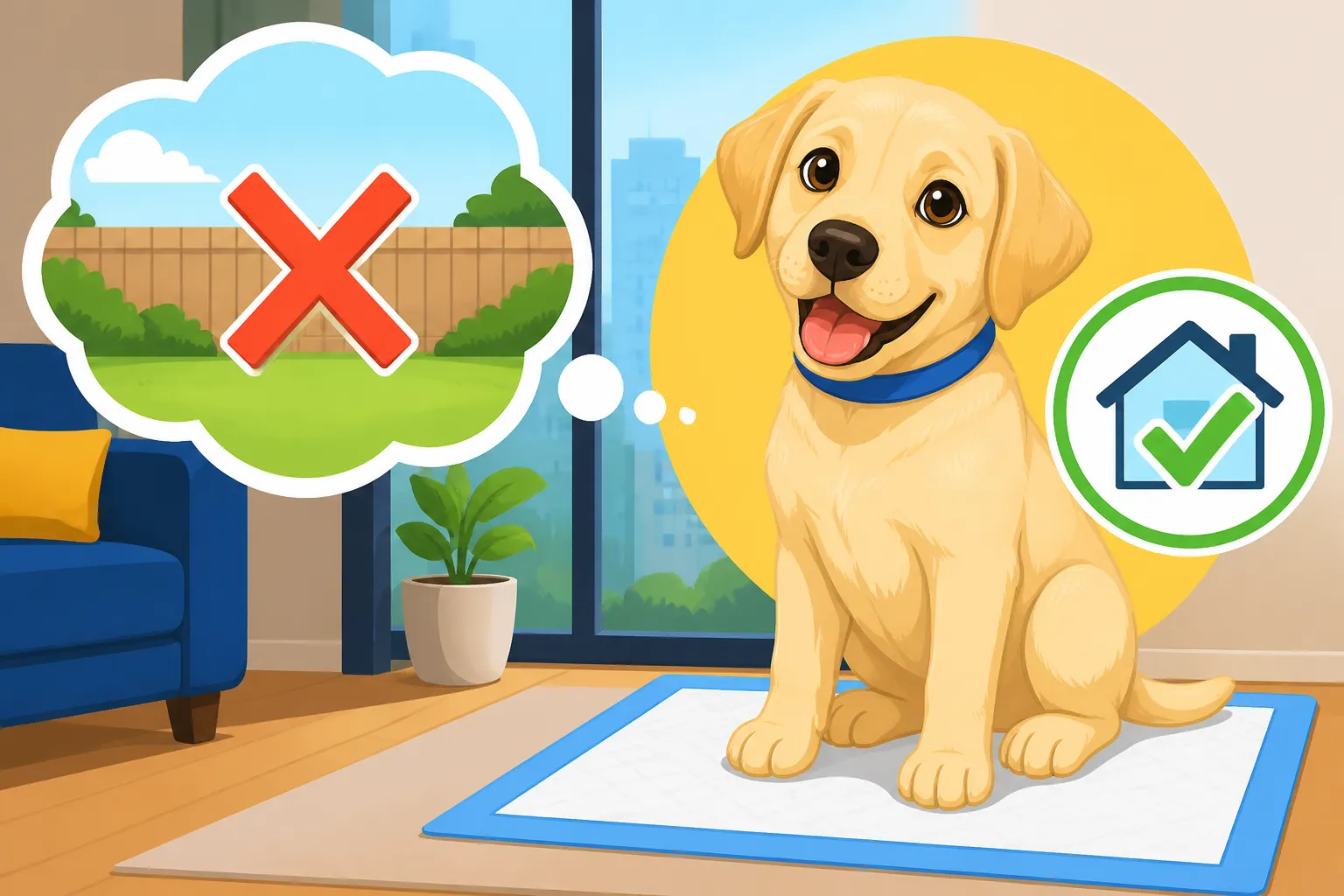
Since you don't have the luxury of simply opening the back door to a yard, you'll need to be proactive in creating designated potty areas. This often involves indoor solutions, especially during the early stages of puppyhood or for emergency situations. Thinking ahead and investing in the right gear can make all the difference.
Choosing the Right Potty System
For apartment dwellers, there are generally two main categories of indoor potty systems: absorbent pads and artificial grass patches. Each has its pros and cons, and what works best will often depend on your specific living situation, your Labrador's preferences, and your commitment to maintenance.
Disposable potty pads, often found on Amazon, are a convenient option. They're usually layered with absorbent materials and have a waterproof backing to protect your floors. They're great for puppies, especially in the very beginning, because they're easy to change and dispose of. However, they can quickly become expensive as your Labrador grows and needs larger, more frequent pads. Some dogs also develop a habit of tearing them up, turning potty time into play time. A word of caution: if you start with pads, you might face a challenge later transitioning your dog to go outside, as they've learned it's okay to go indoors on a soft surface.
Artificial grass patches, often called "potty patches" or "dog loos," mimic the feel and smell of real grass. These usually consist of a plastic tray, a drainage layer, and a top layer of synthetic grass. They can be a fantastic option, especially for a large breed like a Labrador, as they offer a more "natural" surface. Many owners place these on balconies or patios, providing an outdoor-ish option without having to leave the building. They're more environmentally friendly than disposable pads, as you clean and reuse them. The downside is the cleaning process itself; they require regular rinsing and sometimes scrubbing to prevent odors, which can be quite a chore, especially with a large dog's output. Some brands even offer subscription services that deliver fresh grass patches regularly, which can simplify things, though often at a higher cost.
When considering which system, think about your Labrador's future. Do you ultimately want them to only potty outside? Then the artificial grass patch on a balcony might be a better bridge. If you're in a high-rise and outdoor trips are a huge undertaking, then a reliable indoor pad system might be your primary solution.
Creating a Dedicated Space (Even in Small Apartments)
Even in the smallest living spaces, establishing a clear, consistent "potty zone" is crucial. This helps your Labrador understand where they are supposed to go. For disposable pads, pick a low-traffic area, perhaps in a bathroom, utility room, or a corner of the living area, that's easy to clean and somewhat out of the way. Make sure it's accessible to your puppy but not where they eat or sleep, as dogs naturally prefer to keep their "den" clean. For artificial grass patches, a balcony is often ideal. It provides some fresh air and helps create a mental distinction between "inside" and "outside."
Regardless of the system, consistency in location is key. Don't move the potty system around. Your Labrador needs to associate that specific spot with going to the bathroom. You might consider using a puppy playpen or baby gates, available on Amazon, to section off a small area that includes their bed, water, and the potty system. This creates a controlled environment, limiting their options for accidents and making it easier for them to choose the correct spot. As they get older and more reliable, you can gradually expand their access to your home. Think of it as slowly earning more freedom.
Cleaning Up Accidents Like a Pro
Accidents will happen, especially with a Labrador puppy, and especially when you're managing potty training without a yard. The key isn't to prevent them entirely (that's unrealistic), but to clean them thoroughly and effectively. This is where enzyme-based cleaners become your best friend. Regular household cleaners might remove the visible stain and surface odor, but they won't eliminate the deep-seated odors that only your dog's sensitive nose can detect. These lingering scents act as a beacon, telling your Labrador, "Hey, this is a good spot to go!"
An enzymatic cleaner breaks down the organic matter in urine and feces, completely neutralizing the odor. Spray the area generously, let it sit according to the product instructions, and then blot it up. Do not rub, as this can spread the stain and odor deeper into carpets or upholstery. For tougher messes, you might need to repeat the process. Having a dedicated accident kit ready to go – paper towels, gloves, and your chosen enzymatic cleaner – makes cleanup swift and reduces stress for both you and your pup. Remember, never scold your Labrador for an accident if you didn't catch them in the act. They won't understand why they're being punished, and it can make them fearful of eliminating in front of you, which actually hinders potty training. The focus should always be on positive reinforcement for success.
Crafting a Bulletproof Potty Schedule for Your Labrador
Without a yard, a rigid and consistent potty schedule isn't just helpful; it's absolutely essential. It’s your primary tool for teaching your Labrador when and where to go. This means being mindful of their age, their habits, and your own routine, then sticking to it like glue.
The Importance of Consistency and Frequent Breaks
Labrador puppies have tiny bladders and even less control over them. They need to go a lot. Just like human babies, they can't hold it for long periods. Expecting them to is setting both of you up for failure. A general rule of thumb for puppies is that they can hold their bladder for approximately one hour per month of age. So, an 8-week-old (2-month-old) puppy can reliably hold it for about two hours. This timeframe shrinks significantly after waking up, after eating or drinking, and after playing.
This means your schedule should be packed with potty breaks. When you first bring your puppy home, literally take them out (or to their designated indoor spot) every 30-60 minutes, especially during active times. Yes, it feels like a lot, but it builds the foundation. Gradually, as they show success, you can extend the time between breaks. Always take them out immediately upon waking up, after every meal, after naps, and after vigorous play sessions. If you're using an indoor system, lead them to it directly, every single time. If you're going outside, the moment your feet hit the ground, head straight for their designated spot. Avoid distractions. Make it all about business. Many owners find a simple verbal cue, like "go potty" or "do your business," can be incredibly effective when paired with successful elimination. How Long a Labrador Puppy Can Hold It and Overnight Potty Breaks for a Labrador Puppy delve deeper into specific timings.
A consistent routine also helps regulate their digestive system, making bowel movements more predictable. Feed your Labrador at the same times each day. This predictability helps you anticipate when they'll need to go to the bathroom. For adult Labradors without a yard, even if they can hold it longer, a minimum of 3-4 consistent potty breaks throughout the day is crucial. If you work long hours, exploring options like a dog walker or a friend/family member to let your dog out mid-day isn't a luxury; it's a necessity for their well-being and continued house-training success.
Recognizing Potty Cues and Preventing Accidents
Your Labrador will almost always give you "tells" before they need to go, especially as they get a little older and their bladder control improves. The trick is learning to read them. Common potty cues include sniffing the ground intently, circling, whining, pacing near the door (or their indoor potty spot), or suddenly stopping play to look restless. Some might even offer a quick, urgent bark. If you see any of these signs, drop what you're doing and get them to their potty spot immediately.
Preventing accidents is far easier than cleaning them up. This is where supervision and management come in. When your Labrador is not actively eating, sleeping, or playing in a designated, puppy-proofed area, they should be under your direct supervision. This might mean keeping them on a leash attached to you (the "umbilical cord" method), keeping them in a puppy playpen, or utilizing a crate. If you can't watch them, they shouldn't have free roam. A good online training program, like BAXTER & Bella, often emphasizes these management techniques as critical components of successful puppy raising.
When you take your Labrador to their potty spot, stay with them and wait. Don't immediately try to play or rush them. Once they've successfully eliminated, then you can offer enthusiastic praise, a high-value treat (Labradors are famously food-motivated, so this works wonders – see Treats That Motivate a Food-Driven Labrador), and a short play session. This positive reinforcement creates a strong association: going potty in the right place leads to good things! If they don't go after a few minutes, bring them back inside, keep them closely supervised or crated for 10-15 minutes, and then try again. This teaches them that potty time is for pottying, not for extended sniffing excursions or play.
Nighttime Routines and Managing Crate Training
Nighttime can be a major hurdle for apartment dwellers, as trips outside in the dark can be inconvenient or feel unsafe. This is where crate training becomes an invaluable tool. A crate serves as your Labrador's den, and dogs naturally resist soiling their sleeping area. When sized correctly – just enough room to stand up, turn around, and lie down comfortably, but not enough space to create a "bathroom corner" – a crate helps your puppy learn to hold their bladder overnight. Crate Size for Potty Training a Labrador provides detailed guidance.
Establish a consistent bedtime routine. Take your Labrador out for a final potty break right before bed. Make sure they've had their last meal and water a few hours before bedtime to minimize overnight needs. Then, place them in their crate for the night. You can refer to Crate Training a Labrador Puppy for a full guide on this process. A young puppy (under 4-5 months) will likely need one or more middle-of-the-night potty breaks. When they wake you up (often with whining – see Labrador Puppy Nights and Crying), take them directly outside or to their indoor potty spot, keep it quiet and business-like, and immediately put them back in the crate afterward. Don't make it a playtime event. As they mature, they'll gradually be able to hold it longer, eventually sleeping through the night. Consistency and patience here are paramount. It might mean a few sleepless nights for you, but it's an investment in a fully house-trained adult dog.
| Age of Labrador Puppy | Recommended Potty Break Frequency (Daytime) | Typical Overnight Holding Time (Max) |
|---|---|---|
| 8-10 Weeks | Every 30-60 minutes, after waking/eating/play | 2-3 hours (needs 1-2 overnight breaks) |
| 10-12 Weeks | Every 60-90 minutes, after waking/eating/play | 3-4 hours (needs 1 overnight break) |
| 3-4 Months | Every 1.5-2 hours | 4-5 hours (might sleep through) |
| 4-6 Months | Every 2-3 hours | 6-7 hours |
| 6+ Months | Every 3-4 hours | 7-8+ hours (should sleep through) |
This table provides general guidelines; individual puppies may vary.
Overcoming Common Hurdles and Celebrating Success
Potty training a Labrador without a yard is a marathon, not a sprint. You're going to hit bumps in the road, experience setbacks, and maybe even feel like giving up sometimes. But with persistence, understanding, and the right strategies, you will succeed.
Dealing with Potty Training Regression
It's common for puppies to experience "regression" where they suddenly seem to forget all their potty training. This often happens around adolescence (roughly 6-18 months of age) when their brains are undergoing significant changes and their focus shifts. They might start having accidents inside again, even after weeks or months of perfect behavior. This is frustrating, but it's a normal part of development. It doesn't mean your training failed; it means you need to temporarily go back to basics.
When regression hits, don't panic or get angry. Instead, revisit the foundations:
- Increase supervision: Go back to keeping your Labrador on a leash attached to you, crating them when unsupervised, or using playpens.
- More frequent potty breaks: Even if they were going 3-4 hours, go back to shorter intervals, especially after key activities.
- Reinforce positively: Make sure every successful potty trip outside is met with immediate praise and a high-value reward.
- Thorough cleaning: Re-double your efforts with enzymatic cleaners to eliminate all scent markers from previous accidents.
- Rule out medical issues: If the regression is sudden and severe, or accompanied by other symptoms like excessive drinking, straining to urinate, or lethargy, it's always wise to consult your vet. A urinary tract infection or other health concern could be the culprit.
Remember that adolescence is a challenging time for Labs (and their humans!). Stay patient, stay consistent, and your dog will get back on track.
Socialization and Outdoor Exposure for Apartment Labs
Just because your Labrador lives in an apartment and potties indoors (or on a balcony) doesn't mean they should be deprived of outdoor experiences. Socialization is crucial for Labradors to become well-adjusted, confident adult dogs. This involves exposing them to a wide variety of sights, sounds, people, and other friendly dogs in a positive way.
Make dedicated trips to dog-friendly parks, walking trails, or even just bustling city streets during non-potty times. Let them sniff new smells, see different people, and hear diverse sounds. Enroll them in puppy classes or obedience training. Companies like BAXTER & Bella offer online training that can complement real-world experiences, helping you navigate these situations safely and effectively. These experiences are vital for their mental stimulation and development, preventing anxiety or fear later on. A bored or undersocialized Labrador is far more likely to develop behavioral issues, including destructive chewing, excessive barking, or even accidents indoors. Find a balance between meeting their potty needs and fulfilling their need for exploration and social interaction. Use these outings as training opportunities for basic commands; even short, focused sessions can be incredibly beneficial for a Labrador puppy (check out Short Training Sessions That Suit a Labrador).
Transitioning from Indoor Systems to Outdoor Pottying (if applicable later)
If your long-term goal is for your Labrador to potty exclusively outside, even if you don't have a private yard, you'll need a strategy for transitioning away from indoor potty systems. This is often a gradual process.
- Move the indoor system closer to the exit: If you've been using pads or a grass patch indoors, slowly move it closer to the door you use to go outside, perhaps over a week or two.
- Move the system outside: Once it's right by the door, move it just outside the door (e.g., onto a balcony or immediately outside the building entrance).
- Encourage outdoor elimination: On every outdoor trip, lead your Labrador directly to the spot where you ultimately want them to go. This might be a patch of grass down the street or a specific tree. Wait patiently, and reward lavishly for success.
- Reduce dependence on the indoor system: Once your dog is consistently using the outdoor system or preferred outdoor spot, start to phase out the indoor one. Perhaps remove the pad for an hour, then two, then longer, always ensuring you're taking them outside frequently during these periods. If they have an accident, you've moved too fast.
- Be patient: This transition can take time, especially if your Labrador has been relying on an indoor system for months. They've built a strong habit, and breaking it requires consistent effort from you. Celebrate every tiny success along the way!
Potty training a Labrador without a yard demands dedication and creativity, but it is absolutely achievable. By understanding their needs, establishing strict routines, utilizing appropriate gear, and remaining patient and positive, you can successfully navigate this challenge and enjoy a clean, happy home with your well-trained Labrador.
Disclaimer
This article is for general informational purposes only and does not constitute professional advice. Laws, prices and regulations vary by location and change over time. Consult a qualified professional for guidance on your specific situation.