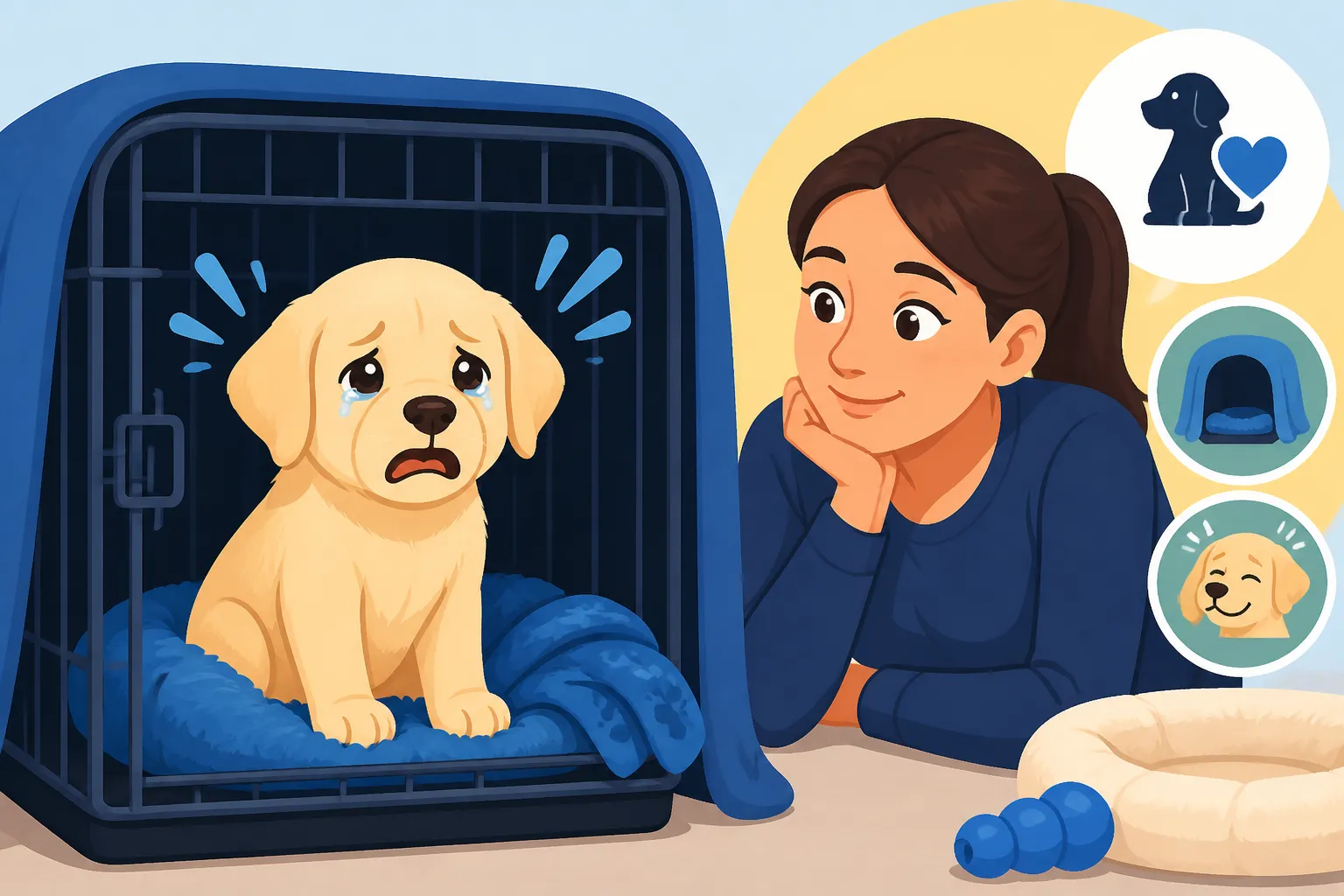
Settling a Labrador Puppy Who Cries in the Crate
Bringing a new Labrador puppy home is one of the most exciting, heartwarming experiences, filled with tiny puppy kisses and clumsy antics. But for many new owners, those first few nights quickly turn into a blur of broken sleep and heart-wrenching whimpers coming from the puppy's crate. Hearing your little bundle of joy cry inconsolably can make you question everything, wondering if you're doing something wrong or if your pup will ever settle. This comprehensive guide will walk you through understanding why your Labrador puppy is crying in their crate and provide compassionate, actionable strategies to help them feel safe, secure, and ultimately, sleep soundly through the night.
Understanding Why Your Labrador Puppy Cries in the Crate
It's absolutely brutal to hear your tiny Labrador puppy crying, isn't it? It tugs at your heartstrings and makes you want to rush over and scoop them up. But before you do, it's crucial to understand why they might be crying. A puppy's cry isn't just one thing; it's a communication tool, and the message can vary wildly. Understanding the root cause will help you respond effectively without inadvertently reinforcing unwanted behaviors.
Loneliness and Adjustment Anxiety
Imagine being taken from everything familiar – your mom, your siblings, the smells and sounds of your birth home – and suddenly being in a completely new place, all alone. That's what your Labrador puppy is experiencing. They've spent their entire lives up to this point snuggled in a warm pile with their littermates. Being in a crate, even a comfortable one, can feel incredibly isolating and frightening. This isn't naughtiness; it's genuine anxiety and a profound sense of loneliness.
Puppies are social creatures, hardwired to seek comfort and security from their pack. When they cry, they're instinctively calling out for that lost connection. Those first few nights are a massive adjustment period, and it's completely normal for them to feel overwhelmed. They miss the comforting presence of their canine family, and now they rely on you to be their new source of security. This is often the primary reason for crying in a very young puppy, especially during the nighttime hours when everything is quiet and dark. Patience and consistent reassurance, without giving in to attention-seeking, are key here.
Potty Needs and Physical Discomfort
Another extremely common reason for a puppy to cry in their crate is that they simply need to go to the bathroom. Puppies have tiny bladders, and even if they had a potty break right before bed, they often can't hold it for a full night, especially when they're very young. Expecting an eight-week-old Labrador puppy to sleep eight hours without a potty break is just unrealistic. They will cry because they are uncomfortable and instinctively do not want to soil their sleeping area. This is a good thing – it means they are learning not to eliminate where they sleep!
Beyond needing to potty, consider other sources of physical discomfort. Is the crate too hot or too cold? Is their bedding bunched up or uncomfortable? Is there enough water available (though you might want to limit water an hour or two before bed to minimize potty breaks)? Are they hungry? While hunger is less likely if they've had a proper meal before bed, it's worth considering if they haven't eaten well that day. Rule out any potential medical issues too, especially if the crying is unusually frantic or accompanied by other worrying symptoms. Remember, a puppy's cry can be their only way to tell you something is physically wrong. For more on their bladder capacity, you might want to read How Long a Labrador Puppy Can Hold It.
Boredom and Seeking Attention
Once you've ruled out loneliness and physical needs, you might encounter crying that is purely for attention or due to boredom. Labradors are incredibly smart and quick to learn routines, both good and bad. If they've learned that crying leads to you coming over, giving them fuss, or letting them out of the crate, they will absolutely use that to their advantage. This isn't malice; it's just a puppy figuring out how to get what they want.
This type of crying often happens once the initial novelty of the new home has worn off a bit, or if you've been inconsistent in your responses. A bored puppy might cry simply because they have nothing else to do and they know crying gets a reaction. This is where ignoring the crying (after confirming all other needs are met) becomes crucial, coupled with providing appropriate enrichment inside the crate. It's a delicate balance, distinguishing between a genuine plea for help and a demand for attention, but it's a skill you'll develop as you get to know your individual puppy.
Creating a Cozy and Secure Crate Environment
The crate shouldn't be a punishment; it should be your Labrador puppy's den, their safe haven. Making it as comfortable and appealing as possible is your first line of defense against nighttime crying. Think of it as creating a five-star hotel room for your furry friend.
Choosing the Right Crate and Location
First things first, the crate itself. For a growing Labrador, you'll need a large breed crate. Many owners opt for a wire crate with a divider, like those readily available on Amazon, which allows you to adjust the size as your puppy grows. The key is to make it just big enough for them to stand up, turn around, and lie down comfortably. If it's too big, they might decide one end is for sleeping and the other for pottying, which completely defeats the purpose of Crate Training a Labrador Puppy.
Location is also critical. For those first few nights, I strongly recommend placing the crate in your bedroom, right next to your bed. Being able to hear, smell, and even briefly touch you through the crate bars can provide immense comfort to a lonely puppy. It mimics the closeness they had with their littermates. As they grow more confident and settled, you can gradually move the crate to its permanent spot, perhaps in a quiet corner of the living room or a designated puppy zone. This transition should be slow and gentle, not abrupt.
Making the Crate Inviting and Comfortable
Once you have the right crate in the right spot, it's time to deck it out. Think plush, soft bedding. A thick, comfortable dog bed is ideal, but for young puppies who might have accidents, consider something waterproof and easily washable. You can also add a soft blanket that smells like you (tuck it under your shirt for a few hours before putting it in the crate) to provide an extra layer of familiarity and comfort.
Temperature is also important. Ensure the crate isn't in a drafty spot or directly in front of a heat vent. Puppies are sensitive to temperature extremes. A gentle fan in the summer or an extra blanket in the winter can make a big difference. Some people even use a cover for the wire crate to create a more den-like, secure feeling, blocking out visual distractions that might trigger barking or anxiety. Just make sure there's still plenty of ventilation.
Utilizing Calming Aids and Enrichment
Beyond comfort, certain items can actively help calm your puppy. A ticking clock or a white noise machine placed near the crate can mimic a mother's heartbeat or muffle household sounds that might startle them. Snuggle puppies with a "heartbeat" mechanism are also popular for mimicking the presence of a littermate. You can find many options for these calming aids on Amazon.
Don't forget enrichment! A safe, durable chew toy or a KONG stuffed with a little frozen peanut butter or pumpkin can provide a positive association with the crate and keep them occupied as they settle. Just ensure it's a toy that won't pose a choking hazard. Brands like BAXTER & Bella, known for their comprehensive online training resources, often recommend specific types of enrichment toys for puppies to help with crate training and alone-time tolerance. This helps shift their focus from crying to a pleasant, distracting activity.
Establishing a Consistent Crate Training Routine
Consistency is the absolute backbone of successful crate training, especially when dealing with a crying puppy. Labradors thrive on routine; it provides predictability and helps them understand what's expected of them.
Gradual Introduction and Positive Associations
Never, ever just throw your puppy into the crate and leave them. The crate should always be associated with positive experiences. Start by leaving the crate door open, tossing treats inside, and letting them explore at their leisure. Feed them meals inside the crate with the door open, then gradually close the door for short periods while they eat.
Practice short "crate naps" during the day, always making it a positive experience. Give them a special treat or a stuffed KONG only when they go into the crate. Use a happy, upbeat tone when giving the "crate" command. Gradually increase the time they spend in there, always returning before they start to fuss, and praising them calmly when you let them out. This process builds trust and helps them see the crate as a good place, not a scary box. Patience here is paramount.
A Predictable Bedtime Schedule
Puppies, like human babies, do best with a consistent bedtime routine. About an hour or two before bed, limit food and water intake to reduce the chances of nighttime potty emergencies. Then, about 30 minutes before their final bedtime, engage in some calm, quiet play or cuddle time. A final potty break right before they go into the crate is non-negotiable. Take them out, wait for them to potty, and then immediately bring them back inside and put them in their crate with a special chew or treat.
The more consistent you are with this sequence – quiet time, potty, crate, treat – the faster your Labrador will understand what's happening and that they're safe. Try to stick to the same bedtime every night, even on weekends, especially during those crucial first few weeks. A predictable schedule helps their biological clock adjust and signals that it's time for sleep. You can find more structured advice on Potty Training Schedule for a Labrador Puppy to integrate with crate training.
Overnight Potty Breaks
Even with the best routine, young puppies will need to go out overnight. Knowing when to expect these breaks can minimize crying. As a general rule of thumb, a puppy can hold their bladder for about one hour per month of age, plus one. So, an eight-week-old (two-month-old) puppy can hold it for roughly three hours. This means you might need to set an alarm for a middle-of-the-night potty break, especially for the first few weeks.
| Puppy Age | Maximum Overnight Hold Time (Approx.) | Action |
|---|---|---|
| 8-10 weeks | 3-4 hours | Set alarm for 2-3 AM potty break, then again at 6 AM. |
| 10-12 weeks | 4-5 hours | May stretch to 3-4 AM, then 6:30-7 AM. |
| 3-4 months | 5-6 hours | Often can make it through 4-5 hours, aiming for a 6-7 AM wake-up. |
| 5+ months | 6-7+ hours | Many can sleep through a full 7-8 hours by this age. |
When it's time for an overnight potty break, keep it strictly business. Don't make eye contact, don't talk to them much, don't engage in play. Simply carry them outside (to avoid accidents on the way), wait for them to relieve themselves, give quiet praise, and immediately return them to the crate. The goal is to make these breaks as boring as possible so they don't associate crying with exciting middle-of-the-night playtime. For specific tips on these nocturnal excursions, check out Overnight Potty Breaks for a Labrador Puppy.
Responding to Crying Without Reinforcing It
This is arguably the trickiest part of crate training. Your puppy is crying, and your instincts are screaming at you to go to them. But how you respond makes all the difference in whether the crying stops or escalates.
Differentiating Between Need and Attention-Seeking
This is where your detective skills come into play. When your Labrador puppy cries, first consider the last time they went potty, ate, or had exercise.
- Is it urgent? If they just went potty an hour ago, probably not. If it's been four hours for an 8-week-old, absolutely yes.
- Is the cry frantic and escalating? This might indicate fear, pain, or a desperate need to potty. These cries tend to sound more distressed.
- Is it more of a whiny, testing cry that might stop if you go quiet? This is often attention-seeking.
If you suspect they need to potty, get up immediately, quietly take them out, and return them to the crate. If you've been doing regular potty breaks and they've just had one, or if you're certain it's not a potty need, then you enter the tricky territory of ignoring.
The Art of Ignoring (Tough Love)
It sounds harsh, but once you've positively ruled out immediate physical needs or extreme fear, ignoring attention-seeking crying is paramount. If you respond every time your puppy cries, you are inadvertently teaching them that crying is the way to get your attention or get out of the crate.
This doesn't mean you're heartless. It means you're being a responsible trainer. When you decide to ignore, be absolutely consistent. Even one lapse can set you back significantly. The crying might get worse before it gets better – this is called an "extinction burst." Your puppy is trying harder to get your attention because their usual method isn't working. Ride it out. It's tough, I know, but it pays off. You might want to invest in some earplugs for those first few nights!
Avoiding Common Mistakes That Prolong Crying
- Giving in too soon: The moment you give in after a prolonged crying session, you've just taught your puppy that if they cry long enough or loud enough, you'll eventually come. This makes future crying episodes longer and louder.
- Punishing the crate: Never use the crate as punishment. This will create a negative association and make them fear it, escalating anxiety and crying.
- Making a fuss at release: When you let your puppy out of the crate, keep it calm. Don't throw a party. Wait until they are quiet for a few moments before opening the door. If you release them while they're crying, again, you reinforce the behavior.
- Inconsistency: One parent ignores, the other gives in. This sends mixed signals to your smart Labrador puppy and makes the process much longer and more confusing for them. Everyone in the household needs to be on the same page.
Remember, the goal is for your Labrador puppy to see their crate as a safe, comfortable place where they can relax and sleep, not a prison they need to escape from. Building Alone-Time Tolerance in a Labrador Puppy will be a game changer for long-term success.
When to Seek Professional Help
While most Labrador puppies will adjust to crate training with patience and consistency, some may exhibit more severe signs of distress. Knowing when to reach out for professional guidance is an important part of responsible pet ownership.
Persistent, Extreme Distress
If your Labrador puppy's crying seems excessive, uncontrollable, and doesn't improve after several days or even a week of consistent positive reinforcement crate training, it might be more than just typical puppy adjustment. Signs of extreme distress can include:
- Self-harm: Biting at the crate bars until their mouth is raw, or frantically trying to escape to the point of injury.
- Excessive drooling, panting, or shaking: These are physical signs of severe anxiety or panic.
- Urination or defecation in the crate, despite regular potty breaks: This can indicate extreme stress rather than just a need to go.
- Constant, high-pitched screaming that lasts for hours without pause: Beyond normal puppy protests, this level of vocalization suggests deep unhappiness.
If you're observing these behaviors, it's time to consider that your puppy might be experiencing significant separation anxiety or phobias, which go beyond simple crate training issues.
Consulting Your Veterinarian or a Certified Professional Trainer
Your first stop should always be your veterinarian. They can rule out any underlying medical conditions that might be contributing to your puppy's discomfort or anxiety. Sometimes, there might be a subtle health issue that makes them unable to settle.
If medical issues are ruled out, your vet might recommend consulting a certified professional dog trainer or a veterinary behaviorist. These experts can assess your puppy's individual situation, identify specific triggers, and develop a tailored training plan. They can also offer guidance on advanced desensitization techniques or, in some severe cases, discuss whether short-term anxiety medication might be appropriate as part of a comprehensive behavioral modification plan.
Remember, asking for help isn't a sign of failure; it's a sign that you're committed to your Labrador's well-being. Sometimes, an objective professional eye can spot things you might be missing or suggest strategies you haven't considered. They can also help address issues like Whether Labradors Get Separation Anxiety if it appears to be a deeper problem.
Disclaimer
This article is for general informational purposes only and does not constitute professional advice. Laws, prices and regulations vary by location and change over time. Consult a qualified professional for guidance on your specific situation.