Socializing a Labrador Before Vaccines Finish
Bringing home a new Labrador puppy is an incredibly exciting time, full of dreams of long walks, happy retrieves, and a loyal companion. But soon after the initial joy, a common dilemma sets in: your veterinarian stresses the importance of keeping your unvaccinated puppy away from unknown dogs and public places to prevent serious illnesses like parvovirus, yet everything you read shouts about the critical need for early socialization. This seemingly contradictory advice can leave new puppy parents feeling utterly overwhelmed, trapped between protecting their puppy's physical health and ensuring their mental well-being. This guide aims to cut through that confusion, offering practical, safe strategies to properly socialize your Labrador puppy during their crucial developmental window, even before their full vaccine series is complete.
The Puppy Socialization Window: Why It's So Critical for Labradors
For a Labrador, a breed renowned for its friendly, outgoing nature, early socialization isn't just a recommendation—it's absolutely foundational. This isn't about simply letting your puppy meet other dogs; it's about a broad spectrum of positive experiences that shape their entire personality and confidence for life. Missing this period can have long-lasting effects, turning a potentially boisterous, happy-go-lucky Labrador into an anxious or reactive adult.
The Golden Window for Learning and Development
The period from roughly 3 to 16 weeks of age is often referred to as the "golden window" for puppy socialization. During this time, a puppy's brain is like a sponge, rapidly absorbing information and forming associations about the world around them. They are naturally curious and less prone to fear than they will be later. Every new sight, sound, smell, person, and texture contributes to their understanding of what is "normal" and "safe." If a Labrador puppy doesn't encounter a wide variety of these stimuli during this critical phase, they may develop anxieties or fears later in life about anything unfamiliar. Imagine a puppy that has only ever seen people in your immediate family; encountering someone wearing a hat, or a child in a stroller, could become a terrifying experience rather than a neutral or positive one.
This is particularly important for Labradors, a breed bred to be adaptable and friendly. While they have a natural inclination towards sociability, it's not inherent that they'll be perfectly calm in every situation. A lack of early, positive exposure can undermine even the best genetic predispositions, leading to a dog who might shy away from new people, react poorly to unfamiliar dogs, or be startled by common household noises. Properly utilized, this window ensures your Labrador grows into the confident, bomb-proof companion you envision.
Temperament and the Labrador's Future
A Labrador's temperament is one of its most cherished qualities: loyal, intelligent, eager to please, and generally good-natured. But this ideal temperament isn't just a product of good breeding; it's heavily influenced by early life experiences. Think about a Labrador's potential roles: a family pet, a therapy dog, a service animal, or a gundog. All these roles demand a dog that is calm, confident, and unfazed by novel situations. A dog that is afraid of loud noises, strange people, or busy environments simply won't thrive in these capacities, or even as a well-adjusted pet.
Proper socialization during puppyhood helps build a resilient and adaptable dog. It teaches them that the world is a generally safe and interesting place, full of things to explore rather than fear. This early foundation is essential for a Labrador to fully embody their wonderful Labrador Temperament and Personality. It's about providing a wide range of positive exposures that build confidence and prevent future behavioral issues, rather than trying to fix ingrained fears and reactions later on. Investing this time early will save you countless hours and potential heartache down the road, ensuring your Labrador can happily navigate any environment with grace and confidence.
Navigating Vaccination Schedules and Infection Risks
The conflicting advice surrounding puppy socialization and vaccination is a genuine source of stress for new Labrador owners. On one hand, you're told to expose your puppy to everything; on the other, you're warned about deadly diseases. It feels like a no-win situation, but understanding the basics of puppy immunity can help you make informed, safe choices.
Understanding Your Puppy's Immunity
When Labrador puppies are born, they receive antibodies from their mother's milk (colostrum), which provides them with temporary immunity against diseases like parvovirus, distemper, hepatitis, and adenovirus. This maternal immunity is fantastic, but it's also a double-edged sword: as long as these antibodies are present at high enough levels, they can actually interfere with the effectiveness of vaccines. This is why puppies receive a series of vaccinations, usually starting around 6-8 weeks and continuing every 3-4 weeks until they are 16 weeks old or sometimes a bit older.
The challenge is that the exact point at which maternal antibodies decline enough for a vaccine to be fully effective, but before the puppy is completely vulnerable, varies from puppy to puppy. This is why a series is given—to catch that window for every individual. "Fully vaccinated" typically refers to two weeks after the final vaccine in the series, ensuring the puppy's own immune system has had time to mount a robust response. Until then, there's a very real risk of your puppy contracting serious, and potentially fatal, diseases like parvovirus, which can live in the environment for extended periods. Protecting your puppy from these threats is paramount, so understanding your Labrador Puppy Vaccination Schedule and discussing the specific risks with your vet is crucial.
Balancing Risk and Reward
So, what's a conscientious Labrador owner to do? The key is to find a balance between protecting your puppy from disease and providing the essential early life experiences they need. Complete isolation until 16 weeks, while seemingly safe from disease, can lead to severe behavioral problems such as fear, aggression, or separation anxiety down the line. A dog that isn't properly socialized during its critical window is often more challenging to live with and train, and may require expensive behavioral intervention later.
The American Veterinary Society of Animal Behavior (AVSAB) strongly advocates for early socialization, even before a puppy completes their vaccine series, stressing that the risk of behavioral issues resulting from insufficient socialization is far greater than the risk of contracting infectious disease through carefully managed, low-risk exposure. This means choosing where and how you socialize your puppy very carefully. It's about being strategic and intentional with every exposure, ensuring positive experiences without exposing your vulnerable puppy to high-risk environments where diseases might lurk. This proactive approach sets your Labrador up for a healthy and happy life, both physically and psychologically.
Smart, Safe Ways to Socialize Your Unvaccinated Labrador Puppy
Navigating the early weeks with a Labrador puppy requires a thoughtful approach to socialization. The goal is maximum positive exposure with minimum health risk. This isn't about throwing your puppy into a dog park, but rather carefully curating their experiences.
Controlled Environments and Known Dogs
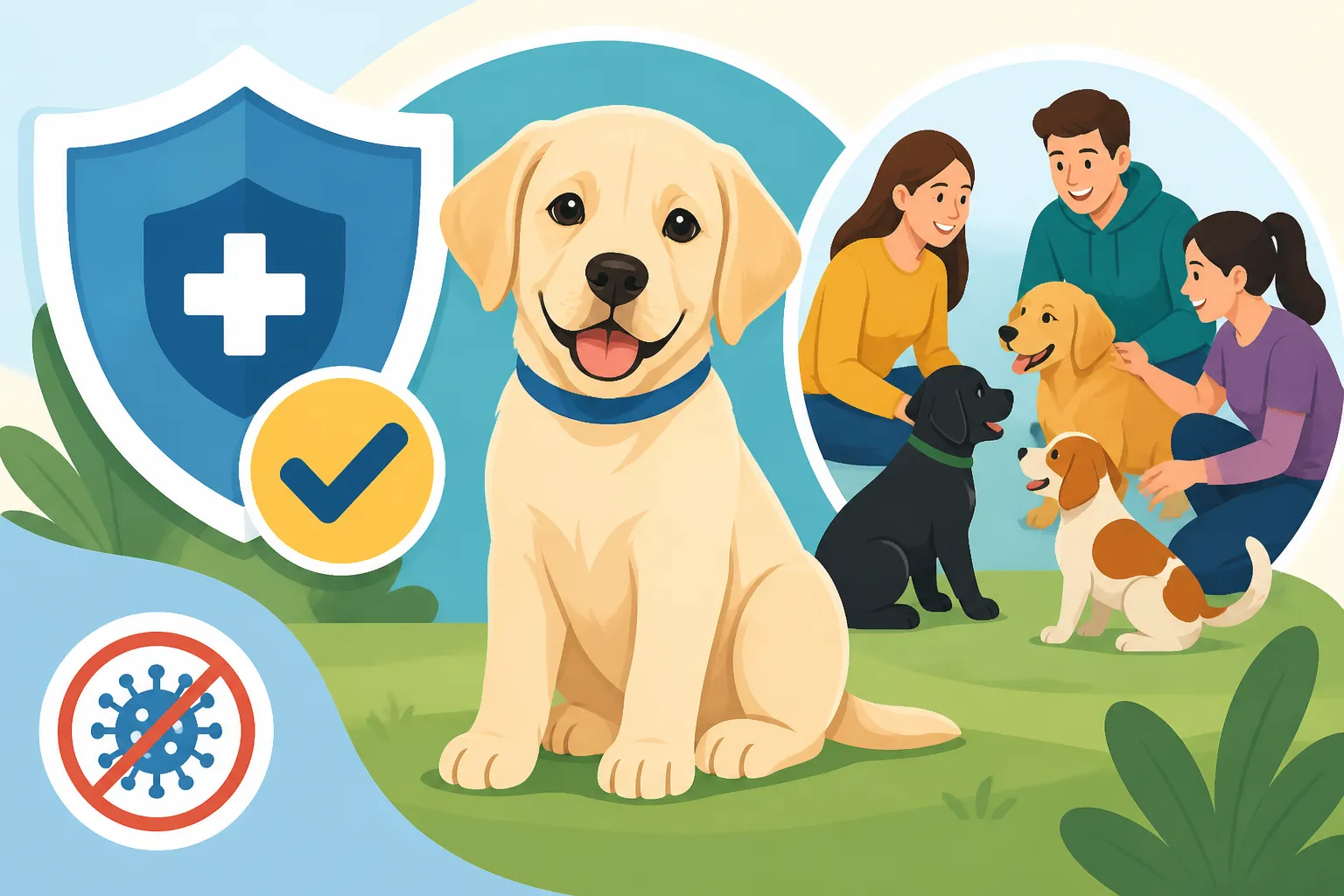
One of the safest ways to introduce your unvaccinated Labrador puppy to other dogs is through controlled interactions with healthy, fully vaccinated adult dogs you know and trust. This might be a friend's calm, friendly Golden Retriever or your neighbor's well-mannered Beagle. Ensure these adult dogs are up-to-date on their vaccinations, have no history of aggression, and are generally tolerant of puppy antics. These one-on-one play sessions in a clean, private, and contained area (like your backyard or theirs) can teach your puppy valuable canine communication skills. The interaction should always be supervised, brief, and positive. If the adult dog shows any signs of irritation, gently redirect your puppy.
Another excellent option is enrolling your puppy in a "puppy kindergarten" class. Reputable puppy classes, like those often recommended by your vet or programs like BAXTER & Bella that offer virtual guidance, usually require proof of initial vaccinations and maintain strict cleaning protocols. They provide a safe, structured environment for puppies of similar ages and vaccine statuses to interact under the guidance of experienced trainers. This is invaluable not only for socialization with other puppies but also for exposure to new people, sounds, and early obedience training. Look for classes that explicitly state their health protocols and limit enrollment to puppies in the same developmental stage, ensuring a low-risk, high-reward learning environment. These classes often incorporate elements from a puppy training schedule for a Labrador puppy too, giving you a double benefit.
Exposure to Sights, Sounds, and Surfaces
Socialization isn't just about other dogs; it's about acclimatizing your Labrador puppy to the diverse world they'll live in. Before they're fully vaccinated, you can achieve this without putting them on the ground in public spaces. Get a puppy sling, a carry bag, or even a pet stroller (many options are available on Amazon) and take your puppy with you to safe, low-traffic public areas.
- People: Carry your puppy to a park bench and simply observe. Let them watch people of all ages, sizes, and appearances pass by. People wearing hats, carrying umbrellas, pushing strollers, or using wheelchairs. Uniformed workers, children playing, elderly folks. If someone wants to greet your puppy, ensure they do so gently and offer a small, high-value treat, creating a positive association.
- Sounds: Expose your puppy to a variety of sounds from a safe distance: traffic noise, sirens, lawnmowers, children laughing, construction sounds. You can even find "desensitization CDs" or online tracks that play common household and outdoor noises at a low volume, gradually increasing it as your puppy remains calm. This helps with Introducing a Labrador Puppy to Loud Noises.
- Sights: Car rides are fantastic for this. Even short trips around town expose your puppy to moving cars, buildings, changing landscapes, and different lighting conditions. Make sure the car rides are always positive, maybe ending with a treat or a fun game at home.
- Surfaces and Textures: At home, create a "sensory walk" with different safe surfaces: carpet, tile, wood, grass in your yard, a damp towel, a crinkly mat. Let your puppy explore these textures with their paws. This builds confidence and familiarity with varied footing, which is important for any active Labrador.
Always make these experiences positive and brief, ending before your puppy becomes overwhelmed. The goal is gentle, positive exposure, not immersion. If your puppy seems scared or stressed, remove them from the situation calmly and try again later with less intensity.
Home-Based Enrichment and New Experiences
Your home is a fantastic, safe environment for early socialization and enrichment. Many crucial experiences can happen right within your own four walls, building confidence and resilience without the risk of disease.
Think about introducing new objects: different types of toys (squeaky, plush, crinkly, puzzle toys), cardboard boxes to explore, or even a tunnel made from blankets. Rotate toys frequently to keep things novel and interesting. Provide opportunities for problem-solving with puzzle feeders or simple scent games. These activities engage your Labrador's natural curiosity and intelligence, essential traits for the breed.
Grooming is another vital area for early positive experiences. Start gently handling your puppy's paws, ears, and mouth from day one. Reward them with tiny, delicious treats for tolerating brief touches. This makes future nail trims, ear cleanings, and dental checks far less stressful. Brushing their coat with a soft brush, even for a minute, can also be a pleasant bonding experience. You can read more about comprehensive care in Labrador Ear, Paw and Nail Care. The more comfortable your puppy is with being handled, the easier veterinary visits and routine care will be throughout their life.
Resources and Tools to Support Early Socialization
Successfully socializing an unvaccinated Labrador puppy requires planning and the right tools. Thankfully, there are many resources available to guide you through this critical period, making it a manageable and even enjoyable process.
Online Learning and Virtual Puppy Classes
In today's connected world, you don't always need to leave your home to get expert guidance on puppy socialization. Online puppy training programs and virtual puppy classes have become invaluable resources, especially when you need to be mindful of vaccine status. Platforms like BAXTER & Bella offer comprehensive online puppy training programs that cover everything from basic obedience to crucial socialization exercises. They provide structured curricula, video tutorials, and often access to trainers who can answer your specific questions.
These virtual resources are fantastic because they allow you to create safe, controlled socialization scenarios within your home and yard. You can learn how to introduce novel objects, sounds, and textures safely, and how to practice gentle handling without exposing your puppy to potential disease vectors. They also often provide checklists and ideas for safe "field trips" where you carry your puppy, ensuring you’re maximizing exposure while minimizing risk. This structured learning can be a game-changer for new owners feeling overwhelmed by the sheer volume of information (and conflicting advice!) out there.
Essential Gear for Safe Outings
Even before your Labrador puppy is fully vaccinated, you can still take them out into the world safely with the right gear. A secure, comfortable carrier or a puppy sling is an absolute must. These allow you to bring your puppy along to various public places – think outdoor cafes, quiet shopping centers (where permitted, of course!), or simply a busy park – without their paws ever touching the ground where viruses might reside.
- Carriers: A sturdy, well-ventilated pet carrier (many types are readily available on Amazon) is perfect for short trips and helps create a den-like space for your puppy. They can observe the world from a safe enclosure.
- Puppy Slings/Wraps: For a more hands-free approach, a puppy sling or wrap allows you to carry your small Labrador puppy close to your body. This provides them with comfort and security while exposing them to new sights, sounds, and smells from your vantage point. It's an excellent way to introduce them to different people and environments without direct contact with the ground or unknown dogs.
- Pet Strollers: For longer outings, especially as your Labrador puppy grows a bit heavier, a pet stroller can be a lifesaver. It allows them to safely join you for walks in the park, farmers' markets, or even outdoor events, all while being contained and elevated above potential contaminants.
Remember, the key is to ensure your puppy is secure and comfortable in their carrier or sling, and that these outings are always positive experiences. Bring high-value treats to reward calm behavior and help create positive associations with these new adventures.
Creating a Socialization Checklist
To ensure you're hitting all the important socialization markers, it's incredibly helpful to create a detailed checklist. This isn't just about "meeting 100 people," but about diverse, positive exposures. Break it down into categories to make it manageable and track your progress.
| Category | Examples of Experiences (Unvaccinated Puppy) |
|---|---|
| People | Carried to observe people of all ages, genders, ethnicities, wearing hats, glasses, uniforms, children, elderly. |
| Dogs/Animals | Supervised, one-on-one play with known, healthy, vaccinated adult dogs in a private, clean yard. Puppy class. |
| Sounds | Carried to hear traffic, sirens, construction (from a distance). Exposure to vacuum, doorbell, TV at home. |
| Sights | Car rides, observing public places from carrier/sling, new objects/toys, reflections in mirrors. |
| Surfaces | Exploring carpet, tile, wood, grass in your yard, concrete, grates (briefly carry over). |
| Handling | Daily gentle handling of paws, ears, mouth, tail. Brushing, mock vet exams. |
| Environments | Car rides, carried into pet-friendly stores (if allowed), quiet park observation, different rooms in home. |
| Experiences | Crating (positive association), bath time, riding in an elevator, being held by different family members. |
Tick off items as you go, and don't feel pressured to do everything at once. Small, positive exposures are far more valuable than overwhelming, negative ones. The goal is to build a confident, well-adjusted Labrador who sees the world as a friendly and exciting place. Continue with this checklist even after your puppy is fully vaccinated, expanding to safe interactions on the ground and in broader public spaces. This ongoing effort, from Socializing a Labrador Puppy to Training a Labrador From Puppy to Adult, will ensure your companion grows into a well-rounded and delightful member of your family.
Disclaimer
This article is for general informational purposes only and does not constitute professional advice. Laws, prices and regulations vary by location and change over time. Consult a qualified professional for guidance on your specific situation.