Whether Puppy Class Is Worth It for a Labrador
Bringing home a new Labrador puppy is an absolute whirlwind of joy, excitement, and let's be honest, a fair bit of chaos. You’re navigating potty accidents, endless chewing, and a boundless energy that seems to defy logic. Amidst all this, a common question pops up for every new Lab parent: is puppy class truly worth the time and expense? This guide will dive deep into why enrolling your Labrador puppy in a structured class isn't just a good idea, but often a crucial step for setting them up for a lifetime of good behavior and a happy home life.
The Unique Challenges and Benefits of a Labrador Puppy
Labradors often get a reputation for being "easy to train," and while it's true they're intelligent and eager to please, that label can sometimes mislead new owners. Their inherent traits, while wonderful, also present specific challenges that a good puppy class is uniquely equipped to address.
Overcoming the "Easy to Train" Myth for Labradors
Yes, Labradors are incredibly smart, and they often pick up commands quickly. This is one of the reasons Why Labradors Are Ranked Easy to Train. They thrive on pleasing their people and are usually highly motivated by food, which can be a huge asset in training. You might even find yourself Using a Labrador's Food Drive as Leverage to teach them new tricks in minutes. However, this intelligence and drive can also be a double-edged sword. A smart, bored Labrador is a creative, mischievous Labrador. Without proper direction and mental stimulation, that intelligence can turn into figuring out how to open cupboards, counter surf for snacks, or chew on inappropriate items.
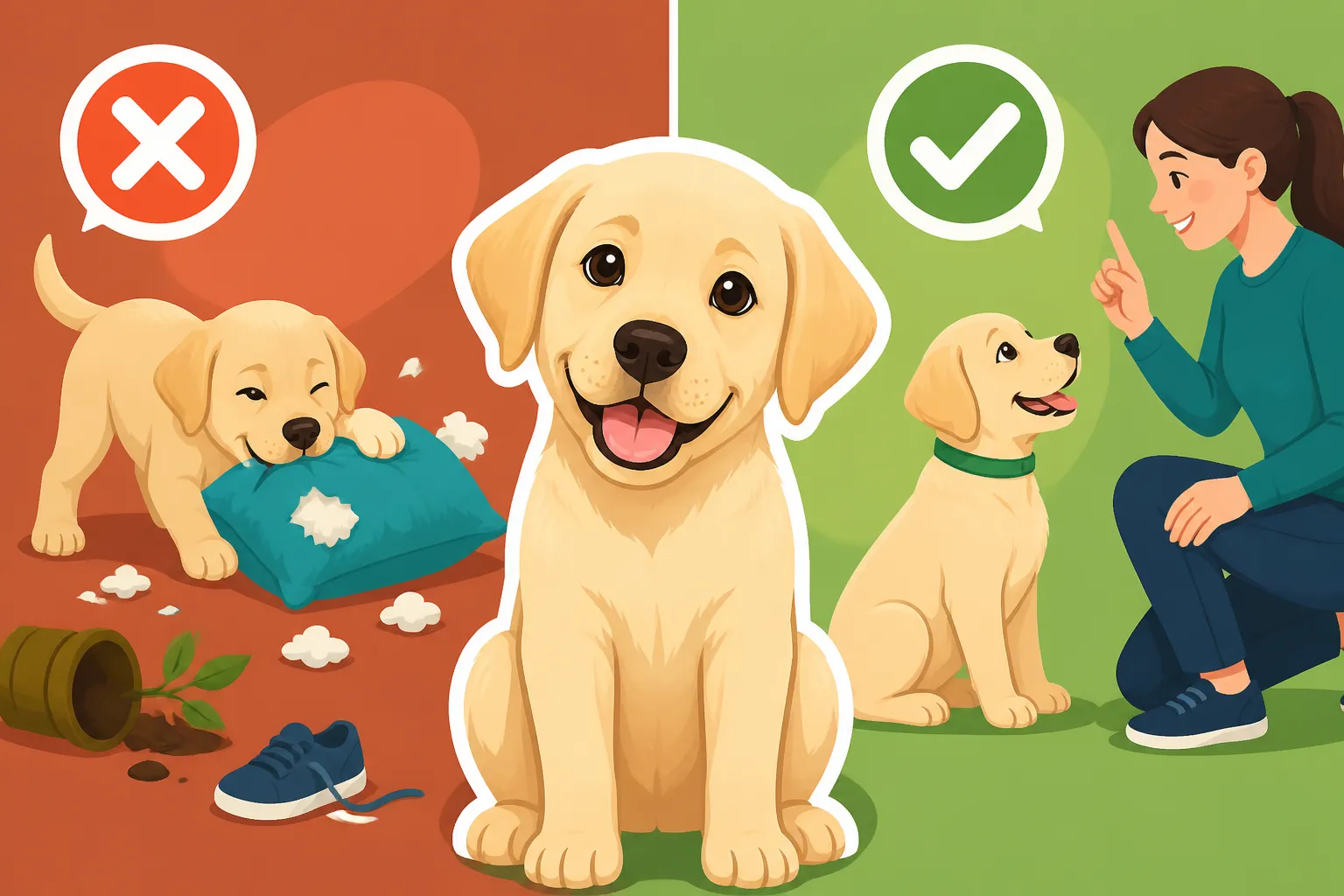
Think about it: a Labrador puppy has an incredible amount of energy, and if it's not channeled constructively, it will find its own outlets. This might mean non-stop mouthing of hands and clothing, which is a natural puppy behavior but needs to be managed before it becomes a habit. It could also manifest as destructive chewing of furniture or shoes. A puppy class provides an environment where trainers can help you understand why your Labrador is exhibiting these behaviors and, more importantly, how to redirect them effectively and humanely. It's not just about teaching "sit"; it's about teaching your Labrador how to exist politely in your world, and it teaches you how to communicate with them in a way they understand.
The Critical Window for Labrador Socialization
Labrador puppies are typically boisterous and friendly, but this doesn't mean they don't need careful socialization. In fact, because they grow into such large, powerful dogs, proper socialization is even more vital. There's a relatively short, critical period, often called the Labrador Puppy Socialization Windows, usually between 3 and 16 weeks of age, where puppies are most receptive to new experiences and learning that the world is a safe and fun place. Missing this window can lead to lifelong fear, anxiety, or reactivity.
A puppy class offers a safe, controlled, and positive environment for your Labrador to meet new people of all shapes and sizes, experience different sounds, and most importantly, interact with other puppies. These early, positive interactions teach your puppy crucial social cues, like how to play appropriately, how hard they can bite (also known as bite inhibition), and how to behave calmly around other dogs. Without this structured exposure, your well-meaning but over-exuberant Labrador might accidentally overwhelm smaller dogs or develop anxieties around strange people or novel situations later in life. It's about building a confident, well-adjusted adult dog, not just a friendly one. Think of it as laying the groundwork for all future social interactions, ensuring your Labrador learns to be a polite member of both human and canine society.
What You Actually Gain from a Structured Puppy Class
Beyond just general puppy development, a good puppy class offers specific, tangible benefits that are hard to replicate on your own. It's about more than just obedience; it's about building a stronger bond and understanding between you and your new furry family member.
Professional Guidance and Problem Solving
One of the biggest advantages of a puppy class is access to certified, experienced trainers. These aren't just dog lovers; they're professionals who understand canine behavior, learning theory, and how to effectively teach both dogs and their human companions. When you're struggling with a particular puppy problem, like incessant nipping or struggling with house training, a trainer can offer immediate, tailored advice. They can observe your interactions and pinpoint areas where you might inadvertently be reinforcing unwanted behaviors.
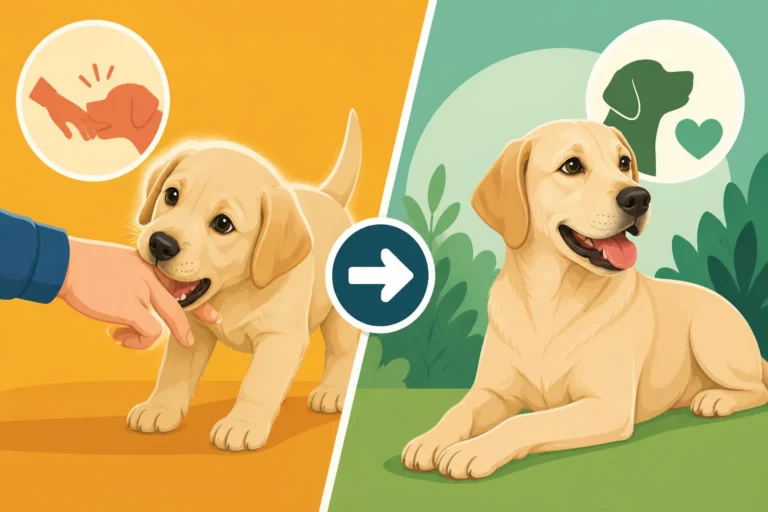
For example, if your Labrador puppy constantly mouths your hands, which is a very common Labrador puppy behavior, a trainer can show you effective redirection techniques to stop Labrador Puppy Mouthing and How to Redirect It before it becomes a problematic habit. They might suggest giving a firm "yelp" sound, redirecting to a toy, or even briefly disengaging (freezing and turning away) to teach your puppy that mouthing stops playtime. They also provide insight into typical puppy development, helping you understand what behaviors are normal for their age and what might need more focused intervention. Some modern online platforms, like BAXTER & Bella, offer similar professional guidance and community support, which can be a fantastic supplement or alternative if in-person classes aren't feasible in your area, or if you want ongoing support.
Controlled Socialization with Peers and People
As we touched on earlier, socialization is key, but controlled socialization is the magic ingredient. A puppy class carefully curates the environment, ensuring all puppies are age-appropriate, vaccinated, and have a similar play style or are gently guided to learn how to interact with different play styles. This prevents a smaller, more timid puppy from being overwhelmed by a boisterous Labrador, and it teaches your Labrador to be respectful of others' boundaries.
Trainers closely supervise play sessions, stepping in when interactions become too rough or one puppy is being bullied or is bullying another. They can guide your Labrador in appropriate greeting etiquette, helping them learn how to approach other dogs and people politely, rather than jumping up or barreling into them headfirst. This is crucial for preventing issues like When a Labrador Plays Too Rough at the Park later on. It also exposes your puppy to a variety of people, from children to adults with different gaits, voices, and appearances, which helps them grow into a well-adjusted, confident adult that isn't fearful or overly reactive to novelty. This foundational experience is invaluable for preventing fear-based aggression or over-arousal in social settings.
Building Foundational Skills and Manners
While socialization is a primary benefit, puppy classes are also excellent for establishing fundamental obedience commands. These aren't just tricks; they are crucial life skills that ensure your Labrador's safety and your peace of mind. Commands like "sit," "stay," "come," and "leave it" are taught in a step-by-step, positive reinforcement manner. In a class setting, your puppy learns to focus on you despite the exciting distractions of other puppies and new smells, which is a much more realistic scenario than practicing in your quiet living room.
You'll learn how to implement First Commands to Teach a Labrador using clear cues and rewards. Trainers will guide you on how to teach a reliable recall, which is paramount for a Labrador who loves to explore and can get distracted by scents or water. They'll also introduce the basics of Loose Leash Walking With a Labrador, which is a game-changer when you're dealing with a strong, enthusiastic adolescent dog. Learning these skills early, consistently, and under professional guidance builds a solid communication bridge between you and your Labrador, making future training much smoother. It’s about creating a polite partner who understands expectations in various situations, from a busy park to a quiet vet's office.
Weighing the Investment: Time, Cost, and Alternatives
Deciding on puppy class means considering the commitment of time and money. While it’s an investment, it’s often one that pays dividends by preventing more expensive and stressful behavioral issues down the road.
The Cost-Benefit Analysis of Puppy Class
Let's be upfront: puppy classes do have a cost. What a Labrador Puppy Class Costs can vary quite a bit depending on your location, the reputation of the training facility, and the length of the course. However, it’s important to view this as an investment in your Labrador’s future, much like you would invest in quality food or veterinary care. Compare the upfront cost of a few weeks of puppy class to the potential costs later on if behavioral issues develop. Think about the expense of a private behaviorist for reactivity, replacing chewed furniture, or even potential legal liabilities if your untrained dog causes an incident.
The benefits far outweigh the monetary cost when you consider the peace of mind that comes with a well-socialized, well-mannered Labrador. It reduces the likelihood of them developing separation anxiety, resource guarding, or fear-based aggression, which are far more complex and expensive problems to resolve. Puppy class isn't just about training; it's about preventative care for your dog's mental and emotional health, creating a confident companion who is a joy to live with for their entire Labrador Lifespan and What Changes It.
| Feature | Puppy Class Benefits | Training Alone Challenges |
|---|---|---|
| Socialization | Controlled exposure to diverse pups & people; bite inhibition. | Limited, unsupervised, or potentially negative interactions. |
| Professional Guidance | Expert feedback, problem-solving, understanding canine behavior. | Relying on internet advice, trial-and-error, missing key cues. |
| Foundation Skills | Distraction proofing, consistent methodology, early intervention. | Difficulty generalizing commands, inconsistent training, slower progress. |
| Problem Prevention | Proactive addressing of nipping, jumping, fear. | Reacting to established bad habits, potentially costly behavior modification. |
| Owner Education | Learning canine body language, timing, positive reinforcement. | Frustration, misunderstandings, unintended negative reinforcement. |
| Accountability | Set schedule, encourages consistency and practice. | Easy to get sidetracked, inconsistent practice. |
Finding the Right Class for Your Labrador
Not all puppy classes are created equal, so it's essential to do a little homework before you enroll your energetic Labrador. Look for classes that emphasize positive reinforcement methods, meaning they reward desired behaviors rather than punishing unwanted ones. Avoid any trainers who advocate for harsh corrections, choke chains, or electronic collars for puppies; these methods can damage your puppy's confidence and your bond.
Ask about the trainer's qualifications. Are they certified by reputable organizations? What is their philosophy on puppy development? Look for a class with a low student-to-trainer ratio, ensuring you and your Labrador get adequate individual attention. It’s also a great idea to ask if you can observe a class without your puppy first. This allows you to see the training style, the cleanliness of the facility, and how the puppies and owners interact. Pay attention to how puppies are managed during play sessions – are they supervised closely? Are breaks enforced to prevent overstimulation? Websites like Amazon often have reviews for local training facilities, or you can check local community pages for recommendations. A good puppy class should feel welcoming, safe, and fun for both you and your Labrador.
Supplementing Class with At-Home Practice
A puppy class is a fantastic starting point, but it's not a magic bullet that will instantly solve all your puppy's quirks. The real work happens at home, consistently and patiently. Think of puppy class as providing the playbook and the initial drills, but you're the coach on the field every single day. The lessons learned in class need to be reinforced through regular, short training sessions in your own environment.
Labrador puppies, especially, have a relatively short attention span, so How Long a Labrador Puppy Can Concentrate is usually only a few minutes at a time. This is why trainers always emphasize that Why Five Minute Sessions Work on a Labrador. Incorporate these brief training bursts throughout your day, practicing commands like "sit," "stay," and "come" in different rooms, in the yard, and eventually in mildly distracting environments like your local park. Use high-value treats (think tiny pieces of cooked chicken or cheese) to keep your Labrador motivated. Remember that consistency is key; everyone in the household should be using the same commands and signals. Purchasing a good variety of appropriate chew toys from Amazon can also help redirect that powerful Labrador chewing instinct away from your furniture and shoes, supplementing the behavioral lessons from class. Continue to provide varied positive experiences for your puppy following A Socialization Checklist for a Labrador Puppy to ensure their confidence continues to grow as they mature into a well-adjusted adult. The journey of Training a Labrador From Puppy to Adult is continuous, and puppy class is just the beginning.
Disclaimer
This article is for general informational purposes only and does not constitute professional advice. Laws, prices and regulations vary by location and change over time. Consult a qualified professional for guidance on your specific situation.