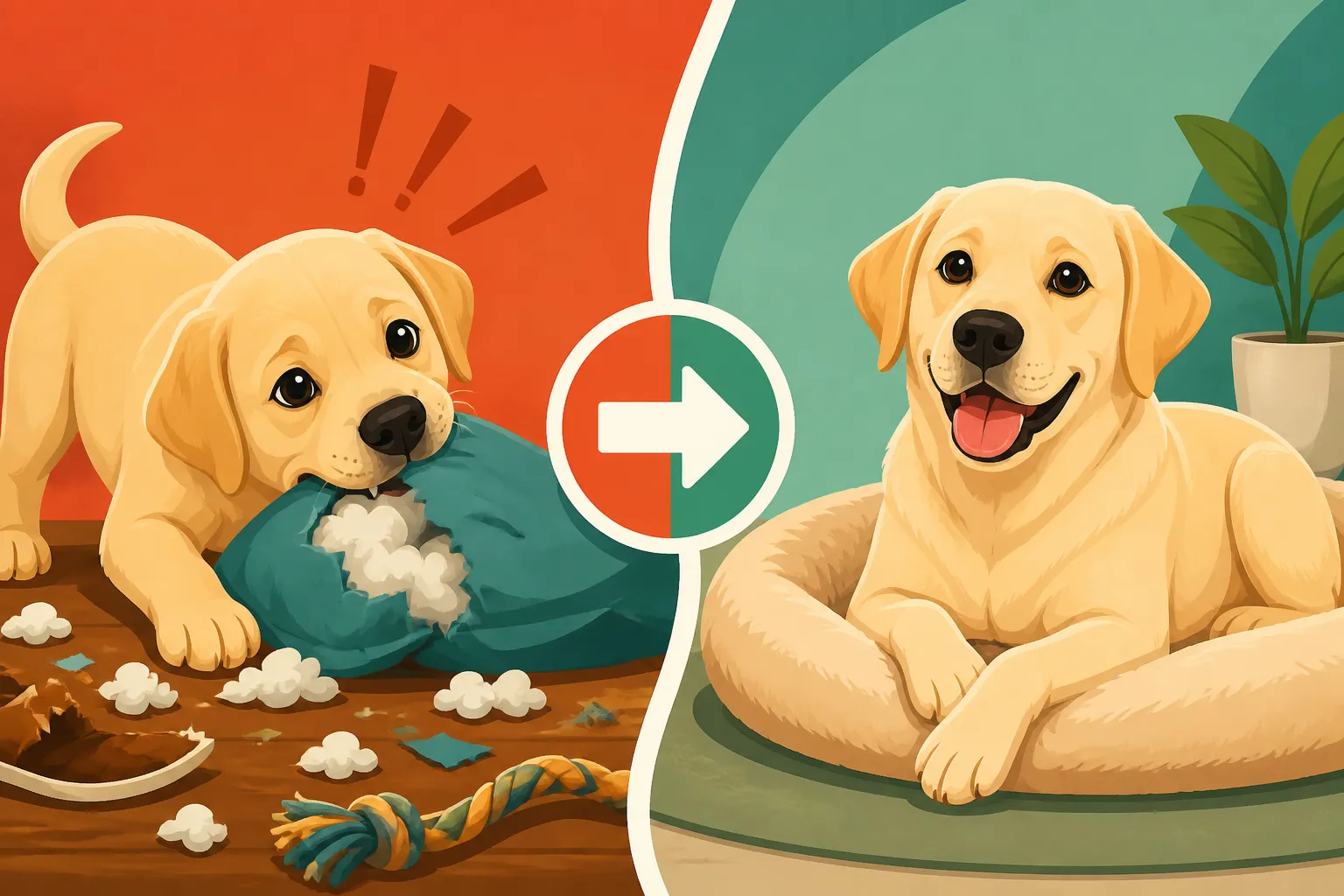
When Labrador Chewing Finally Slows
One of the most enduring challenges for any Labrador owner is the seemingly endless saga of chewing. From tiny puppy teeth nipping at everything in sight to adolescent jaws making short work of furniture legs, it can feel like you'll never have a moment's peace for your belongings. This guide is here to walk you through the various stages of a Labrador's chewing habits, explain the underlying reasons for their oral obsessions, equip you with practical management strategies, and ultimately, give you a realistic timeline for when those busy jaws might finally ease up.
The Marathon of Labrador Chewing: Understanding the "Why"
It's easy to get frustrated when your favorite shoes become a casualty, or your new rug develops an unexpected ventilation hole. But understanding why your Labrador chews is the first step toward managing it effectively and preserving your sanity (and your possessions). This isn't usually an act of malice; it's deeply ingrained in their nature, especially as they grow.
Puppy Teething: The First Gauntlet
Ah, puppyhood! Those adorable, wiggly bundles of joy also come equipped with tiny, needle-sharp teeth that seem designed for maximum destruction. Much like human babies, Labrador puppies go through an intense teething phase. Their first set of deciduous, or "baby," teeth erupt between 3-6 weeks, and then they start falling out to make way for permanent adult teeth around 3-4 months of age. This process usually wraps up by 6-7 months.
During this time, their gums are often sore, inflamed, and incredibly itchy. Chewing provides immense relief by massaging their gums and helping to dislodge those stubborn baby teeth. If you've ever watched a puppy gnaw intently on a toy or even your fingers (ouch!), you're witnessing them trying to alleviate discomfort. They don't differentiate between a designated chew toy and your antique table leg; anything that offers the right texture and counter-pressure is fair game in their eyes. Providing a variety of appropriate, safe chews is absolutely crucial during this period. Think frozen Kongs, soft rubber toys, or even a cold, damp washcloth that's been knotted and frozen. For more on this critical stage, check out our article on The Labrador Teething Timeline.
Adolescent Chewing: More Than Just Sore Gums
Just when you think you've survived the worst of teething, your Labrador enters adolescence, and often, the chewing ramps right back up! This can be incredibly baffling because their adult teeth are usually all in by this point. So, what gives? Adolescent Labs are often bursting with energy, curiosity, and a desire to explore their world. And for a Labrador, exploration often means "mouthing" everything they encounter.
This phase, typically from around 6 months up to 18-24 months, is characterized by several factors. Firstly, they have a lot of pent-up energy, both physical and mental, and chewing is a fantastic outlet. Secondly, it's a way for them to relieve stress or anxiety. A new environment, a change in routine, or even just the natural hormones of adolescence can make a young Lab feel unsettled, and chewing is a self-soothing behavior. Thirdly, it's a way to test boundaries. If they discover they can chew on something and get a reaction (even a negative one, like your shouting), it can become a habit. We delve deeper into this specific age range in Labrador Chewing at Nine Months. This isn't just about discomfort anymore; it's about channeling energy, coping with emotions, and, frankly, just being a curious, strong-jawed Labrador.
Boredom and Anxiety: The Emotional Chewers
Even well past adolescence, an adult Labrador can be a destructive chewer if their needs aren't met. This often stems from boredom or anxiety. Labradors are intelligent, active dogs that thrive on routine, exercise, and mental stimulation. If they're left alone for long periods without adequate physical activity or engaging puzzles, they will find their own entertainment – and that usually involves chewing. Your couch cushions, doorframes, or even electrical cords can quickly become targets.
Similarly, separation anxiety can manifest as destructive chewing. A Labrador who is stressed or panicked by being left alone might chew to relieve that overwhelming feeling. This isn't naughtiness; it's a coping mechanism for genuine distress. You might notice other signs like excessive barking, house-soiling, or pacing when you're away. If you suspect boredom is the culprit, incorporating more engaging activities, like those discussed in Mental Work for a Bored Labrador, can make a huge difference. If it's anxiety, you might need to explore strategies like those covered in Whether Labradors Get Separation Anxiety. Understanding the emotional state behind the chewing is key to addressing it effectively.
Strategies to Navigate the Chewing Phases
Living with a chewing Labrador requires a multi-pronged approach that combines prevention, redirection, and consistent training. You can't just wish the behavior away; you have to actively manage it.
Redirection and Appropriate Outlets
This is perhaps the most critical strategy. Your Labrador will chew. The goal is to teach them what is acceptable to chew and what isn't. This means having a wide variety of appropriate chew toys readily available at all times. When you catch your Lab chewing something they shouldn't, firmly say "no" or "leave it" and immediately redirect them to an approved chew toy. Praise them enthusiastically when they take the correct item.
Think about the textures and durability your Lab prefers. Some love soft, squishy toys, while others need something incredibly hard and durable to satisfy their powerful jaws. Look for toys specifically designed for "power chewers." Brands like Kong offer fantastic options that can be stuffed with treats, making them extra enticing. You might also explore nylon chews or natural chews (like bully sticks or dental chews, always supervised). The key is variety and availability. The more appealing the appropriate chews are, the less likely they are to seek out your forbidden items. We have some great suggestions in Toys That Satisfy a Teething Labrador. For those just starting their training journey, comprehensive programs like BAXTER & Bella offer excellent guidance on redirecting unwanted behaviors like chewing, integrating it into a broader positive reinforcement approach.
Management and Prevention
While training and redirection are vital, management is your best friend, especially during puppyhood and adolescence. This means making your home as "Labrador-proof" as possible.
- Crates and Pens: When you can't actively supervise your Labrador, a properly sized crate or an exercise pen is invaluable. It keeps them safe from ingesting dangerous items and protects your belongings. Ensure the crate is a positive space, filled with comfortable bedding and appropriate chew toys. Learn more about making the crate a sanctuary in Crate Training a Labrador Puppy.
- Gates: Baby gates are fantastic for restricting access to certain rooms where temptation might be too high. Block off areas with valuable furniture, electrical cords, or tempting shoes.
- Secure Storage: Keep anything you don't want chewed out of reach. This includes shoes, remote controls, children's toys, books, and anything left on low tables. Labrador-Proofing a Kitchen is a great resource for managing a food-motivated Lab.
- Bitter Sprays: For items that can't be put away (like furniture legs), a bitter apple spray or similar deterrent can be effective. These products are safe for your dog but taste terrible, discouraging them from chewing. You can find a wide range of options on Amazon. Always test a small, inconspicuous area first to ensure it doesn't stain.
Training and Mental Engagement
Chewing isn't just about physical need; it's often about mental engagement. A tired Labrador, both physically and mentally, is less likely to be a destructive chewer.
- "Leave It" and "Drop It" Commands: These are non-negotiable for any Labrador. Teaching your dog to release an item they have in their mouth or to ignore something they're tempted by is crucial for safety and property protection. Consistent practice with high-value treats will make these commands reliable. Our article, Teaching a Labrador to Drop It Reliably, can help you master this.
- Puzzle Toys: These require your Labrador to use their brain to figure out how to get treats, providing excellent mental stimulation. They can slow down a fast eater and keep a bored dog occupied for a good chunk of time.
- Scent Work and Obedience: Engaging your Labrador in activities like scent work (even simple "find it" games around the house) or regular obedience training sessions taps into their natural intelligence and working drive. A 15-minute training session can be as tiring as a long walk. Explore ideas in Scent Work for a Labrador Indoors.
- Adequate Exercise: Labradors need a good amount of physical exercise every day. A brisk walk, a vigorous game of fetch, or a swim can burn off excess energy that might otherwise be directed towards chewing.
When Can You Expect a Calmer Chewer?
This is the golden question for many exasperated Labrador owners! While every dog is an individual, there are general timelines and factors that influence when you might see a significant reduction in destructive chewing.
The Maturation Curve: Physical and Mental
For most Labradors, the most intense and often destructive chewing phase starts to slow down significantly as they approach physical and mental maturity. This usually means somewhere between 18 months and 2.5 years of age.
It's important to understand that "maturity" for a Labrador isn't just about their physical size; it's also about their brain development. They become less impulsive, better at self-regulating, and more capable of understanding and adhering to household rules. The frantic energy of adolescence begins to wane, and with it, often the obsessive need to mouth everything. This isn't an overnight switch, but a gradual winding down. You'll likely notice fewer "accidents" and more selectivity in their chewing choices. The goal isn't necessarily to stop them from chewing entirely, but to shift their chewing habits towards appropriate, durable items. You can read more about their overall calming journey in When a Labrador Actually Calms Down.
Individual Differences and Environmental Factors
While the 18-30 month window is a good general guideline, individual Labradors can vary greatly.
- Breed Line: Field-line Labradors, bred for working drive and higher energy, might take a bit longer to settle and often have a more intense oral fixation. Show-line or "English" Labradors tend to mature a little earlier and can sometimes be calmer. However, both types are still Labradors and are prone to chewing! Learn more about the differences in Whether Field Labradors Suit Pet Homes.
- Early Experiences and Training: Labradors who received consistent redirection, ample appropriate chew toys, and proper training from puppyhood will generally develop better chewing habits earlier than those who were allowed to self-entertain with forbidden items.
- Daily Routine and Enrichment: A Labrador with a consistent schedule that includes plenty of exercise, mental stimulation, and dedicated playtime is less likely to resort to destructive chewing out of boredom or frustration. A dog left alone for 8+ hours a day with nothing to do will naturally chew more than one who gets regular walks, training, and puzzle time.
- Personality: Some Labs are just more "oral" by nature. They love to carry things, mouth things, and chew. This is part of their charming Labrador personality, and while it can be managed, it may never completely disappear.
Ongoing Management: It's Not Always "Over"
Here's the realistic kicker: a Labrador's chewing habits may slow down, but they will likely never completely disappear. Chewing is a natural, healthy canine behavior. Even a calm, mature adult Labrador will still chew, especially if they are bored, stressed, or simply enjoy it.
The difference is that a well-managed adult Lab will direct their chewing towards appropriate, designated chew toys, rather than your furniture or personal items. You'll still need to provide a variety of safe, durable chews throughout their life. Think of it less as an end to chewing and more as a successful channeling of the behavior. Providing proper dental chews can also contribute to their oral hygiene, a healthy and positive chewing outlet. So, while the frantic destruction might cease, the need for a good chew will always be a part of their Labrador life.
Essential Gear and Tools for Chewing Control
Having the right arsenal of toys and deterrents is key to surviving the Labrador chewing phases and keeping your home intact. Investing in quality items will save you money (and headaches) in the long run.
Durable Chew Toys and Interactive Puzzles
This category is your first line of defense. Don't skimp here; cheap toys will be shredded in minutes and can even pose choking hazards.
- Solid Rubber Toys: Brands like Kong offer classic, virtually indestructible rubber toys that can withstand even the most determined Labrador jaws. The extreme line from Kong is often recommended for power chewers. The versatility of these toys – stuffing them with peanut butter, yogurt, or kibble and freezing them – makes them fantastic for extended chewing sessions and mental enrichment.
- Nylon Chews: Hard nylon chews provide a firm, satisfying resistance. They come in various shapes and flavors, appealing to different preferences. Ensure they are appropriately sized for your Labrador to prevent choking. Always check for sharp edges as they wear down and replace them when they become too small or rough. You can find a wide assortment of both solid rubber and nylon chews on Amazon, making it easy to compare brands and find the perfect fit for your Lab's chewing style.
- Interactive Puzzle Feeders: These aren't just chews, but they fulfill a similar need for oral and mental engagement. By requiring your Lab to manipulate the toy to dispense treats, they keep busy and focused. Look for durable plastic or rubber options that can withstand some enthusiastic nudging and chewing.
- Natural Chews (with caution): Items like bully sticks, dental chews, or yak chews can be highly motivating. However, always supervise your Labrador closely with these, especially as they get smaller, to prevent choking. Some natural chews can also be high in calories, so factor that into your dog's daily food intake. For more ideas on what truly lasts, consult Chew Toys That Survive a Labrador.
Bitter Sprays and Protective Barriers
Sometimes, toys aren't enough, and you need to protect specific items in your home.
- Bitter Apple Sprays: These non-toxic sprays have an incredibly unpleasant taste that discourages most dogs from licking or chewing treated surfaces. They are excellent for furniture legs, baseboards, or anything your Labrador frequently targets. Apply them consistently and reapply as needed, especially after cleaning the surface. While effective for many, some Labs are immune to the taste, so watch your dog's reaction. Again, Amazon offers a wide selection of these deterrents.
- Furniture Protectors: For persistent chewers, physical barriers can be necessary. Clear furniture corner guards, heavy-duty covers, or even sheets of plywood can be temporarily used to shield vulnerable areas until your Labrador's chewing habits improve.
- Cable Protectors: Electrical cords are a significant hazard. Invest in heavy-duty cord protectors or run cords through PVC pipes to make them inaccessible to your Lab. This is not just about protecting the cords, but protecting your dog from dangerous electrical shocks.
By understanding the "why" behind their chewing, consistently applying management and training strategies, and providing the right tools, you can successfully navigate your Labrador's chewing journey.
Disclaimer
This article is for general informational purposes only and does not constitute professional advice. Laws, prices and regulations vary by location and change over time. Consult a qualified professional for guidance on your specific situation.